

Drain, coil, and store garden hoses indoors dry to prevent cracks and leaks.
If you want your hose to last, you need to winterize it right. In this guide, I’ll show you how to store garden hoses for the winter like a pro. I’ve winterized hoses in harsh freeze-thaw cycles for years, and I’ve seen what works (and what breaks). Follow along for simple steps, expert tips, and a few hard-earned lessons to save you time and money.

Why winter storage matters
Water expands when it freezes. Even a small amount of trapped water can crack a hose, split a nozzle, or damage a spigot. That damage often shows up in spring as leaks, bulges, or weak spots.
Cold can also make vinyl stiff and brittle. UV light and ozone do the rest. Dirt inside the hose can grow mold, and metal fittings can corrode. Learning how to store garden hoses for the winter prevents all of this.
A little prep now protects hose washers, threads, reels, and backflow devices. It also keeps your irrigation gear safe. If you want a hose that lasts more than one season, learn how to store garden hoses for the winter before the first hard freeze.

Tools and supplies you’ll need
Keep it simple. You do not need fancy gear to do this right.
- Bucket or large tub to help drain and rinse
- Clean rags or towels for drying
- Mild soap or white vinegar for a quick clean
- Silicone-safe lubricant for threads and O-rings
- Spare rubber washers and quick-connect O-rings
- Velcro straps or soft ties to secure coils
- End caps or tape to keep dust out
- Optional: small air compressor or shop vac with blow setting (under 50 psi)
- Optional: hose reel, wall hooks, or a lidded storage bin
I reach for a compressor only on long hoses or soaker lines. For most people learning how to store garden hoses for the winter, gravity and patience are enough.
Step-by-step: how to store garden hoses for the winter
Here is the simple process I use every fall. It works for rubber, vinyl, and expandable hoses.
- Disconnect everything. Remove the spray nozzle, splitter, and quick-connects. Take off the hose from the spigot.
- Drain by gravity. Lay one end on a slope or hold it high. Walk the length and push water toward the open end.
- Rinse and sanitize. If the hose is dirty or smells, run a mix of water and a splash of vinegar. Drain again.
- Blow out water if needed. Use low air pressure, under 50 psi, to avoid damage. A shop vac on blow also works.
- Straighten and relax the hose. Lay it flat in the sun for a few minutes if you can. Warm hose coils better.
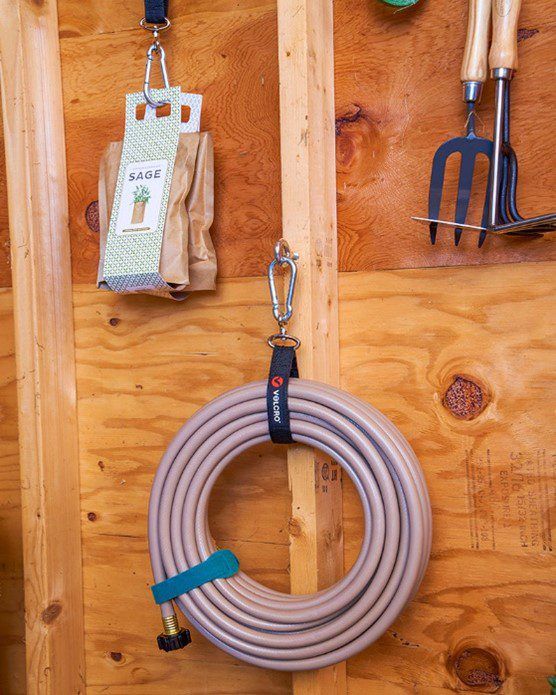
- Coil in wide loops. Aim for loops about 2–3 feet across. Keep it flat and avoid tight bends that cause kinks.
- Secure the coil. Use soft ties or Velcro. Do not crush the hose with tight rope or zip ties.
- Protect the ends. Add end caps or a small piece of tape to keep dust and bugs out.
- Check washers and lube threads. Replace worn washers. Add a thin film of silicone-safe lube to threads and O-rings.
- Store indoors and elevated. Keep it in a garage, basement, or shed that stays above freezing and out of sun.
- Winterize the spigot. Remove hoses from outdoor faucets. Drain the line. Close the shut-off valve indoors if you have one.
If you want a one-line reminder of how to store garden hoses for the winter, it is this: drain fully, coil loosely, and store dry in a frost-free place.
Best storage locations and methods
The best spot is dry, dark, and above freezing. Think of it like storing a good garden tool.
- Garage wall on two hooks to spread weight
- Basement shelf in a wide coil or on a reel
- Insulated shed, not on the floor, and away from rodent traffic
- Indoor closet in a bin if outdoor space is tight
Avoid sunny windows, hot boiler rooms, or concrete floors that wick moisture. Airflow helps. If your shed dips below freezing, insulate the wall and raise the hose high. This is a key part of how to store garden hoses for the winter in cold zones.

Special considerations by hose type
Not all hoses act the same in cold. Adjust your plan for the type you own.
- Rubber hoses handle cold better but are heavy. Coil wide to avoid strain.
- Vinyl hoses get stiff in frost. Warm them a bit before coiling and store indoors.
- Expandable fabric hoses must be drained fully. Do not store them under tension or on tight reels. Keep them in a bag or bin.
- Soaker hoses clog if dirt dries inside. Flush well, drain, and store flat or in a loose coil.
- Drinking-water-safe hoses need a vinegar rinse and a dry coil to prevent taste issues.
- Coil hoses should be hung on a large hook with wide support, not pinched.
Note fittings and nozzles too. Replace worn washers now. Lubricate O-rings. Label hose lengths with a tag, so spring setup is fast. When people ask how to store garden hoses for the winter with quick-connects, I tell them: remove, drain, and cap both sides.

What to do if you forgot before a freeze
It happens. If a cold snap hits while your hose is outside, do this.
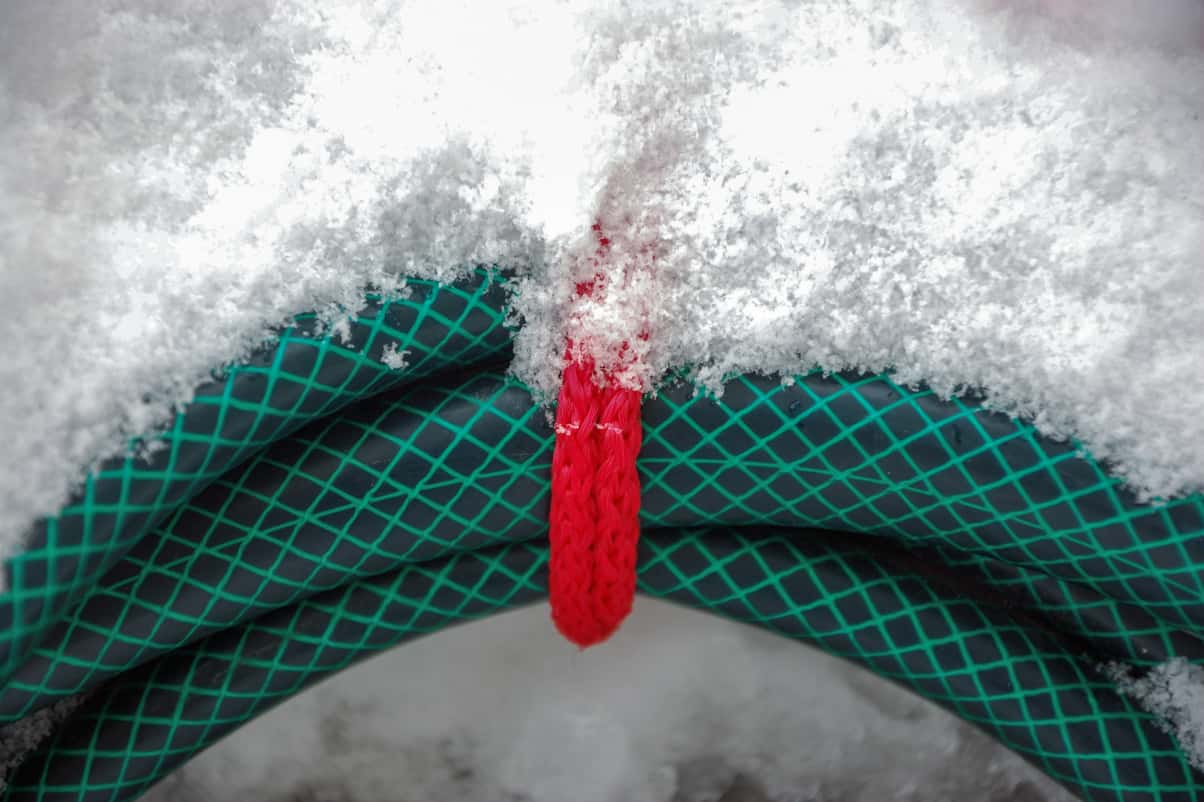
- Bring the hose into a warm area to thaw. Do not force bends while it is stiff.
- Once thawed, drain and blow out water. Check for blisters, cracks, or bulges.
- Pressure test in spring at low flow first. If you see leaks, replace washers or cut out the damaged section and add a repair coupling.
If an outdoor spigot was left with a hose attached, watch for leaks inside the wall when you turn water back on. Call a pro if you see water stains. This is why learning how to store garden hoses for the winter also protects your plumbing.

Common mistakes to avoid
A few small errors shorten hose life. Skip these and your gear will last.
- Leaving even a small pool of water in the hose
- Coiling too tight or storing with sharp kinks
- Keeping hoses on the ground where they freeze to ice
- Storing next to a furnace or in direct sun
- Forgetting to remove the hose from a frost-free spigot
- Using high air pressure that stretches the hose walls
When asked how to store garden hoses for the winter without damage, I always stress one thing: loose coils and dry storage.

Maintenance and spring setup
When the last frost passes, bring your hose back to life.
- Uncoil on a mild day. Let the hose relax and warm a bit.
- Inspect fittings and washers. Replace any that look flat or cracked.
- Flush for a few minutes to clear dust and vinegar smell.
- Test nozzles and quick-connects. Lubricate threads if needed.
- Re-coil loosely on a reel or hooks after use to prevent kinks.
Doing this makes the next round of how to store garden hoses for the winter much easier. Good habits now save repairs later.

Eco-friendly repair and recycling
A worn hose is not always trash. Try a repair first.
- Cut out a cracked section and add a barbed repair fitting with clamps.
- Reuse metal ends on a new hose if threads are good.
- Upcycle old hose into tree ties, bucket handles, or drip guards.
- Most curbside programs do not accept hoses. Use a hardware store take-back or a specialty recycler.
When you master how to store garden hoses for the winter, you reduce waste and keep plastic out of landfills.
Frequently Asked Questions of how to store garden hoses for the winter
How often should I replace hose washers?
Check them every fall and spring. Replace if they are hard, cracked, or flat to prevent leaks.
Can I leave my hose on the reel during winter?
Yes, if you drain it fully and store the reel indoors. Keep coils wide and avoid tension that deforms the hose.
Do I need compressed air to winterize a hose?
Not always. Gravity draining works for most hoses, but gentle air helps with long runs and soaker hoses.
What is the best way to coil without kinks?
Use large, even loops and lay the hose flat as you coil. Avoid twisting your wrist and keep the hose in its natural curve.
Is it okay to store a hose in an unheated shed?
Only if it stays dry and above freezing. If it drops below freezing, insulate the space or bring the hose indoors.
Should I remove the hose from a frost-free spigot?
Always. Leaving a hose attached traps water and can burst the faucet inside the wall.
How do I clean a hose before storage?
Rinse with water and a splash of vinegar, then flush with clean water. Drain fully and let it air dry before coiling.
Conclusion
Winter care is simple: drain, coil wide, and store dry above freezing. Do these steps, and your hose, nozzles, and spigots will greet spring without leaks or cracks. Start today, teach the family the routine, and set a reminder before your first frost date.
If this helped, try the steps on one hose right now. Subscribe for more easy yard care guides, or drop a question below so we can dig in together.


