Mulch leaves by mowing them into small bits, then spread 1–3 inches.
If you’re asking how do you mulch leaves without stress, you’re in the right place. I’ve mulched leaves for years across small yards and big landscapes. This guide shares the exact steps, tools, and timing so you can turn fall leaves into free, nutrient-rich mulch with less work and better results.
What leaf mulching is and why it works
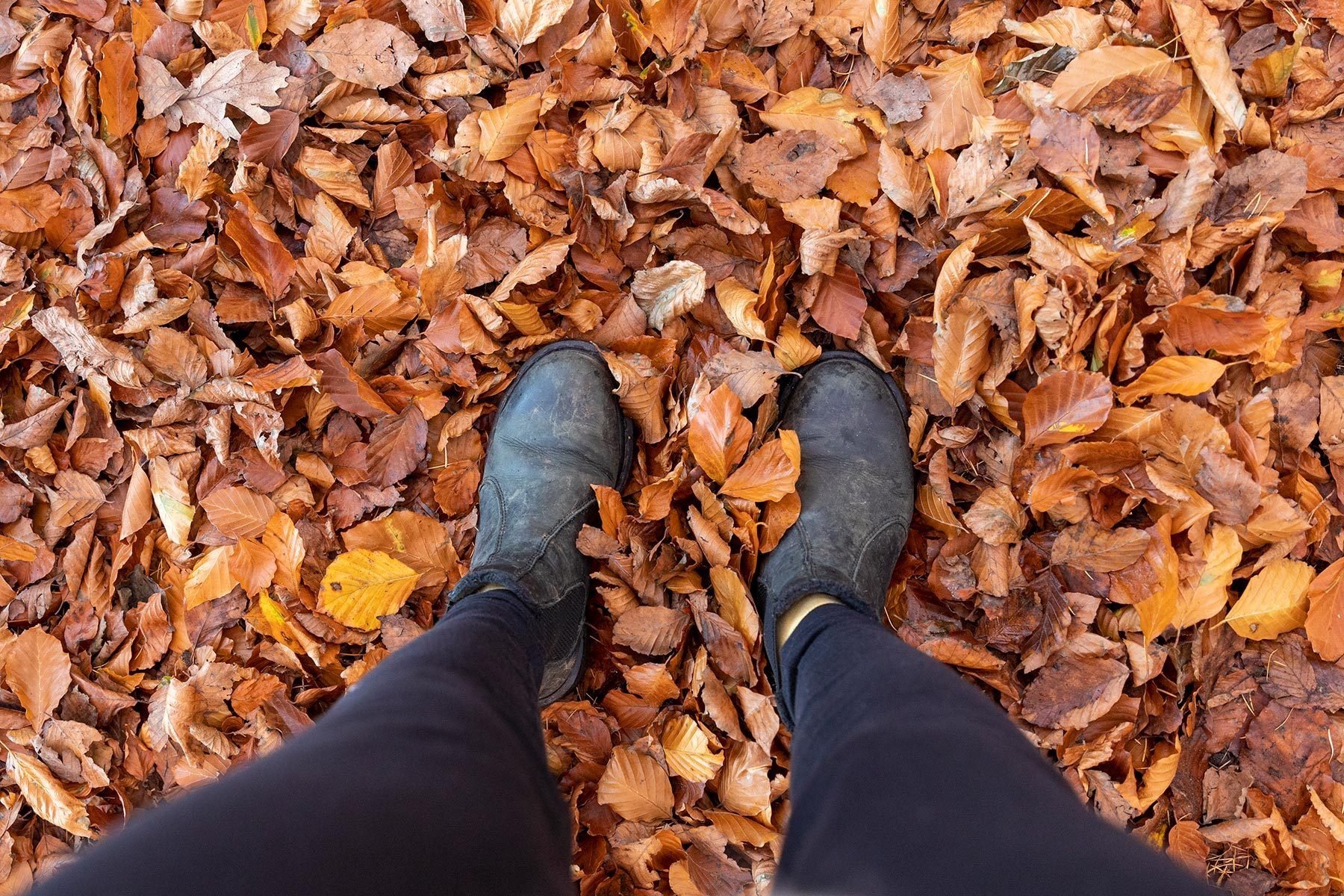
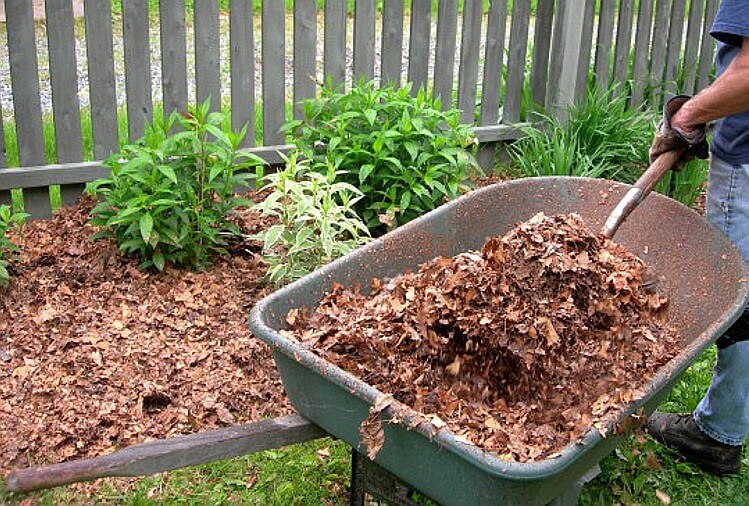
Leaf mulching means shredding fallen leaves and using them as a natural cover. The small pieces break down fast. They feed soil life, hold moisture, and block weeds.
On lawns, shredded leaves settle between blades. They do not smother grass when done right. In beds, a 2–3 inch layer keeps roots cool and steady through swings in weather.
Field trials and extension guidance agree on the wins. Mulched leaves improve soil texture and reduce waste. You save money and skip hauling heavy bags.

Tools you need to mulch leaves
You can mulch with basic tools you already own. Fancy gear helps, but it is not required.
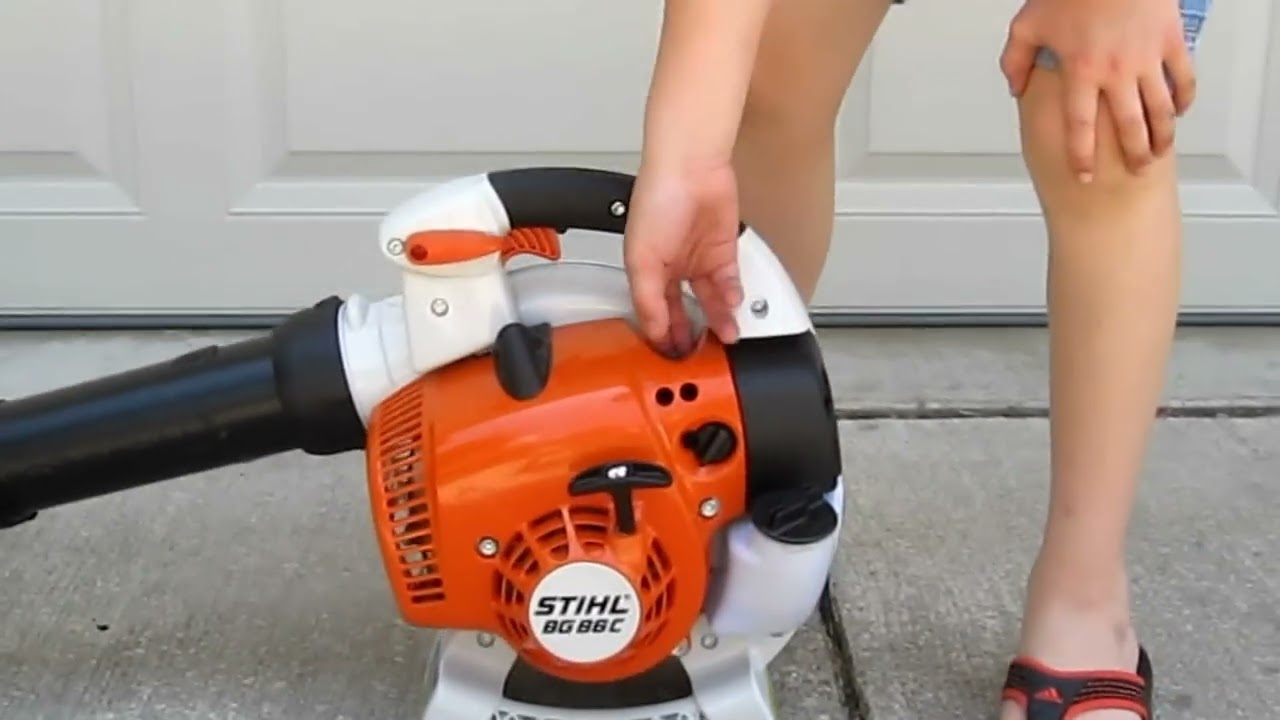
- Mulching mower or a regular mower with the mulch plug installed
- Sharp blade, preferably high-lift or a mulching blade
- Rake or blower to gather heavy drifts
- Bagger attachment if leaf volume is extreme
- Leaf shredder or string trimmer inside a bin for bagged leaves
- Safety gear: eye protection, hearing protection, and a dust mask if leaves are moldy
Pro tip: Keep a spare blade. Sharp blades shred cleaner, which prevents clumps.
Step-by-step: how do you mulch leaves on the lawn
Here’s the simple way I teach neighbors who ask, “how do you mulch leaves on a lawn?”
- Check moisture. Leaves should be dry or slightly crisp. If soggy, wait for a sunny window.
- Set mower high. Start around 2.5–3 inches so grass still shows above the leaf bits.
- Close the mulch plug. If you have a bagger, remove it so clippings recirculate.
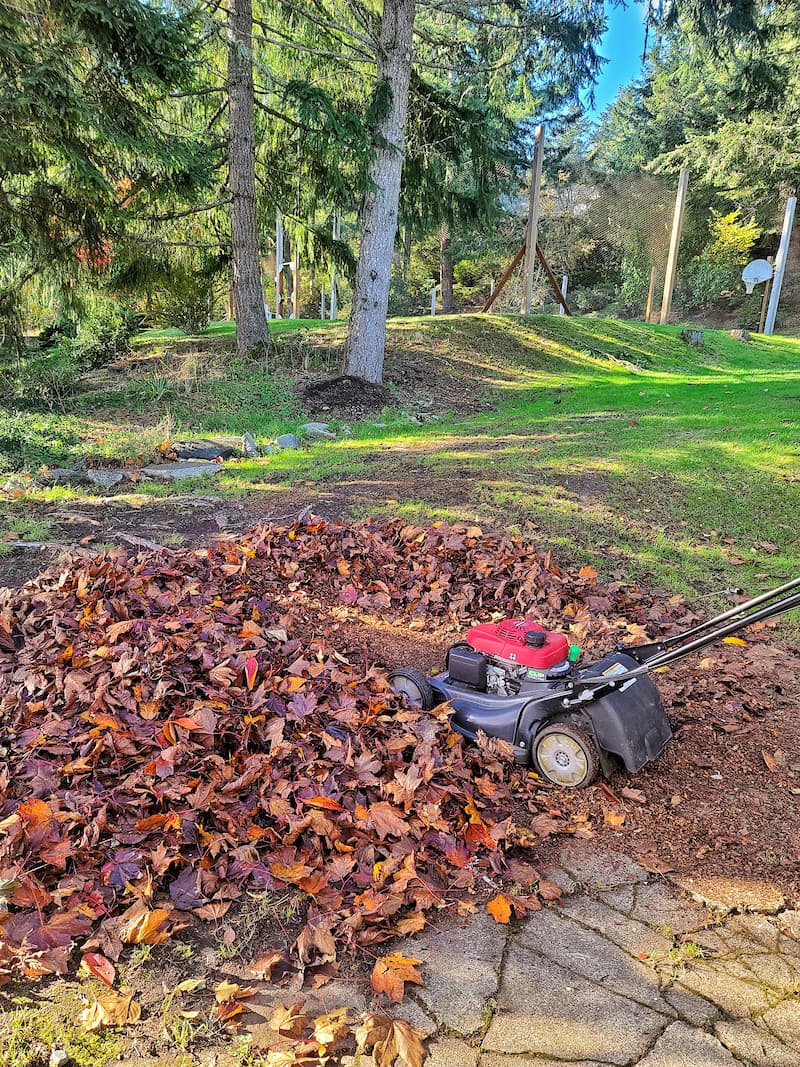
- Make a first pass. Go slow. Overlap your path to chop the pieces small.
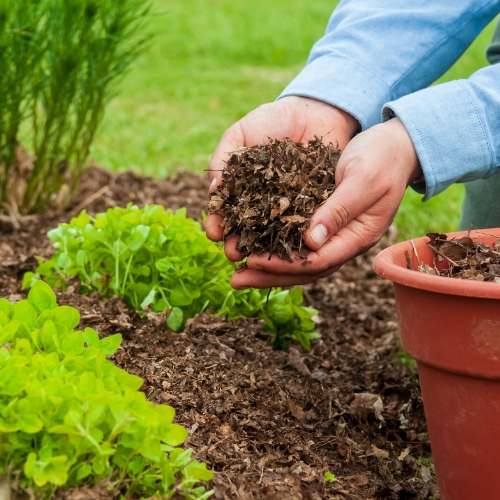
- Cross-cut. Make a second pass at a right angle. Pieces should be dime to nickel size.
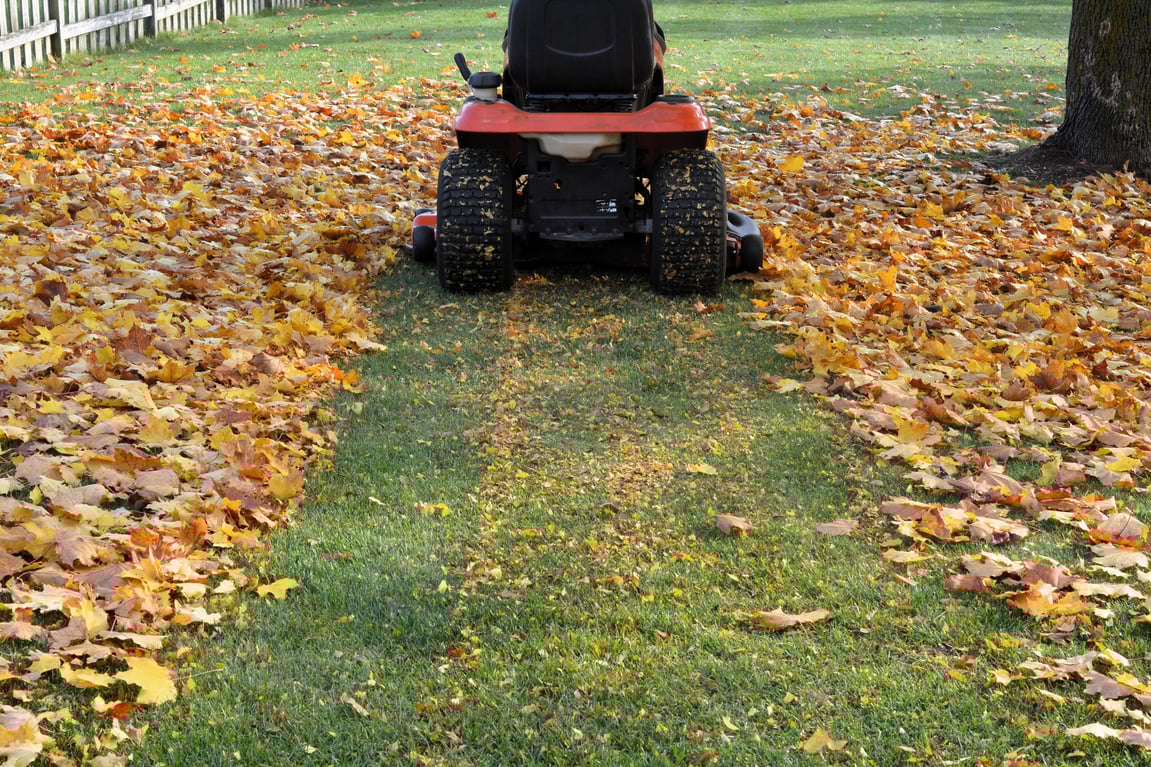
- Check depth. Aim for less than 1 inch of shredded leaves sitting on the turf.
- If it’s still thick, make one more pass or bag and use in beds or compost.
When folks ask how do you mulch leaves with a regular mower, this is it. The secret is multiple passes and dry leaves. Your lawn should look speckled, not buried.
Step-by-step: how do you mulch leaves for garden beds and compost
If you wonder how do you mulch leaves for beds and compost, use this plan.
For garden beds:
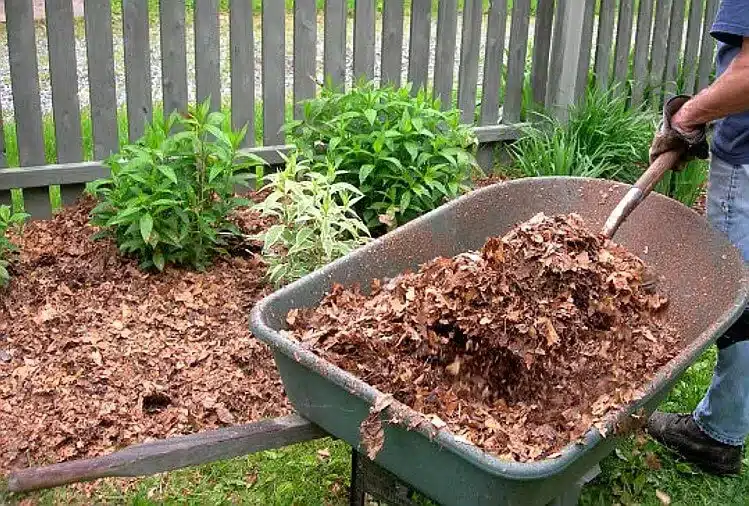
- Shred first. Mow, shred, or string-trim in a bin to make small pieces.
- Weed and water. A damp soil under mulch holds moisture better.
- Spread 2–3 inches. Keep mulch 2–3 inches away from stems and trunks.
- For trees, go wider. Cover the root zone but never touch the trunk flare.
For compost:
- Mix browns and greens. Use about two parts shredded leaves to one part greens like grass.
- Moisten like a wrung-out sponge. Too dry slows decay; too wet smells.
- Turn every 1–2 weeks. The pile heats faster and breaks down clean.
- Add a handful of soil or finished compost. It seeds helpful microbes.
This is my go-to when asked how do you mulch leaves for winter. Bed mulch guards roots. The compost pile turns extra leaves into rich, dark gold.
How much leaf mulch to use and when
Right rate:
- Lawn: After shredding, you should still see grass. If you get mats, bag extra.
- Beds: Spread 2–3 inches of shredded leaves. For trees, 3–4 inches is fine.
- Veggie rows: Start with 1–2 inches, then add more as it settles.
Best timing:
- Fall: Mulch as leaves drop. Do several light passes instead of one heavy pass.
- Spring: Top up beds after soil warms. Keep mulch off cold, wet soil early on.
- Before rain: Avoid mulching thick layers before a big storm. Wet mats can clump.
If you’re still unsure how do you mulch leaves at peak fall, pace your work. A few short sessions beat one long grind.

Common mistakes and how to avoid them
Avoid thick, wet mats. They invite mold and can smother turf. Shred dry leaves and do more than one pass.
Do not bury crowns. Keep mulch pulled back from plant stems. Airflow prevents rot and pests.
Skip diseased leaves. If you had leaf spots or blight, bag and dispose. Do not spread disease.
Mind allelopathic leaves. Fresh black walnut leaves can bother some plants. Compost them fully before use near sensitive crops.
About “acid leaves.” Oak leaves seem acidic, but as they break down, they trend neutral. Balance with other materials and you’re fine.
If your first try at how do you mulch leaves went wrong, it’s usually moisture or layer depth. Keep it thin and dry.
Troubleshooting and pro tips from experience
Here is what years of fall cleanups have taught me.
- Double-mow at right angles. Small bits break down faster and stay put in wind.
- Raise then lower. Start high for the first pass, then drop the deck one notch.
- Sharpen often. A sharp blade turns leaf edges to confetti. Dull blades tear and clump.
- Bag heavy drifts first. Then re-mulch what’s left into the lawn.
- Stockpile for later. Fill paper bags with shredded leaves for spring mulch.
- Use edges well. Tuck mulch under shrubs and along borders to block weeds.
The simplest answer to how do you mulch leaves is this: mow dry, chop small, and layer light. That rhythm works in any yard.

Environmental and soil benefits
A hidden win of how do you mulch leaves is less waste. You keep organic matter on site and cut hauling. That saves fuel and fees.
Shredded leaves feed soil life. Worms pull bits down. Microbes turn them into humus that boosts water holding and root health.
Turf trials show mulched leaves can reduce weeds and improve vigor. Extension guidelines note that leaf mulch returns key nutrients. That means less fertilizer and better soil over time.
I see it in my own beds. Each year, water needs drop a bit. Soil feels looser and warmer in spring. Plants bounce back from heat faster.
Safety and cleanup
Stay safe. Wear eye and ear protection. Use a dust mask if leaves are moldy.
Scan for sticks, rocks, and pet toys before you mow. Keep kids and pets indoors while you work.
After mulching, clean the mower deck. Dry buildup hurts airflow and cuts poorly. Store extra shredded leaves in breathable bags, out of the rain.
If you still wonder how do you mulch leaves in windy places, weigh the layer with a light mist or use a top dress of wood chips along edges.
Frequently Asked Questions of how do you mulch leaves
How do you mulch leaves without a mulching mower?
Use a regular mower with the mulch plug installed and take two or three passes. Go slow and shred when leaves are dry to avoid clumps.
How do you mulch leaves in wet conditions?
If leaves are damp, wait for midday sun or a breezy window. If you must mow, raise the deck and take extra passes to prevent mats.
How do you mulch leaves and avoid killing grass?
Keep the shredded layer thin so grass blades still show. If it looks thick, bag some and use it in beds or compost.
How do you mulch leaves for compost fast?
Shred leaves small, mix two parts leaves with one part greens, and keep the pile moist like a wrung sponge. Turn weekly to add air and speed heat.
How do you mulch leaves around trees safely?
Spread 3–4 inches across the root zone but keep mulch off the trunk flare. Leave a bare ring of a few inches around the bark.
How do you mulch leaves if you have a lot of oaks or maples?
Shred them well and layer 2–3 inches in beds. Mix with grass clippings or compost to balance nutrients and speed decay.
How do you mulch leaves and reduce weeds?
Apply a consistent 2–3 inch layer in beds and refresh as it settles. Keep gaps tight around plants so light cannot reach weed seeds.
Conclusion
Mulching leaves is simple: shred dry leaves, spread a light layer, and let nature do the rest. You save time, build soil, and cut waste with every pass of the mower. If you came here asking how do you mulch leaves the easy way, now you have a clear path.
Start with one part of your yard this week. Try the steps, avoid the common mistakes, and watch your soil improve. Want more hands-on tips? Subscribe, ask a question in the comments, or share your results so we can grow better yards together.