Use the right crops, timing, and covers to push harvests for months longer.
If you want to know how to extend vegetable harvest season, you are in the right place. I garden in a four-season climate and still pick fresh food most of the year. In this guide, I will show you what works, why it works, and how to avoid the mistakes that waste time and money. We will dig into tools, timing, soil, and simple habits that stretch your supply of greens, roots, and fruits well beyond the usual window.

Start With Smart Planning
Plant choice sets the stage. Choose early, mid, and late varieties of the same crop to create a steady flow. Mix fast crops like radish and lettuce with long-season crops like tomatoes and winter squash.
Map days to maturity. Count back from your first frost date for fall crops. Count forward from your last frost for spring crops. This gives you clear windows to sow again.
Use a simple sowing plan. Every 2 to 3 weeks, sow a small patch. This is the easiest way for how to extend vegetable harvest season without spending much. I tape my sowing dates inside the garden shed door so I never forget.
- Choose cold-hardy winners for spring and fall: spinach, kale, mache, carrots, beets.
- Choose heat lovers for mid-summer: tomatoes, peppers, cucumbers, squash.
- Choose storage champs for winter: winter squash, potatoes, onions, dry beans.

Build a Microclimate That Buys You Weeks
Warm spots matter. Raised beds warm fast in spring and drain well in fall. Plant near south-facing walls or fences that reflect heat. Stone borders act like small heat batteries.
Cut wind to cut stress. Use fences, hedges, or even a row of sunflowers as a windbreak. Less wind means warmer plants and less water loss.
Mulch helps in heat and cold. In summer, mulch cools roots. In fall, mulch keeps soil warmer at night. This simple move supports how to extend vegetable harvest season without extra gear.
- Place tender crops in your warmest bed.
- Orient beds north to south for even sun.
- Use dark compost on top in spring to warm soil.
Season-Extension Tools That Work
Small structures can add weeks. They trap heat, block wind, and shed frost. Use them early and late, then store them when the weather settles.
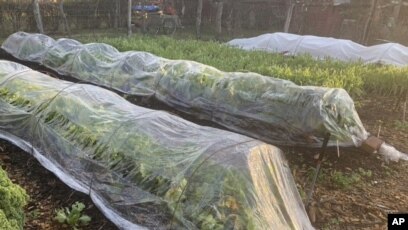
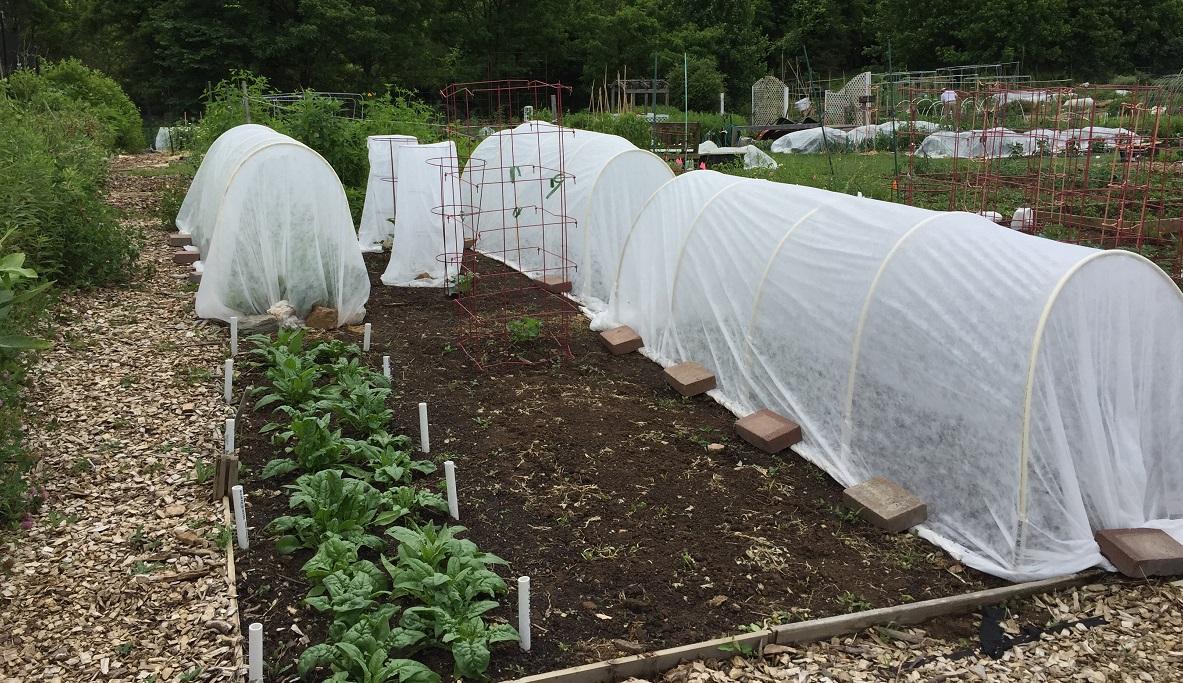
Low tunnels and row covers
Low tunnels are hoops with fabric on top. Floating row cover is light and adds 2 to 6°F of protection. Choose 0.5 to 1.0 oz per square yard for frost. Heavier fabric gives more warmth but less light.
- Secure edges tight to stop heat leaks.
- Vent on sunny days to avoid heat build-up.
- Remove covers when crops bloom if pollinators need access.
Cold frames and cloches
Cold frames are mini greenhouses. A clear lid over a short box warms the air and soil. Angle the lid to the south. Open the lid on bright days.
Cloches protect single plants. Use clear jugs with bottoms cut off. They boost warmth for peppers and early tomatoes.
These tools are a core part of how to extend vegetable harvest season. They cost little and pay back fast.
Succession Planting and Interplanting
Stagger your sowings. Do a new row of lettuce every 10 to 14 days. Sow carrots every 3 weeks until late summer. Replant when a bed opens. Do not leave bare soil.
Pair fast and slow crops. Plant radishes between young broccoli. Plant spinach under trellised cucumbers. The quick crop finishes as the slow crop fills in.
I plan successions with a simple note: crop, sow date, expected pull date. This habit makes how to extend vegetable harvest season feel easy rather than complex.
- Use cut-and-come-again greens to refill salads weekly.
- Follow peas with bush beans for a smooth handoff.
- After early potatoes, sow fall carrots or beets.

Soil Health and Nutrition for Continuous Harvest
Healthy soil gives steady growth through stress. Add compost each season. It feeds soil life and improves water balance. Your crops will handle heat and cold better.
Use slow, gentle feeding. Organic fertilizers release over time. Avoid heavy nitrogen late in the season for fruiting crops. It can push leaves instead of fruit.
Plant cover crops where you can. Buckwheat in summer, oats in fall, or clover between rows. They protect the soil and add organic matter.
Strong soil is the quiet engine behind how to extend vegetable harvest season. It is your most reliable tool.
- Top-dress with compost mid-season.
- Keep soil covered with mulch or living roots.
- Rotate crops to reduce disease pressure.
Watering Strategy for Heat and Cold
Water sets the pace. Deep, rare watering grows deep roots. Shallow, frequent watering makes weak plants. Aim for one inch per week, more in heat.
Water in the morning. Leaves dry fast. Less disease, better growth. In heat waves, add a second light watering mid-afternoon if needed.
Moist soil holds heat at night. That small buffer protects roots from early frosts. It also helps how to extend vegetable harvest season when nights swing cold.
- Use drip lines for steady moisture.
- Mulch to cut evaporation by half or more.
- Check soil with your fingers. Adjust, do not guess.
Frost, Heat, and Pest Management
Before a light frost, water the soil and cover plants. Moist soil stores heat. Use row cover or plastic on hoops. Do not let plastic touch leaves. Uncover when the sun returns.
In heat, use shade cloth. A 30 to 50 percent cloth can cool plants by several degrees. Move harvests to early morning for crisp greens and better flavor.
Late season pests surge as natural enemies fade. Scout twice a week. Knock aphids off with water. Use insect netting for cabbage worms. Keep beds clean to lower slug and disease risk. These moves support how to extend vegetable harvest season when pressure rises.
- Remove weak plants that invite pests.
- Spray neem or insecticidal soap only when needed.
- Keep tools clean to limit disease spread.
Harvest and Storage to Stretch Fresh Eating
Pick at the right stage. For greens, harvest outer leaves and let the center grow. For beans and cucumbers, pick often to keep plants producing.
Cure and store well. Cure winter squash and onions in warm, dry air. Store at the right temps later. Keep roots in the ground under a thick mulch. I have pulled sweet carrots from frozen beds in January.
Use your space and your time. A spare fridge or a cool basement can hold a lot. Good storage is a big part of how to extend vegetable harvest season.
- Ripen green tomatoes indoors in a single layer.
- Store potatoes in the dark to prevent greening.
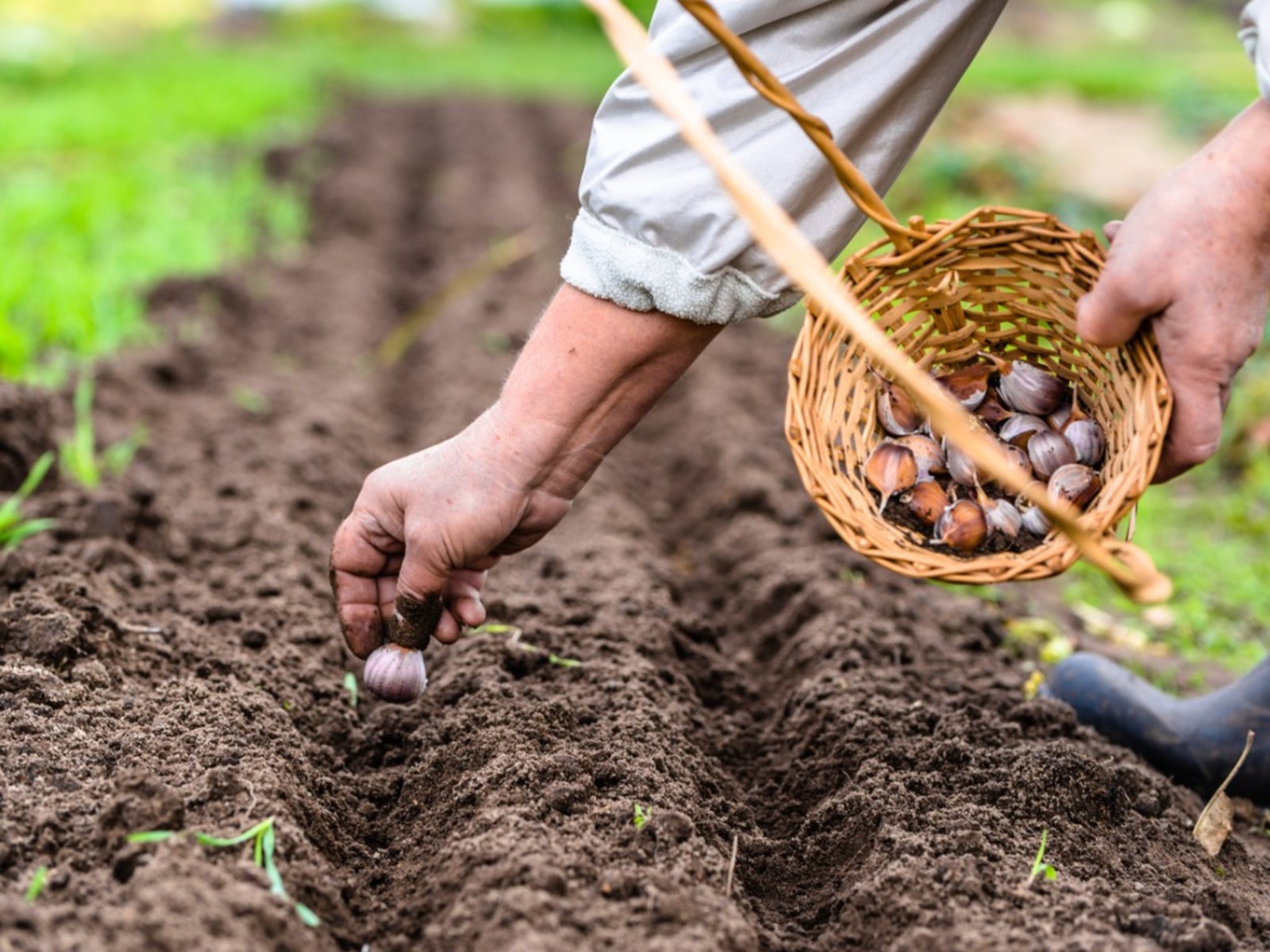
- Keep humidity high for roots, low for onions and garlic.
A Month-by-Month Roadmap
January to February
- Plan successions and order seeds.
- Start onions, leeks, and early greens indoors.
- Check tools, covers, and seed-starting gear.
March to April
- Warm beds with clear plastic for two weeks, then sow.
- Set out hardy greens under row cover.
- Start tomatoes and peppers indoors.
May to June
- Plant heat lovers after frost.
- Add mulch to lock in moisture.
- Sow a second round of beans and cucumbers.
July to August
- Start fall crops: carrots, beets, kale, broccoli.
- Add shade cloth in heat waves.
- Keep drip watering steady.
September to October
- Cover beds on cool nights.
- Sow spinach and mache for winter.
- Cure squash and onions after harvest.
November to December
- Use low tunnels for hardy greens.
- Mulch root beds for in-ground storage.
- Review notes and refine how to extend vegetable harvest season for next year.
Frequently Asked Questions of how to extend vegetable harvest season
What are the easiest crops to extend into fall?
Focus on cold-tolerant greens and roots. Spinach, kale, carrots, beets, and mache do very well with light cover.
How much warmth do row covers add?
Light covers add about 2 to 4°F. Heavier covers can add up to 6°F but reduce light a bit.
Can I extend summer crops like tomatoes and peppers?
Yes, for a short time. Use low tunnels or frost cloth on cold nights and harvest before a hard frost.
How often should I sow for steady lettuce?
Every 10 to 14 days in spring and early fall. In peak summer heat, switch to heat-tolerant varieties and offer afternoon shade.
Do raised beds really help with season extension?
Yes. They warm faster in spring, drain better in fall, and pair well with hoops and covers for how to extend vegetable harvest season.
Conclusion
You can push your harvest for months with smart timing, simple covers, and steady care. Choose the right crops, stack successions, and protect your beds from wind, cold, and heat. Strong soil and good storage do the rest.
Start small this week. Add a low tunnel, make a sowing schedule, and mulch your beds. You will learn fast and enjoy fresh food longer. If this helped, subscribe for more garden guides or share your own tips in the comments.