How To Mix Gas For Leaf Blower: Easy 2-Stroke Guide 2026
Getting the fuel mix right for your gas leaf blower is the single most important thing you can do for its lifespan. Get it wrong, and you’ll be dealing with hard starts, heavy smoke, or a scored piston that means a costly repair or replacement. The good news? It’s a simple process once you know your ratio, use the right products, and follow a few consistent steps. Here’s your complete, no-nonsense guide to mixing 2-stroke fuel in 2026.
Know Your Engine and the Correct Mix Ratio
Before you even pick up a gas can, you need to know exactly what kind of engine is under the housing. This is the step where most problems are either avoided or created. For more on this, see our guide on how to mix oil and gas for leaf.
2-Cycle vs. 4-Cycle Engines
Most handheld leaf blowers on the market are 2-cycle (or 2-stroke) engines. These engines are lightweight, powerful for their size, and require oil to be mixed directly into the gasoline. This oil is the engine’s only source of lubrication, so it’s not optional; it’s vital.
However, some blowers, typically larger backpack models or those from specific brands, are 4-cycle (or 4-stroke) engines. These have a separate oil reservoir, much like your car. If you pour mixed fuel into a 4-cycle engine, you’ll cause serious damage. For more on this, see our guide on how to mix gas for a leaf blower.
Here’s how to tell the difference:
- Check the fuel cap: 2-cycle engines usually have a single fuel cap. 4-cycle engines will have one cap for fuel and a separate, clearly marked cap for engine oil.
- Look for the oil fill: If you see a dipstick or an oil fill cap on the engine block, it’s a 4-cycle.
- Read the manual or decal: The manufacturer will clearly state the fuel type and, if it’s a 2-cycle, the exact mix ratio on a sticker near the fuel tank.
There’s also a hybrid “4-MIX” engine from some brands that uses a 2-stroke-style fuel mix but has a different internal design. When in doubt, always defer to your owner’s manual.
The Most Common Ratios: 50:1, 40:1, and 32:1
The mix ratio is the proportion of gasoline to oil. The most common ratio for modern leaf blowers is 50:1, which means 50 parts gasoline to 1 part oil. This is a leaner mix that meets today’s emissions standards while still providing ample lubrication for most engines. For more on this, see our guide on how to mix oil and gas for a.
Older models or those designed for heavy-duty, continuous use might require 40:1 or 32:1. A 32:1 mix has more oil in it, which provides a greater margin of lubrication for engines that run hot or have looser tolerances. Some manufacturers also recommend a richer mix (like 32:1) for the first few hours of a new engine’s break-in period.
The golden rule: The ratio on the blower’s decal or in its manual is the only one that matters for your specific model. Don’t assume. For more on this, see our guide on how to mix gas and oil for a.
Tools and Supplies You Will Need
Having the right equipment on hand makes the job faster and prevents mistakes. You’ll need:
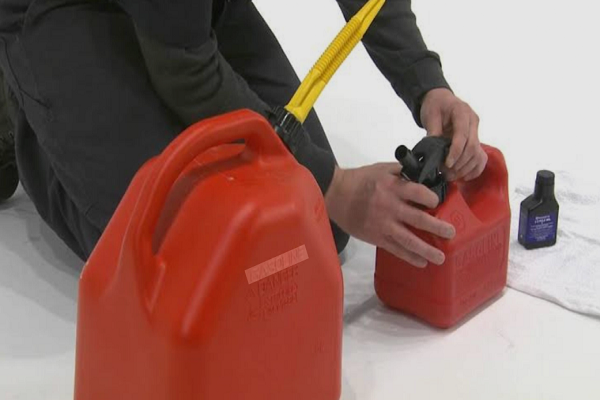
- An approved, clean fuel can: Use a metal or plastic container specifically designed for gasoline. Make sure it’s empty and has no residual debris inside.
- Fresh, unleaded gasoline: Use 87+ octane gas. Do not use fuel with more than 10% ethanol (E15 or E85). Ethanol attracts moisture and can damage small engine components over time.
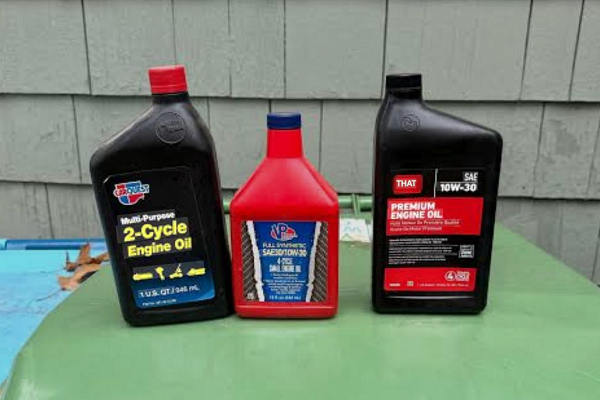
- High-quality 2-cycle oil: This is not the same as motor oil. Look for oil specifically labeled for air-cooled 2-cycle engines and ideally meets JASO FD or ISO-L-EGD standards. These high-performance oils offer excellent lubrication and help prevent carbon buildup.
- A measuring cup or pre-measured oil bottles: Precision is key. A dedicated plastic measuring cup with ounce and milliliter markings is best. Pre-measured oil bottles that contain exactly the right amount for a gallon of gas at a specific ratio are incredibly convenient and remove the guesswork.
- A funnel: To avoid spills when pouring oil and gas into the can.
- Nitrile gloves: To protect your skin from fuel and oil.
- A permanent marker and tape: For labeling the can with the ratio and date.
Step-by-Step: How to Mix Gas for a Leaf Blower
Here’s the correct order of operations. This method minimizes the chance of a mistake and ensures the oil fully disperses.
- Confirm the Ratio: Look at the decal on your blower or in the manual. Note the required ratio (e.g., 50:1) before you start.
- Prepare Your Can: Place your clean, empty fuel can on a stable, level surface on the ground. Never mix fuel on the bed of a truck or any surface where a static spark could occur.
- Measure and Pour the Oil First: Using your measuring cup or a pre-measured bottle, add the correct amount of 2-cycle oil to the empty can. Pouring the oil in first is a standard practice that helps it mix more easily when the gas is added. Check the table below for the correct amount.
- Add the Gasoline: Carefully pour your fresh gasoline into the can until you reach the desired volume.
- Mix Thoroughly: Cap the can tightly and give it a good shake for 10–15 seconds. This is critical for ensuring the oil is fully suspended in the gas, not just floating on top.
- Label the Can: This is a crucial step that’s often skipped. Use your marker and tape to write the mix date and ratio on the can, like “50:1 – 3/1/26”. This prevents accidental use of the wrong fuel later on.
- Fill Your Blower: Use a funnel to fill the blower’s fuel tank, taking care not to overfill. Wipe up any spills immediately.
Easy Measuring Guide: No Math Stress
You don’t need to be a mathematician to get this right. Here are the exact measurements for the most common ratios.
| Mix Ratio | Gasoline | 2-Cycle Oil |
|---|---|---|
| 50:1 (Most Common) | 1 US Gallon | 2.6 oz (77 ml) |
| 2 US Gallons | 5.2 oz (154 ml) | |
| 40:1 (Older Models) | 1 US Gallon | 3.2 oz (95 ml) |
| 2 US Gallons | 6.4 oz (189 ml) | |
| 32:1 (Heavy-Duty/Break-In) | 1 US Gallon | 4.0 oz (118 ml) |
| 2 US Gallons | 8.0 oz (237 ml) |
Pro Tip: Many manufacturers sell pre-measured oil bottles specifically sized for a 50:1 mix with one gallon of gas. These are a foolproof option. For larger batches, a mixing bottle with built-in ratio markings is a worthwhile investment.
Safety, Storage, and Fuel Quality Tips
How you handle and store your fuel mix is just as important as making it correctly.
Safe Mixing and Handling
- Always work outdoors in a well-ventilated area. Gasoline fumes are harmful to inhale.
- Keep away from all sources of ignition, including pilot lights, sparks, and power tools.
- Wear gloves and safety glasses to protect yourself from splashes.
- Never mix fuel directly in the blower’s tank. Always use a separate, approved container.
Maximizing Fuel Shelf Life
Mixed fuel is perishable. Its performance degrades over time as the volatile components in the gasoline evaporate.
- Mix only what you’ll use within 30 days. This is the best practice for optimal engine performance and easy starting.
- Use a fuel stabilizer if you need to store the mix for up to 90 days. Stabilizers slow down the chemical breakdown of the fuel.
- Store in a cool, dry, and well-ventilated area away from direct sunlight. Never store gasoline in your basement or near a water heater.
- Consider an ethanol-free fuel like TruFuel. While more expensive, it has a much longer shelf life and is less prone to absorbing moisture from the air, which can cause corrosion and gummed-up carbs. This is an excellent choice for occasional users.
Troubleshooting Bad Mix Symptoms
If you’ve made a mistake with your fuel mix, your blower will let you know. Here’s how to read the signs and fix the issue.
| Symptom | Likely Cause | The Fix |
|---|---|---|
| Hard Starting or No Start | Old/stale fuel, water in gas, or a ratio with too much oil that fouls the spark plug. | Drain the fuel tank and carburetor bowl. Refill with fresh, correctly mixed fuel. Consider replacing the spark plug. |
| Excessive Smoke, Bogging, Loss of Power | The mix is too “rich” (too much oil). The engine is struggling to burn the excess oil. | Drain the tank and refill with the correct ratio. Check and clean the air filter to ensure it isn’t soaked with oil. |
| Engine Runs Hot, “Pinging,” or High Idle | The mix is too “lean” (not enough oil). This is dangerous and can seize the engine. | Stop using the blower immediately. Drain the fuel and remix with the correct amount of oil. While you’re at it, check for air leaks in the fuel lines, which can also cause a lean condition. |
| Sticky Varnish or Strong, Sour Smell | The fuel is old and has begun to break down. | Safely dispose of the old fuel (check with your local waste management for collection sites). Refill with a fresh batch. |
Common Mistakes to Avoid
Knowing what not to do is half the battle. Here are the most frequent errors I see:
- Guessing the Ratio: “Eyeballing” it is a guarantee of trouble. Always measure precisely. A 50:1 mix is only 1.3 ounces of oil per half gallon of gas. Guessing will almost always lead to too little oil.
- Using Automotive Motor Oil: This is a critical mistake. Automotive oil is designed for 4-stroke engines and won’t burn cleanly in a 2-stroke, leading to rapid carbon buildup, fouled plugs, and premature engine wear. Only use high-quality 2-cycle oil.
- Mixing in the Blower’s Tank: Pouring unmixed gas and oil directly into the tank is a disaster waiting to happen. You’ll have no way to shake it thoroughly, and you risk running the engine on pure gas initially. Always pre-mix in a separate can.
- Using Stale Gas: Gas that’s been sitting for months loses its potency and can gum up your carburetor. Buy fresh fuel and mix small batches you can use quickly.
- Skipping the Label: This habit can lead to someone (including you a week later) accidentally putting already-mixed fuel in a 4-cycle machine or using it in a different tool, which can have disastrous consequences.
Brand-Specific Notes and Field Experience
While the 50:1 ratio is the industry standard for most manufacturers, it’s always a good idea to be brand-aware.
- Stihl, Echo, Husqvarna: These major brands currently specify a 50:1 mix for nearly all of their 2-cycle handheld equipment. Their branded 2-cycle oil is designed to work perfectly at this ratio.
- Older Models: If you’re using a leaf blower that’s more than 10-15 years old, double-check the fuel cap or decal. You might find it calls for a richer 40:1 or 32:1 mix. In this case, you must follow the older spec, as the engine’s bearings and tolerances were designed for it.
I’ve seen the consequences of guessing firsthand. A neighbor’s blower was smoking heavily and was nearly impossible to start. He was sure he had mixed the fuel correctly, but it turned out he had just poured in a splash of oil, resulting in an extremely rich mix. Once we drained the tank and refilled it with a properly measured 50:1 mix using a quality oil, the blower started on the second pull and ran perfectly. The fix was free, and the lesson was simple: precision is everything.
Frequently Asked Questions
What gas and oil should I use?
Use fresh, unleaded gasoline with an octane rating of 87 or higher. Avoid blends with more than 10% ethanol. Pair this with a high-quality 2-cycle oil designed for air-cooled engines, ideally meeting JASO FD or ISO-L-EGD standards.
What is 50:1 in ounces per gallon?
It is 2.6 fluid ounces of 2-cycle oil for every 1 US gallon of gasoline. Many oil brands sell convenient 2.6-ounce bottles precisely for this purpose.
Can I use regular motor oil instead of 2-cycle oil?
No, absolutely not. Automotive motor oil does not burn cleanly and will cause severe carbon deposits, fouled spark plugs, and eventually catastrophic engine failure. Use only oil explicitly formulated for 2-cycle engines.
How long does mixed gas last?
For optimal performance, use it within 30 days. With a high-quality fuel stabilizer, you can extend this to about 90 days, but fresh, properly mixed fuel is always the best for starting and engine health.
What if I mixed the wrong ratio?
The first step is to drain the gas tank completely. Then, fill it with the correct mix. If the engine was run on a lean mix and is now making knocking or pinging noises, stop using it immediately and have it serviced, as damage may have already occurred.
Is ethanol-free gas worth it?
Yes, especially for tools that sit idle for long stretches. Ethanol attracts water, which can lead to corrosion and gumming in your fuel system. Ethanol-free gas (often branded as “REC-90” or similar) is more expensive but is often worth the peace of mind and reliability, particularly for seasonal equipment.
Conclusion
Mixing gas for your leaf blower is a simple 5-minute task that has a massive impact on reliability and engine life. The secret is to be systematic: confirm your specific ratio, measure the oil precisely, use fresh gasoline, and always label your fuel can. By sticking to this routine and avoiding common errors, you’ll ensure your blower starts easily, runs efficiently, and lives a long, productive life. For more guidance on keeping your outdoor power equipment in top shape, learning about the different types of blowers available can be a great next step.