
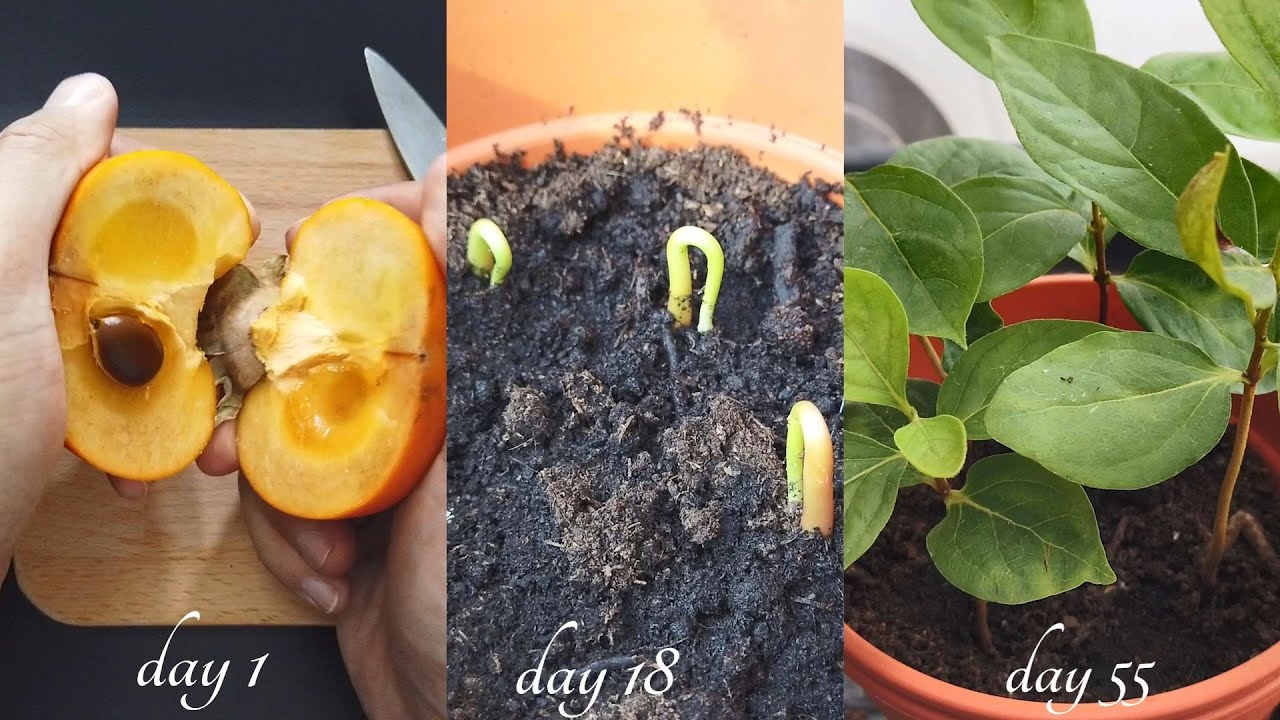
Soak, cold stratify 60–90 days, then plant deep, warm, and moist.
If you want a clear, tested guide on how to sprout a persimmon seed, you are in the right place. I have raised both Asian and American persimmon from seed for rootstock and for fun. Here, I explain the science, the simple steps, and the small details that make the big difference. Read on to learn how to sprout a persimmon seed with confidence and care.

What You Need Before You Start
Sprouting starts with the right seed. Seeds from fully ripe fruit have better vigor. Asian persimmon is Diospyros kaki. American persimmon is Diospyros virginiana. Both can sprout well with cold stratification.
Gather a few key items. You will need a zip bag, paper towel or vermiculite, a clean potting mix, and deep pots. A small amount of diluted hydrogen peroxide can help clean seeds. A fridge is needed for the cold period.
Set your goal. If you want fruit like the parent, you will need to graft later. Seedlings vary in fruit and tree traits. That is normal and part of the charm. It still helps you learn how to sprout a persimmon seed the right way.

Step-by-Step: How to Sprout a Persimmon Seed Indoors
-
Collect and clean
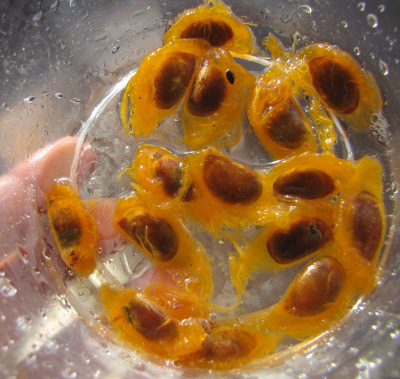
Remove seeds from a ripe fruit. Rinse well to remove all pulp. Soak in clean water for 24 hours. For extra safety, soak for 10 minutes in 3 percent hydrogen peroxide, then rinse. -
Check for quality
Pick seeds that are full and firm. Thin, flat, or cracked seeds often fail. A float test is not perfect. Use feel and look first. -
Cold stratify
Moisten paper towel, peat, or vermiculite until damp, not wet. Place seeds inside a labeled zip bag. Store at 34–41°F for 60–90 days. This step is key if you want to master how to sprout a persimmon seed. -
Watch and vent
Open the bag once a week for fresh air. If you see mold, rinse and replace the medium. When the root tip appears, move to pots. -
Pot and plant
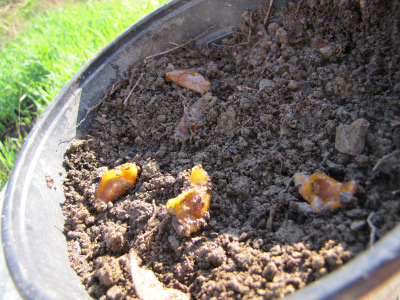
Use a deep pot. Fill with a sterile, well drained mix. Plant the seed 0.5–1 inch deep with the root tip down. Water to settle the mix. -
Warmth and light
Keep the pot at 70–75°F. Light is not needed until the shoot emerges. Then give bright, indirect light. Keep soil moist but never soggy. -
Early care
When the first true leaves form, feed lightly with a balanced, dilute fertilizer. Do not disturb the roots. Persimmon makes a fast tap root.
This simple plan is my go-to method for how to sprout a persimmon seed. It is steady, easy to repeat, and kind to the seed.
Cold Stratification, Explained
Cold stratification copies winter in nature. It breaks seed dormancy. For persimmon, 60–90 days at fridge temps works best. Many studies and grower trials support this range.
Moisture must be right. Too wet invites mold and rot. Too dry stalls the seed. Aim for a wrung-out sponge feel. The seed should not sit in free water.
Warm-cold-warm cycles can help hard cases. Some growers do two weeks warm, eight weeks cold, then warm again. This can mimic fall, winter, and spring. It can boost tricky batches.
If you ask experts how to sprout a persimmon seed with high success, they will point to clean seed, a steady cold window, and patience. That is the core.

Soil, Containers, and Light
Use a sterile, airy mix. A blend of peat or coco, perlite, and bark works well. Aim for pH near neutral. Good drainage is key to avoid damping off.
Choose tall pots. Tree pots or deep cells let the tap root grow straight. Short pots can kink the root. Later growth can stall if the root twists.
Light should be bright but gentle at first. A small LED grow light 12–16 inches above the plant works well. Keep a light breeze from a fan to dry leaf surfaces.
Many new growers ask how to sprout a persimmon seed without root issues. The answer is to start right with a deep pot and a clean, loose mix.
Timeline, Growth Milestones, and Early Care
Weeks 0–1: Clean and soak the seeds. Set up cold stratification. Keep notes on dates.
Weeks 2–10: Keep seeds cold and moist. Vent once a week. Most seeds need the full window.
Weeks 10–14: Move sprouted seeds to warm pots. Shoots should show in two to six weeks. Keep soil evenly moist.
Weeks 14–20: Add gentle light and light feed. When plants have two to three true leaves, up-pot with care. Avoid root damage.
This simple path is the backbone of how to sprout a persimmon seed at home. Stay patient. The seed knows the rhythm.

Troubleshooting: Why Seeds Fail to Sprout
Mold in the bag
Rinse seeds, refresh the medium, and add more air flow. Reduce moisture slightly. Clean tools and hands before handling.
No sprout after 90 days cold
Give two to four more weeks cold. Some seeds run slow. Try a warm two-week rest, then return to cold.
Seed rots in pot
Likely overwater or heavy soil. Use a lighter mix and water less often. Ensure pots drain well.
Seedling wilts and falls
This is damping off. Improve air flow, reduce water, and use sterile mix. A small fan helps a lot.
If you get stuck, review each step of how to sprout a persimmon seed. Small tweaks often fix the issue.

From Seed to Sapling: Transplanting and First Year Care
Transplant when roots fill the pot but are not circling. Slide the plug out. Do not tease roots on persimmon. Keep the tap root straight.
Harden off before full sun. Give 7–10 days outside for a few hours each day. Increase time and light slowly. Watch wind and cold snaps.
Water deep but not often. Let the top inch dry between drinks. Feed lightly in spring and mid summer. Stop feeding late in the season.
American persimmon handles cold zones better. Asian types need warmer zones. Both need sun for best growth. Good care here supports every part of how to sprout a persimmon seed to a strong young tree.

Expectations: Genetics, Sex, and Fruiting Time
Seedlings vary. Fruit size, taste, and astringency can change. That is the nature of seed-grown trees. Many are fine, some are great.
Sex matters. American persimmon is often male or female. You may need more than one for fruit. Asian persimmon can bear on its own, but traits still vary.
Fruiting takes time. Expect three to eight years. Many growers use seedlings as rootstock. You can graft a known variety later. This is a smart path if your goal is fruit quality.
With this lens, how to sprout a persimmon seed is not only a germination trick. It is the first step in long term orchard craft.
My Hands-On Lessons and Pro Tips
Start more seeds than you think you need. I aim for two to three times my target count. Some will fail, and that is fine.
Label with dates and species. It is easy to mix up batches in the fridge. Notes help you time the next steps and see patterns over years.
Use deep pots from day one. This one change raised my success rate a lot. The tap root stays straight. The plant grows faster and is easier to plant out.
Keep the fridge clean. I wipe the shelf with a mild bleach mix before the bags go in. Mold dropped a lot after this step. These small habits make how to sprout a persimmon seed feel easy.
Frequently Asked Questions of how to sprout a persimmon seed
Do I need to cold stratify persimmon seeds?
Yes, most persimmon seeds need 60–90 days at 34–41°F. This breaks dormancy and boosts sprout rates.
How deep should I plant the seed after stratification?
Plant 0.5–1 inch deep with the root tip down. Water once to settle soil and avoid air gaps.
Can I sprout seeds from store-bought fruit?
Yes, if the fruit had seeds and was fully ripe. Clean well, and follow the same steps for how to sprout a persimmon seed.
What temperature is best for germination after the cold period?
Keep pots at 70–75°F. This range speeds up growth and reduces stress.
How long until a sprouted seed becomes a tree that fruits?
Expect three to eight years, depending on species and care. Grafting a known variety can shorten and improve results.
Will a seed-grown tree be like the parent fruit?
Not always. Traits vary in seedlings, so fruit may differ in size, taste, and astringency.
Can I skip hydrogen peroxide when cleaning seeds?
Yes, water alone works if seeds are very clean. Peroxide just lowers mold risk during cold stratification.
Conclusion
You now have a clear, tested path for how to sprout a persimmon seed. Clean the seed, hold a steady cold phase, plant in a deep pot, and keep warm and moist. Protect the tap root, and be patient as the seedling settles in.
Turn this plan into action this week. Start a small batch, take notes, and refine your steps. If you found this guide helpful, subscribe for more how-to grow guides, or share your results and questions in the comments.


