
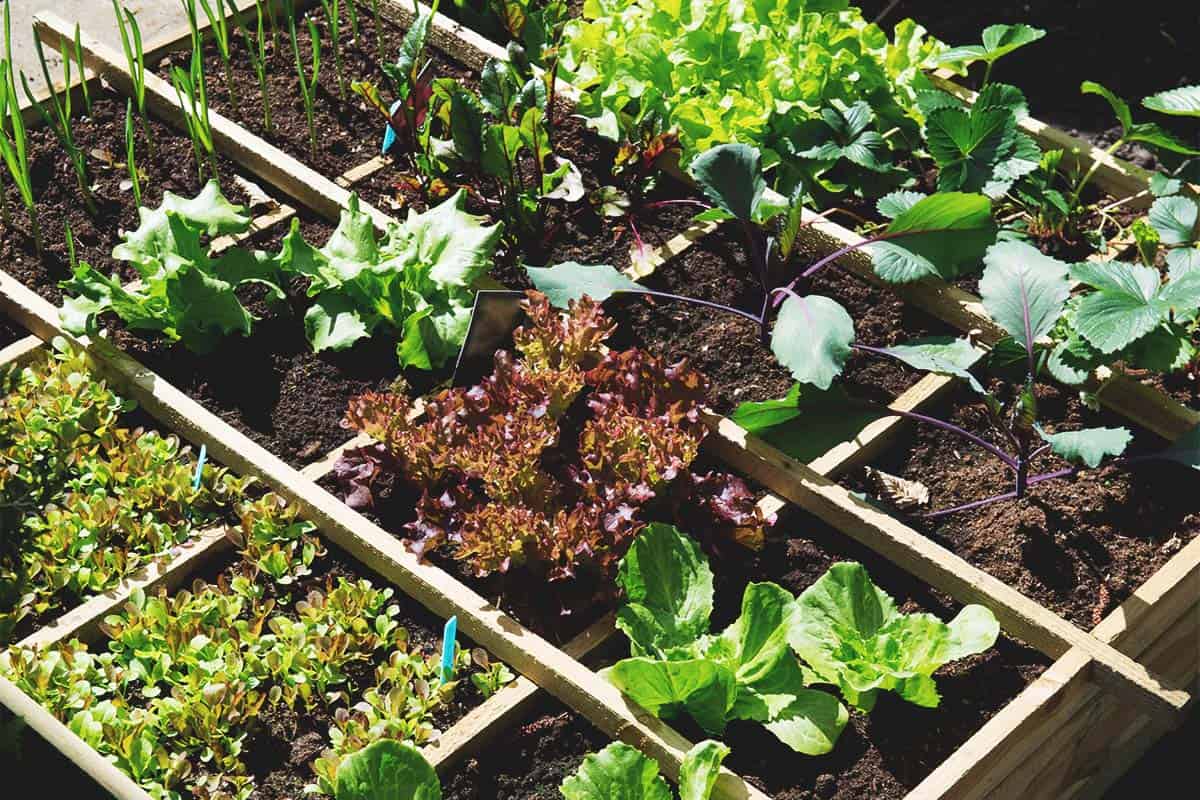
How To Choose The Right Plants For Your Garden: Expert Tips
A thriving garden doesn't start at the nursery—it starts with observation. Before you buy a single plant, you need to understand the unique conditions of your outdoor space. Sun patterns, soil composition, drainage, and your local climate all determine which plants will flourish and which will fail.
The good news? You don't need to be a master gardener to make smart choices. With a systematic approach, you can confidently select plants that will thrive for years. This guide walks you through the entire process—from reading your site to planting day—so you can garden with certainty instead of guesswork. For more on this, see our guide on how to choose the right garden hose length.
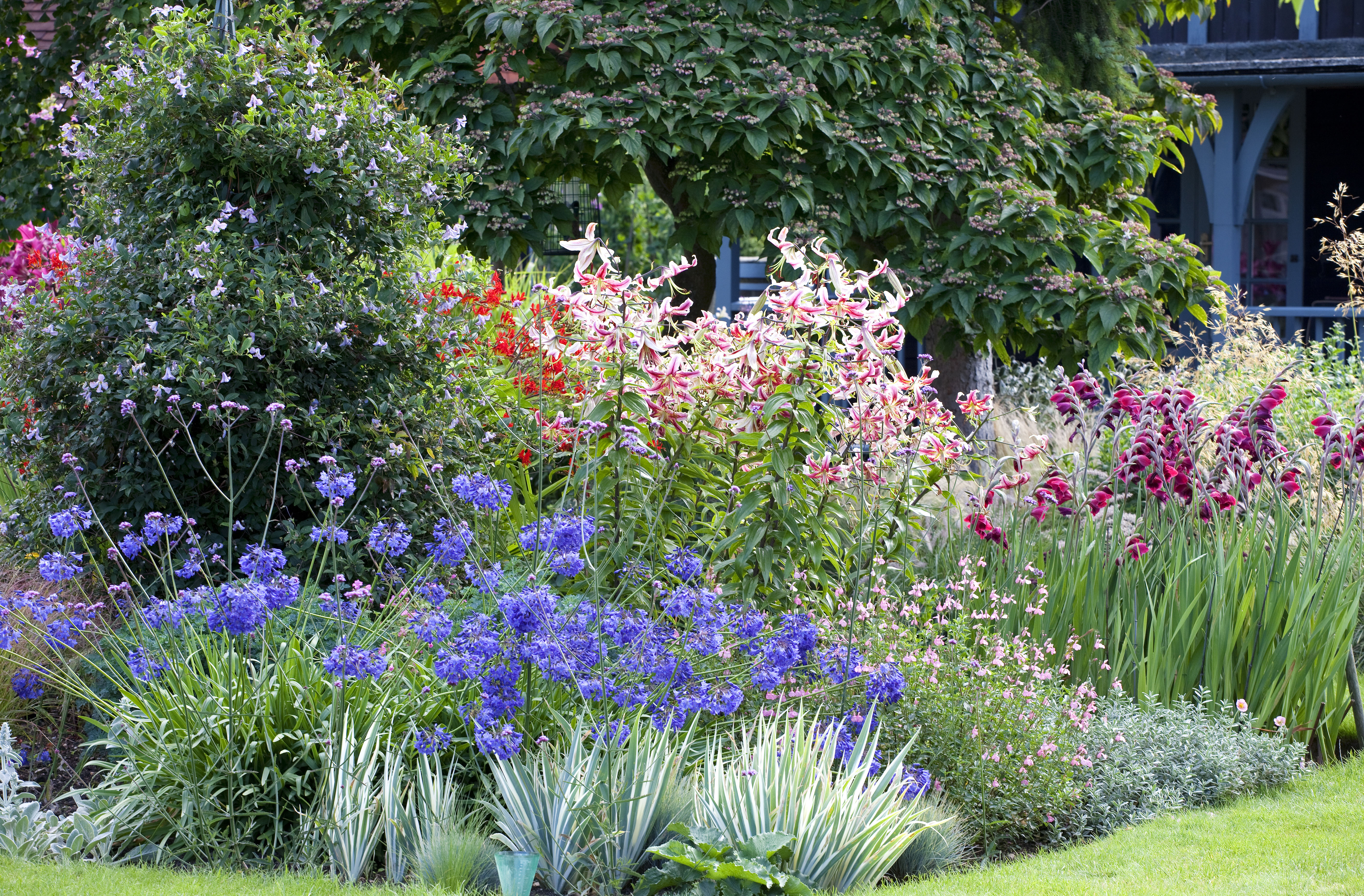
Observe how light moves across your yard before choosing any plants.
Source: realhomes.com
Read Your Site: Sun, Shade, Wind, and Climate
Your garden is a micro-environment. The conditions in your backyard differ from your neighbor's, and even different corners of your own yard vary significantly. Start by understanding what you're working with.
Track Sunlight Hours
Sun exposure is the single most important factor in plant survival. Spend one full day—ideally a clear day—observing your garden at different times.
- Full sun: 6 or more hours of direct sunlight, typically from mid-morning to late afternoon
- Part sun/part shade: 3 to 6 hours of direct sun, usually morning or afternoon only
- Full shade: Less than 3 hours of direct sunlight
Use your phone's timer or a simple notebook to track light patterns. Mark areas that receive intense midday sun versus gentle morning light. Plants labeled "full sun" genuinely need those 6+ hours—placing them in partial shade will result in leggy growth and few flowers.
Identify Wind Patterns and Frost Pockets
Wind affects plant health more than most beginners realize. Strong winds dry out soil and leaves quickly, stressing plants and slowing growth. Walk your property on a breezy day and note exposed areas.
Cold air sinks, so low spots in your yard collect frost. These pockets can damage tender plants even when surrounding areas are fine. If you live in a region with late spring or early fall frosts, choose hardy plants for low-lying areas or plan to use frost protection.
Know Your Hardiness Zone
Your USDA Hardiness Zone tells you the average annual minimum winter temperature for your location. This is your baseline for plant survival. Check the current USDA Plant Hardiness Zone Map to find your zone, then select plants rated for your zone or one zone colder for extra safety margin.
In practice, I've seen gardeners in zone 7b successfully grow zone 8 plants by placing them against a south-facing wall. The thermal mass of the wall creates a warmer microclimate. These tricks work, but they require careful attention. For most of your garden, stick to plants rated for your zone.
Walk Your Yard in the Morning and Evening
Light patterns change throughout the day and across seasons. A bed that gets full sun in June might be deeply shaded by September as the sun angle shifts.
- South-facing walls absorb heat and create warm microclimates
- North-facing areas stay cooler and shadier
- Low spots collect cold air and moisture
- Under trees you'll find dry shade—a challenging spot for many plants
A common mistake is choosing plants for a "sunny garden" without realizing that certain beds are shaded for half the day. Match each planting area to the conditions it actually receives.
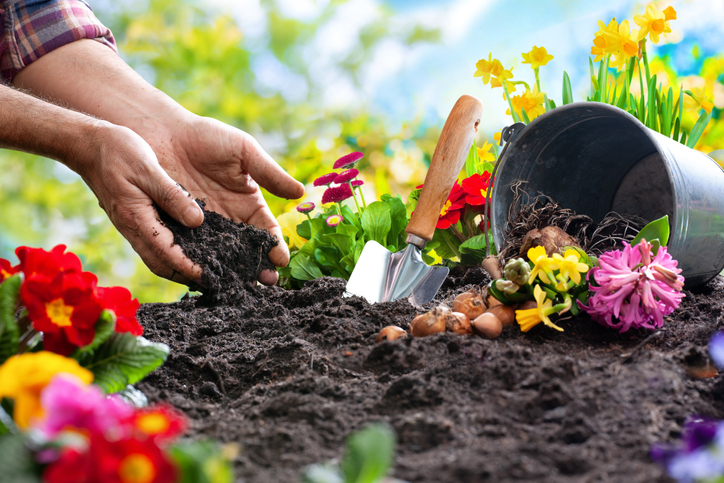
The squeeze test quickly reveals whether your soil is sand, clay, or loam.
Source: porch.com
Test Your Soil and How Water Moves
Most plant failures trace back to soil and water issues, not pests or diseases. Understanding your soil's texture, pH, and drainage will guide every planting decision you make.
Run the Squeeze Test
Grab a handful of moist soil and squeeze it in your palm:
- Sticky and slick that holds its shape firmly = clay soil
- Gritty and loose that falls apart easily = sandy soil
- Soft and crumbly that holds a loose ball = loam (the ideal)
Clay drains slowly but holds nutrients well. Sand drains fast but dries out quickly. Loam is the Goldilocks of soils—good drainage with good nutrient retention.
Try the Jar Test for Composition
For a more precise reading, fill a clear jar one-third full with soil, add water and a drop of dish soap, shake vigorously, and let it settle.
- Sand settles to the bottom within minutes
- Silt forms a middle layer
- Clay takes 24+ hours to settle on top
The layer thickness tells you your soil's composition percentage. This information helps you choose appropriate amendments and plant varieties.
Check Drainage Speed
Dig a hole about 12 inches deep and wide, fill it with water, and let it drain completely. Then refill and measure the drop each hour.
- 1–2 inches per hour is ideal for most garden plants
- Slower than 1 inch indicates poor drainage that requires raised beds or drainage-tolerant plants
- Faster than 2 inches means very sandy soil that dries out quickly
In my own garden experience, most homeowners discover their soil drains too slowly OR too quickly—rarely just right. The solution is rarely to fight your soil. Instead, match plants to your actual drainage conditions.
Test pH Levels
Most vegetables and ornamental plants prefer slightly acidic to neutral soil between pH 6.0 and 7.0. Some plants have specific requirements:
- Blueberries: pH 4.5–5.5
- Lavender, clematis: alkaline pH above 7.0
- Rhododendrons, azaleas, camellias: acidic pH below 6.0
A simple soil test kit from a garden center tells you your starting pH. You can amend soil with lime to raise pH or sulfur to lower it, but adjusting by more than one point is difficult. If you have very acidic or alkaline soil, choose plants that thrive in your natural conditions.
If you need to improve your soil's structure, adding organic matter like compost is almost always the right first step. For deeper guidance, this lawn and garden soil health guide covers practical amendment strategies that work for planting beds too.
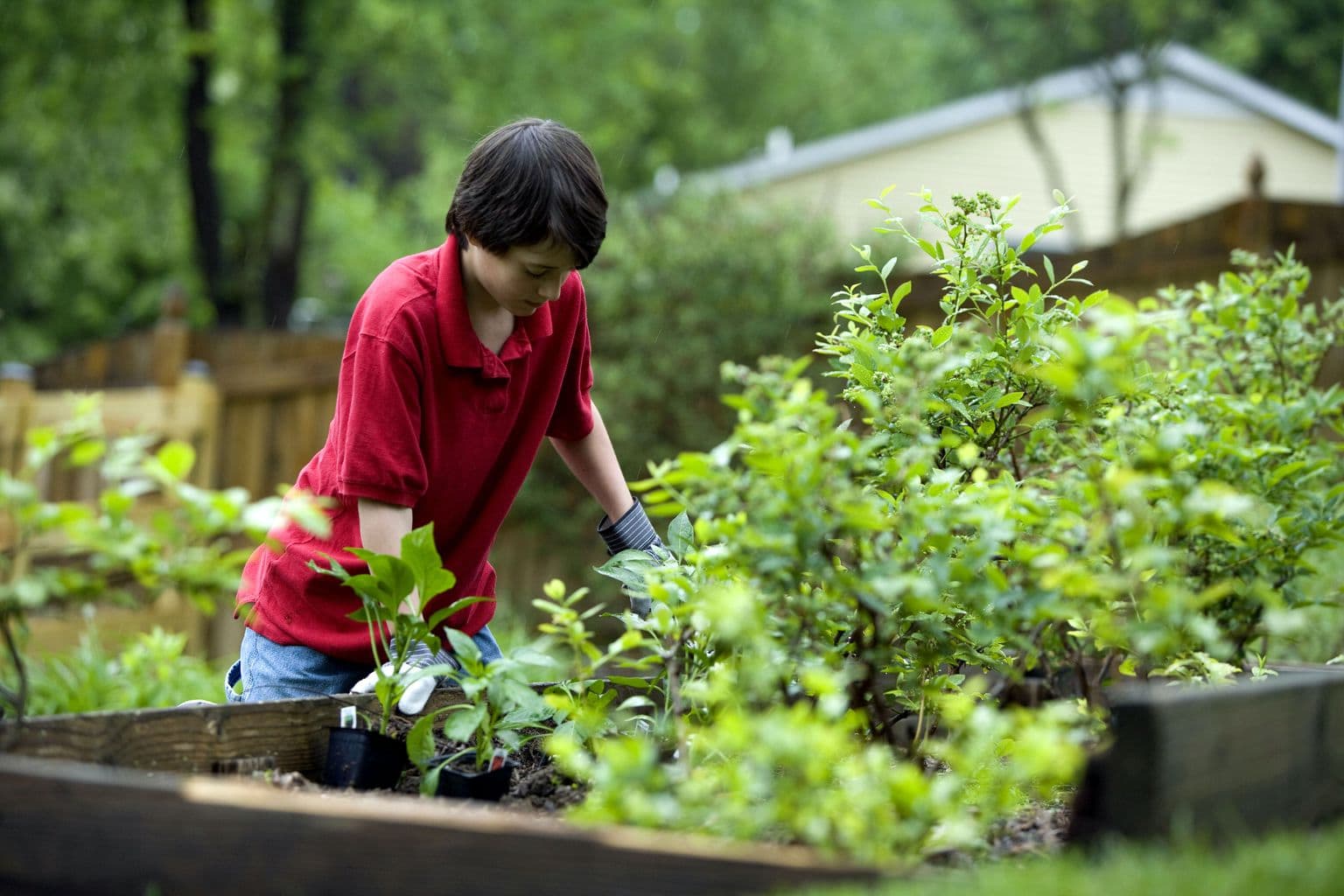
Match plant selection to your lifestyle—not just your yard's conditions.
Source: earthbuddies.net
Define Your Goals and Care Level
Your gardening style matters as much as your growing conditions. Be honest about how much time you have and what you want from your outdoor space.
Choose Your Garden's Purpose
- Low-maintenance landscape: Focus on native grasses, shrubs, and perennials that need minimal intervention. Coneflower, switchgrass, and inkberry thrive with little attention.
- Pollinator garden: Prioritize nectar sources and host plants. Milkweed, bee balm, salvia, and asters attract bees, butterflies, and beneficial insects.
- Edible landscape: Blend herbs, berries, and compact fruit trees into ornamental beds. Thyme, basil, blueberries, and dwarf apples are both beautiful and productive.
- Privacy screening: Select evergreen plants with known mature sizes. Arborvitae, holly, and tea olive create year-round privacy.
- Pet- and kid-friendly yard: Research plant toxicity before purchase. Oleander and sago palm are dangerous choices for families with curious pets.
Assess Your Realistic Time Commitment
A common mistake is planning a high-maintenance garden when you only have weekends to spare. If you travel frequently or work long hours, prioritize:
- Drought-tolerant plants that survive skipped waterings
- Slow-growing shrubs that need infrequent pruning
- Perennials that return reliably each year
- Ground covers that suppress weeds naturally
During client consultations, I always ask for three descriptive words for the desired feel—calm, bold, or cozy are common answers. This simple exercise keeps plant choices aligned with your vision, not just what looks good at the nursery.
Balance Plant Types: Native, Drought-Tolerant, Seasonal Stars
The most resilient gardens blend different plant categories to balance sustainability with visual appeal.
Start With Native Plants
Aim for at least half of your plantings to be native species. Native plants have evolved for your climate, soil, and rainfall patterns. They require less water, fewer amendments, and no chemical fertilizers once established. They also provide essential food and habitat for local birds, butterflies, and beneficial insects.
Blend Evergreen and Deciduous Plants
Evergreens provide winter structure and year-round privacy. Deciduous plants offer seasonal interest—spring blooms, summer foliage, autumn color. A garden with only one type feels empty for half the year.
Layer Perennials, Shrubs, and Annuals
- Perennials return year after year, forming the backbone of your beds
- Shrubs provide structure and scale
- Annuals add bold seasonal color and fill gaps while perennials establish
Include Drought-Tolerant Options
Even in humid climates, drought-tolerant plants reduce your watering burden. Yarrow, lavender, salvias, and sedums thrive in hot, dry spots where other plants struggle. Group these together in areas that receive harsh afternoon sun.
Plan for Four-Season Interest
Great gardens interest you in every month:
- Spring: Bulbs, flowering trees, and early perennials
- Summer: Peak bloom season with full borders
- Fall: Asters, ornamental grasses, and colorful foliage
- Winter: Evergreen structure, berries, and textured bark
I've learned the hard way that gardens focused on a single season feel flat for the rest of the year. Aim for a "hand-off but interest-on" approach that delivers something beautiful in every season.
Design With Scale, Color, and Bloom Time
Good design makes gardens look intentional and professional, even without a landscape architect. Follow these principles to create visual harmony.
Build in Layers
Use the classic planting formula: tall in back, medium in the middle, low in the front for border beds. In island beds visible from all sides, place tall plants in the center. Layers create depth and visual interest.
Respect Mature Size
A 2-gallon shrub at the nursery looks small, but that arborvitae might reach 8 feet wide at maturity. Plant spacing should account for full-grown size. Crowding leads to disease, constant pruning battles, and weak plants that never reach their potential.
Use a Cohesive Color Palette
Choose one dominant color, one supporting color, and a neutral to tie them together. Repeat this combination throughout your beds. This creates a unified look rather than a chaotic mix. Foliage color matters too—silver, burgundy, and variegated leaves add texture even when nothing is blooming.
Stagger Bloom Times
Aim for something flowering from spring through fall. This requires researching bloom seasons before you buy. Use foliage plants to maintain interest during gaps between bloom periods.
Plant in Odd-Numbered Groups
Threes and fives look more natural than even numbers or single specimens. This simple trick instantly makes plantings feel intentional. For mass plantings, use odd numbers in drifts rather than straight rows.
Shop Smart: Labels, Latin Names, and Plant Quality
Nursery shopping can be overwhelming with hundreds of plants vying for attention. Bring your site information and shop with a plan.
Read the Label Thoroughly
Every quality nursery plant has a label listing:
- USDA hardiness zone
- Sun requirements
- Water needs
- Mature height and spread
- Spacing recommendations
Match these to your site notes. A beautiful plant is only "right" if it fits your conditions.
Verify the Latin Name
Common names vary by region, causing confusion. "Blue star" might refer to different plants in different nurseries. The Latin name (for example, Amsonia tabernaemontana for blue star) is precise and universal. Learning basic Latin names prevents buying the wrong plant.
Choose Disease-Resistant Varieties
Look for cultivars bred for disease resistance. These reduce or eliminate the need for sprays and minimize stress. The label or plant tags will note resistance when available.
Inspect the Root System
Gently slide the plant from its pot. Healthy roots are firm and white. Avoid plants with thick roots circling the pot bottom—these are root-bound and may struggle to establish.
Check the Foliage and Stems
Look for insects, spots, or damaged stems. Skip plants with yellowing leaves or mushy crowns. A slightly smaller plant with healthy roots outperforms a large plant in poor condition.
Buy Local When Possible
Nurseries that grow plants in your region produce specimens adapted to your climate. These plants establish faster and survive better than stock shipped from distant growers.
Take your site data—sun charts, soil test results, drainage observations—to the nursery. This turns shopping from guesswork into a precise matching exercise. If you're establishing new beds, the right digging tools for planting holes make the job easier and reduce transplant shock.
Planting Day and First-Year Care
Ideal plant selection doesn't guarantee survival. Correct planting technique and attentive first-year care make all the difference.
Dig Wide, Not Deep
A common phrase in horticulture: "A $50 plant in a $5 hole is a $5 plant." Dig the hole two to three times wider than the pot but no deeper. Wide holes allow roots to spread into loosened soil.
Tease Out Circling Roots
Loosen the root ball with your fingers before planting. Roots that continue circling inward will eventually strangle the plant. Gently pull apart the outer roots to encourage outward growth.
Set the Crown at the Right Depth
The crown—where stem meets roots—should sit level with the surrounding soil. Burying the stem causes rot. Planting too high leaves roots exposed. In heavy clay soil, plant slightly high to compensate for settling.
Backfill With Your Native Soil
A common mistake is amending the planting hole with rich compost. This creates a "pot effect" where roots stay in the comfortable amendment rather than exploring surrounding soil. Mix modest amounts of compost if desired, but largely backfill with the soil you dug out.
Water Slowly and Deeply
New plants need consistent moisture. Aim for about one inch of water per week, delivered slowly so it penetrates deep. A soaker hose or slow trickle works better than overhead sprinklers. Check soil moisture by sticking your finger two inches down—if it's dry, water.
Apply Two to Three Inches of Mulch
Mulch conserves moisture, regulates soil temperature, and suppresses weeds. Keep mulch two to three inches away from stems and trunks to prevent rot and pest problems. Never use weed fabric under mulch—it prevents water penetration and creates a mess when it degrades.
Skip Fertilizer in Year One (for Most Woody Plants)
New plants need to focus on root establishment, not top growth. Most shrubs and trees require no fertilizer in their first season. Excessive fertilizer causes soft growth that attracts pests. Let roots establish first.
For practical support with soil preparation, this natural soil improvement resource explains composting and amendment strategies that set your new plants up for success.
Common Mistakes to Avoid
Every gardener makes mistakes—even experienced ones. Recognizing the most frequent errors helps you avoid them from the start.
Buying on Impulse
Nurseries are designed to trigger impulse purchases. Pretty blooms sell plants regardless of suitability. Always bring a written list based on your site analysis and goals.
Ignoring Mature Size
Planting spacing based on nursery pot size rather than mature dimensions causes over-crowding within two years. This leads to disease, unhappy plants, and constant pruning battles. Check mature width before planting and space accordingly.
Misjudging Light Requirements
Sun-loving plants in shade become leggy with few flowers. Shade lovers in full sun develop scorched leaves. Light conditions are non-negotiable for plant health.
Overwatering Clay Soil
Clay holds moisture for days after rain. Adding irrigation on a fixed schedule drowns roots and promotes rot. Always check soil moisture before watering and adjust for natural rainfall.
Over-Mulching
More than three inches of mulch suffocates roots and encourages shallow rooting. Two to three inches is the sweet spot. Skip landscape fabric entirely and refresh mulch annually as needed.
Forgetting to Check Invasive Lists
Some plants—however beautiful—escape cultivation and harm local ecosystems. Check your state's invasive species list before buying. A quick search of your state cooperative extension website provides the current list.
Frequently Asked Questions
What is the fastest way to figure out my sun levels?
Watch your garden for one full day and track direct sunlight each hour. Use your phone's timer to note exactly when sun starts and ends in each bed. Morning, noon, and evening checks are most informative.
How do I pick plants for heavy clay soil?
Choose plants that tolerate slow drainage, such as switchgrass, redtwig dogwood, and Siberian iris. Add compost on top annually to gradually improve structure—avoid digging amendments deep into wet clay, which creates compaction.
Do I have to use native plants?
No, but they make an excellent foundation. Native plants fit your climate naturally, require less intervention, and support local wildlife. Blend native species with well-adapted non-natives for the best of both worlds.
What if I want color all year?
Layer seasons by combining spring bulbs, summer perennials, fall asters and ornamental grasses, and evergreens with interesting bark. Foliage color and texture carry the garden during off-peak times.
How can I make a small garden look bigger?
Use layered planting with repetition of colors. Taller plants as backdrops create depth. Choose narrow, upright forms over spreading varieties, and limit your color palette to create coherence.
Are drought-tolerant plants only for dry regions?
No. Drought-tolerant plants benefit any garden by reducing water needs and surviving irrigation gaps. Match sun and soil requirements, then water deeply during the first season to establish roots.
How often should I water new plants?
Water deeply two to three times weekly during hot weather, less during cool periods, and always check soil moisture first. Aim for about one inch of water per week total, delivered slowly.
Conclusion
Choosing the right plants comes down to a simple formula: understand your site, match plants to actual conditions, and choose varieties that align with your lifestyle. The process is methodical, not mysterious.
Start by mapping sunlight patterns, testing soil drainage, and identifying your hardiness zone. Define your garden's purpose and your realistic time commitment. Then bring that information to the nursery and shop with intention.
Success also depends on proper planting and first-year care—dig wide holes, water deeply, and mulch appropriately. These fundamentals make even borderline choices succeed.
Take one hour this week to walk your property with a notebook. Track light, note wet spots, and check drainage. Write a short list of plants that fit your site and goals. That single hour of observation will pay dividends for years of gardening success. What will you discover about your garden today?


