Clean, test soil, mulch, water wisely, plant heat-tolerant, and prevent pests early.
A thriving summer garden is not luck. It is a plan. In this guide, I show how to prepare garden for summer with steps I use in client beds and my own yard. You will learn what to do first, what to skip, and how to save time and water. Follow along, and set up a garden that handles heat, drought, and surprise storms with ease.

Assess your site and build a plan
Walk your space with a notepad. Note sun hours, wind, shade, drainage, and traffic. Mark where water pools after rain. Check hose reach and spigot flow.
Now set goals. Do you want color, food, or low care? Choose tasks and plants to match. This is how to prepare garden for summer without waste.
Key checks:
- Sun map Note full sun, part sun, and shade zones.
- Wind and heat Watch hot walls and reflective surfaces.
- Water access Count hose lengths and fix leaks now.
- Soil structure Dig a hole. Squeeze soil. It should crumble, not smear.

Clean up and refresh beds
Remove dead stems, weeds, and fallen leaves. Clear crowded seedlings. Edge beds to make a sharp line. This improves airflow and reduces pests.
Bag diseased debris. Do not compost it. Wash pruners with alcohol between plants. If you ask how to prepare garden for summer fast, start with cleanup.
Quick steps:
- Pull weeds by the root while soil is moist.
- Prune winter damage back to live growth.
- Rake old mulch if matted and crusty.
- Top up paths so mud stays out of beds.

Test and amend your soil
Soil is the engine. Test pH and nutrients. Do this every 1 to 3 years. A simple lab test guides smart fixes and saves money.
Aim for crumbly, dark soil that drains but holds moisture. Add compost at 1 to 2 inches across beds. Mix into the top 4 to 6 inches. Research shows organic matter boosts water hold and root health. It also cuts fertilizer needs.
Amend tips:
- If pH is low Add garden lime as the report suggests.
- If pH is high Add elemental sulfur per test rates.
- For sand Add more compost and a thin layer of fine mulch.
- For clay Use compost and coarse mulch. Avoid over-tilling.
Learning how to prepare garden for summer starts with soil data, not guesses.

Set up smart irrigation and a water plan
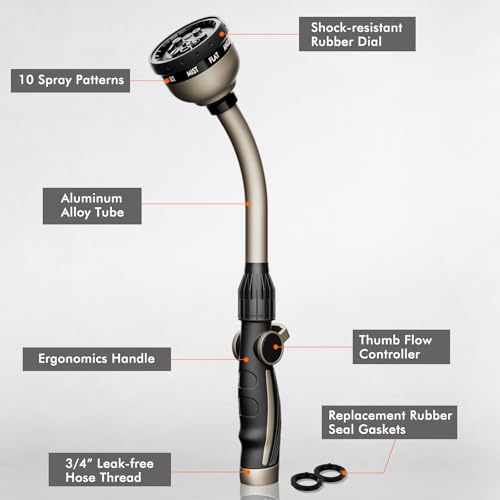
Plants need steady moisture in heat. Drip lines and soaker hoses put water at the roots. They waste less than overhead spray. Early morning watering reduces loss and disease.
Test your system now. Flush lines. Replace clogged emitters. Add a simple timer. A rain gauge helps you track storms and avoid overwatering. Extension trials show drip can cut water use by up to half.
Water basics:
- Deep and rare Soak 6 to 8 inches deep.
- Early hours Water before 10 a.m.
- Group by need Keep thirsty plants together.
- Use mulch to slow evaporation.
If you wonder how to prepare garden for summer during drought, a drip system and mulch are your best tools.

Mulch to beat heat and save water
Mulch is armor for soil. It slows weeds, holds water, and cools roots. Spread 2 to 3 inches of organic mulch around plants. Keep mulch a few inches off stems.
Choose what fits:
- Shredded bark Great for beds and shrubs.
- Straw Good for veggies. Use clean, weed-free straw.
- Compost Fine for quick beds and soil health.
- Pine needles Useful around acid lovers and slopes.
Studies show mulch can lower soil temps and reduce watering needs. If you ask how to prepare garden for summer with one change, pick mulch.

Choose heat-smart plants and perfect your timing
Match plants to your zone and microclimate. Hot patios need tough picks. Shady corners want plants that thrive in low light. Read tags for mature size and heat tolerance.
Timing matters. Warm soil is key for summer crops. Plant when nighttime temps stay above 55 to 60°F. Stagger plantings to spread harvests. I set reminders to seed basil and beans every three weeks.
Plant ideas:
- Flowers Zinnias, marigolds, vinca, salvia.
- Herbs Basil, oregano, thyme, mint in pots.
- Vegetables Tomatoes, peppers, okra, sweet potatoes.
- Natives Choose local drought-tolerant species.
How to prepare garden for summer also means saying no to plants that hate heat.

Feed for steady growth, not spurts
Fertilize based on soil tests and plant needs. Too much nitrogen makes weak, pest-prone growth. Use slow-release or organic feeds. Water in well.
Simple plan:
- Perennials Apply a slow-release in spring.
- Veggies Use compost and a balanced feed at planting. Side-dress mid-season.
- Containers Use a slow-release at planting. Supplement with a light liquid feed every two weeks.
This is how to prepare garden for summer without burn or waste.
Prevent pests, diseases, and weeds early
Healthy plants resist stress. Start with clean tools, good spacing, and airflow. Scout weekly. Look under leaves. Catch issues small.
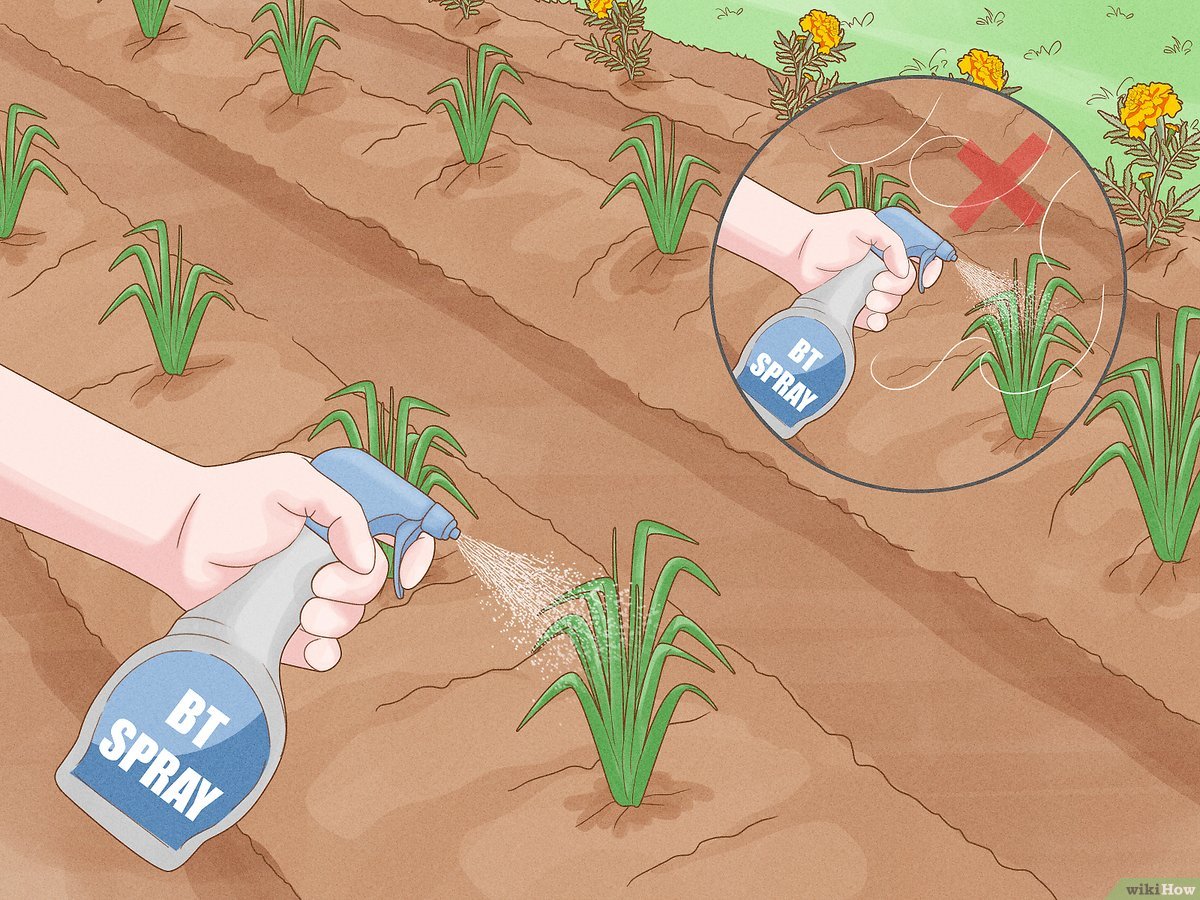
Use the least toxic fix first. Hand-pick pests. Blast aphids with water. Use neem, soaps, or oils if needed. Target weeds when they are small. Mulch helps a lot.
My field tip Wear a white tray under branches when you shake them. Falling pests show fast. This habit is part of how to prepare garden for summer like a pro.
Protect from extreme heat, sun, and wind
Heat waves happen. Create shade and wind breaks before you need them. A simple cloth over hoops drops leaf temps. White fabric works well.
Add temporary shade from noon to 4 p.m. Use 30 to 50 percent shade cloth for tender plants. Stake tall blooms and tomatoes. Wind can snap stems overnight.
Save-list:
- Shade cloth for raised beds and new transplants.
- Extra mulch for exposed roots.
- Reflective mulch for peppers and melons in very hot areas.
If you ask how to prepare garden for summer storms, anchors and staking matter.
Refresh containers and tune up the lawn
Containers dry fast in summer. Use larger pots with quality potting mix. Add compost and a slow-release feed. Water daily in heat. Check with a finger test.
For lawns, sharpen blades. Mow high to shade roots. Water deep and rare. Fix bare spots before weeds spread. If you wonder how to prepare garden for summer curb appeal, start with sharp edges and clean pots.
Container tips:
- Choose heat-tolerant varieties labeled for patios.
- Group pots to create a humid microclimate.
- Use saucers sparingly to avoid standing water.
Build a simple summer maintenance schedule
Consistency beats sprints. A short weekly routine keeps things on track. I use a 15-minute loop most mornings.
Weekly plan:
- Monday Check irrigation and rain gauge.
- Tuesday Weed and edge small sections.
- Wednesday Scout for pests and remove damaged leaves.
- Thursday Deep water shrubs and new trees.
- Friday Harvest, deadhead, and top up mulch as needed.
This is how to prepare garden for summer without burnout.
Safety, sustainability, and tools that make it easy
Work early and hydrate. Wear gloves, a hat, and eye protection. Store fuels and chemicals in cool shade. Keep kids and pets away during sprays.
Choose eco-wise habits. Compost green waste. Use a rain barrel where allowed. Pick native plants to support pollinators. Maintain sharp tools to reduce strain and plant damage.
Tool kit I trust:
- Bypass pruners and a folding saw
- Hori-hori knife
- Long-handled stirrup hoe
- Drip kit with timer
- Moisture meter for containers
These choices round out how to prepare garden for summer in a safe, smart way.
Frequently Asked Questions of how to prepare garden for summer
When should I start preparing my garden for summer?
Begin 6 to 8 weeks before your last spring frost. Clean beds, test soil, and set up irrigation as the weather warms.
How often should I water during peak heat?
Water deeply 1 to 3 times per week, depending on soil and plant type. Aim for 1 inch total per week, including rain.
What is the best mulch for hot climates?
Shredded bark or straw at 2 to 3 inches works well. Keep it off stems and refresh thin spots mid-season.
How can I keep containers from drying out?
Use large pots, add compost, and water in the morning. Group containers and add mulch on top of the soil.
Do I need to fertilize if I use compost?
Often you still need a light, balanced feed, especially for heavy feeders. Follow your soil test for exact needs.
What is the easiest way to control weeds in summer?
Mulch early and pull weeds small. A weekly pass with a stirrup hoe saves time and effort.
How do I know if my plants have heat stress?
Look for wilt at midday that does not recover in the evening. Provide shade and water deeply if this happens.
Conclusion
Success in summer starts now. Clean beds, test and amend soil, set drip lines, and mulch well. Pick the right plants, feed with care, and guard against pests and heat. This is how to prepare garden for summer with less stress and more joy.
Start with one bed this week. Lay mulch and set a timer on your hose. Small moves compound fast. Want more tips like these? Subscribe, share your progress, or ask a question in the comments.