How To Fix A Leaking Garden Hose: Quick DIY Guide 2026
A leaking garden hose wastes water, creates muddy messes, and turns simple watering chores into a frustrating battle. The good news? Most leaks are fixable in under 15 minutes with basic tools and a few dollars worth of parts. This guide walks you through every common failure point—from a dripping spigot connection to a burst middle section—with the exact steps to repair each one properly.
You do not need to be handy or own a workshop full of tools. If you can cut a straight line and turn a screwdriver, you can restore most hoses to leak-free condition. We will cover diagnosis, step-by-step repairs, when to throw in the towel, and how to keep leaks from coming back. You can also read our guide on how to maintain a healthy lawn naturally.
Why Garden Hoses Leak: Understanding the Common Failure Points
Before grabbing tools, it helps to understand what you are dealing with. Garden hoses fail in predictable ways, and each failure type requires a different fix. Here is what typically goes wrong:
- Worn washers and O-rings: The most common cause. The rubber washer inside the female coupling flattens or cracks over time, causing drips at the spigot or nozzle connection.
- Loose or damaged fittings: Threads get dinged when hoses are dragged across concrete, or the coupling itself becomes misshapen from being run over.
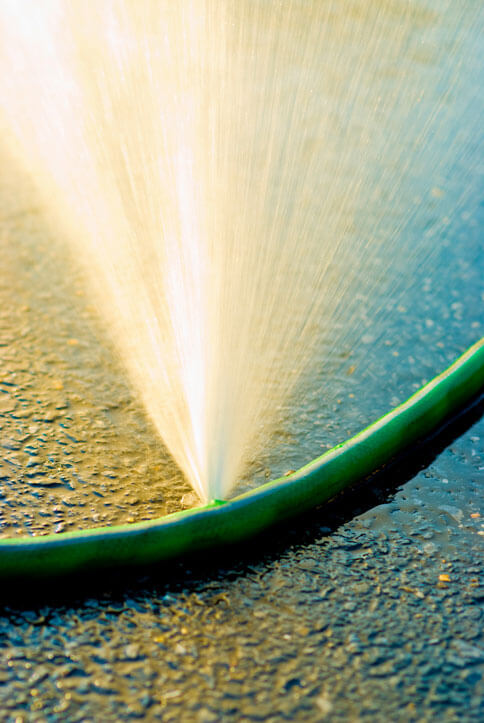
- Pinhole punctures: Thorns, sharp rocks, or pet teeth create tiny holes that spray a fine mist under pressure.
- Kink splits: Repeated bending at the same spot weakens the hose wall, eventually producing a crack.
- Freeze damage: Water left inside during winter expands when it freezes, splitting the hose from the inside out.
- End fatigue: The first few inches near each fitting receive the most flexing and abuse, making them prone to failure.
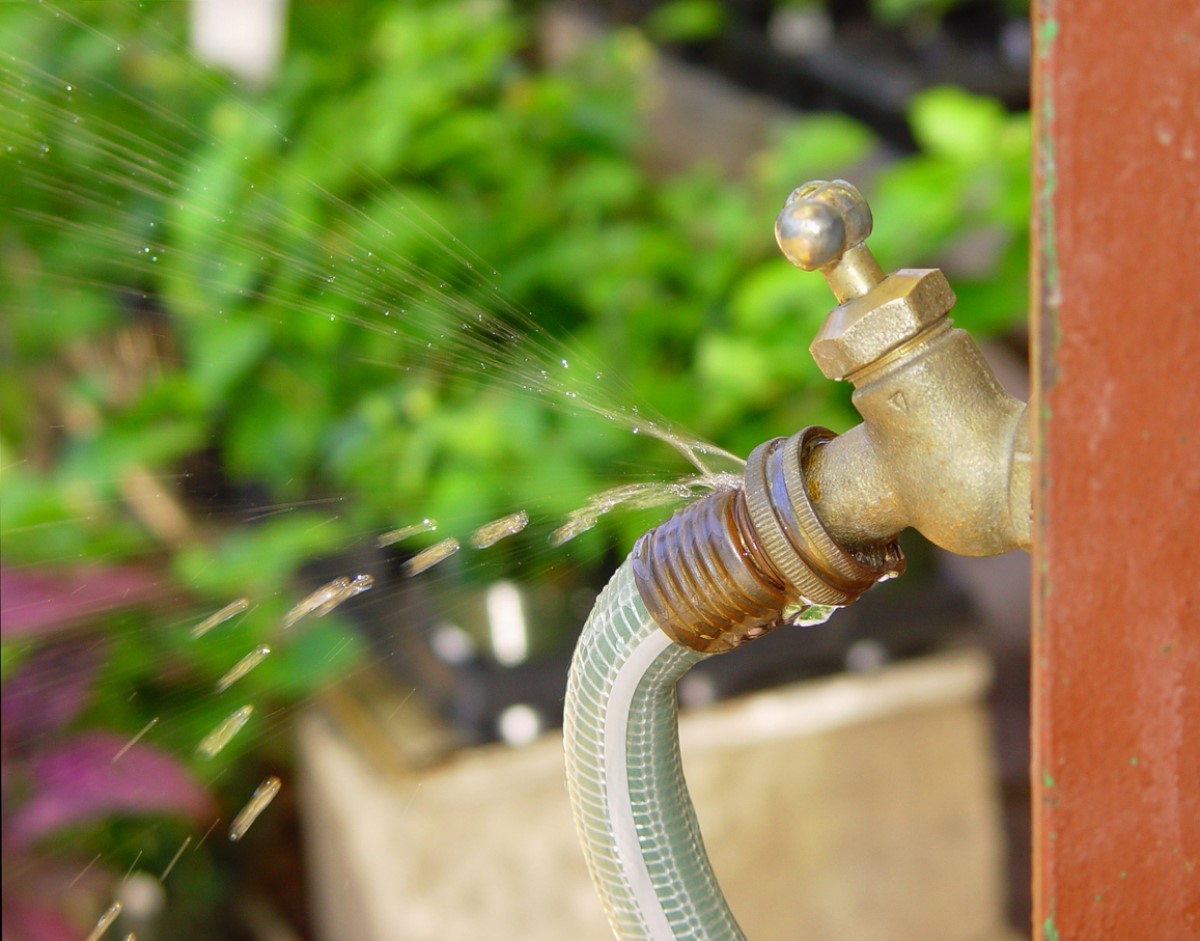
Inspect the connection points first—that is where the majority of leaks originate.
How to Locate a Leak Quickly
Finding the exact leak point is half the battle. Here is a method that works every time:
- Connect the hose to the spigot and turn the water on fully.
- Walk the entire length slowly, running your hand along the underside of the hose.
- Feel for cool mist, spray, or wet spots. On a sunny day, look for glistening water droplets.
- Mark each leak with a piece of painter's tape or a washable marker.
For very small pinholes that are hard to feel, drape a dry paper towel along the hose. The wet spot will reveal itself immediately. Always shut off the water and drain the hose completely before starting any repair.
Essential Tools and Materials for Hose Repair
You do not need an expensive kit. Most repairs use items you may already own, plus one or two inexpensive specialty parts. Here is your complete shopping list:
| Item | Typical Cost | Purpose |
|---|---|---|
| Flathead or Phillips screwdriver | $5–10 | Tightening clamps, removing washers |
| Utility knife or sharp scissors | $8–15 | Making clean, square cuts |
| Replacement washers (5/8" or 3/4") | $2–4 for a 10-pack | Fixing leaks at spigot and nozzle |
| Thread seal (PTFE) tape | $2–3 | Helping worn metal threads seal |
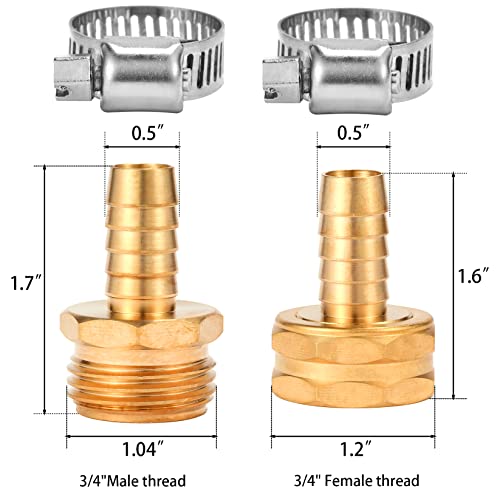
| Barbed hose mender kit with clamps | $5–10 | Joining cut sections mid-hose |
| Replacement male or female end | $5–12 | Repairing damaged hose ends |
| Self-fusing silicone tape | $5–7 | Temporary pinhole and crack patches |
| Epoxy putty (water-rated) | $6–10 | Sealing small holes permanently |
| Bucket and rags | Free | Keeping the work area dry |
| Gloves and eye protection | $5 | Safety while cutting and tightening |
Pro tip from field experience: Warm hose material is dramatically easier to work with. On a cold day, lay the hose in the sun for ten minutes or dip the cut end in warm water for a minute before pushing on a mender or replacement fitting. Room-temperature rubber flexes; cold rubber fights you. For more on this, see our guide on how to fix garden hose leak.
Nearly every repair requires only these basic items.
Step-by-Step Repair Guide: Fixing Every Type of Leak
Here is the exact process to follow, regardless of where your hose is leaking. Read through all the steps first, then tackle your specific issue.
Step 1: Diagnose and Mark the Leak
Start by pressurizing the hose and identifying all leak points, as described above. Mark every spot before making any cuts or disassembly. It is far more efficient to fix two leaks in one session than to repeat the process a week later. For more on this, see our guide on how to fix a garden hose.
Turn off the water and drain the hose completely before proceeding. Working on a pressurized or water-filled hose makes cutting difficult and repairs less effective.
Step 2: Fix a Leak at the Faucet or Sprayer Connection
This is the easiest and most common repair. Here is what to do:
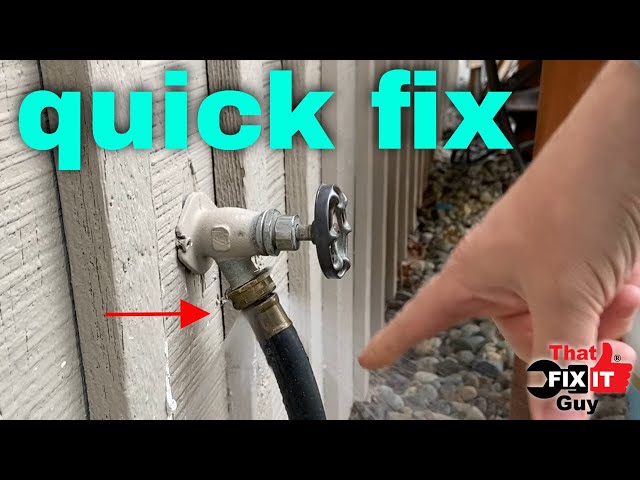
- Unscrew the female end of the hose from the spigot.
- Locate the rubber washer inside the coupling. It sits at the base of the fitting.
- Pry out the old washer using a small flathead screwdriver or your fingernail. It will likely be flattened, cracked, or misshapen.
- Insert a new washer of the correct size, pressing it firmly into the recess.
- Reattach the hose, hand-tightening the coupling, then giving it a gentle quarter turn with pliers if needed.
For sprayers or nozzles that drip at the handle joint, the fix is similar. Disassemble the handle and replace the O-ring inside. These are inexpensive and available at any hardware store. For further reading, see epa.gov.
A common mistake to avoid: over-tightening the connection. Hand-tight plus a slight nudge is all you need. Crushing the new washer with excessive force will cause the same leak you just fixed.
If the metal threads on the spigot are worn or slightly damaged, wrap them with two or three layers of PTFE tape before reattaching. The washer does the real sealing work, but tape helps fill thread gaps.
Step 3: Patch Pinholes and Small Cracks
For tiny holes and short cracks, you have two practical options:
Self-fusing silicone tape method:
- Dry the hose surface completely.
- Stretch the tape to activate it (it bonds only to itself, not the hose).
- Wrap tightly over the leak, extending at least 2 inches beyond each side.
- Overlap each wrap by half the tape width, pressing firmly as you go.
- The tape fuses into a solid rubber band within minutes.
Epoxy putty method:
- Knead the putty until it is a uniform color.
- Press it firmly into and over the hole, smoothing it flat.
- Allow full cure time (usually 30–60 minutes) before pressurizing.
Both fixes work, but treat them as short-to-medium term solutions. The tape can degrade under prolonged UV exposure, and putty may crack with repeated flexing. For a permanent fix, install a mender as described next.
Self-fusing tape wraps tightly and bonds to itself, creating a watertight seal over small holes.
Step 4: Repair a Split or Blowout in the Middle
When a hose splits lengthwise or bursts entirely, you need a barbed mender. This is the most reliable permanent repair method:
- Cut out the damaged section. Make two clean, square cuts at least 2 inches past each end of the damage, removing all weakened material.
- Slide a hose clamp onto each cut end before joining them.
- Insert the barbed coupler into one hose end, pushing firmly until the hose seats against the coupler's stop rim.
- Repeat on the other side, pushing the second hose end onto the opposite barbs.
- Position each clamp directly over the barbed area (not between barbs) and tighten with a screwdriver.
- Snug the clamps evenly, alternating between sides. Avoid overtightening to the point of cutting into the hose wall.
Field tip: A drop of dish soap on the barbs makes the hose slide on much easier. Avoid petroleum-based lubricants, which can degrade rubber and vinyl hoses over time.
Step 5: Repair a Damaged Hose End
If the last few inches of the hose are crushed, cracked, or leaking around the fitting, replace the end entirely:
- Cut off the damaged end with a straight, square cut.
- Purchase a replacement male or female end that matches your hose diameter (5/8" is standard, 3/4" for heavy-duty hoses).
- Slide the metal compression ring or clamps onto the hose first.
- Insert the barbed end of the new fitting into the hose, pushing until fully seated.
- Tighten the clamp or compression nut per the kit instructions, ensuring the internal seal ring sits properly.
Replacement ends cost a few dollars and take about ten minutes to install. This is the correct fix for leaks that develop right at the connection point.
Step 6: Address Leaks at Repeated Kink Points
Hoses that always fold at the same spot eventually develop a weakened, weeping area. The fix:
- Cut 3–4 inches past the white, brittle, or flattened section on both sides.
- Rejoin the healthy ends using a barbed mender as shown in Step 4.
- In the future, prevent kinks using hose guides at corners or a reel that winds the hose evenly.
Eliminating the kink entirely is the better long-term solution. A hose reel or simple hose guide costs little and preserves the hose's structural integrity.
Step 7: Handle Freeze or Pressure Damage
If your hose split after a winter freeze, inspect the entire length carefully. Freeze damage often creates multiple hidden cracks that are not immediately visible. Flex the hose along its length and listen for cracking sounds, which indicate internal damage.
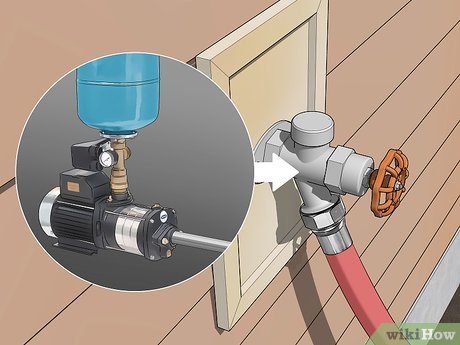
For high-pressure situations—such as using pressure washers or running long hose lengths—consider installing a pressure regulator at the spigot. Many municipal water systems deliver 80–100 PSI, while most garden hoses are rated for 60–80 PSI. A simple regulator prevents repeated blowouts.

Always cut well past the visible damage to reach healthy hose material.
Repair or Replace: How to Make the Smart Call
Not every hose deserves a repair. Here are the decision rules I use:
Definitely repair when:
- There is one or two isolated leaks
- The hose is less than five years old
- The outer cover is still supple and free of widespread cracking
- The fittings are in good shape
Replace instead when:
- Three or more leaks are spread along the length
- The outer cover is cracked or brittle over long stretches
- A previous repair site bursts again
- The reinforcement mesh or inner tube is visible through the cover
- The hose is cheap, thin vinyl that kinks constantly
Cost comparison: A quality mender kit costs $5–10. A replacement 50-foot hose costs $25–80. If you are adding a third mender to an aging hose, you have exceeded the practical repair threshold.
Use case matters. Heavy-duty rubber or reinforced hoses are worth repairing because they last for decades with proper care. Thin vinyl hoses from the discount store often are not worth the effort—replacement is the smarter move.
Preventing Future Leaks: Pro Habits That Work
The best repair is the one you never need to make. These habits will dramatically extend the life of any hose:
- Replace washers seasonally. Keep a 10-pack in your toolbox and swap them at the start of every spring. They cost pennies and take seconds to change.
- Drain after every use. Standing water inside the hose accelerates material breakdown and invites freeze damage.
- Store out of direct sun. UV radiation is the number one killer of vinyl hoses. A garage, shed, or shaded hook extends life measurably.
- Avoid tight kinks. Use hose guides at garden corners and buy a reel or hanger that coils without sharp bends.
- Use quick-connects with shut-off valves. These reduce twisting at the spigot, which is a leading cause of cracked ends.
- Install a pressure regulator if your home has high water pressure. This single addition prevents most mid-hose blowouts.
Proper storage is the cheapest insurance against future leaks.
Troubleshooting: When a Repair Still Leaks
Sometimes a repair looks good but still weeps. Work through these common issues before giving up:
| Symptom | Likely Cause | Solution |
|---|---|---|
| Leak at the mender | Hose not pushed fully over barbs | Loosen clamps, reseat hose, retighten |
| Drip at spigot after repair | Washer missing or wrong size | Install fresh correctly-sized washer |
| Bulge near clamp | Clamp not centered on barbs | Reposition clamp and snug evenly |
| Low water pressure | Clogged nozzle screen or downstream kink | Clean screen and straighten hose |
| Parts do not thread together | Thread type mismatch (GHT vs BSP) | Use an adapter or matching parts |
Most U.S. hoses and fixtures use GHT (garden hose thread), but some imported fixtures use BSP (British standard pipe) threads. If parts will not mate, you have a thread mismatch, not a defective repair.
Safety and Responsible Disposal
Work safely, always:
- Wear gloves and eye protection when cutting hose material
- Shut off water and drain the hose before any repair
- Use a cutting mat or solid surface beneath your cuts
- Keep sharp knives pointed away from your body
For potable water hoses: If you use the hose for drinking water, pets, or filling kiddie pools, select menders and fittings labeled "potable water safe" or "lead-free." Check the packaging and flush the hose thoroughly before first use after repair.
Dispose of old hoses responsibly. Do not place garden hoses in curbside recycling bins—they tangle sorting machinery and contaminate recycling streams. Instead, check if your local transfer station accepts them, or repurpose them as tree ties, drain extensions, or protective wrapping for sharp tool edges. Our guide on eco-friendly hose disposal covers the options in more detail.
Budget and Time Planner
Here is what each repair will cost you in both money and time:
| Repair Type | Parts Cost | Time Required | Durability |
|---|---|---|---|
| Replace washer | $1–3 | Under 5 minutes | Years |
| Self-fusing tape patch | $5–7 | 5 minutes | Months (temporary) |
| Epoxy putty patch | $6–10 | 10 min + cure time | Months to a year |
| Barbed mender installation | $3–10 | 10–15 minutes | Years |
| Replacement end fitting | $5–12 | 10 minutes | Years |
| New hose (50–100 ft) | $25–80 | 5 minutes | 5–10 years |
Keeping a small repair pouch stocked with washers, a coupler, two clamps, and tape means you can handle most leaks on the spot without a hardware store trip.
Frequently Asked Questions
Do I need PTFE tape on garden hose threads?
Generally, no. Garden hose threads seal at the washer, not the threads. Use PTFE tape only when metal threads are visibly worn or slightly damaged, and always pair it with a fresh washer.
Can I use duct tape to fix a hose leak?
Duct tape is a very temporary bandage that typically fails under water pressure within minutes. Self-fusing silicone tape bonds to itself and creates a far better seal for small holes.
Which mender is better: barbed with clamps or compression type?
Barbed menders with hose clamps are the most reliable, cheapest, and easiest to install. Compression menders cost more but work well on thick, reinforced hoses and require no clamps.
How long will a hose repair last?
A properly installed barbed mender on a rubber or reinforced hose often lasts for the remaining life of the hose. Tape and putty patches are stopgap measures that should be replaced with a mender or new hose eventually.
Is it safe to repair a drinking-water hose?
Yes, provided you use potable-water-safe menders and lead-free fittings. Always check the product label and flush the hose before using it for drinking water.
How do I fix a leak without any tools?
For a small pinhole, tight wraps of self-fusing silicone tape will hold until you can do a proper repair. Anything larger requires at minimum a knife and a mender.
Why does my hose always leak near the spigot?
The washer is almost certainly worn. However, if the leak returns frequently, the hose may be pulling sideways on the fitting, stressing the connection. A short leader hose or a 90-degree adapter at the spigot reduces strain.
Final Thoughts
Fixing a leaking garden hose is one of the simplest, most satisfying DIY tasks in home maintenance. The skills are basic, the parts are cheap, and the payoff is immediate: no more wasted water, no more muddy shoes, no more frustration.
Start by identifying the leak type, gather the small kit of parts you need, and work through the appropriate step. Test your repair under full pressure, then put the hose away properly to prevent the next failure.
If your hose is beyond saving, remember to dispose of it responsibly rather than tossing it in the recycling bin. And if you are considering an upgrade, spending a bit more on a quality reinforced hose now will save you money and headaches for years to come.
Grab a washer pack and a mender kit today, fix that drip this weekend, and enjoy a season of leak-free watering.