
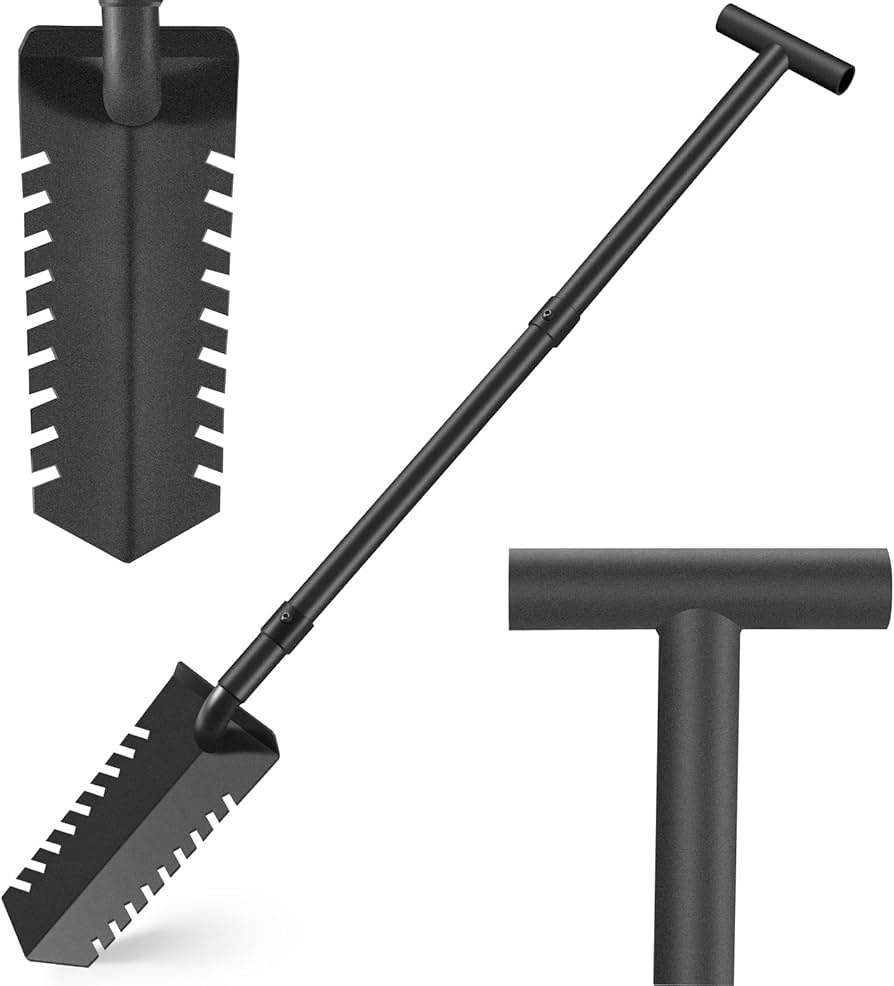
Metal Detecting Digging Tool: Top Picks & Pro Tips 2026
The right metal detecting digging tool makes the difference between a rewarding hunt and a frustrating one. A quality digger lets you recover targets quickly, protect the turf, and save your hands from unnecessary strain. This guide covers the main tool types, how to match one to your soil, proper digging technique, and maintenance that keeps your gear performing season after season.
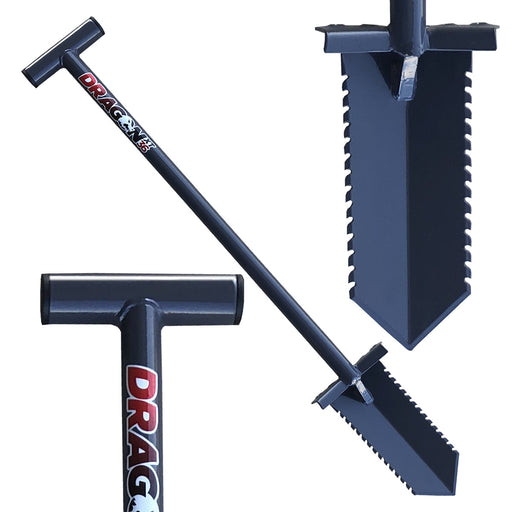
The right digger for your soil type saves time and protects your target.
Why Your Digging Tool Matters More Than You Think
Speed and clean plugs win hunts. A good metal detecting digging tool lets you cut, pry, and refill in under a minute. That means more targets recovered and less time spent kneeling over each hole. It also means you leave the ground looking undisturbed. You can also read our guide on best digging tools for metal detecting.
There is a trust factor at play too. Landowners and city crews judge the entire hobby by the holes we leave behind. Clean work keeps permissions open and parks accessible. Messy holes get places closed to detecting altogether.
The right shape and steel also protect your hands. A sharp edge glides through clay, and a strong spine resists roots and rocks. That translates to less strain and more time swinging your coil. For further reading, see grave-digger.com.
Types of Metal Detecting Digging Tools
Not all ground is the same, so your choice of digging tool should match your typical hunting sites and target depths. Here are the main categories and when each one excels.
Hand Diggers and Trowels
These belt-mounted tools are ideal for shallow targets in parks and tight spaces.
- Serrated hand digger: Cuts roots and clean plugs up to 6–8 inches deep. The serrations grip roots and saw through them efficiently.
- Hori hori style trowel: A wide, sharp blade that slices tidy plugs. The concave shape helps lift soil without spilling.
- Folding trowel: Packs small for travel, but many lack the rigidity for rocky or compact ground.
Shovels and Spades
When depth, clay, or open fields demand more power, a full-size tool earns its place in your kit.
- Long-handled shovel: Provides leverage and saves your back on deep holes in farm fields or woods.
- Narrow spade with V-tip: Slips between roots and creates slim, minimal plugs that are easy to close.
- D-handle spade: Offers control in tight cover and keeps your wrist in a comfortable position during repeated cuts.
Sand Scoops
Beach hunters need speed and drainage above all. A scoop is the essential metal detecting digging tool for sand.
- Aluminum scoop: Lightweight and easy to shake out dry sand. Great for dry sand hunts above the tide line.
- Stainless scoop: Withstands saltwater and rough surf conditions. Heavier, but far more durable.
- Long-handle scoop: Saves your back in the water and extends your reach in waves.
Specialty Tools
Some ground conditions call for more than a basic blade.
- Plug cutter: Creates uniform round plugs that fit back into place like a cap. Excellent for manicured lawns.
- Root saw: Clears stubborn roots without prying open large holes. A real time-saver in wooded areas.
- Probe: Helps you locate a coin's position before digging, reducing recovery time and hole size.
How to Choose the Best Metal Detecting Digging Tool for Your Soil and Sites
Start with your primary hunting locations. Park soil is not beach sand, and your tool must match the ground before it matches your detector. Consider your typical sites and choose accordingly. For further reading, see lesche.com.
Match Tool to Ground Type
| Ground Type | Recommended Tool | Key Feature |
|---|---|---|
| Soft parks and lawns | Serrated hand digger + narrow spade | Clean, hinged plugs |
| Farm fields and woods | Long-handled shovel with V-tip | Handles roots and rocks |
| Freshwater and salt beaches | Corrosion-resistant sand scoop | Long handle for water reach |
| Hard clay or frost | Tempered steel with strong spine | Sharp edge resists bending |
Key Build Details to Examine
Before you buy, inspect the small details that make a big difference in the field:
- Steel and temper: Heat-treated carbon steel holds an edge and resists flexing. Soft stainless steel will bend under pressure.
- Blade shape: A narrow, pointed blade enters the ground fast. A wide blade lifts larger, neater plugs.
- Grip and handle: Molded rubber grips reduce slip on wet days. D- or T-handles add control during prying motions.
- Sheath and carry: A quality sheath keeps edges sharp and safe on your belt between targets.
- Weight and length: Lighter tools move faster. Longer tools save your back when digging deeper holes.
If you're still planning your kit, you might also want to review the broader range of digging tools for tough ground to see what else could serve you in the field.
Budget Considerations
A cheap tool that bends costs you twice: once at the register, again when it fails mid-hunt. A solid mid-priced digger pays for itself across many seasons. If you're just starting out, invest in one quality hand digger before expanding your collection.
Digging Techniques, Recovery Speed, and Site Etiquette
Your tool is only half the job. How you dig matters just as much as what you dig with. Clean work keeps the hobby welcome and preserves good relationships with landowners.
The Hinged Plug Method for Lawns
This is the standard technique for leaving no trace on grass. Master it, and you'll be welcome back anywhere.
- Pinpoint tight. Use your detector and a handheld pinpointer to narrow the exact target location.
- Cut a hinged plug. Make three cuts in a C-shape, leaving the grass roots attached on one side.
- Lift, recover, and refill. Place the soil on a towel beside the hole. Remove the target, return the soil, close the flap, and press down.
- Brush and blend. Use your foot or hand to blend the edges. The goal is no visible sign after you step back.
Technique Adjustments for Different Sites
- Fields and woods: Go for small, direct holes rather than wide craters. A narrow spade works best here.
- Dry sand: Scoop deep and shake the sand through the holes in your scoop.
- Surf and wet sand: Trap the target with your foot and lift under it with the scoop to prevent washing.
Rules and Etiquette
Many parks allow detecting but require clean plugs and prohibit large shovels. Always obtain permission on private land. Fill every hole, even when you recover trash. Pack out sharp metal and junk you unearth. If your site has specific restrictions, follow them exactly—your conduct reflects on everyone who hunts there. The same care you apply to your digging applies to maintaining your tools, like keeping the working edge of a narrow garden tool sharp for clean cuts.
Care, Maintenance, and Safety
A well-maintained metal detecting digging tool cuts faster and lasts longer. A few minutes of care after each hunt saves hours of frustration in the field.
Routine Maintenance Checklist
- Keep the edge sharp. A fine file or diamond stone does quick work. A sharp edge digs faster and requires less effort.
- Clean after each hunt. Wipe off dirt and salt immediately. Dry thoroughly to prevent rust from forming.
- Oil lightly. A thin coat on the blade and serrations protects against moisture, especially in wet soil conditions.
- Check bolts and welds. Tighten loose parts before they fail in the field. Inspect handles for cracks.
- Store with a sheath. This protects both the edge and your gear bag.
Safety Habits That Matter
- Wear gloves. They protect against glass, nails, and brambles buried in the ground.
- Watch your feet. Cut away from your boots and maintain steady footing on slopes.
- Mind utilities. Never dig where buried lines may run. Know local marking rules and follow them.
- Pace yourself. Use your legs, not your back, for lifting. Switch hands periodically to reduce strain.
Field-Tested Picks and Price Tiers
Bargain tools fail in hard clay. Quality mid-range tools last for years. Here is how to sort your options by value rather than marketing hype.
Entry Level
- Best for: Soft soil, new hunters, occasional weekend use.
- Look for: A serrated hand digger with a solid sheath.
- Avoid: Thin stainless blades that flex at the tip under pressure.
Mid Tier
- Best for: Mixed soil in parks and fields, regular hunting.
- Look for: Heat-treated steel with a reinforced spine.
- Consider: A narrow spade with a clean foot step and D-handle.
Pro Grade
- Best for: Root-heavy ground, rocky sites, and long hunts.
- Look for: Tempered steel, strong welds, replaceable handles.
- For water: A stainless scoop with a stiff neck and braced handle.
Field tip: If a tool feels springy when you pry, it will eventually bend. If it bites cleanly with little effort, that is the right tool for your ground.
Digging blisters and hard ground can take a toll on your hands. Even with the correct technique, knowing how to hold a trowel properly reduces fatigue during long hunts.
Real-World Lessons and Mistakes to Avoid
A bargain trowel in compact clay is a recipe for frustration. It will bend on the third target, costing you time and potentially a good find. Match your tool to your soil first, and let your budget follow.
Wide plugs on a manicured lawn draw unwanted attention. A groundskeeper will notice, and that single interaction can end access for everyone. Switch to a narrow spade, use C-cuts, and blend the grass well. Clean work builds trust faster than any argument about the hobby's benefits.
At the beach, lightweight aluminum scoops flex and crack in rough surf. Upgrade to a braced stainless scoop before tackling heavy conditions. The right metal detecting digging tool is a quiet partner that simply works, letting you focus on the signals.
Frequently Asked Questions
What is the best metal detecting digging tool for parks?
A serrated hand digger paired with a narrow spade. These cut small, clean plugs and protect turf effectively.
Can I use a regular garden trowel for metal detecting?
You can, but most garden trowels bend or dull quickly. A purpose-built digging tool uses stronger steel and better serrations designed for recovery work.
How deep should I dig with a hand digger?
Most coin targets sit within 6 to 8 inches. If your target is deeper, switch to a shovel designed for clean, narrow plugs.
Are sand scoops worth it for beach hunting?
Yes. They speed recovery and drain quickly. In surf conditions, a long-handled stainless scoop holds up best.
How do I keep my digging tool from rusting?
Clean and dry it after each hunt. Add a thin coat of oil and store it in a sheath to keep moisture away.
What size plug should I cut on a lawn?
Keep it about 4 to 6 inches across. Use a hinged plug so grass roots stay alive and the lawn recovers quickly.
Do I need a pinpointer with my digging tool?
It is not strictly required, but it saves significant time and reduces hole size. You will dig faster and cleaner with one.
Conclusion
The right metal detecting digging tool turns good signals into clean finds, fast. Match your tool to your soil, keep your plugs tidy, and maintain your gear properly. Your sites will look great, and your finds pouch will get heavier.
Take one step today: pick the tool that fits your primary hunting ground, sharpen the edge, and practice a clean plug routine. Consistent recovery habits and respectful digging will make you a better hunter and keep the hobby thriving. If you dig in particularly rocky or compact ground, you might also want a specialised tool for hard soil in your arsenal.


