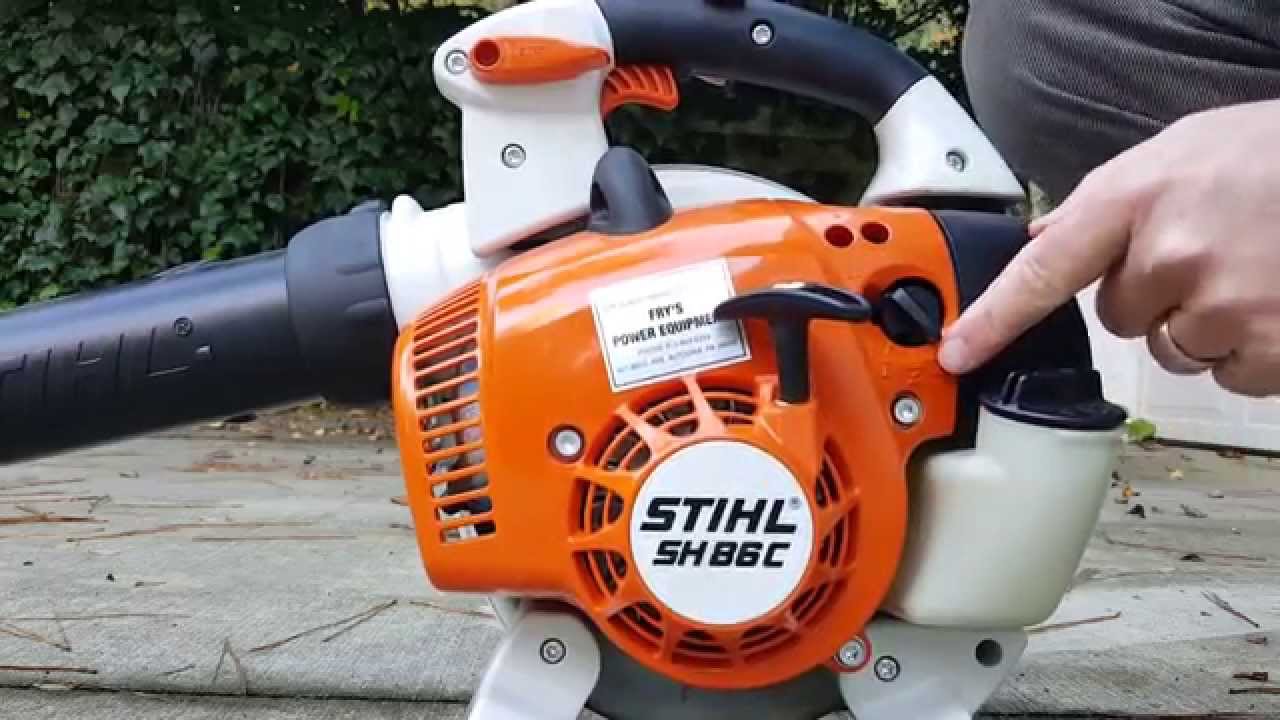
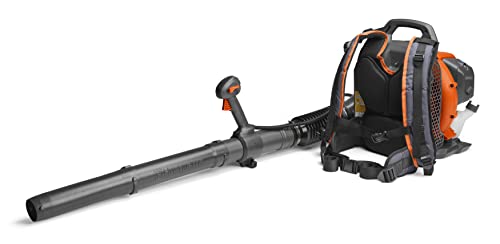
Check fuel or battery, set the choke, prime, then pull or press start.
You want a simple, safe way to master how to start a leaf blower. I’ve started hundreds of gas, battery, and corded units for work and home. In this guide, I break down what works, what fails, and why. Follow along and you’ll know how to start a leaf blower fast, even on cold mornings or after storage.

Safety first and pre-start checklist
Before you learn how to start a leaf blower, set up your space. This keeps you safe and makes the machine start easier.
Wear the right gear. Protect your eyes and ears. Gloves help with grip and vibration.
Check the area. Keep kids, pets, and bystanders clear. Remove stones and debris that could fly.
Check the machine. Look for loose parts, cracked fuel lines, or damaged cords. Confirm the tube is locked in place. Make sure the switch is set to On.
Gas models need a quick fuel check. Use fresh fuel. Most two-stroke engines need a 50:1 mix. Many four-stroke models use straight gas. Do not guess. Use the label on the unit or the manual.
I once flooded a blower by pressing the primer too much. The fix was to open the throttle, turn the choke off, and pull a few times to clear the chamber. If you over-prime, wait 10 minutes and try again.

Understand your blower type
How to start a leaf blower depends on the power type. Each has a different sequence and common issues.
- Gas two-stroke: Needs mixed fuel and a choke. Often includes a primer bulb and a throttle lock.
- Gas four-stroke: Uses straight gas. Still may need choke and primer. Often starts with fewer pulls.
- Cordless battery: No choke or primer. Starts with a safety key or trigger and a button.
- Corded electric: Plug in to a grounded outlet. Use the right gauge extension cord. Hold the safety and pull the trigger.
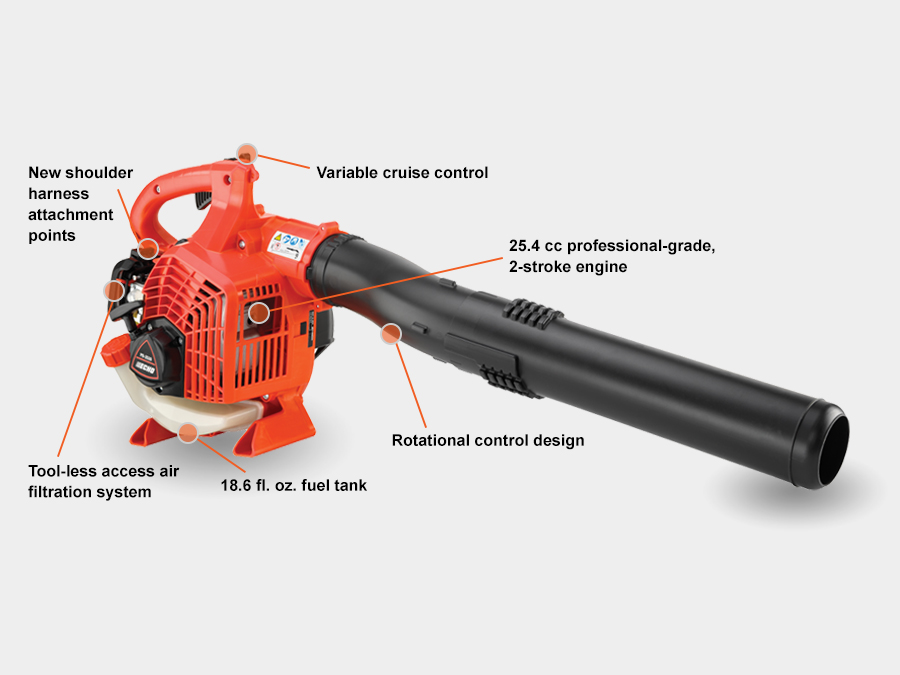
Know your controls. Map the On/Off, choke, primer bulb, throttle lock, and start button or pull cord. This quick check saves time and avoids hard starts.

Step-by-step: how to start a leaf blower
Use the steps for your model to make how to start a leaf blower simple and repeatable.
Gas leaf blower (cold start)
- Move the blower to a flat, clear spot. Set the switch to On.
- Press the primer bulb 5 to 6 times until you see fuel in it.
- Set the choke to Full. Lock the throttle if your model has it.
- Place your foot on the rear housing. Hold the handle firm. Pull the starter cord until it sputters.
- Move the choke to Half. Pull again until the engine runs.
- Let it run for 10 to 20 seconds. Move the choke to Run. Squeeze the trigger a few times to clear it.
Gas leaf blower (warm restart)
- Set switch to On. Choke to Run. Do not prime.
- Pull the cord 1 to 3 times. If it does not start, set choke to Half and try again.
If you flood the engine
1. Turn choke to Run. Hold full throttle open.
2. Pull 6 to 10 times to clear extra fuel.
3. If it fires, feather the trigger and let it idle.
Cordless battery blower
- Insert a charged battery until it clicks. Confirm the battery is seated.
- Press the safety lock or key if present.
- Press the start button or hold the trigger. Use Turbo only after it starts and runs.
Corded electric blower
- Use a heavy-duty outdoor cord of the right gauge for the length.
- Plug into a GFCI outlet. Check the cord connection at the blower.
- Move the switch to On. Hold the trigger or switch as directed.
When you know how to start a leaf blower the right way, you save time and reduce wear. If a pull feels hard, stop. Check the choke and the switch before you yank harder.

Troubleshooting: blower won’t start
Even with the right steps, some blowers fight. Use these quick checks to solve the common issues fast.
Gas blower checks
- No sputter at all: Confirm switch is On. Check for fuel in the bulb. Replace the spark plug if worn or wet. Reseat the plug wire.
- Flooded engine: Choke to Run, throttle wide open, then pull several times. Wait 10 minutes if needed.
- Old or wrong fuel: Drain and add fresh fuel (use the right mix). Add a small dose of stabilizer.
- Airflow block: Clean or replace the air filter. Check the exhaust spark arrester screen for carbon.
- Fuel delivery: Inspect fuel lines and primer bulb for cracks. If dry or brittle, replace. If it still fails, the carb may need cleaning or a rebuild kit.
Battery blower checks
- No power: Charge the pack. Cold or hot batteries may not run; let them reach room temp.
- Poor contact: Reseat the battery. Clean the contacts with a dry cloth.
- Safety lock: Make sure the key, lock, or mode switch is set to Run.
Corded blower checks
- Outlet and cord: Test with another tool. Reset the GFCI. Use the right gauge cord to prevent voltage drop.
- Thermal trip: Let it cool for 15 minutes. Clean intake vents so it can breathe.
- Switch failure: If all else is fine, the switch may be worn and need service.
If you keep notes on what fixed the issue, how to start a leaf blower becomes second nature. A quick log helps spot patterns like bad fuel or a weak battery.
Pro tips from the field
These tips come from years of starts in heat, cold, and everything between. They make how to start a leaf blower faster and easier.
- Cold weather tip: Two extra primes and a longer Half choke warm-up help. Don’t rev hard at first.
- Hot restart tip: No prime, choke on Run, short pulls. If it balks, Half choke for one pull, then Run.
- Fuel care: Mix small batches. Use fresh fuel within 30 days. Stabilizer extends life and preserves easy starts.
- Pull technique: Firm base, short smooth pulls. Let the cord rewind each time. Do not let it snap.
- Storage move: Run the carb dry before long storage. This prevents varnish and hard starts next season.
I teach new crew members the same routine. Within a day, they know how to start a leaf blower by sound and feel. The habit is what makes the difference.

Maintenance for easy starts next time
A little care turns a hard starter into a one-pull machine. It also keeps you safe and saves money.
- Every 5 hours: Check air filter and clean. Inspect the spark plug lead. Look for loose fasteners.
- Every 25 hours: Replace the air filter. Inspect or replace the spark plug. Check the fuel filter.
- Seasonally: Clean the spark arrester screen. Inspect primer bulb and fuel lines. Replace if cracked.
- Battery care: Store packs at 40% to 60% charge in a cool, dry place. Do not leave on the tool in storage.
- Cord care: Use the right gauge cord. Replace cords with cuts or crushed ends.
Follow the manual for your model. Most small engine makers call for the same basics. Keep records, and how to start a leaf blower will stay quick and reliable.

Frequently Asked Questions of how to start a leaf blower
Why won’t my gas leaf blower start after winter?
Old fuel is the top cause. Drain the tank, add fresh fuel, and install a new plug and air filter if they are worn.
How many times should I press the primer bulb?
For most models, 5 to 6 presses work for a cold start. If the bulb never fills, you may have a cracked line or a bad bulb.
Do I need to choke a warm engine?
Usually no. Set the choke to Run and pull. If it resists, try Half choke for one pull, then switch to Run.
What fuel mix should I use for a two-stroke blower?
Most use 50:1, but always check your label or manual. Use fresh, ethanol-safe oil and clean gas for easy starts.
Why does my blower start then stall?
This is often a clogged air filter, fouled plug, or blocked spark arrester screen. Clean or replace these parts and try again.
How to start a leaf blower if the pull cord is stuck?
Remove the spark plug and check for a hydrolock from flooding. If the recoil is damaged, it needs service or replacement.
Conclusion
Now you know how to start a leaf blower with clear steps for gas, battery, and corded models. You can prime, choke, and pull with confidence, and fix common no-start issues in minutes. Keep fuel fresh, clean filters, and use the right start sequence for the weather.
Put this guide to work today. Try the steps on your blower, log what happens, and you’ll master it fast. Want more step-by-step outdoor tool guides? Subscribe, share your questions, or leave a comment with your model and what worked for you.