Wear PPE, inspect the saw, set the brake, set controls, start on the ground.
I’ve started hundreds of saws on job sites and homesteads. This guide shows how to start a chainsaw safely, step by step, with clear checks, safe stances, and fixes for common issues. If you want confidence with your first pull and fewer risks, read on. You’ll learn expert tips most manuals skip, without the complex jargon.
Safety basics and gear you must use
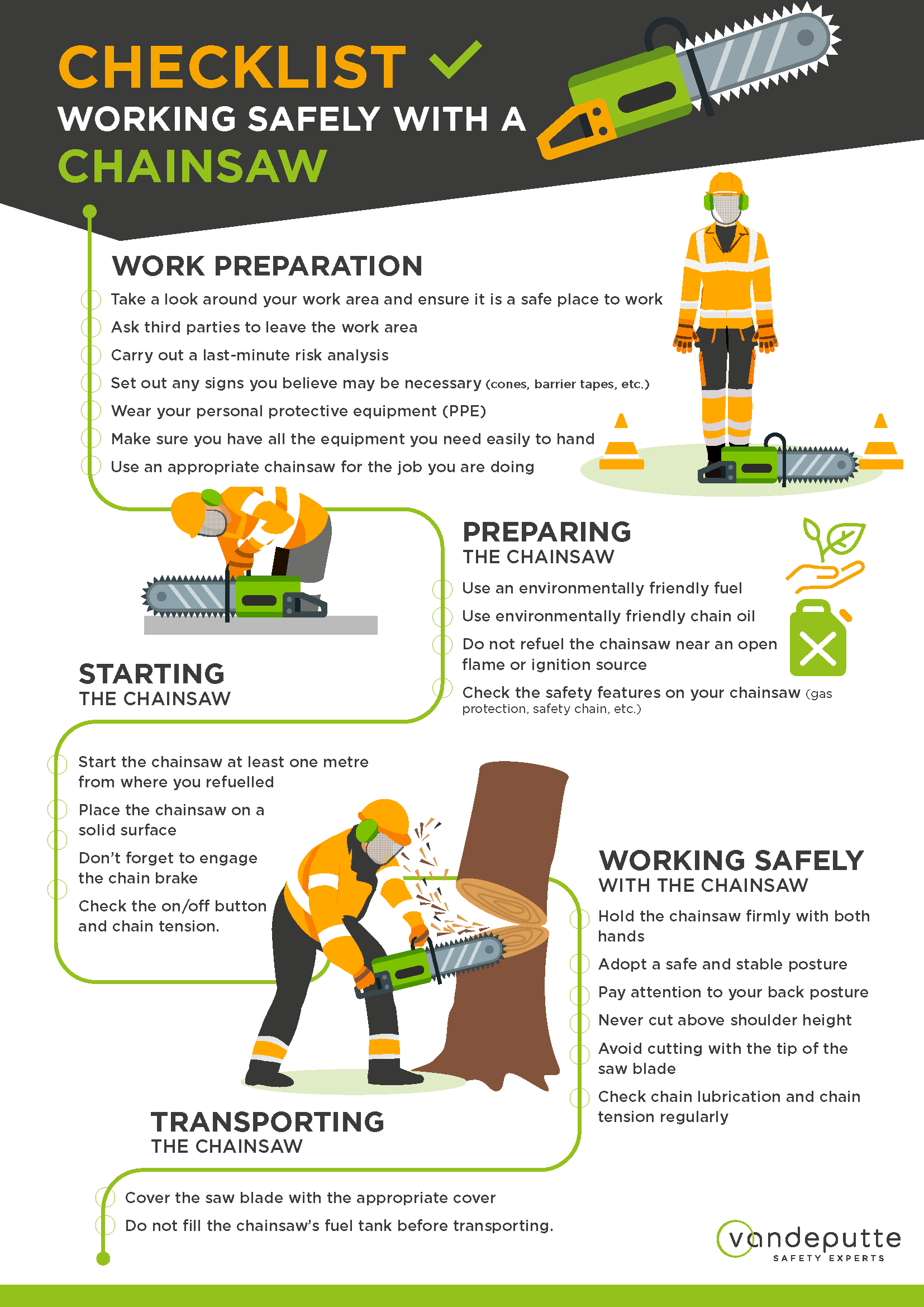
Starting a chainsaw is the most dangerous moment. The engine revs and the chain can move. Control comes from your gear and your stance. Before you learn how to start a chainsaw safely, suit up and set your space.
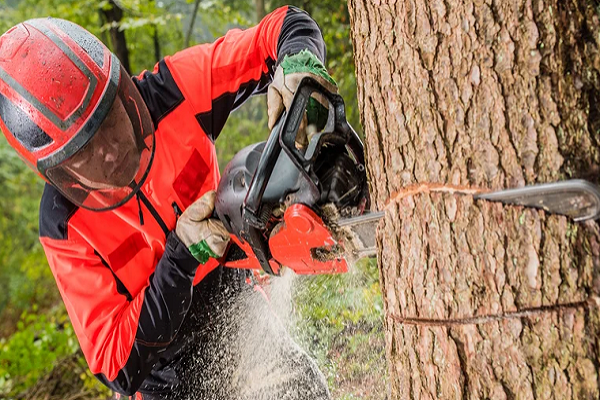
Wear:
- Helmet with face shield or goggles. Protect your eyes and head from debris.
- Hearing protection. Chainsaws are loud and harm hearing fast.
- Cut-resistant gloves. Improve grip and reduce cuts.
- Chainsaw chaps or cut-resistant pants. These can stop a chain at leg height.
- Steel-toe boots with good traction. Keep your stance stable.
Set your space:
- Clear the ground of sticks, rocks, and slick spots.
- Keep pets and people 10 feet or more away.
- Place the bar clear of dirt. Avoid contact with the chain.
These basics are the core of how to start a chainsaw safely. They lower risk and raise control before you even pull the cord.
Pre-start checks: saw, site, and fuel
Before you pull, make quick checks. Three minutes here can save a day of trouble. This is part of how to start a chainsaw safely that many skip.
Do a fast saw check:
- Chain brake on. The top guard should click forward.
- Chain tension set. The chain should snap back and not sag.
- Bar oil full. A dry bar burns fast and dulls the chain.
- Chain sharp and facing the right way. Teeth should point forward on the top run.
- Controls free. Throttle lock, choke, and primer should move smooth.
- Decompression valve works, if fitted. It makes pulls easier.
Fuel and power:
- For gas saws, use fresh fuel mix. Most saws use 50:1 gas-to-oil. Check your manual.
- For battery saws, charge the pack and seat it well.
- For corded saws, use a heavy-duty outdoor cord and a GFCI outlet.
Site check:
- Wind, slope, and footing matter. Face uphill if on a slope.
- Plan your cut path and escape routes now.

Step-by-step: how to start a chainsaw safely (cold, warm, flooded)
Different conditions need different steps. Follow these short sequences to avoid kickback and false starts. Mastering these sequences is the heart of how to start a chainsaw safely.
Cold start (gas)
- Engage the chain brake.
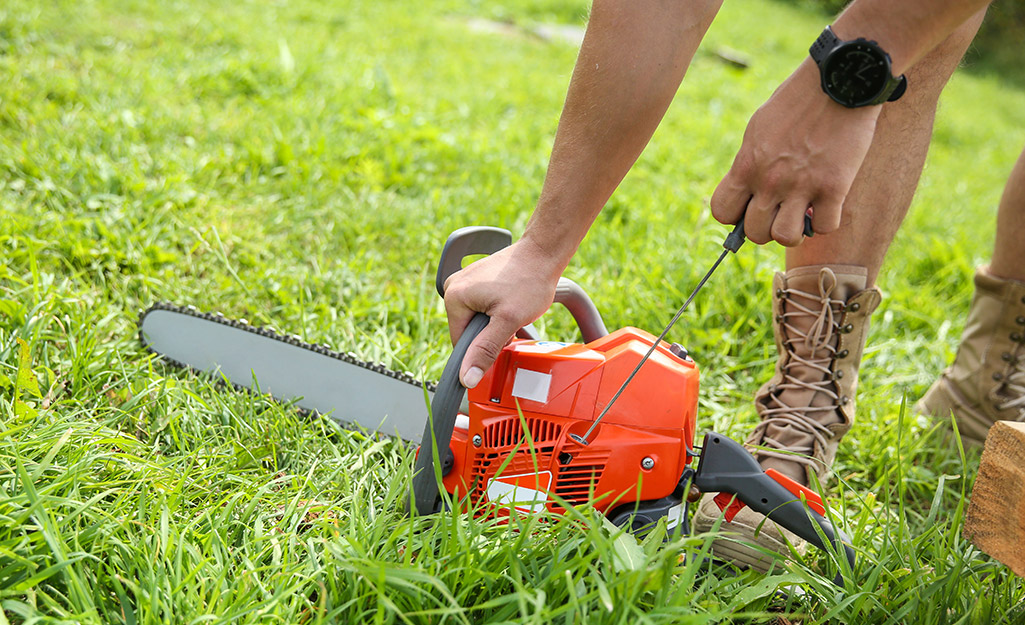
- Place the saw on flat ground. Bar clear of earth and wood.
- Right foot through rear handle. Left hand on front handle. Keep your weight over the saw.
- Set choke to full. Press primer bulb 5 to 8 times if present.
- Engage decompression valve if fitted.
- Pull the starter until it coughs or pops.
- Move choke to half. Pull again until it starts.
- Tap the throttle to let it idle. Warm for 30 to 60 seconds.
- Check oiling by pointing the tip at a clean surface and blipping the throttle. A light oil line should appear.
- Release the chain brake only when ready to cut and stance is set.
Warm start (gas)
- Engage the chain brake.
- Set choke to run or half, not full.
- Use the same ground stance and pull. It should fire in a few pulls.
- Let it idle steady. If it stalls, try half choke and repeat.
Flooded engine recovery
- Engage the chain brake.
- Set choke to run. Open the throttle fully.
- Pull 8 to 10 times to clear fuel. Use decompression if fitted.
- When it sputters, ease the throttle. If needed, switch to half choke for one pull.
Battery or corded start
- Engage the chain brake.
- For battery, seat the pack. For corded, route the cord behind you.
- Place the saw on the ground or hold in leg lock. Never drop start.
- Press power and safety switch. Squeeze the trigger to idle-ready.
- Release the chain brake only when you are in cutting stance.
These exact steps show how to start a chainsaw safely without guesswork. They match maker manuals and field best practices.
Safe starting positions and body mechanics
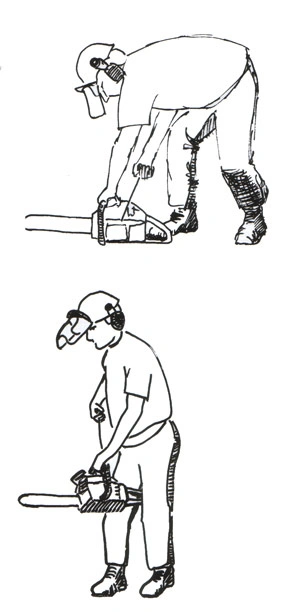
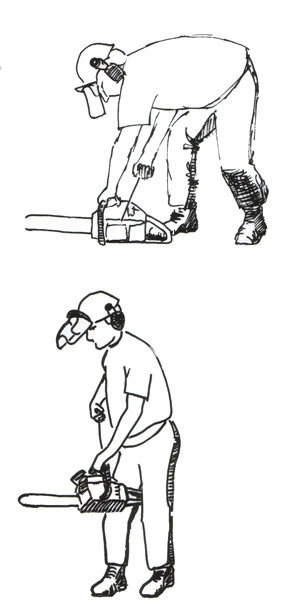
Your stance keeps the bar stable and the chain controlled. Two methods work well. Both are core to how to start a chainsaw safely.
Ground method:
- Chain brake on. Bar clear of obstacles.
- Right foot through rear handle. Left hand on the front handle.
- Straight back, bent knees. Pull the cord with the right hand in short, firm strokes.
Leg lock method:
- Chain brake on. Rear handle locked behind your right knee or against your thigh.
- Left hand on front handle. Bar angled away from you, tip clear.
- Pull starter with your right hand. Keep the saw tight to your leg.
Never drop start. Drop starts lose control and raise kickback risk. Keep the bar off the ground to avoid dulling the chain.
Troubleshooting, care, and ongoing safety
Small issues grow fast if ignored. Knowing these fixes is part of how to start a chainsaw safely and keep it running right.
If it will not start:
- Check fuel age. Old gas causes hard starts. Use fresh mix.
- Inspect the spark plug. Clean or replace if fouled or cracked.
- Check the air filter. Clean or replace if clogged.
- Confirm the on/off switch is on. It happens to all of us.
If it starts then stalls:
- Set idle per the manual. A turn on the idle screw can help.
- Check for air leaks or cracked fuel lines. Replace worn parts.
- Clean the carb screen and filter. Fine dust can starve fuel.
If the chain moves at idle:
- Engage the chain brake and shut down.
- Reduce idle speed. Inspect clutch springs for wear.
Care tips:
- Add bar oil every time you refuel.
- Store with empty tank or with stabilized fuel.
- Keep the chain sharp. A sharp chain cuts fast and stays safer.
- Review the manual. Brands place controls in different spots.
These habits lift your skill and prove you know how to start a chainsaw safely day after day.
Common mistakes to avoid when learning how to start a chainsaw safely
- Skipping the chain brake. This invites kickback and chain creep.
- Drop starting. It looks fast but it is dangerous and unstable.
- Starting on uneven ground. Poor footing leads to trips and loss of control.
- Using full choke too long. This floods the engine and wastes time.
- Ignoring bar oil. A dry bar overheats and dulls fast.
- Wearing no PPE. Even a small kick can cause a deep cut.
- Pulling with a bent wrist. Use your arm and body, not your wrist alone.
- Letting others stand close. Keep a clear zone around you.
Learning how to start a chainsaw safely means avoiding these habits from day one.
Frequently Asked Questions of how to start a chainsaw safely
What is the safest way to hold a saw when starting?
Keep the chain brake on, plant the saw on the ground, and use the foot-through-handle method. This holds the saw still and reduces kickback.
Can I start a chainsaw without the chain brake on?
You should not. The brake keeps the chain from moving at start, which is when control is lowest.
How many times should I prime the bulb?
Most saws need 5 to 8 presses. Stop when you see fuel in the clear line or feel resistance.
Why does my saw start and then die?
Often the choke is still on, the air filter is clogged, or idle is set too low. Adjust the choke, clean the filter, and set idle per the manual.
Is drop starting ever okay?
No. It is unsafe and often against safety rules. Use the ground or leg lock method every time.
What fuel mix do I use?
Most modern saws use 50:1 gas-to-oil with fresh, ethanol-free gas if possible. Always check your manual to confirm.
How do I start a flooded chainsaw?
Set choke to run, hold the throttle open, and pull until it clears. Then use half choke for one pull if needed.
Conclusion
Starting a chainsaw is simple when you control each step. Use PPE, set the chain brake, choose a stable stance, and follow the right start sequence for your saw. That is how to start a chainsaw safely every time, with fewer pulls and less risk.
Practice the steps today before your next cut. Build the habit, and your hands will do the right thing when it matters. If this helped, subscribe for more field-tested tips, or leave a comment with your questions and wins.