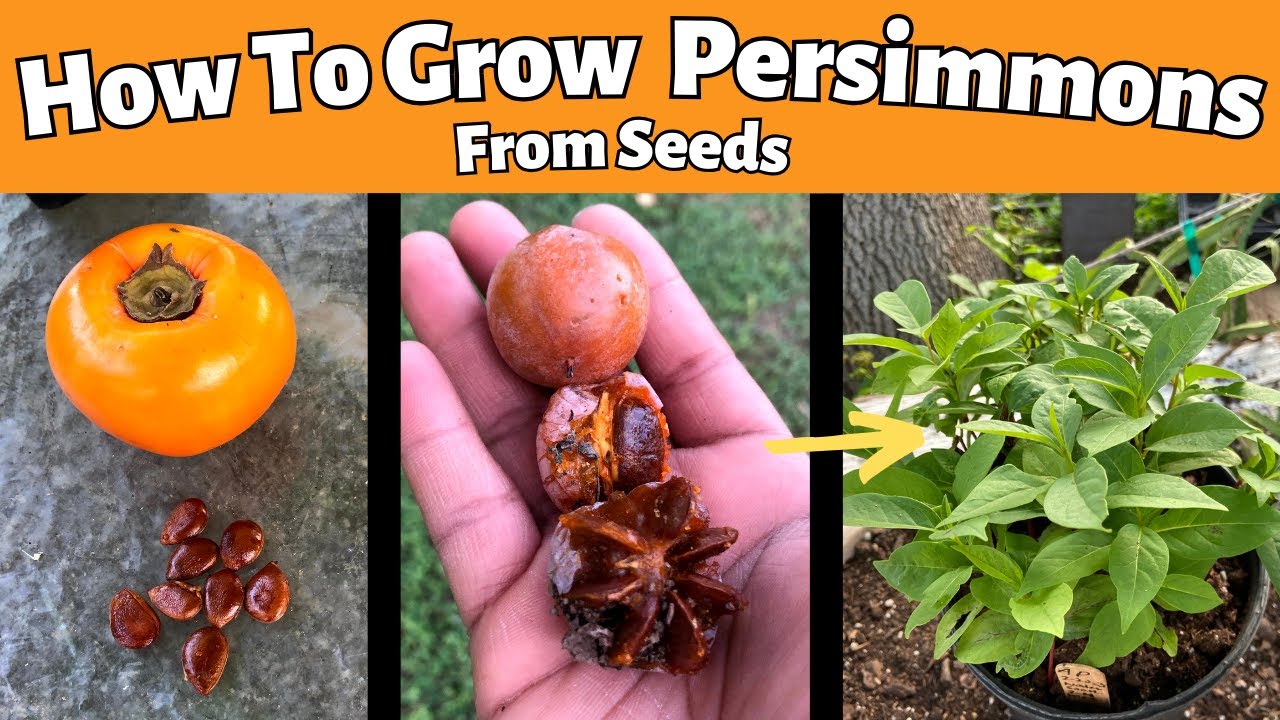
Collect ripe persimmon seeds, cold-stratify, sprout warm, transplant carefully, and care patiently.
I’ve raised persimmons from seed in different climates and soils. In this guide, I show how to grow a persimmon from seed with clear steps, science-backed tips, and real mistakes I learned from. If you want a complete, practical plan on how to grow a persimmon from seed, you are in the right place.
Understanding persimmons and seed-grown trees
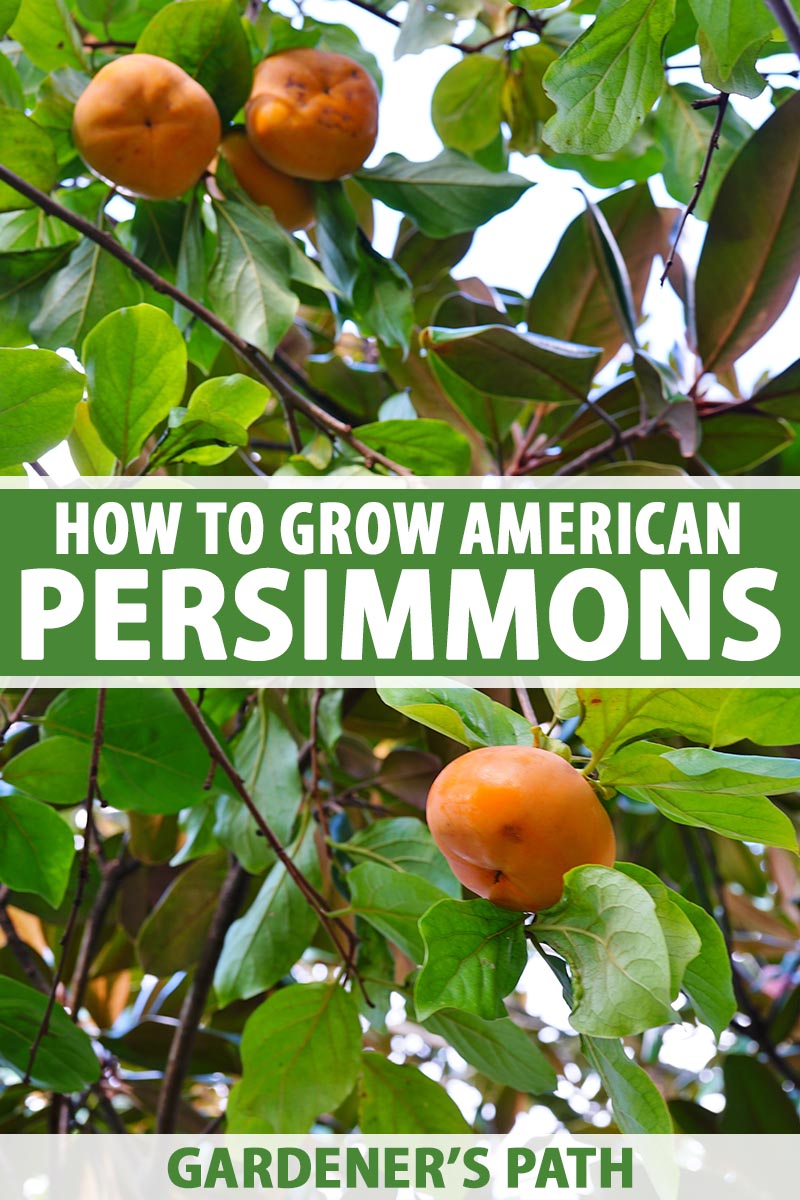
Persimmons belong to the Diospyros genus. The two common types are Asian persimmon (Diospyros kaki) and American persimmon (Diospyros virginiana). Asian types suit zones 7 to 10. American types can handle colder zones.
Seed-grown trees are unique. They may not match the fruit quality of the parent. This is normal for many fruit trees. They also take time to bear. Expect 4 to 8 years, sometimes longer.
Many Asian persimmons set fruit without seeds. You need seeded fruit for this project. If you came here to learn how to grow a persimmon from seed, start by choosing the right species and climate.

Tools, timing, and choosing the right fruit
Start with ripe fruit in fall or winter. Fully soft fruit has mature seeds. Some store-bought fruit has no seeds, so check before you buy many.
Gather simple tools. Keep it clean to avoid mold.
- Tall pots or tree pots for deep roots
- Seed starter mix or fine compost and perlite
- Zip bags, labels, and a marker
- Vermiculite or peat moss for stratification
- A spray bottle and a clean sieve
If you want the best chance at how to grow a persimmon from seed, pick fruit from healthy trees. Choose seeds that look full and brown, not flat or cracked.
Preparing and stratifying persimmon seeds
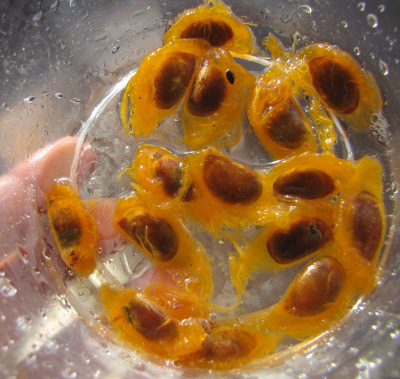
Clean the seeds well. Rinse off pulp in cool water. Soak in clean water for 12 to 24 hours. Discard any floaters.
Reduce pathogens. A quick 10-minute dip in a 1:10 bleach and water mix is helpful. Rinse again. Let the seeds surface dry.
Persimmons germinate best after cold stratification. Most seeds need 60 to 90 days at 34 to 41°F. Place seeds in a bag with moist vermiculite or peat. The mix should be damp, not soggy.
Label the bag with date and species. Keep it in the fridge. Open the bag once a month for fresh air. Check for early root tips.
You can also winter sow outdoors in a protected pot. This mimics nature. It is slower but low effort. Many readers who ask how to grow a persimmon from seed enjoy this method.

Germinating and potting up seedlings
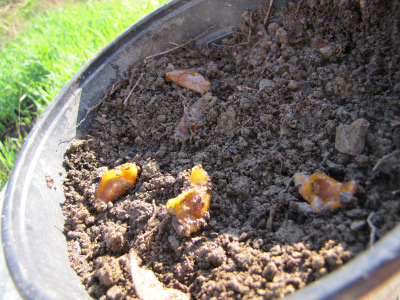
After stratification, sow seeds in pots. Use a deep container to support the taproot. I like 10 to 14-inch tree pots.
Use a fast-draining mix. A blend of compost, pine bark, and perlite works well. Sow seeds 0.5 to 1 inch deep. Keep the mix moist but not wet.
Give warmth and light. Aim for 70 to 75°F. A bright window or LED light is fine. Germination takes 2 to 6 weeks in my experience.
Handle seedlings with care. Persimmons form a strong taproot early. Do not tug the stem. Move the whole root ball if you must.
If you care about how to grow a persimmon from seed without losses, avoid root damage. Seedlings remember stress. They sulk and stall.
:strip_icc()/bhg-persimmon-2152101_HOMEG095M_VG-c3d13623372a49e08dd0d7c33c9c9564.jpg)
Transplanting outdoors and early care
Transplant after the last frost. Harden off seedlings for 7 to 10 days. Give them short time outdoors at first, then increase daily.
Choose a sunny site. Persimmons like full sun and well-drained soil. A pH of 6.0 to 7.5 is ideal. Avoid soggy spots.
Dig a wide hole. Set the tree at the same depth as the pot. Backfill and water well. Add a 2 to 3-inch mulch ring. Keep mulch a few inches from the trunk.
Water deeply once a week in the first year. Adjust for rain and heat. Shade cloth helps in harsh sun and wind.
Protect from wildlife. Use a trunk guard against rabbits and voles. A small fence keeps deer away from tender shoots. If you follow these steps, how to grow a persimmon from seed becomes far less risky.

Long-term care: water, feeding, pruning, and training
Water during dry spells. Deep, slow soaks work best. Aim for steady soil moisture, not mud.
Go light on fertilizer. In year one, skip or use a very small amount. In year two, use a balanced, slow-release feed in spring. Too much nitrogen makes weak, lush growth.
Train a central leader. Persimmons like a strong single trunk. Prune in late winter to shape and remove crossing limbs. Keep cuts clean and small.
Maintain a clean base. Mulch to suppress weeds and hold moisture. Keep mulch off the trunk to prevent rot. In hot regions, whitewash the trunk to reduce sunscald.
These simple habits are core to how to grow a persimmon from seed that thrives. Slow and steady care wins.

Common problems and how to prevent them
Damping-off kills young seedlings. Use clean tools and well-drained mix. Do not overwater.
Root rot happens in wet soil. Fix drainage first. Water less but deeper.
Scale insects and mealybugs may show up. Wipe with a cloth and horticultural oil. Repeat as needed. Persimmons are often pest-light compared to other fruit trees.
Leaf spots can occur in humid weather. Improve air flow. Remove fallen leaves. Use copper sprays only if needed and label-approved.
Wildlife is the top threat in many yards. Use guards and fencing. Protect young bark and buds. If you are learning how to grow a persimmon from seed, this step saves a season.

Timeline, expectations, and grafting options
Seedlings take patience. Expect 4 to 8 years to fruit. American persimmons in cool zones may take longer.
Seedlings may vary in quality. Some will be great. Some average. That is part of the charm.
You can graft a known cultivar onto your seedling rootstock. Graft in late winter or early spring. Whip-and-tongue or bark grafts work well on pencil-thick stock.
Grafting gives you reliable fruit quality and faster bearing. Keep one strong leader after the graft takes. If your goal is how to grow a persimmon from seed and still get top fruit, grafting is a smart pivot.
Harvest quality from seed-grown persimmons
Seedlings often have unique flavor. Some are rich and spicy. Some are mild. Let fruit ripen fully on the tree for best taste.
Astringent types must soften fully before eating. Wait until they feel like a water balloon. Non-astringent types can be eaten firm.
Pick gently. Store at room temperature until soft. Cold can cause browning in some types. Try drying and baking to enjoy different textures.
Frequently Asked Questions of how to grow a persimmon from seed
Do persimmon seeds always need cold stratification?
Most do better with 60 to 90 days of cold, moist stratification. Some may sprout without it, but rates are lower and slower.
How long does it take a seed-grown persimmon to fruit?
Expect 4 to 8 years, sometimes more. Good sun, water, and care can shorten that timeline.
Will the fruit be the same as the parent tree?
Not always. Seedlings are genetic mixes, so fruit can be better, worse, or just different.
When should I transplant my persimmon seedling outside?
Move it after the last frost. Harden off for a week or more to avoid shock.
What size pot is best for early growth?
Use tall, deep pots to support the taproot. Tree pots or root-trainers prevent coiling and help later transplanting.
Conclusion
Raising a persimmon from seed is a slow, rewarding craft. You learn by doing, season by season. With clean seed prep, proper stratification, patient watering, and gentle pruning, you can shape a strong tree.
If you want predictable fruit, consider grafting later. If you want the fun of discovery, let the seedling show its flavor. Either way, you now know how to grow a persimmon from seed with confidence.
Put a few seeds in the fridge this week. Start small. Track your steps. Share your wins and lessons. Subscribe for more fruit-growing guides, and drop your questions or progress in the comments.