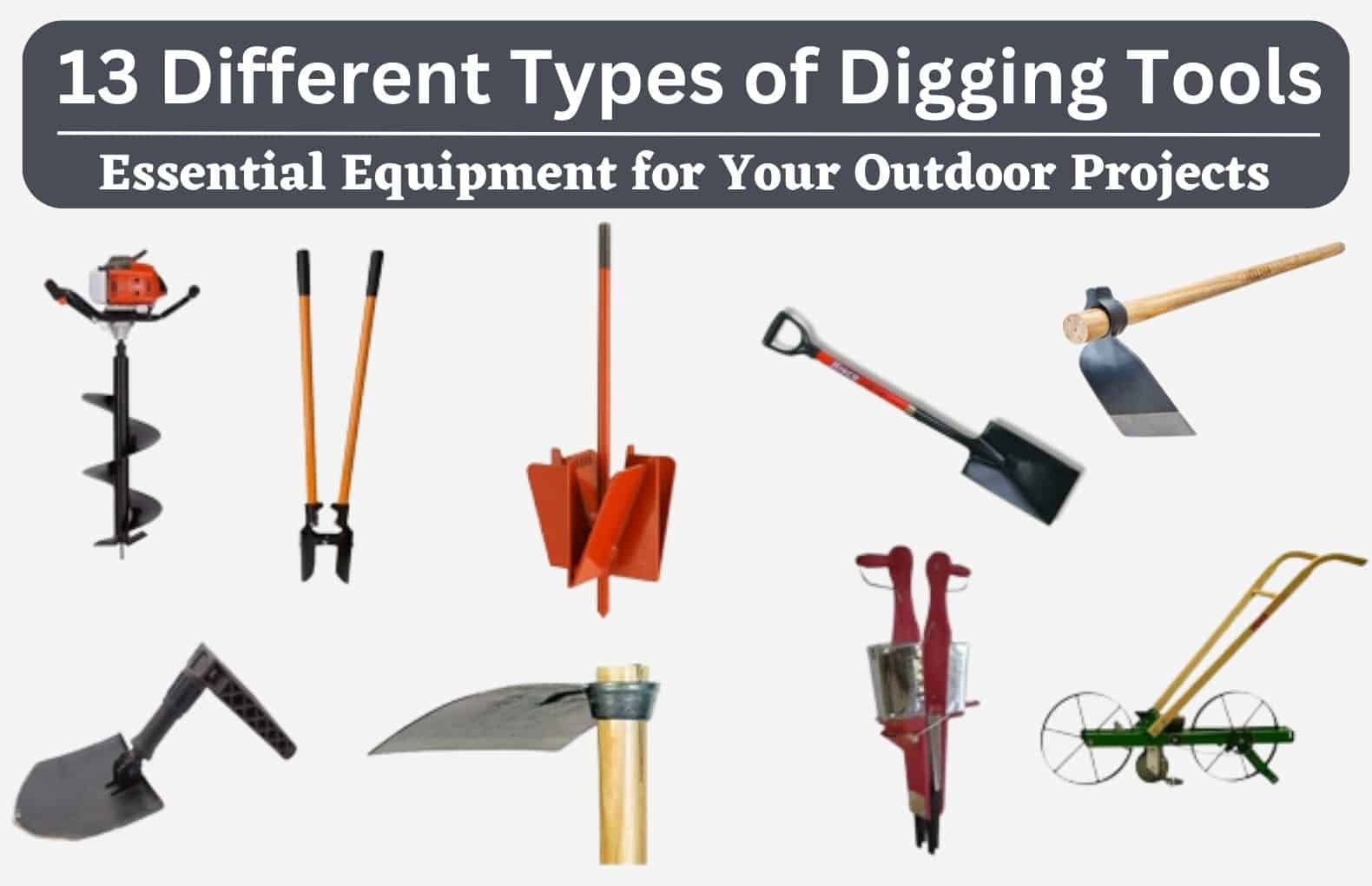
Best tools for digging are spades, shovels, forks, trowels, mattocks, and post-hole diggers.
If you want clean holes, neat edges, and less effort, the right tool matters. I’ve tested gardening tools for digging in clay, loam, and sand across small yards and large beds. In this guide, I’ll help you choose the best gardening tools for digging, use them well, and care for them so they last for years.
How to choose the right tool
Picking the right tool starts with your soil and task. Clay needs power and leverage. Sandy soil prefers wider blades. Loam can take almost any tool, but sharp edges still help. Match the task to the tool and you will work faster with less strain.
Use this quick guide:
- For planting small plants: use a trowel or a hori hori.
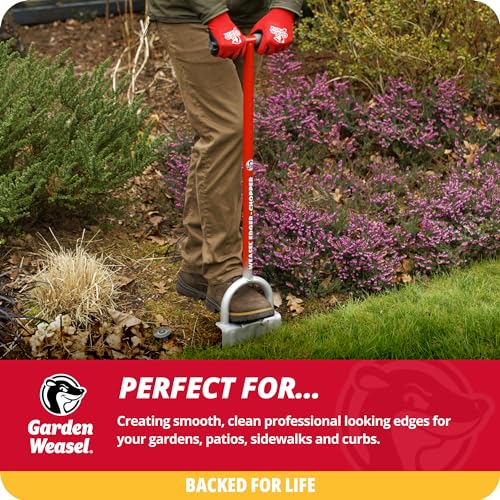
- For edging, slicing, and straight cuts: use a spade.
- For moving soil and digging larger holes: use a round point shovel.
- For breaking hard ground and lifting clumps: use a digging fork or mattock.
- For deep, narrow holes: use a post hole digger or auger.
If you are unsure, test in a small area first. The goal is to let the tool do the work. Good gardening tools for digging save your back and your time.

Essential digging tools and when to use them
Spade
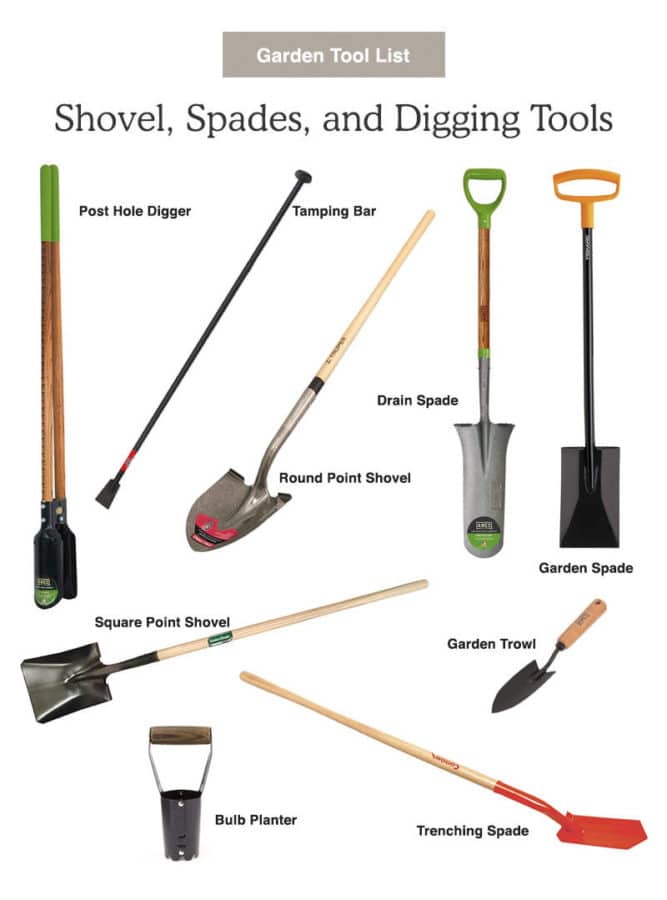
A spade has a flat, straight blade. It is great for edging, cutting sod, and making neat sides in trenches. Choose a spade with a tread for your boot and a D-grip for control. I use a spade to slice through roots and to shape beds. Keep the edge sharp.
Tips:
- Pick a 12–14 gauge steel blade for strength.
- A shorter handle gives more control near edges.
- A slight forward tilt in the blade helps with leverage.
Shovel
A round point shovel is your go-to for most digging. It has a curved blade that enters soil well. It lifts and moves soil too. In heavy clay, step on the tread and rock the handle to break the plug. A square shovel is better for scooping and cleanup, not for primary digging.
Tips:
- Look for a strong collar and solid welds.
- Choose a fiberglass or ash handle if you want less vibration.
- A longer handle adds leverage for deeper holes.
Garden fork
A digging fork lifts, loosens, and turns soil with less compaction. The tines slide between roots and stones. I use it to open clay after rain and to blend compost. A border fork is lighter for raised beds.
Tips:
- Choose forged or heat-treated tines.
- Avoid cheap pressed tines; they bend in clay.
- Great for potato harvest and gentle root work.
Trowel and hori hori
A trowel is a small hand tool for planting and small holes. A hori hori is a Japanese knife-trowel. It cuts, digs, and measures depth. I keep a hori hori on my belt for fast tasks and tough roots.
Tips:
- Stainless steel resists rust and cleans fast.
- A depth gauge on the blade helps with bulbs.
- Use a sheath for safety.
Post hole digger and digging bar
A post hole digger makes narrow, deep holes for posts and trees. Use a digging bar to break rocks and hardpan. I pair both tools when setting fence posts. It keeps holes tidy and straight.
Tips:
- Wet the area the day before in drought.
- Mark depth on the handle with tape.
- Check for utilities before you dig.
Mattock and pickaxe
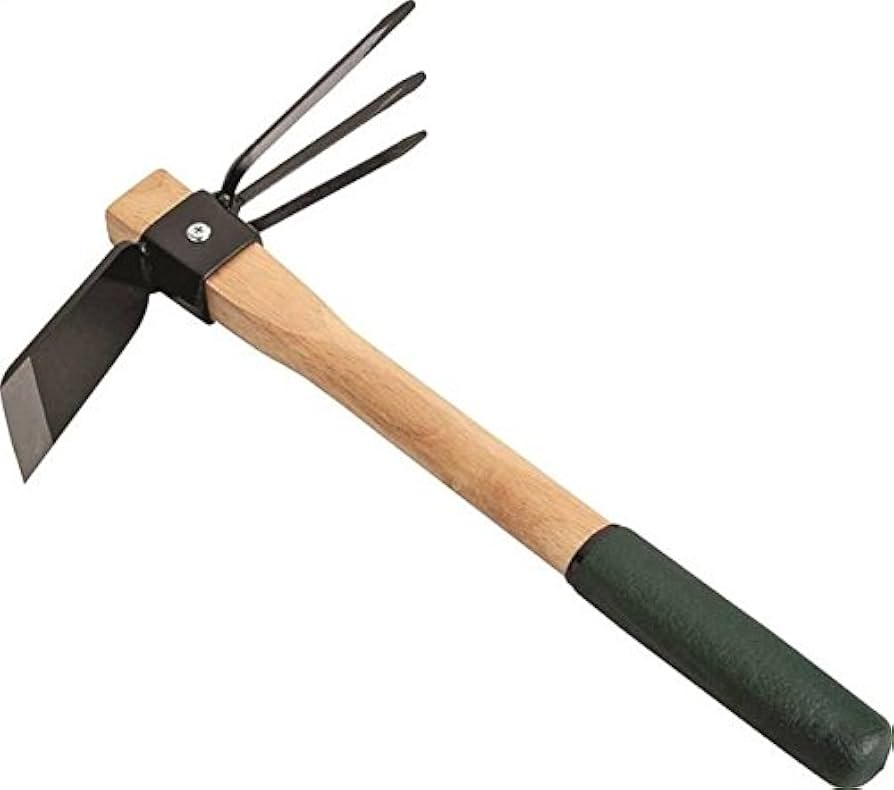
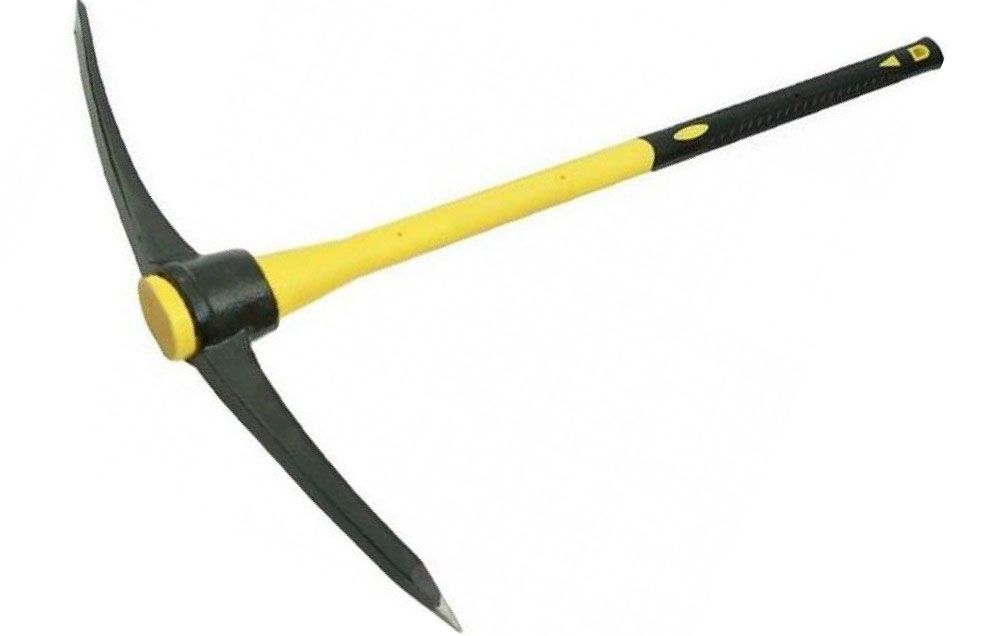
A mattock has a wide blade on one side and a pick on the other. It breaks clay, roots, and compacted soil fast. A pickaxe focuses force into a small point. I grab the mattock when the shovel bounces.
Tips:
- Keep swings short and controlled.
- Wear boots with toe protection.
- A 3–5 pound head suits most home users.
Hand auger and power auger
Augers drill clean, round holes. Hand augers work for bulbs and small plants. Power augers save time on many posts or plants. They shine in sandy loam but can fight big rocks.
Tips:
- Use slow speed and steady pressure.
- Clear the bit often to avoid jams.
- Wear eye and ear protection if powered.
Trenching shovel and drain spade
A trenching shovel has a narrow, long blade. It cuts channels and drains. A drain spade is similar but tapers more. I use them to place edging, run drip lines, and dig tight spaces.
Tips:
- Keep blades sharp for clean walls.
- Use a straight handle for reach in narrow trenches.
- Work in two passes to reduce strain.
Well-chosen gardening tools for digging make each step faster and safer. Start with a spade, a round point shovel, a digging fork, and a trowel. Add specialty tools as your projects grow.

Ergonomics, materials, and build quality
Comfort matters. A good handle reduces strain on wrists and shoulders. D-grips fit most tasks that need control. Straight handles reach deeper. Fiberglass dampens shock. Wood feels warm and is easy to repair.
Choose strong steel. Boron or tempered carbon steel holds an edge. Stainless resists rust but may be a bit softer. Check the ferrule, rivets, and welds. They should be tight and smooth. Balance the tool in your hand. It should not tip forward or feel heavy at the head.
I once fought shoulder pain from a heavy shovel. Switching to a lighter blade and a D-grip fixed it. The right gardening tools for digging should fit your body and your soil. Test grip size, weight, and length before you buy.
Care, sharpening, and storage
Clean tools after each use. Rinse, dry, and wipe with a light oil. Linseed oil on wood keeps handles from drying and cracking. A sharp edge saves energy and makes cleaner cuts. Use a file at a 25–30 degree angle. A few passes after each job is enough.
Remove rust with a wire brush or sandpaper. Store tools dry and off the ground. Hang them on a wall rack. Keep a sheath on sharp blades. Your gardening tools for digging will last longer and stay safer with simple care.

Techniques that make digging easier
Dig when soil is moist but not wet. Use the squeeze test. If soil forms a tight ball and smears, it is too wet. If it crumbles, you are good to go. Moist soil cuts clean and reduces clumps.
Use your legs, not your back. Keep your spine long. Hinge at the hips. Step on the tool tread. Wiggle the handle to free the plug. Take small bites. Rest often. I pre-water clay the day before and use a fork to crack it open. Then I switch to a shovel to lift and move.
Add compost to improve structure. It boosts drainage in clay and holds water in sand. This simple step makes all gardening tools for digging work better. It also helps roots grow deeper and stronger.

Budget, brand insights, and sustainability
Set a budget by use. Light, occasional work can use budget tools. Heavy, weekly work needs stronger builds. Expect basic tools from 15–30 dollars, mid-tier from 30–70, and pro tools from 70–150 or more. Many pro tools offer long warranties. Check return policies and parts support.
Buy fewer, better tools. Look for repairable handles and standard ferrule sizes. Choose FSC-certified wood or recycled steel when possible. Secondhand tools can be gems. I found my best trenching shovel at a yard sale and restored it with a new handle. Smart choices make your gardening tools for digging last and reduce waste.

Safety and common mistakes
Safety first. Wear gloves and sturdy shoes. Call 811 in the US before deep digging. Mark lines and pipes. Keep kids and pets clear of the work area.
Avoid these mistakes:
- Using a shovel when a fork would reduce compaction.
- Digging in soaked soil, which ruins structure and creates ruts.
- Forcing a dull blade, which adds strain.
- Overreaching with a heavy load.
- Skipping breaks and water on hot days.
Good habits protect you and your tools. Safe use makes gardening tools for digging a joy, not a chore.
Frequently Asked Questions
What is the difference between a spade and a shovel?
A spade has a flat blade for cutting edges and shaping soil. A shovel has a curved, pointed blade for digging and moving soil.
Which tool is best for hard clay?
Start with a mattock or a digging fork to break the clay. Then switch to a round point shovel to lift out the loosened soil.
How do I keep tools from rusting?
Clean, dry, and oil metal parts after each use. Store tools in a dry spot and hang them off the floor.
Are stainless steel blades better than carbon steel?
Stainless resists rust and cleans fast. Carbon steel can hold a sharper edge but needs more care.
How deep should I dig for planting a shrub?
Dig a hole as deep as the root ball and two to three times wider. This gives roots room to expand into loosened soil.
Can I use a power auger for trees?
Yes, but rough up the sides of the hole and widen it by hand. This prevents smooth walls that roots can struggle to penetrate.
What handle material should I choose?
Fiberglass reduces shock and handles weather well. Wood feels natural and is easy to repair if it cracks.
Conclusion
The best gardens start with the right tools, used the right way. Choose gardening tools for digging that match your soil and task. Keep them sharp, use good body form, and work when soil is ready. Small changes add up to big gains in speed and comfort.
Try one upgrade this week, like a digging fork or a sharper spade. Notice the difference in your soil and your energy. Want more tips like this? Subscribe, share your questions, or drop a comment with your favorite tool and why you love it.