The best digging holes tools match your soil, depth, and power needs.
If you want clean, fast holes, the right tool matters more than muscle. I’ve dug fence lines, trees, decks, and drains in hard clay and root-filled yards. This guide breaks down digging holes tools by soil, size, and budget, with real tips from the field so you can choose once and dig right.
How to choose the right digging holes tools
Good holes start with a simple plan. Before you dig, ask a few key questions. Your answers decide which digging holes tools will save time and strain.
- Soil type. Clay, sand, loam, rocky, or rooty ground all act different.
- Hole size. Diameter and depth set the tool class and bit size.
- Volume. One hole needs a different setup than fifty.
- Speed and power. Hand tools work fine for a few holes. Augers shine on big runs.
- Access. Fences, slopes, and gates limit tool size.
- Body and safety. Pick tools that match your strength and reach.
Quick rule I use: for one to four small holes, go manual. For five or more, or anything deeper than 24 inches, I move to augers. For decks or many fence posts, I rent power and buy the right bits. This keeps jobs on time and backs happy.

The essential manual digging holes tools
Manual tools are simple, cheap, and precise. They shine in tight spots, around roots, and when you need control. Here are the digging holes tools I keep in my truck.
- Round point shovel. Best for loose soil and scooping spoils. Great starter tool.
- Spade (square shovel). Good for slicing edges and shaping flat walls.
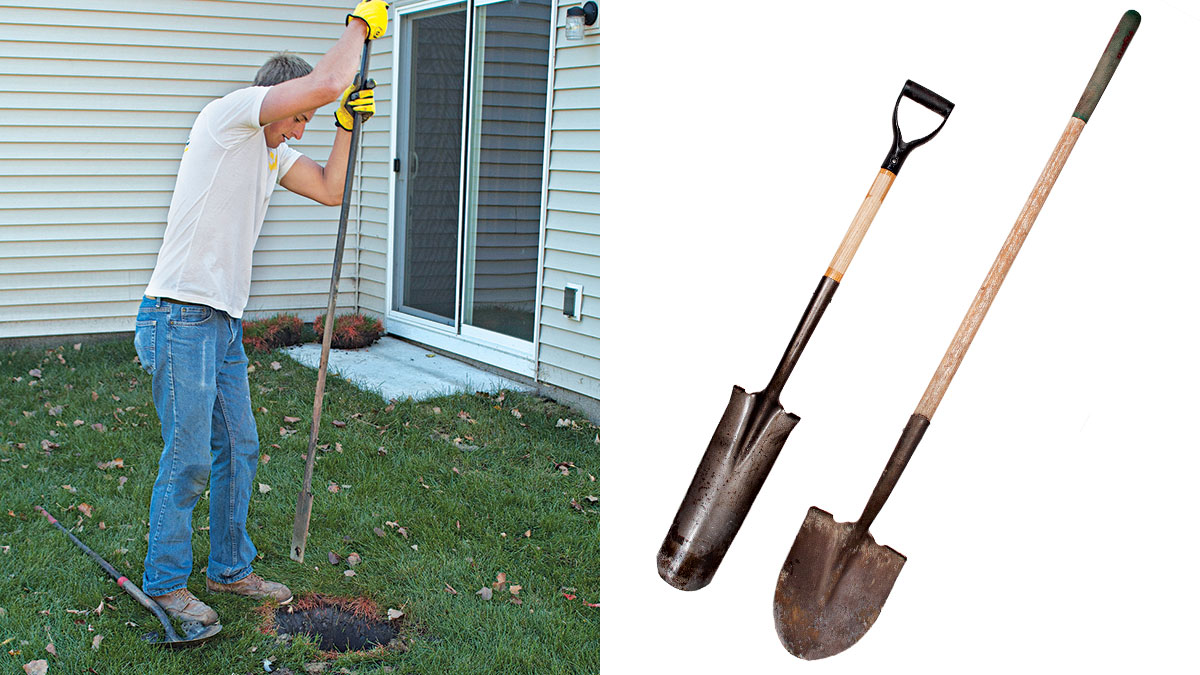
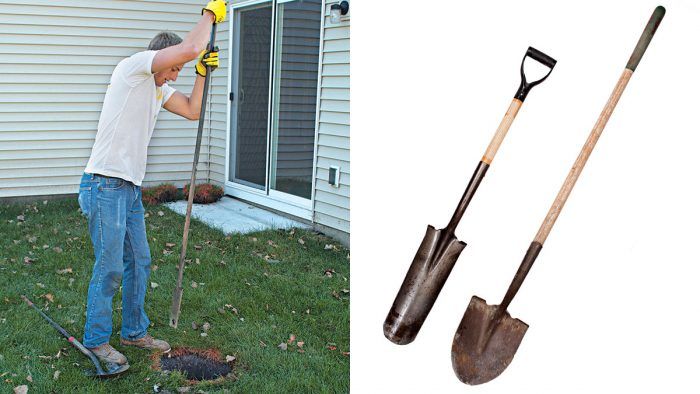
- Trenching shovel (drain spade). Long, narrow blade for deep, slim holes and trenches.
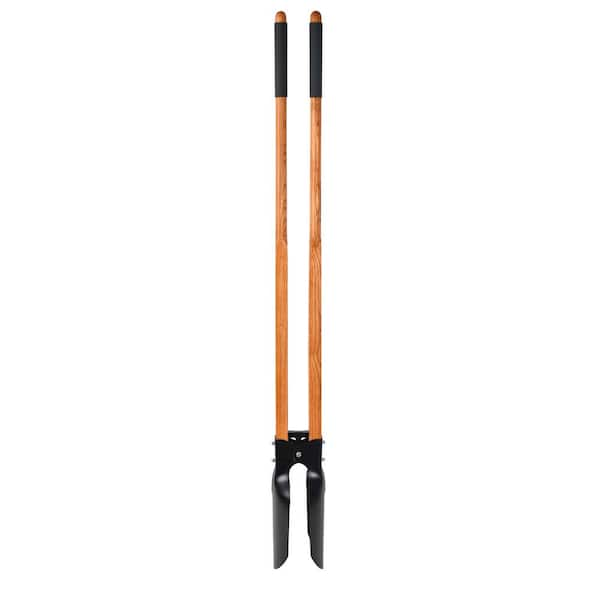
- Post hole digger (clam-shell). Pulls soil from narrow, deep holes. Great for fence posts.
- Manual auger. Hand-powered screw for quick holes in soft to medium soil.
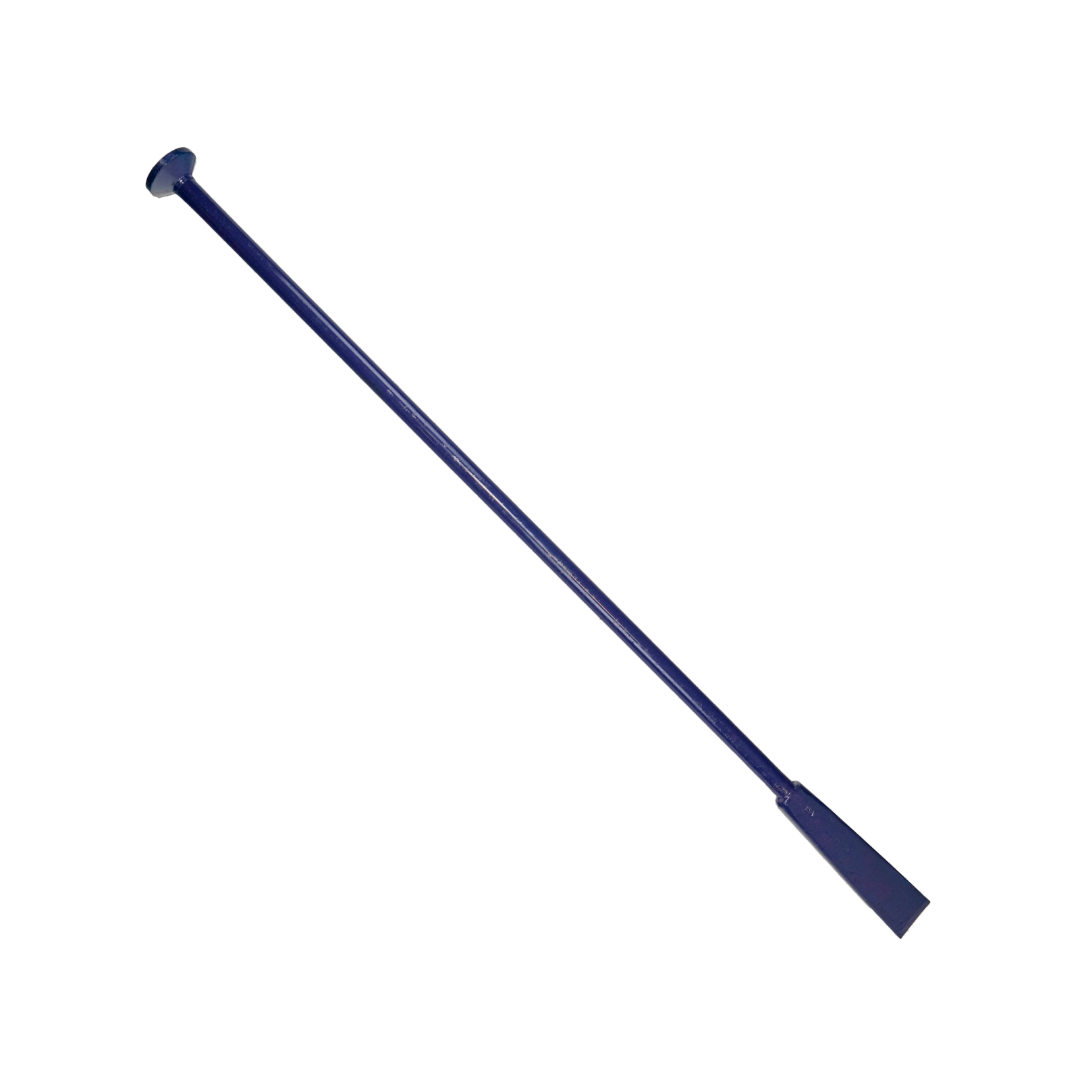
- Digging bar. Heavy steel bar for rocks, roots, and packed clay. It breaks what shovels cannot.
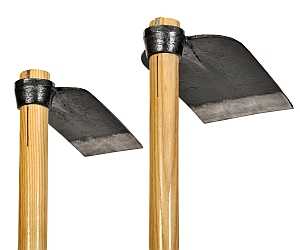
- Mattock or pickaxe. Cuts roots, pries rocks, and loosens hardpan.
- Bulb planter and trowel. For small planting holes and precise depth control.
Field tip: In clay, I use a mattock to break the first 6 inches. Then I switch to the post hole digger to pull out chunks. It keeps the hole round and neat.
Power digging holes tools for speed
Power saves time and body wear. Choose the machine by hole count, diameter, and soil.
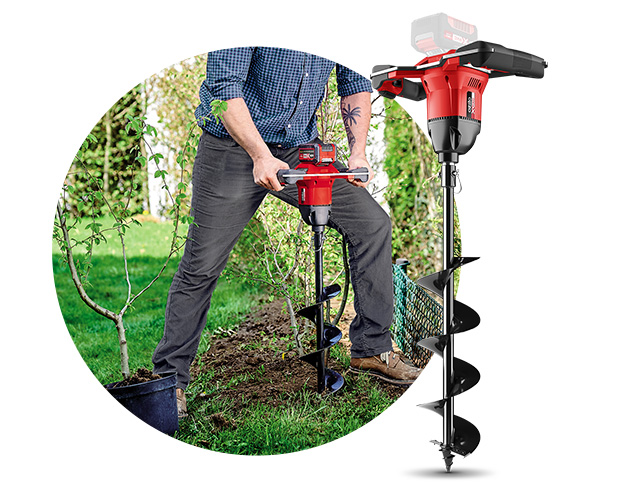
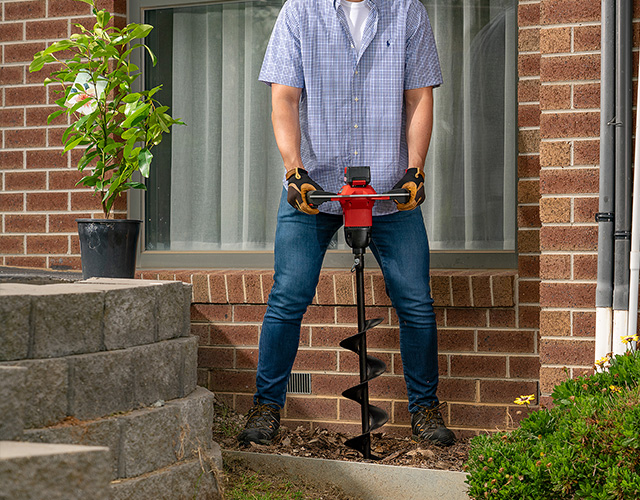
- Corded or battery auger. Low noise, low fumes. Best for soft soil and small bits up to 6–8 inches.
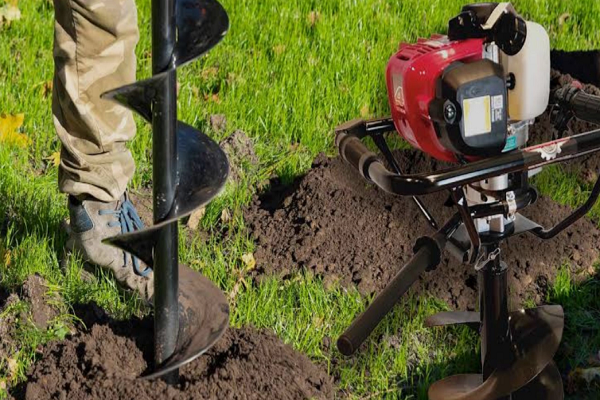
- Single-person gas auger. Good mix of power and control for 4–10 inch holes.
- Two-person gas auger. More torque for 8–12 inch holes and mixed soils.
- Skid steer or mini skid auger. Fast for long fence lines and wide bits up to 18 inches.
- Mini excavator with auger or bucket. Best for rocky ground, deep holes, and tough access.
Safety note: Augers can twist wrists and backs. Use the right clutch, a sharp bit, and steady stance. Follow the machine manual and local rules.
Match digging holes tools to your soil
Soil calls the shots. Here is how I match digging holes tools to common ground types.
- Clay. Use a mattock or digging bar first, then a post hole digger or a high-torque auger. Pre-soak the area a day before if safe to do so.
- Sand. Use a round shovel or auger with steady down pressure. Brace the hole with a form if it caves in.
- Loam. Most tools work. A single-person auger is quick and clean.
- Rocky. Start with a digging bar and mattock. For many holes, rent a mini excavator or skid steer with an auger.
- Rooty. Cut roots with a mattock or pruning saw. Then use a post hole digger or auger with a sharp bit.
- Frozen ground. Use a digging bar or a thawing method, then a high-torque auger with a pilot hole.
When in doubt, test the first hole by hand. It tells you what the next 20 will feel like.
Simple technique that makes holes easier
Good technique beats brute force. Here is the method I teach new crew members.
- Mark the center. Use paint or a stake. Check spacing twice.
- Score the top circle. Use a spade to cut a clean edge.
- Break crust. Use a mattock or bar for the first few inches.
- Remove in lifts. Dig 6 inches at a time and clear spoils to one side.
- Keep it plumb. Check with a level or paddle handle as you go.
- Size right. Drill a pilot hole if the soil is hard, then expand.
- Shape smart. Bell the bottom for posts in frost zones if code allows.
Pro tip: Keep spoils close, but not at the edge. A foot away keeps walls from caving in.
Care and maintenance of digging holes tools
Well-kept digging holes tools cut faster and last longer.
- Clean after use. Knock off soil and rinse if needed. Dry metal.
- Sharpen edges. File shovel, spade, and auger teeth a few times a season.
- Oil metal. Light oil or protectant prevents rust.
- Check handles. Tighten bolts. Replace cracked wood to avoid breaks.
- Store right. Hang tools off the floor. Keep bits covered.
I keep a small file and a rag in the truck. Ten minutes of care saves an hour on the next job.

Cost, rental, and value
Set a budget based on job size. Buying the right digging holes tools is often cheaper than fighting the wrong ones.
- Manual tools. Shovel or spade: $20–$60. Post hole digger: $35–$70. Mattock: $30–$60. Digging bar: $40–$80.
- Manual auger. $50–$120, bits vary.
- Electric or battery auger. $200–$450, batteries not always included.
- Gas auger. $300–$650 for single-person units. Two-person units cost more.
- Heavy gear rental. Auger: about $60–$120 per day. Mini skid or mini excavator with auger: daily rates vary by region.
Rule of thumb: If you need more than eight medium holes, look at renting power. For repeat yard work, buying a battery auger and two bits pays off fast.
Mistakes to avoid with digging holes tools
Small errors turn into big delays. Avoid these common traps.
- Skipping utility checks. Always call your local locator service before you dig.
- Using the wrong bit size. Match bit to post plus backfill space.
- Over-digging. Deep holes take more concrete and time. Measure as you go.
- Forcing an auger. If it binds, clear the hole. Do not power through.
- Ignoring soil. Clay needs breaks and sharp edges. Sand needs support.
I once forced a dull auger in wet clay. It bound, stalled, and almost spun me. We swapped to a sharp bit and worked in lifts. Problem solved.

Real-world use cases and tool picks
Here is how I choose digging holes tools on common jobs.
- Fence posts in clay. Mattock to break, post hole digger to clean, then a single-person gas auger with an 8-inch bit.
- Trees and shrubs. Spade for the outline, round shovel for soil, and a digging bar for rocks. For many plants, use a power auger with a 12-inch bit and widen by hand.
- Deck footings. Two-person auger or skid steer with 12–18 inch bit. Hand tools nearby for shape and depth checks.
- Mailbox or sign. Manual auger with a 6–8 inch bit is fast and clean.
- Drain trench. Trenching shovel, mattock for roots, and a narrow manual auger to start sump points.
If access is tight, I stick to manual tools and a compact battery auger. Less noise, more control.
Safety, permits, and utility checks
Safety is part of the plan. Treat every hole like a small job site.
- Call before you dig. Get utilities marked. Gas, electric, water, and fiber can sit shallow.
- Wear PPE. Gloves, boots, eye and ear protection, and a dust mask in dry soil.
- Watch torque. Use auger handles and clutches as designed. Keep feet clear.
- Follow codes. Check local rules for depth, frost lines, and footing size.
- Mind trenches. Keep walls stable and people out. Follow trench safety rules for depth and shoring.
I follow national safety guidance and local codes on every job. It keeps people safe and projects legal.
Frequently Asked Questions of digging holes tools
What is the best tool for digging holes in clay?
Use a mattock to break the crust, then a post hole digger to remove soil. For many holes, add a high-torque auger with a sharp bit.
Are power augers better than manual tools?
They are faster for many holes or bigger diameters. Manual tools still win in tight spaces, around roots, and for precise shape.
How wide should a hole be for a fence post?
A good rule is three times the post width. For a 4×4 post, an 8–12 inch hole works well.
Can I dig in winter?
Yes, but frozen ground is hard. Use a digging bar to break the frost or wait for a thaw, then switch to an auger.
How do I keep holes from collapsing in sand?
Work in lifts and use forms or sleeves. Keep water away and set posts soon after digging.
Should I buy or rent an auger?
Rent for a one-time big job. Buy if you do yard projects often or want the speed on demand.
What size auger bit do I need for trees?
For small trees, aim for a hole two to three times the root ball width. Widen and shape by hand for better root spread.
Conclusion
The right digging plan and the right digging holes tools turn hard ground into clean, strong holes. Match tools to soil, size, and volume. Work in lifts, keep it plumb, and stay safe. With a few smart choices, you save time, money, and strain.
Ready to put this into action? Pick your next project, choose your setup from this guide, and get that first hole done today. Want more field-tested tips? Subscribe, share your questions, or drop a comment with your soil type and goal.