Are Toro Zero Turn Mowers Good: Expert Take 2026
Zero-turn mowers have transformed how homeowners and professionals approach lawn care, and Toro sits near the top of most shortlists. After years of testing residential and commercial units across varying terrain, I can tell you this: Toro zero-turns deliver exceptional cut quality, impressive speed, and durability that justifies their price tag. But they aren’t the right choice for everyone, and understanding the nuances of the lineup matters more than brand loyalty.
In this expert breakdown for 2026, I’ll walk through what makes Toro zero-turns tick, where they excel, where they fall short, and exactly how to choose the right model for your property. By the end, you’ll know whether a Toro belongs in your garage or if you should look elsewhere. You can also read our guide on how to fix a leaf blower that won t start.

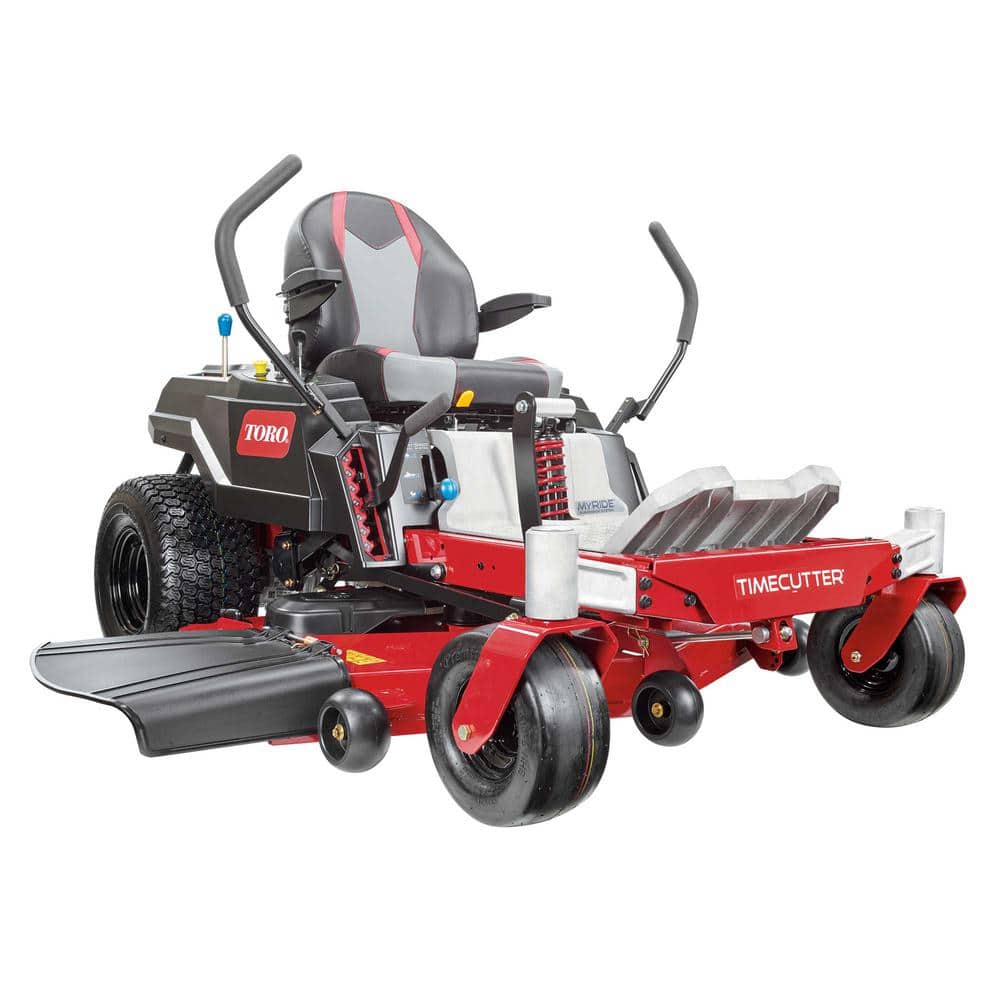
Image source: compassbank.us — Toro Titan MyRide 60-inch zero-turn mower on display.
The Engineering Behind Toro’s Reputation
Toro has manufactured turf equipment for over a century, and that heritage shows in the details. The company doesn’t just bolt engines onto frames; they engineer the entire cutting system to work as a cohesive unit. Understanding these core technologies helps explain why so many owners swear by their machines.
IronForged Decks: Built to Stay True
The deck is the heart of any mower, and Toro’s IronForged construction deserves attention. Unlike stamped decks that can flex and distort over time, IronForged decks use a heavier fabrication process that maintains structural integrity season after season. In practice, this means your cutting height stays consistent, which translates to a more uniform cut across your entire lawn. For more on this, see our guide on are toro zero turns good.
MyRIDE Suspension: Comfort You Can Feel
One of the most talked-about features in Toro’s lineup is the MyRIDE suspension system. Available on select TimeCutter and most TITAN models, this system isolates the seat and operator platform from the chassis using strategically placed dampers. The result is dramatically reduced fatigue on bumpy terrain.
I’ve mowed with and without MyRIDE, and the difference is immediately noticeable. After two hours on a non-suspended unit, your lower back knows it. With MyRIDE engaged, you step off feeling like you could go another round. For anyone with larger acreage or rough ground, this feature alone can justify the upgrade. For more on this, see our guide on are troy bilt lawn mowers good.
Smart Speed: More Control Than You Expected
Smart Speed allows you to adjust the mower’s top speed on the fly, switching between trim, tow, and mow modes. This might sound like a gimmick, but it’s genuinely useful. When you’re maneuvering around flower beds or navigating tight corners near fences, dropping into trim mode prevents accidental scalping or damage. On open stretches, you can open it up and cover ground quickly.
The Powertrain Equation
Toro fits their zero-turns with a variety of engines and drive systems depending on the model tier:
- Engines: Toro Commercial V-Twin, Kawasaki FR/FS series, and Kohler 7000 series power the lineup. Each offers reliable performance, though the Kawasaki engines are particularly well-regarded for their durability and smooth power delivery.
- Hydro-Gear Drives: The transmissions range from ZT-2200 on residential units to ZT-2800 and ZT-3100 on heavier-duty models. Higher numbers indicate greater torque capacity and longevity, which matters if you’re mowing challenging terrain or putting in serious hours.
The Honest Pros and Cons
No mower is perfect, and pretending otherwise does you a disservice. Here’s an unfiltered look at where Toro zero-turns shine and where they fall short.
Pros:
- Speed: Zero-turn design can cut mowing time by 30–50% compared to a traditional lawn tractor, depending on your yard’s layout.
- Cut Quality: The deck designs manage airflow effectively, lifting grass for a clean cut and producing attractive striping when set up properly.
- Model Range: Toro covers everything from compact suburban lots to sprawling commercial properties, so there’s likely a model that fits your needs.
- Durability: IronForged decks and reinforced frames hold up well with routine maintenance.
- Resale Value: Toro’s reputation means used models retain value better than many competitors, which is worth considering if you may upgrade later.
Cons:
- Price Premium: You’ll typically pay more upfront than for equivalent spec’d mowers from big-box brands.
- Seat Comfort on Base Models: Without MyRIDE, the seats can feel firm on rough terrain.
- Slope Limitations: Like all zero-turns, traction diminishes on wet slopes. You need to respect the mower’s rated slope limits.
- Wet Grass Performance: Bagging heavy, wet grass requires the right blades, proper RPM, and slower ground speed.
Who Should Buy a Toro Zero-Turn?
Toro zero-turns aren’t for everyone, and that’s okay. Here’s who genuinely benefits from owning one:
You’re a good candidate if:
- You mow between 0.5 and 5 acres and want to reclaim weekend time.
- Your yard has obstacles like trees, flower beds, or fences that require tight maneuvering.
- You care about cut quality and want clean, professional-looking lines.
- Your property’s slopes fall within the mower’s safe operating range (typically up to 15 degrees, but always verify in your owner’s manual).
- You value having a local dealer who can provide parts and service for years to come.
You might want to look elsewhere if:
- You’re mowing a postage-stamp yard under a quarter acre where a push mower makes more sense.
- Your budget is extremely tight and you’re willing to compromise on durability.
- You have steep, wet slopes that would challenge any zero-turn mower.

Image source: balletpalmbeach.org — Toro TimeCutter 50-inch zero-turn mower in action.
Performance Deep Dive: Cut Quality and Speed
A mower lives or dies by what it leaves behind. In my experience, Toro decks manage airflow exceptionally well. The combination of deck design and blade tip speed lifts grass before cutting, producing a clean, even finish that rivals more expensive commercial equipment.
Getting the Most From Your Cut
To optimize cut quality, a few field-tested practices make a real difference:
- Match Blades to Task: Use high-lift blades when bagging or cutting tall grass. Switch to mulching blades when you want fine clippings returned to the lawn.
- Overlap Slightly: Overlapping each pass by an inch or two ensures you’re not leaving stragglers and creates more uniform striping.
- Moderate Speed in Spring: When grass is growing rapidly and thick, slow down. The finish will be noticeably cleaner.
- Consider a Striping Kit: If you want bold, professional-looking stripes, a striping kit attached to the rear of the deck is a worthwhile addition.
Managing Thick and Wet Conditions
Let’s be realistic about wet grass. Toro zero-turns can handle damp conditions with sharp blades and reduced speed, but very wet grass will challenge any mower. If your schedule forces you to mow when conditions aren’t ideal, here’s what works:
- Always start with freshly sharpened high-lift blades.
- Reduce ground speed to keep the deck from bogging down.
- Consider making two passes: the first to remove the bulk, the second to clean up the finish.
- For bagging wet leaves, patience is essential. Dry leaves bag cleanly; wet leaves require slower passes and may still leave debris behind.
Durability, Maintenance, and Long-Term Reliability
Looking for a mower that will last? Toro has a strong track record. I’ve seen decks remain true after multiple seasons of hard use, which is critical for maintaining cut quality. The key to longevity is consistent maintenance, and the good news is that routine care isn’t complicated.
The Maintenance Schedule That Matters
- Oil and Filter: Change every 50 hours of operation or at least annually.
- Blade Sharpening: Sharpen blades every 20–25 hours or when the cut starts to look frayed. A spare set of blades means you can swap and sharpen at your convenience.
- Deck Cleaning: After each mow, remove grass buildup. This prevents rust and maintains proper airflow.
- Belts and Tires: Check monthly. Replace belts at the first sign of glazing or cracking. Keep tires at the manufacturer’s recommended pressure.
- Drive Systems: Some hydro drives are maintenance-free, while others require periodic fluid changes. Always follow your specific model’s manual.
With proper care, a residential Toro will provide many seasons of reliable service. Commercial-grade Z Master units, when maintained on schedule, can run thousands of hours.

Image source: balletpalmbeach.org — Toro zero-turn mower with visible deck and blade assembly.
Choosing the Right Toro Model for Your Property
One of Toro’s strengths is offering a model for nearly every situation. Understanding the tiers helps you avoid overbuying or underbuying.
TimeCutter Series: The Suburban Workhorse
The TimeCutter line targets homeowners with half-acre to four-acre properties. Available deck sizes range from 34 to 60 inches, with Hydro-Gear ZT-2200 drives on many models. Smart Speed and optional MyRIDE appear on select units, making this a surprisingly capable residential line.
Best for: Suburban properties up to 4 acres with standard obstacles.
TITAN Series: Heavy-Duty Performance
Positioned for larger residential properties and light commercial use, the TITAN handles 2 to 7 acres comfortably. Decks range from 48 to 60 inches on reinforced frames, with Hydro-Gear ZT-2800 or ZT-3100 drives providing serious torque. MyRIDE is common across the lineup, and the added toughness is immediately apparent.
Best for: 2–7 acre properties, rough ground, and owners who want commercial-grade durability without full commercial pricing.
Z Master Series: Commercial Grade
The Z Master line is built for professionals mowing 3 to 10+ acres daily. Wider decks, higher blade tip speeds, and pro-grade drive systems define this tier. Dealer support and accessory availability are deeper, and the machines are designed to run hard for long hours.
Best for: Commercial operators and owners with very large properties who want maximum productivity.
Quick Recommendations by Property Size
- One acre with tight gates: A 34–42 inch TimeCutter will fit through narrower openings while still saving you significant time.
- Two to three acres with mixed terrain: Look at a 50–54 inch TimeCutter or TITAN with MyRIDE. The suspension upgrade is worth the money here.
- Four to six acres with rough ground: A TITAN with 54–60 inch deck and ZT-3100 drives provides the torque you need.
- Over six acres or regular commercial work: Step up to the Z Master line.

Image source: arcolawn.com — Toro 4000 Series commercial zero-turn mower with MyRIDE and Turbo Force deck.
Before You Buy: A Practical Checklist
Purchasing a zero-turn mower is a significant investment. Avoid costly mistakes by working through this checklist before you commit.
Pre-Purchase Questions
- Measure your gates and pathways. The narrowest point on your property determines the maximum deck width that will fit. Don’t assume — measure.
- Walk your slopes. Understand the grade and soil conditions. Match your mower selection to the manufacturer’s slope rating.
- Match deck size to your yard, not just your ego. A larger deck isn’t always faster if it doesn’t fit through your gates or forces you to make awkward maneuvers around landscaping.
- Research local dealer support. A nearby dealer who stocks parts and offers service can save you significant downtime.
- Test the seat. If you’re considering a non-MyRIDE model, sit on it and simulate your terrain. Comfort matters when you’re mowing for hours.
Setup Day Essentials
- Level the deck according to the manual. Front-to-rear pitch affects cut quality significantly.
- Set tire inflation to spec before checking deck level. Incorrect pressure throws off the entire geometry.
- Install the right blades for your grass type and current season.
- Add fuel stabilizer if fuel might sit for more than a few weeks.
- Install an hour meter if your model doesn’t include one. You’ll need it to track maintenance intervals.
Real-World Observations From Hours Behind the Wheel
Beyond the specification sheets, here’s what actually stands out in daily use.
The steering on Toro zero-turns is notably smooth, which makes new users feel in control quickly. The learning curve is shorter than you might expect, and within a single mowing session, most people are making confident turns around obstacles.
The decks hold their level adjustment well over time. This is one of those things you don’t appreciate until you’ve mowed with a mower that slowly drifts out of level. When your cut quality stays consistent, it reduces the urge to fiddle with adjustments constantly.
In wet spring conditions, Toro zero-turns handle themselves respectably with sharp high-lift blades and moderated speed. Bagging still requires patience and sufficient power, but the machines don’t choke if you’re reasonable about it.
Practical Lessons Worth Sharing
- Keep a spare blade set. Being able to swap blades in ten minutes instead of stopping to sharpen keeps your schedule on track.
- Check grease fittings. Some spindles are sealed and maintenance-free, but others need regular greasing. Check your manual specifically.
- Clean the deck after each mow. Five minutes of scraping saves you from rust and airflow degradation.
- Practice perimeter passes. Three deliberate laps around the perimeter make your interior turning work cleaner and more efficient.
Cost of Ownership and Value Analysis
Price per hour of use tells the real story. Let’s break down what owning a Toro zero-turn actually costs.
Fuel and Operating Costs
Most residential Toro zero-turns consume between 0.8 and 1.2 gallons of fuel per hour of operation. At current fuel prices, that translates to roughly $3–5 per mowing hour, which is cost-effective compared to mowing services.
Consumables and Replacement Parts
- Blades: Affordable, but you’ll want at least two sets to minimize downtime.
- Belts: These last for years with proper care but should be replaced at the first sign of glazing or cracking.
- Tires: Long-lasting if you avoid curbs and maintain proper inflation.
The Service Factor
A local dealer who can perform warranty work and provide genuine parts is undervalued. The convenience of dropping your mower off and having it serviced within days, rather than hunting for parts online, can significantly reduce your total cost of ownership.
How Toro Compares to the Competition
Context helps. Here’s how Toro stacks up against the brands you’re probably also considering.
- Exmark: Toro’s sister brand focuses heavily on commercial mowing. Exmark offers different deck tuning and a strong pro reputation, but expect to pay a premium.
- John Deere ZTrak: Refined ergonomics and an extensive dealer network. Comparable cut quality, but pricing tends to run higher.
- Cub Cadet Ultima: Bold frames and sharp pricing make Cub Cadet a value contender. You’ll get good performance, though the fit and finish may not match Toro at the top end.
- Husqvarna, Gravely, Scag: Each brings pro-level features and loyal followings. The right choice often comes down to local dealer support and how the deck performs on your specific grass type.
For most residential buyers, Toro offers the best balance of cut quality, speed, comfort, and long-term reliability. The choice between these brands frequently narrows to dealer proximity and price rather than any dramatic performance gap.
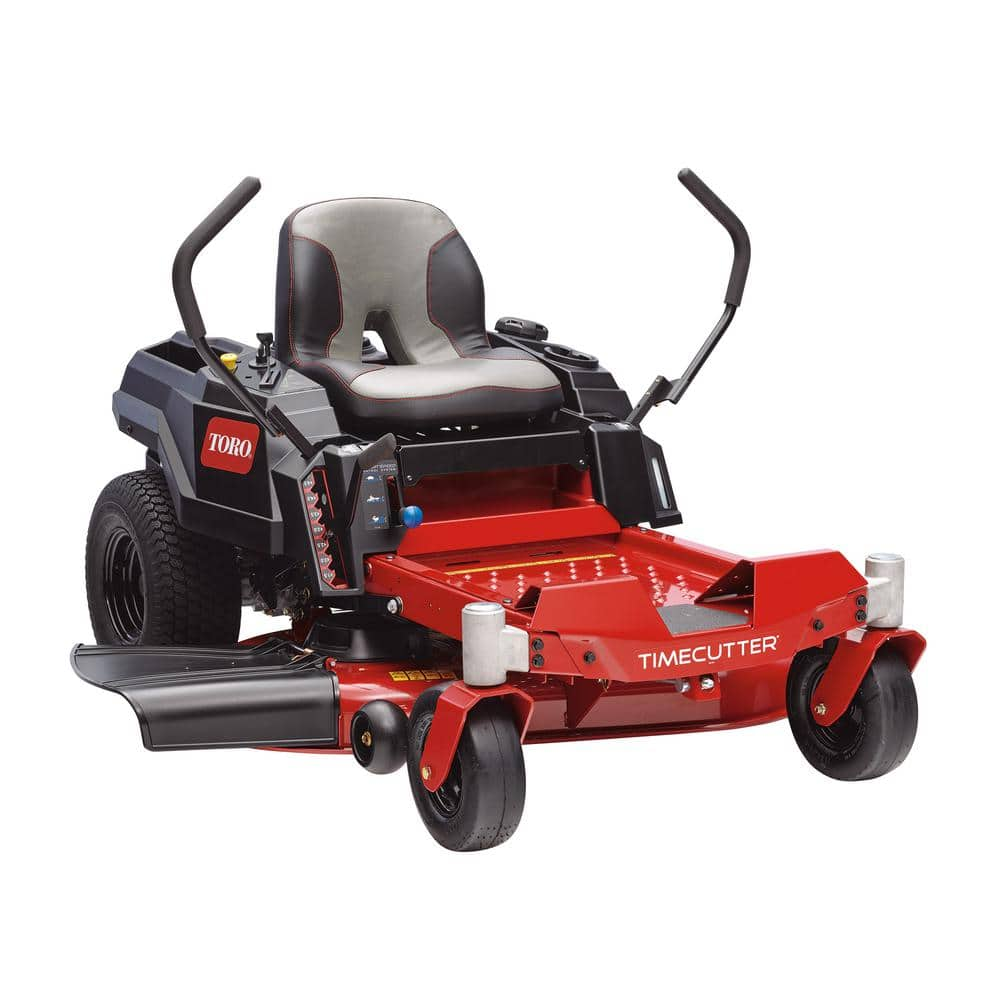
Image source: balletpalmbeach.org — Toro zero-turn mower on display at a retail location.
Frequently Asked Questions
Are Toro zero-turn mowers good for small yards?
Yes, if your gates and pathways accommodate the deck width. A 34–42 inch TimeCutter is nimble and fast, making it an excellent choice for compact suburban lots.
How do Toro zero-turns handle hills?
They manage mild to moderate slopes well within rated limits. For steeper terrain, always mow up and down rather than side-to-side, and avoid mowing on wet turf where traction is compromised.
Can Toro zero-turns handle wet grass?
They can handle damp grass when equipped with sharp blades and operated at appropriate speeds. For very wet conditions, it’s usually better to wait, or at minimum, plan for a second pass to clear clumps.
How long do Toro zero-turn mowers last?
Residential models, with routine care, will serve you well for many seasons. Commercial-grade Z Master units can run for thousands of hours when maintained on schedule.
How does Toro compare to John Deere or Cub Cadet?
Toro holds its own on speed, cut quality, and comfort. Your final decision may hinge on dealer support, pricing, and how the specific model performs on your property’s grass type.
What deck size should I choose?
Choose the largest deck that fits your gates and navigates your landscaping. For many 1–3 acre properties, 50–54 inches is the practical sweet spot.
Are Toro zero-turns good for bagging leaves?
With the right bagger attachment and high-lift blades, yes. Dry leaves bag cleanly and efficiently. Wet leaves require slower passes and may still leave some residue.
Final Verdict for 2026
So, are Toro zero-turn mowers good? The evidence says yes, emphatically. They offer fast, clean cutting performance, durable construction, and a model lineup that covers nearly every property size. The MyRIDE suspension system remains a standout feature for comfort, and the IronForged decks maintain their quality over years of use.
The deciding factors for most buyers will be matching the right model to their property and confirming local dealer support. Bring the checklist from this article to your demo appointment, ask pointed questions about service, and take the mower through its paces on varied terrain. You’ll know within minutes whether a Toro belongs in your garage.
If you’re still weighing options, consider how your chosen mower will handle the other equipment decisions in your yard, like a reliable leaf blower for cleanup or the right fuel for your lawn equipment. A thoughtful approach to your entire lawn care system pays dividends.
Ready to find your perfect Toro? Visit your local dealer, test the models on your shortlist, and see for yourself why so many homeowners and professionals trust the Toro brand.