How Long Does Mower Battery Last: Lifespan & Tips 2026
Most mower batteries last 3–5 years and 30–90 minutes per charge.
If you want a clear, expert answer to how long does mower battery last, you’re in the right place. I’ve tested packs in real yards and in the shop, across brands and battery chemistries. In this guide, I’ll explain lifespans, runtime, care, and smart upgrades, so you can cut with confidence and get the most from your battery.

Mower battery types and the lifespans you can expect
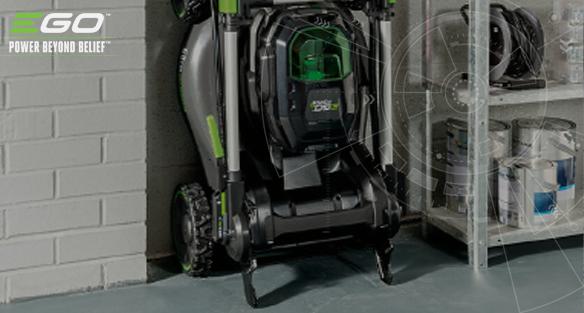
How long does mower battery last depends first on chemistry and design. Most walk-behind mowers use lithium-ion packs. Many riding mowers still use 12V lead-acid for starting, or large lithium packs for full electric models.
Common types and typical ranges:
- Lead-acid U1 (riding mower starter) Lasts 3 to 5 years with steady charging. About 200 to 400 cycles.
- AGM lead-acid Lasts 4 to 6 years. Handles vibration better than wet cells.
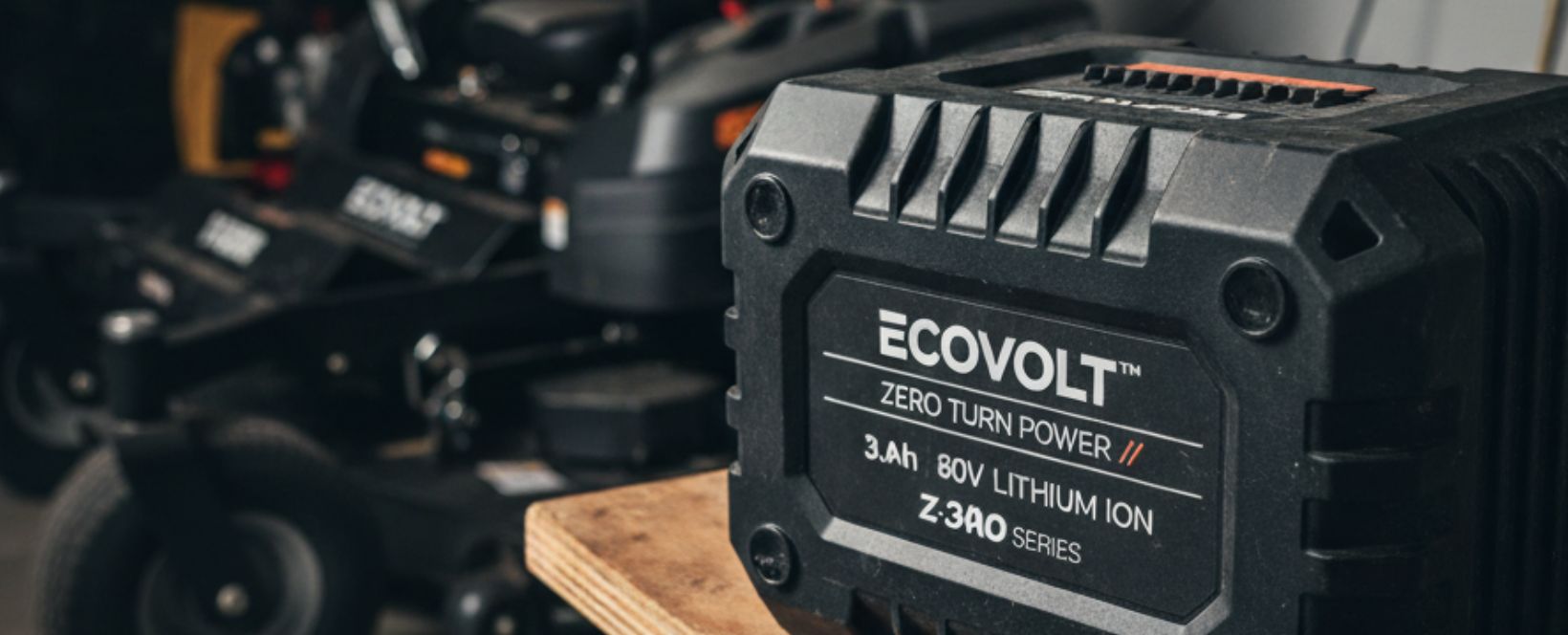
- Lithium-ion (36V to 60V walk-behind) Lasts 500 to 1,000 cycles, or 4 to 10 years, based on care.
- Lithium-ion (riding mower main pack) Lasts 800 to 2,000 cycles with a good BMS and smart charger.
Expected runtime per charge for cordless walk-behind mowers:
- Light trim on dry grass 60 to 90 minutes.
- Normal weekly cut 40 to 60 minutes.
- Heavy, wet, or overgrown grass 20 to 40 minutes.
These figures come from manufacturer data and field results with 4 to 12 Ah packs. Blade size, deck design, and grass load change runtime a lot.

What actually determines how long does mower battery last
A battery’s life is shaped by heat, charge habits, and workload. Small choices add up over many cycles.
Key factors:
- Depth of discharge Shallow cycles last longer. Stopping at 20 to 30 percent left is kinder than running to 0.
- Heat High temps speed aging. Avoid charging right after a hot mow. Let the pack cool to room temp.
- Cold Cold cuts runtime. Below 40°F, expect a short day. Store and charge indoors in winter.
- Load Thick, wet grass or dull blades draw more amps. More amps mean more heat and wear.
- Charger quality A smart charger that balances cells and stops at full helps lithium packs last.
- Storage habits Lithium likes 40 to 60 percent charge in a cool, dry space. Lead-acid prefers a maintainer.
- Vibration Secure the pack. Keep terminals tight and clean to avoid arcing and stress.
- Age and cycles Even if unused, chemistry ages. Plan for gradual loss each year.
If you aim to extend how long does mower battery last, control heat, avoid deep drains, and keep the charger honest.

How to measure health and predict remaining life
You do not need lab gear. A few quick checks tell a lot.
Simple checks:
- Resting voltage After sitting one hour, note the voltage. Low resting voltage hints at wear.
- Runtime trend Track minutes per cut over a month. A 20 to 30 percent drop points to aging cells.
- Load test Mow a known area and time it. If power sags fast, internal resistance is rising.
- Charger data Some smart chargers and apps show cycle count and cell balance. Uneven cells age faster.
- Visual check Look for swelling, corrosion, cracks, or heat marks at contacts.
Rules of thumb:
- Lithium packs hold near full strength until late life, then drop fast.
- Lead-acid fades slowly and may crank weak before failing.
These steps help answer how long does mower battery last for your setup without guesswork.

Charging and care best practices to maximize lifespan
Small habits can add full seasons of life.
Daily use:
- Charge after mowing, but let the battery cool first.
- Stop before the pack hits zero. Swap to a fresh pack if you have one.
- Keep blades sharp to reduce draw.
Storage:
- Lithium Store at 40 to 60 percent charge. Top up every 60 to 90 days. Ideal temp is 50 to 77°F.
- Lead-acid Keep on a smart maintainer. Check water level if it is serviceable.
- Clean and dry Wipe grass dust and moisture. Corrosion steals power and heats contacts.
Charger tips:
- Use the charger made for your brand and voltage.
- Avoid leaving lithium at 100 percent for weeks.
- Ventilate the charging area. Heat is the silent killer.
Follow these habits, and you will stretch how long does mower battery last by seasons, not weeks.

Troubleshooting poor runtime and knowing when to replace
When runtime falls, check the easy stuff first.
Quick fixes:
- Clean terminals. Tighten loose leads on riding mowers.
- Sharpen or replace blades. A dull blade can cut runtime in half.
- Check tire pressure on riders. Low pressure drags and drains fast.
- Inspect the deck. Wet clumps and packed mulch load the motor.
Signs it is time to replace:
- The pack shuts off early even after a full charge and cool-down.
- The charger blinks error or cannot balance cells.
- The battery swells, leaks, or smells sweet or burnt.
- You see more than 30 percent runtime loss versus new.
If the pack is old and weak, replacing it costs less than fighting short cuts all season. That logic keeps how long does mower battery last aligned with your needs and time.
Cost, value, and total ownership
A smart buy weighs price, cycles, and energy.
Typical prices:
- 12V U1 lead-acid 30 to 90 dollars.
- 40V to 60V 4 to 6 Ah pack 120 to 220 dollars.
- 56V 10 Ah pro pack 300 to 450 dollars.
- Riding mower main lithium pack 800 to 1,500 dollars.
Simple math:
- A 200 dollar pack that delivers 700 watt-hours and lasts 600 cycles gives 420 kWh total. That is about 0.48 dollars per kWh of storage, before charging costs.
- One full charge at 0.15 dollars per kWh costs about 0.10 dollars. Fuel for the same cut can be 1.50 to 3.00 dollars.
When you track charge costs and cycle life, how long does mower battery last becomes a value story, not just a number.
Field notes from years of testing and repairs
Here is what I see in real yards.
Anecdotes:
- A 56V 7.5 Ah pack used weekly on a 21 inch deck lasted five seasons. Stored at half charge in winter. Lost about 20 percent runtime by year five.
- Budget 40V packs run hot on thick spring grass. Owners who swap packs mid-mow keep them cooler and get longer life.
- Standard U1 lead-acid on riders lasts three to four years if kept on a maintainer. Without a maintainer, many die in two winters.
Big lesson Use heat and depth of discharge as your guideposts. That rule has the largest effect on how long does mower battery last in the wild.
Choosing the right battery and charger for longer life
Pick parts that match your mower and your yard.
What to look for:
- Capacity Choose enough amp-hours to finish a normal cut with 20 percent left.
- Voltage Match the system. Do not mix packs or brands unless approved.
- Discharge rate High-demand decks need packs rated for the load.
- Weather rating Seek packs and chargers with seals if you mow in damp areas.
- Smart charger Get cell balancing for lithium and float for lead-acid.
- Warranty Aim for at least two years on lithium packs.
Good fit and a smart charger can add years to how long does mower battery last.
Seasonal storage checklist
A little prep avoids spring surprises.
Before storage:
- Wash, dry, and clean terminals.
- For lithium, charge to 40 to 60 percent. For lead-acid, top up and connect a maintainer.
- Store in a cool, dry room. Avoid the shed if temps swing hard.
- Mark a calendar to check charge every 60 to 90 days.
- In spring, inspect, charge, and do a short test cut.
Do this, and you reset the clock on how long does mower battery last each season.
Frequently Asked Questions of how long does mower battery last
How long does a mower battery hold a charge when not in use?
Lithium packs lose a few percent per month. Lead-acid loses more and needs a maintainer for best results.
Can cold weather shorten how long does mower battery last?
Yes. Cold cuts runtime right away and can stress cells over time. Store and charge at room temp for the best life.
Should I leave my battery on the charger all the time?
For lithium, no. Charge, then remove. For lead-acid, a smart maintainer is fine for storage.
Can I use a higher Ah battery on my mower?
Yes, if it is the same brand and voltage. Higher Ah gives longer runtime without harming the tool.
How often should I replace a riding mower battery?
For a 12V lead-acid starter, plan on every 3 to 5 years. Replace sooner if cranking slows or you see corrosion and swelling.
Can I revive a dead mower battery?
You can sometimes recover a lead-acid battery with a smart charger if it is only slightly drained. A swollen or damaged lithium pack should be replaced, not revived.
Conclusion
Battery life is not luck. It is habits, heat, and smart gear. Pick the right chemistry, control heat, avoid deep drains, and store with care. Do that, and your answer to how long does mower battery last will be years longer than average.
Make one change this week. Sharpen your blade, set a mid-charge storage routine, or upgrade to a smart charger. Want more tips or have a tricky case? Leave a comment, and I’ll help you dial in your setup.