How Long Do Riding Lawn Mower Batteries Last: 2026 Guide
Most riding lawn mower batteries last 3–5 years; great care can push 6–10.
If you want clear, battle-tested advice on how long do riding lawn mower batteries last, you’re in the right place. I’ve maintained fleets of mowers in heat, cold, and rough yards. In this guide, I’ll break down real lifespan ranges, why they vary, the hidden mistakes that kill batteries early, and the simple habits that make them last years longer.
What “battery lifespan” really means
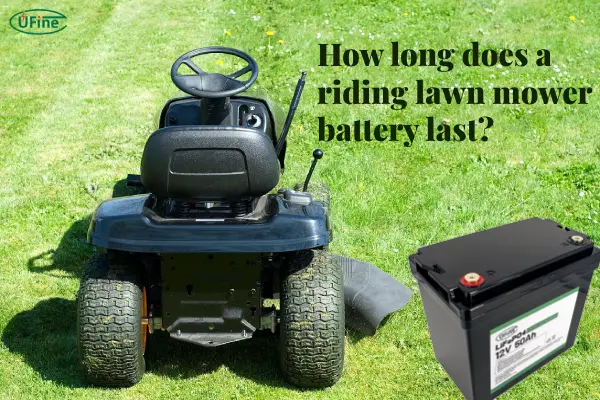
Battery life is not only years on the calendar. It is cycles, depth of discharge, and how well the charging system works. A light-use mower that sees 15 starts per month will age slower than a mower that starts 10 times per day.
Most riding mowers use 12‑volt U1 batteries. They start the engine and power lights and accessories. A healthy battery holds charge between cuts and accepts charge fast after a start. As it ages, internal resistance rises, capacity falls, and it struggles in heat or cold.
So, how long do riding lawn mower batteries last? In normal home use, 3–5 years is common for lead-acid. Care, smart charging, and good storage can add seasons. Hard use, heat, and neglect can cut life in half.

What affects how long do riding lawn mower batteries last
Several things decide the clock on your battery.
- Battery type matters most. Flooded lead-acid is cheapest and averages 3–5 years; AGM lasts a bit longer; LiFePO4 can last much longer.
- Climate is huge. Heat speeds corrosion. Cold slashes cranking power. Extreme swings shorten life.
- Charging system health is key. A weak stator or bad regulator undercharges. Overcharge cooks plates.
- Vibration kills. Loose trays and rough ground shake plates apart over time.
- Deep discharges are hard. Letting voltage drop low causes sulfation and loss of capacity.
- Storage habits make or break life. Off-season neglect is the top killer I see in my shop.
- Parasitic draw drains. Hour meters and modules can sip power for weeks and leave a dead battery.
From field work, I see most early failures tied to storage without a maintainer and low electrolyte in flooded cells. Simple checks stop those losses.

Typical lifespan by battery type
Not all batteries age the same. Here is what I see and what manufacturers state.
- Flooded lead-acid U1. Most common and low cost. Expect 3–5 years with normal use. About 200–400 cycles at shallow discharge. Needs venting and water checks.
- AGM (Absorbent Glass Mat). Better vibration resistance and lower self-discharge. Expect 3–6 years. About 500–800 cycles at shallow discharge.
- Lithium iron phosphate (LiFePO4). Light, high cycle life, stable chemistry. Expect 5–10+ years. Often 2,000+ cycles if well managed. Needs a proper BMS and a compatible charger.
How long do riding lawn mower batteries last changes with how you cut and charge. Long, slow cuts with fewer starts stress a battery less than many short cuts with many starts.

Clear signs your battery is failing
Catching early signs saves time on a busy mowing day.
- Slow crank or clicking. Starter spins slow or just clicks after sitting a few days.
- Dim lights or weak accessories. Electrical loads sag voltage fast.
- Frequent jump-starts. You should not need a jump more than once a season.
- Swollen case or sulfur smell. Heat or overcharge may be at play.
- Low resting voltage. After sitting 12 hours, under 12.4 V in lead-acid points to sulfation.
Quick checks help. A healthy lead-acid battery rests near 12.6–12.8 V. Under load, voltage should not plunge below about 9.6 V for 10 seconds at room temp.

How to extend battery life
A few steady habits add seasons to any battery.
- Use a smart maintainer. Keep it on a 1.5–3 A maintainer in the off-season and between long gaps.
- Avoid deep discharges. Start, then mow long enough for the alternator to recover charge.
- Keep terminals clean and tight. Corrosion adds resistance and heat.
- Secure the battery. Tighten hold-downs and stop vibration.
- Check water in flooded cells. Use distilled water to the proper level. Do not overfill.
- Match the right charger. AGM and LiFePO4 need the right charge profile.
In my shop, customers who use maintainers almost always get at least one extra year. It is the cheapest win for life and start-up peace.

Charging best practices and voltages
Right charging is the heart of long life.
- For lead-acid flooded and AGM. Bulk/absorption around 14.4–14.7 V. Float around 13.2–13.5 V. Avoid high amperage blasts; slow and steady is best.
- For LiFePO4. Charge to about 14.2–14.6 V. Many packs have a BMS. Use a LiFePO4-friendly charger.
- On-mower check. With engine at mid-throttle, you want about 13.8–14.5 V across the battery. Much lower means undercharge. Much higher means overcharge risk.
If you store indoors, remove the battery or disconnect the negative cable. A tiny parasitic draw can drain a good battery in a month.
Off-season storage that adds years
Winter and long breaks end more batteries than mowing does.
- Clean and charge fully. Dirt and acid film can self-discharge.
- Store cool and dry. Aim for 40–70°F. Extreme heat speeds aging. Extreme cold slashes capacity.
- Use a maintainer. Keep it on float. If no maintainer, top up charge every 30–45 days.
- For flooded cells. Check electrolyte before storage and mid-winter.
- For LiFePO4. Store around 50–80% charge if the maker suggests it. The BMS protects the pack, but do not let it sit dead.
These steps are the single best answer to how long do riding lawn mower batteries last through many winters.
Troubleshooting the mower’s charging system
A new battery will die fast if the charging system is weak.
- Visual check. Inspect belts, connectors, and grounds to frame.
- Voltage test. Battery at rest should be about 12.6 V. At mid-throttle, aim for 13.8–14.5 V.
- Stator test. Many mowers use an AC stator. Check AC output leads for proper voltage with engine running.
- Regulator/rectifier. If AC is strong but battery voltage stays low, suspect the regulator.
- Parasitic draw. Key off, measure milliamps between negative post and cable. Anything above a small draw suggests a load that should be traced.
Fixing charge faults is often the real fix when you ask how long do riding lawn mower batteries last and keep dying early.
Replacement: when and what to buy
Know when to replace and pick the right spec.
- Replace when. It fails load tests, swells, or drops below 9.6 V under crank. Frequent jump-starts are a red flag.
- Size and polarity. Most use U1 or U1R. Match the terminal layout so cables reach cleanly.
- CCA and Ah. For gas engines, aim for 230–350 CCA. Higher CCA helps in cold. Ah in the 18–35 range is common.
- AGM upgrade. Good in rough yards. Better vibration resistance and slower self-discharge.
- LiFePO4 upgrade. Great for long life and weight. Check that your mower’s regulator is LiFePO4-friendly or use an external charger. Ensure a solid BMS with low-temp cutoffs if you mow in cold areas.
- Warranty. Look for at least one full replacement year.
This is the moment many owners ask again: how long do riding lawn mower batteries last after a switch? AGM often adds a season. LiFePO4 can double or triple the span with correct setup.
Cost, value, and sustainability
Price is not the only factor. Lifetime cost matters.
- Flooded lead-acid. Lowest price, more upkeep. Great if you maintain water and use a maintainer.
- AGM. Mid-price, low fuss. Often best value for rough yards and busy owners.
- LiFePO4. Highest price, longest life. Best when you keep the mower many years or need light weight and fast charge.
Most lead-acid units are recyclable at high rates. Return your old battery to the retailer. It protects the environment and you often get a core credit.
Seen over five years, the right care often saves more than a premium battery costs. That care is also the most direct lever on how long do riding lawn mower batteries last for you.
Frequently Asked Questions of how long do riding lawn mower batteries last
How often should I replace a riding mower battery?
Most owners replace every 3–5 years for lead-acid. AGM may last a bit longer, and LiFePO4 can go 5–10+ years.
What voltage should I see when the mower is running?
You should see about 13.8–14.5 volts at mid-throttle. Less means undercharge; more risks overcharge.
Can I use a car battery charger on my mower battery?
Yes, if it has a smart, low-amp mode. Keep it near 1.5–3 amps and avoid “boost” modes.
Why does my new battery keep dying?
Often the charging system is weak or there is a parasitic draw. Check the regulator, stator output, and key-off current.
Do cold temperatures ruin mower batteries?
Cold reduces cranking power and can reveal a weak battery. Heat does more long-term damage by speeding internal wear.
Is upgrading to AGM or LiFePO4 worth it?
AGM is a solid upgrade for vibration and low upkeep. LiFePO4 pays off with long life if your charging system is compatible.
Conclusion
Most home users can expect 3–5 years from a riding mower battery, and much more with steady care. Keep it charged, avoid deep drains, secure it well, and check your charging system. These simple steps decide how long do riding lawn mower batteries last in real backyards, not just on spec sheets.
Put a maintainer on today, set a 45-day reminder to top up, and check terminals before your next cut. Want more hands-on guides? Subscribe for new tips, or drop your battery questions in the comments.