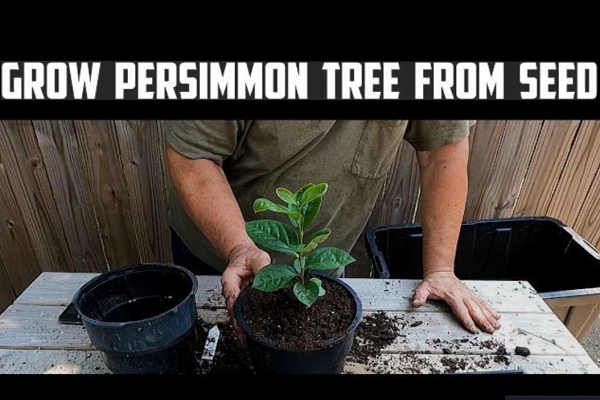
Collect ripe seeds, cold stratify 60–90 days, sow warm, and transplant carefully.
Growing persimmons from seed is slow but rewarding. Here, I explain how to grow persimmon trees from seeds with clear steps, research-backed tips, and lessons from the field. If you want a strong start, fewer losses, and a healthy tree in the long run, read on.
:strip_icc()/bhg-persimmon-2152101_HOMEG095M_VG-c3d13623372a49e08dd0d7c33c9c9564.jpg)
What To Know Before You Start
Persimmons belong to the genus Diospyros. Common species are Asian persimmon, American persimmon, and date-plum. Seedlings are hardy and tough. But they vary in fruit quality and growth habit.
Match the species to your climate. Asian persimmon suits USDA Zones 7–10. American persimmon tolerates Zones 5–9 and colder winters. This choice matters more than any soil product you buy.
Seeds do not grow true to named cultivars. A Hachiya seed will not give you a Hachiya tree. Expect variation in fruit size, flavor, and astringency. You can graft later if you want a known cultivar.
Female and male flowers can occur on one tree or separate trees, based on species and seedling genetics. Some trees set seedless fruit. For best fruit set later, plan space for two or more seedlings or be ready to graft a known female.
I learned this the hard way. My first seedling took six years to flower and turned out male. It became a strong rootstock for a graft later. Set that expectation now.
Key reminders before you start:
- Choose the right species for your zone.
- Expect genetic variation from seed.
- Plan to graft if you want a known cultivar.
- Start more seeds than you think you need.
This section sets the base for how to grow persimmon trees from seeds. You will make better choices from day one.

Sourcing and Preparing Persimmon Seeds
Use ripe fruit from the current season. Fresh seeds have higher germination. You can collect from local trees or buy fruit with seeds.
Follow these steps:
- Extract seeds and rinse off pulp. Use a gentle brush if needed.
- Do a float test in water. Discard seeds that float for more than one minute.
- Surface clean. Soak 10 minutes in 3% hydrogen peroxide, then rinse. This lowers mold risk during stratification.
- Dry seeds on a paper towel for 24 hours. Do not overdry.
- If you must store short term, keep seeds in a fridge at about 37–41°F in a labeled bag.
A quick note on store fruit: Many commercial Asian persimmons are seedless. If you find seeds, they can still sprout. Your success depends on fruit freshness and seed maturity.
These steps improve your odds and are core to how to grow persimmon trees from seeds with fewer losses.
Cold Stratification: The Key to Reliable Germination
Persimmon seeds have deep dormancy. Cold, moist stratification mimics winter and wakes the embryo. Extension guides and seed biology studies recommend 60–120 days at fridge temps.
How to stratify:
- Mix seeds with a moist medium. Use 1:1 peat and perlite or moist sand. The medium should be damp, not wet.
- Place in a labeled zip bag or a small vented box. Add a date.
- Keep at 34–41°F for 8–12 weeks. The crisper drawer works well.
- Check weekly. Vent the bag, watch for mold. If you see fuzz, rinse seeds and refresh the medium.
- Start checking for root tips at week 8. If a radicle appears, sow that seed right away.
My best germination came at 12 weeks. At 8 weeks, sprout rates were lower. Patience here is the difference between six seedlings and none. This step is non-negotiable in how to grow persimmon trees from seeds.

How To Sow And Germinate Indoors
Use deep containers. Persimmon seedlings form a long taproot. Short pots cause coiling and slow growth.
Sowing steps:
- Fill containers with a well-draining mix. Use 60% quality potting mix, 20% perlite, 20% composted bark.
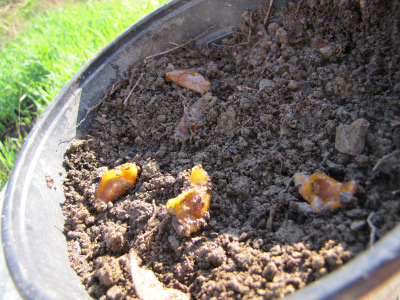
- Plant each seed 0.5–1 inch deep. Lay it flat. Cover and firm lightly.
- Water to settle the mix. Keep it evenly moist.
- Keep at 70–80°F. A heat mat helps. Light is not vital until sprouts emerge.
- Once you see green, move to bright light. A south window or 16 hours under LED grow lights works well.
Avoid damping-off:
- Do not overwater.
- Use clean pots and a fresh mix.
- Water from the bottom when possible.
Germination can take 2–6 weeks after stratification. If you are learning how to grow persimmon trees from seeds for the first time, track dates on a simple calendar. It helps you see patterns and adjust.

Seedling Care In The First 3 Months
Light is the driver now. Give 14–16 hours of bright light each day. Keep the light 6–12 inches above the canopy.
Water and feeding:
- Water when the top inch is dry. Bottom watering keeps stems dry.
- Start feeding at the first true leaf. Use a balanced liquid feed at one-quarter strength every two weeks.
- Switch to plain water once a month to flush salts.
Potting up:
- Move to a deep pot when roots reach the bottom holes. Avoid breaking the taproot.
- If the taproot coils, up-pot rather than prune at this stage.
- Keep room temps near 65–75°F. Avoid cold drafts.
Harden off seedlings for 7–10 days before outdoor sun. Start with shade, then dappled light, then full sun. This is a small step that saves plants. It is one of the top tips in how to grow persimmon trees from seeds with minimal shock.

Transplanting Outdoors And Site Selection
Pick a site with full sun and good air flow. Persimmons handle many soils, but drainage must be good. Aim for pH 6.0–7.5.
Site and planting checklist:
- Plant after all frost danger is past and soil is warm.
- Dig a hole twice as wide as the pot and the same depth.
- Do not amend heavily. Backfill with native soil to avoid perched water.
- Water well. Then mulch 2–3 inches thick, keeping mulch off the trunk.
- Stake only if winds are high. Remove stakes after one season.
- Protect the trunk with a guard. Rabbits and voles love young bark.
Spacing depends on species and rootstock. For seedlings, plan 15–20 feet between trees. If you plan to graft, match spacing to the future canopy.
These steps anchor how to grow persimmon trees from seeds all the way to a stable young tree.

Care Years 1–3: Watering, Feeding, And Training
Water sets the tone. In the first year, give the tree about 1 inch of water per week, more in heat waves. Deep, slow watering is best.
Feeding and mulch:
- Use a light, slow-release fertilizer in spring. Too much nitrogen pushes weak growth.
- Keep a wide mulch ring. Refill each spring to hold moisture and reduce weeds.
Training:
- Choose one strong leader in year one. Remove crossing shoots.
- In year two, select three to four scaffold branches. Aim for even spacing around the trunk.
- Prune in late winter while dormant. Make clean cuts. Do not head back hard.
Shade cloth helps in hot zones. It prevents sunscald on young bark. A white trunk wrap also works. This steady care is central to how to grow persimmon trees from seeds into a well-shaped adult.

Pollination, Fruit Set, And Patience
Seedlings can take 4–8 years to bear. Some flower sooner, others later. Climate, species, and vigor all play roles.
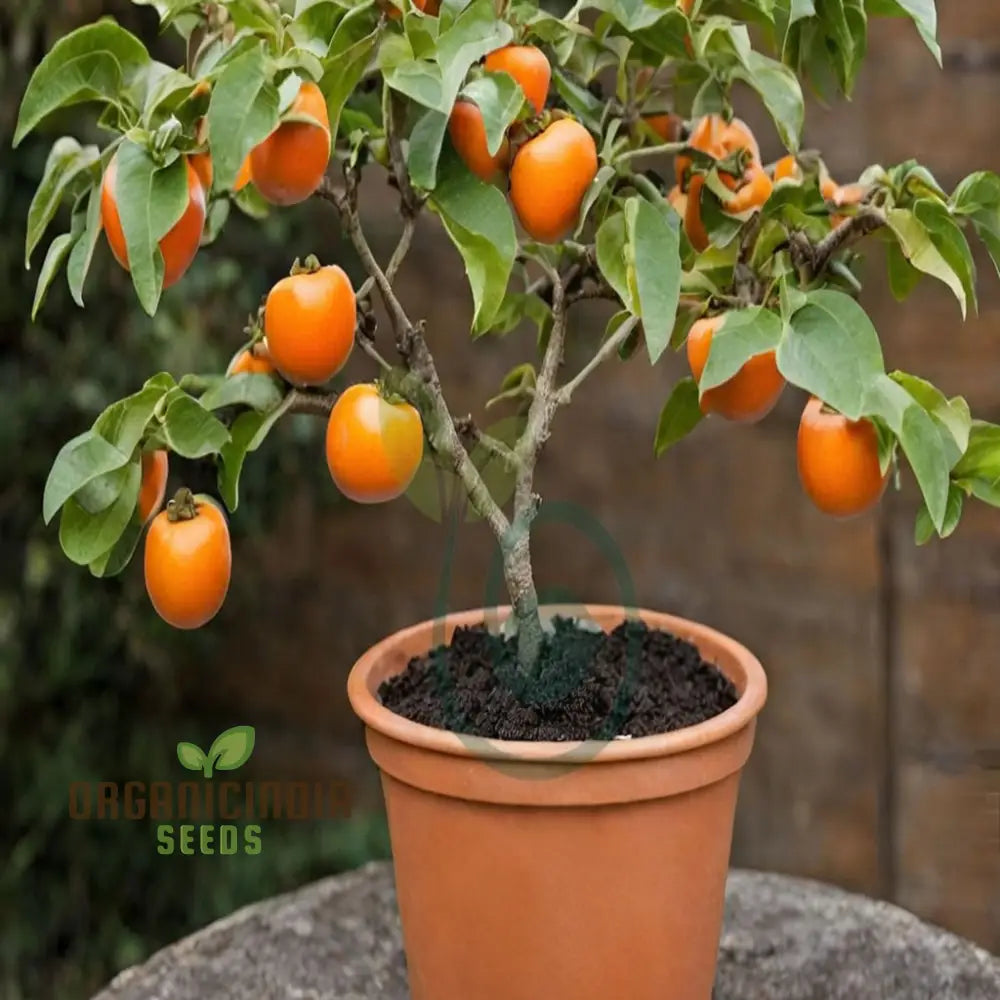
Asian persimmons can set fruit without a pollinizer. American persimmons often benefit from cross-pollination. With mixed seedlings, odds are better. If you want fruit sooner or a known variety, graft a scion onto your seedling after the trunk reaches pencil size.
A realistic timeline keeps you motivated. It also aligns with science on juvenile phases in tree crops. Expect a slow build. That is normal in how to grow persimmon trees from seeds.
Pests, Diseases, And Wildlife Management
Persimmons are tough. Still, monitor for trouble. Look weekly during warm months.
Watch for:
- Sap-sucking insects such as scale and mealybugs. A strong water spray or horticultural oil helps.
- Twig girdlers on young shoots. Prune out affected twigs below the cut.
- Leaf spots in wet summers. Improve airflow and remove fallen leaves.
- Root rot in heavy soils. Good drainage is the cure, not fungicides.
Wildlife pressure can be high:
- Deer browse young shoots. Use fencing or repellents.
- Voles and rabbits girdle trunks. Use guards to soil level.
- Birds peck ripe fruit. Netting helps near harvest.
Use integrated pest management. Start with prevention and monitoring. Apply controls only as needed. This practical approach aligns with extension advice and fits how to grow persimmon trees from seeds with low risk.
Common Mistakes And How To Avoid Them
Avoid these traps:
- Skipping cold stratification. Germination drops to near zero.
- Overwatering seedlings. This invites damping-off and root rot.
- Using shallow pots. Taproots coil and growth stalls.
- Planting too deep outdoors. Set the root flare at soil level.
- Heavy nitrogen in year one. You get tall, weak growth.
- Full sun without hardening off. Leaves scorch and drop.
I have made most of these mistakes. A simple checklist before each step saved me time and plants. It is a quiet but key part of how to grow persimmon trees from seeds with confidence.
Timeline, Yields, And What To Expect
Year 0–1:
- Stratify, germinate, and grow a sturdy seedling.
- Transplant and establish roots.
Year 2–3:
- Build structure and trunk caliper.
- Possible first flowers on fast growers.
Year 4–8:
- First real crops on many seedlings.
- Thin fruit to improve size and branch safety.
Yields vary by tree, site, and genetics. Mature trees can carry heavy crops in good years. If fruit quality is uneven, top-work your best seedling with a proven cultivar. That blend, seedling vigor plus cultivar flavor, is a smart endgame in how to grow persimmon trees from seeds.
Frequently Asked Questions of how to grow persimmon trees from seeds
Can I grow persimmons from store-bought fruit?
Yes, if the fruit has mature seeds. Many store fruits are seedless, so check before buying a lot.
Do seedlings grow true to the parent variety?
No. Seedlings vary in fruit type and quality. If you want a specific variety, plan to graft later.
How long until a seed-grown tree bears fruit?
Most take 4–8 years. Good sun, water, and training can shorten the wait.
Do I need two trees for pollination?
Asian persimmons often set fruit without a pollinizer. American persimmons benefit from another seedling or a male nearby.
Why did my seeds not sprout?
They likely skipped full stratification, were old, or dried out. Try 12 weeks of cold, moist stratification and sow fresh.
What soil pH and type do persimmons prefer?
They like pH 6.0–7.5 and well-drained loam or sandy loam. Heavy clay needs drainage fixes or raised beds.
Can I keep a persimmon in a container long term?
It is hard due to the long taproot and size. Short term is fine, but plan for ground planting.
How can I speed up the process?
Use fresh seed, full stratification, strong light, and steady moisture. Graft a known variety onto a vigorous seedling to shorten time to fruit.
Conclusion
Growing persimmons from seed is a slow craft, not a race. Start with the right species, stratify well, sow in deep pots, and focus on steady care in years one to three. If fruit quality varies, graft a cultivar onto your strongest seedling.
Use this guide to plan your season and take action today. Try one small batch of seeds and track every step. If you found this helpful, subscribe for more guides, ask a question, or share your progress with the community.