Disconnect spark plug, remove bowl, clean jets, reassemble, replace gaskets.
If your mower surges, stalls, or will not start, a dirty carb is likely. Here, I show how to clean a lawn mower carburetor like a pro. You will learn the signs, the tools, each step, and what to do if it still runs rough. This guide blends hands-on shop tips with proven methods so you can fix it fast and keep it running strong.

What a Carburetor Does and Why It Gets Dirty
A carburetor mixes air and fuel so your engine can burn it. When fuel sits, it turns to varnish and clogs tiny passages. Dust, ethanol blend issues, and rusty tanks make it worse.
Common signs include hard starts, surging at idle, bogging under load, fuel leaks, and black smoke. You may also smell raw fuel or see the primer bulb stay flat. If the air filter is clean and the spark plug looks good, the carb is the next place to check.

Tools and Supplies You Need
Gather everything first to save time and avoid mistakes. Before you start how to clean a lawn mower carburetor, lay parts out on a clean bench.
- Socket set or nut driver set for bowl nuts and mounting bolts
- Screwdrivers in flat and Phillips sizes
- Needle-nose pliers for clamps and linkages
- Carburetor cleaner spray and optional carb dip
- Compressed air or a hand blower
- Small wire or torch tip cleaners for jets
- New carb gaskets and bowl O-ring
- Fuel-safe hose, clamps, and a new inline fuel filter if needed
- Fresh gasoline and fuel stabilizer
- Shop towels, container to catch fuel, safety glasses, and gloves
- Phone camera to record linkage routing
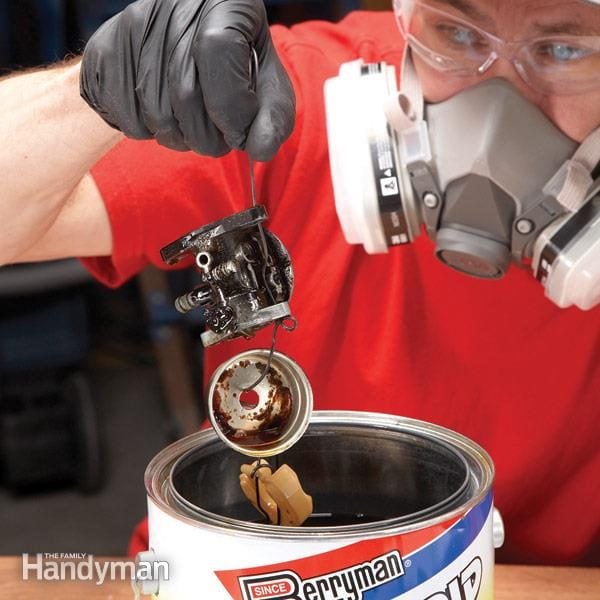
Safety First: Prep Your Mower and Work Area
Work outside or in a space with good airflow. Keep sparks, flames, and smoking far away. Gas fumes travel and can ignite fast.
Turn the fuel valve off or clamp the line. Disconnect the spark plug boot so the engine cannot fire. Let the engine cool fully, then wipe off dirt so nothing falls into the carb as you work. These steps matter for how to clean a lawn mower carburetor the safe way.
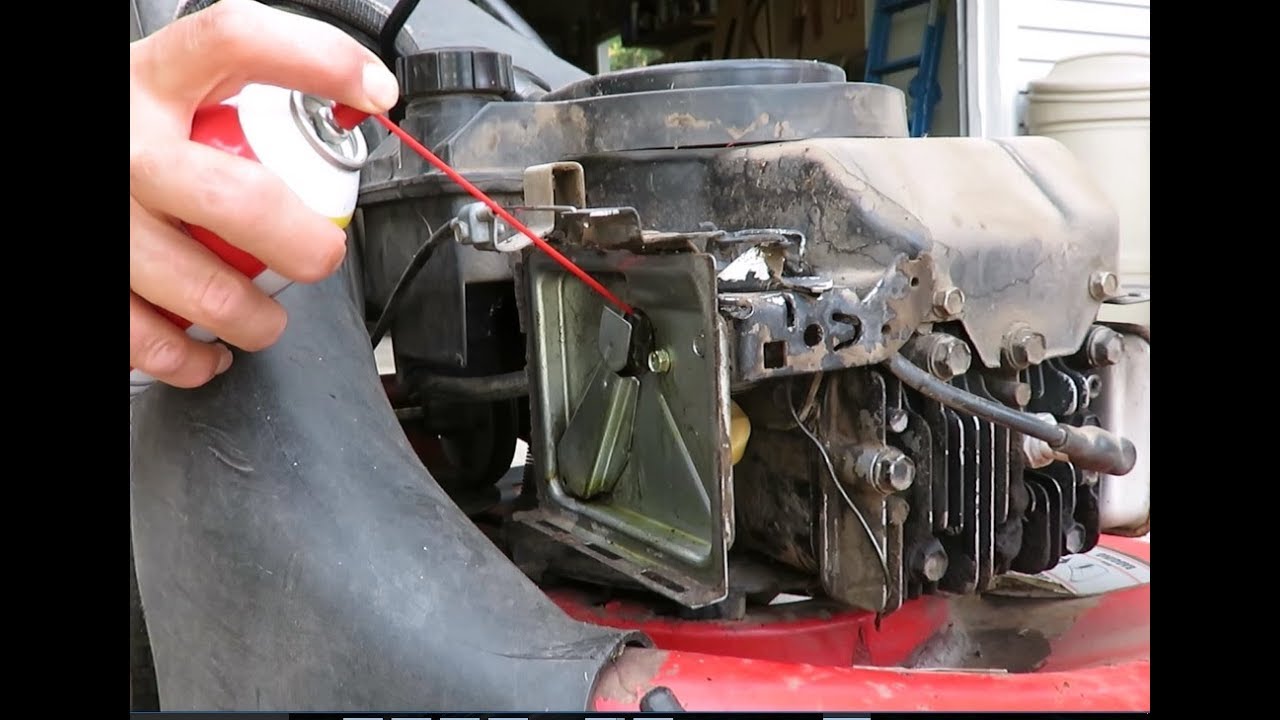
Step-by-Step: How to Clean a Lawn Mower Carburetor
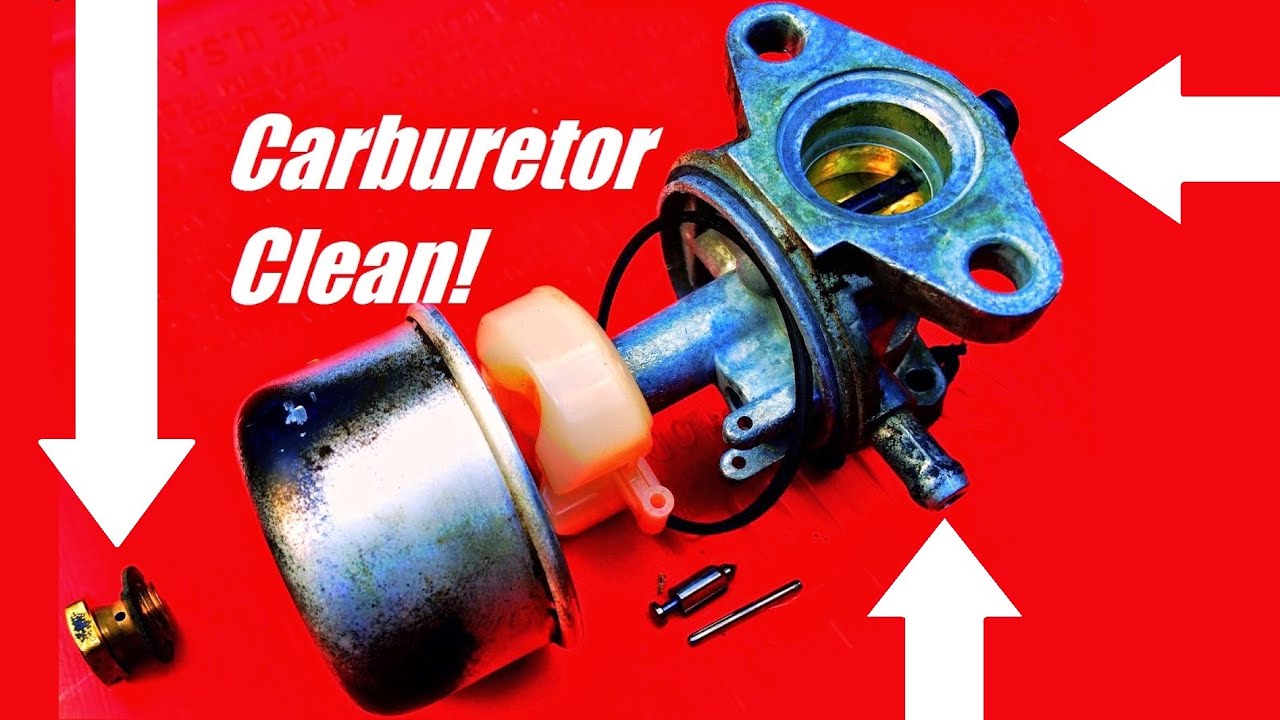
This is the exact method for how to clean a lawn mower carburetor that I use in my shop. Take your time and keep parts in order. A little care here saves hours later.
- Confirm the fault
- Check the air filter. Replace if it is soaked with oil or packed with dust.
- Inspect the spark plug. Clean or replace if worn.
- Drain a sample of fuel. If it smells sour or looks dark, replace it. This check avoids a repeat of the issue and frames how to clean a lawn mower carburetor for lasting results.
- Drain and remove the bowl
- Turn off the fuel and tilt the mower to keep fuel away from the air filter side.
- Put a container under the carb. Remove the bowl nut at the bottom. This nut also holds the main jet on many models. This step is key in how to clean a lawn mower carburetor.
- Remove the carburetor
– Take photos of the governor linkages and springs.
- Disconnect the fuel line and the crankcase breather hose.
- Unbolt the carb from the engine. Keep track of spacers and gaskets.
- Disassemble the carb
- Pull the float pin, remove the float and needle.
- Unscrew the main jet and the emulsion tube. Tap gently if it sticks.
- Remove the idle jet if serviceable.
- If the carb has mixture screws, turn them in softly to count turns, then back them out to remove. Write down the counts for each screw. This supports how to clean a lawn mower carburetor and restore the same settings.
- Clean all passages
- Soak metal parts in carb cleaner or spray through all holes and ports.
- Use a soft wire to clear jets. Do not enlarge holes.
- Blast passages with compressed air until they are dry and clear.
- Keep rubber parts out of strong solvents. The spray and air step is the heart of how to clean a lawn mower carburetor.
- Inspect parts for wear
- Check the float for fuel inside it. If it gurgles, replace it.
- Look for a groove in the needle tip. Replace if worn.
- Inspect gaskets, the bowl O-ring, and the fuel line. Replace any that look cracked.
- Reassemble with new gaskets
- Install the emulsion tube and main jet. Snug, not stripped.
- Fit the float and needle. Make sure the float moves free and stops level.
- Align the bowl so the deeper side covers the float hinge.
- Fresh gaskets help seal. This step cements how to clean a lawn mower carburetor the right way.
- Reinstall the carb
- Refit spacers, linkages, and springs per your photos.
- Attach fuel and breather lines with tight clamps.
- Replace the inline fuel filter if the old one looks dark.
- Test, tune, and check for leaks
- Add fresh fuel. Open the valve and look for drips.
- Start the mower. Let it warm up, then set idle speed.
- If it has mixture screws, return them to the original counts. Fine tune one eighth turn at a time.
- Prevent it from happening again
- Use fresh fuel and add stabilizer if it will sit over a month.
- Close the fuel valve and run the engine dry before storage.
- Clean or replace the air filter each season. These habits cut down how often you face how to clean a lawn mower carburetor.
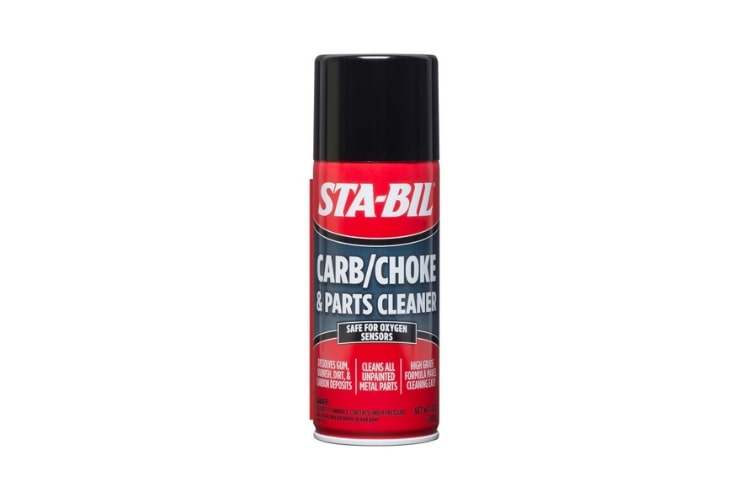
Troubleshooting After Cleaning
If it still surges after how to clean a lawn mower carburetor, look for an air leak. A torn intake gasket or a cracked spacer will cause hunting at idle. Spray around the intake with carb cleaner. If RPM changes, you found a leak.
If it bogs on throttle, the main jet may still be blocked or the governor spring is in the wrong hole. If it floods or drips, the float is stuck or the needle is not sealing. If it only runs on choke, the idle jet or emulsion tube still has varnish.

Pro Tips, Mistakes to Avoid, and Maintenance Schedule
I learned through years how to clean a lawn mower carburetor with fewer headaches. Small habits make big wins and save parts.
- Take clear photos of linkage paths before you unhook them.
- Count and note mixture screw turns so you can reset them.
- Never poke jets with drill bits. Use a soft wire only.
- Do not over tighten the bowl nut. It strips fast and can warp the bowl.
- Keep rubber parts out of strong solvent; it swells seals and ruins needles.
- Replace old fuel lines and filters while you are there. They are cheap insurance.
A simple schedule works best.
- Every 25 hours: inspect air filter, check for leaks, add stabilizer if needed.
- Each season: change oil, new plug, clean or replace air filter, run fresh fuel.
- Storage: close valve, run dry, and park in a cool, dry place. These steps reduce how often you need how to clean a lawn mower carburetor.
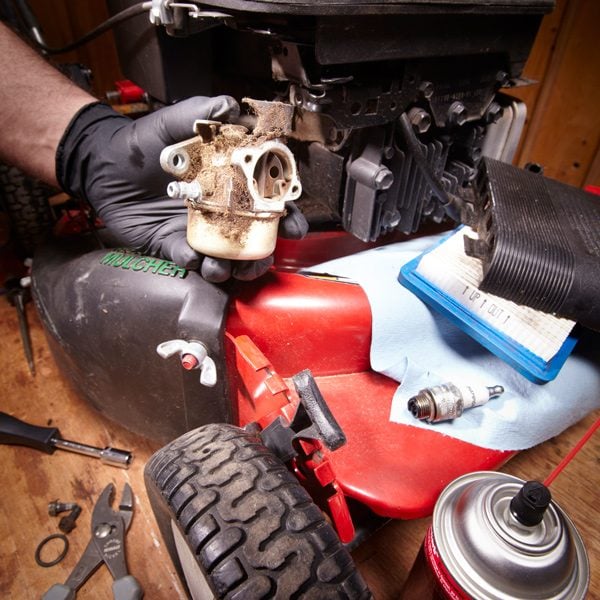
When to Repair vs Replace a Carburetor
Sometimes how to clean a lawn mower carburetor is not enough. If the body is warped, threads are stripped, or it is corroded white inside, replacement is smarter. Severe rust in the tank will re-clog a clean carb within minutes.
A new carb on many walk-behind mowers costs less than an hour of shop time. OEM parts tend to fit better and last longer than very cheap clones. Weigh downtime, cost, and the age of the mower before you decide.
Cost, Time, and Difficulty Breakdown
Plan 45 to 90 minutes for a first-time job. A basic clean with new gaskets is low to medium skill. With calm steps, most DIYers can do it.
Supplies often cost less than a tank of gas. A full rebuild kit is still budget friendly. Budget time for how to clean a lawn mower carburetor so you can work slow and steady.
Frequently Asked Questions of how to clean a lawn mower carburetor
How do I know my carb is the problem?
If the engine only runs on choke, surges at idle, or leaks fuel, the carb is likely. Check the air filter and spark first to rule them out.
Can I clean the carb without removing it?
You can drain the bowl and spray cleaner into the intake as a quick fix. It may help, but a full removal and jet cleaning is the proper way.
What cleaner should I use for the carb?
Use a carburetor-specific spray that evaporates fast and leaves no residue. Avoid soaking rubber parts to prevent swelling and leaks.
How often should I do a full carb cleaning?
Once a season is enough for most users who store fuel right. If you use stale fuel, you may need it more often.
Will ethanol fuel cause carb problems?
Yes, ethanol can attract water and form gums that clog jets. Use fresh fuel, consider ethanol-free gas if available, and add stabilizer.
Do I need to adjust mixture screws after cleaning?
If your carb has them, return to the original counts, then fine tune warm. Many newer carbs are fixed and not adjustable.
What if the mower still surges after the clean?
Check for air leaks at gaskets and spacers, and make sure jets are clear. Verify governor spring placement and fuel flow from the tank.
Conclusion
Cleaning a carb is simple once you know the steps. You removed the bowl, cleared the jets, set the float, and put it back right. With fresh fuel and a clean filter, you get a smooth idle and strong power again.
Use this guide the next time you plan how to clean a lawn mower carburetor. Take photos, go slow, and keep parts in order. Try it today, and share your results or questions in the comments so we can help you dial it in.