
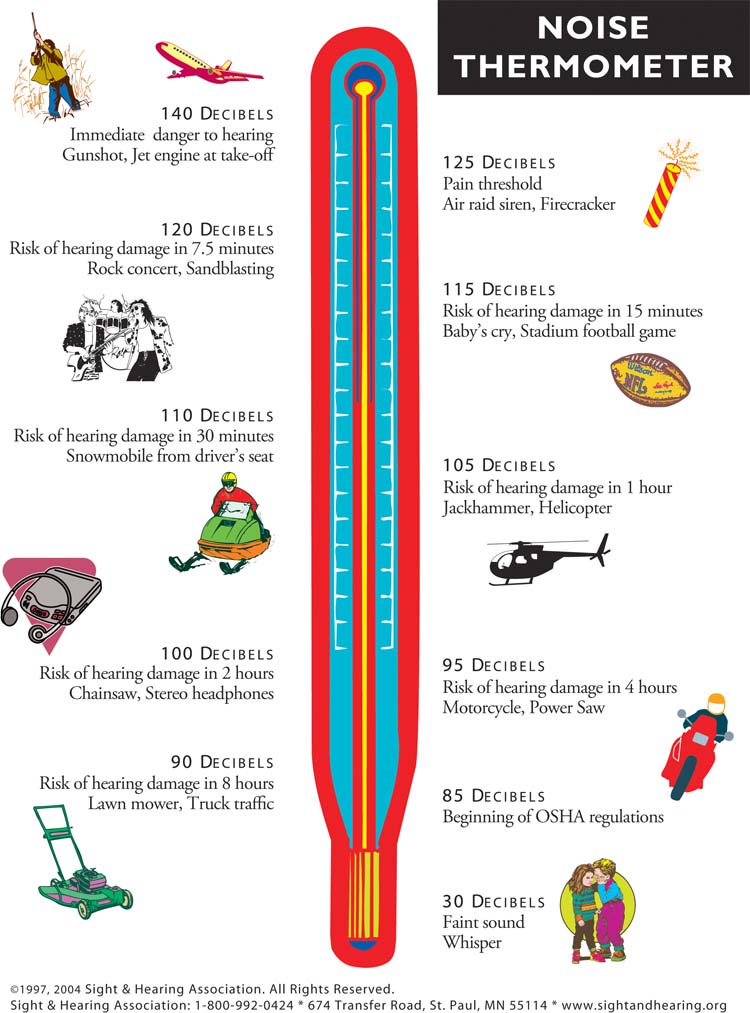
Most chainsaws hit about 100 to 120 decibels right at your ears.
If you have ever asked how loud is a chainsaw, you are not alone. I have logged hundreds of hours with saws on job sites and in the woods. In this guide, I explain how loud is a chainsaw in real life, what the numbers mean, and how to work safer and smarter. You will get clear tips, real readings, and pro insight you can trust.
Decibels 101: What “loud” really means
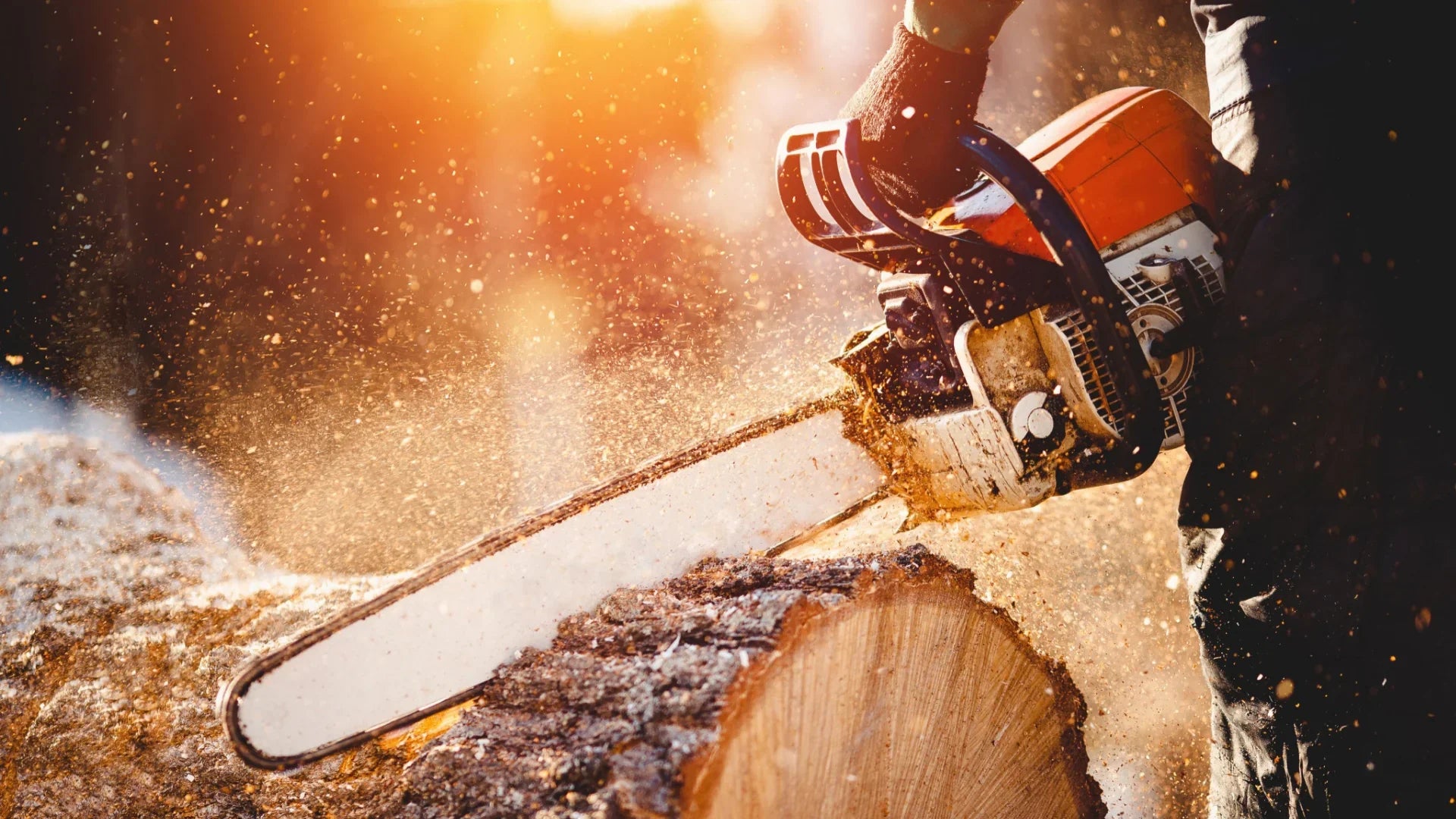
Sound is measured in decibels, written as dB. Most tool tests use dB(A), which matches how our ears hear.
The scale is not linear. It is logarithmic. A jump of 10 dB is 10 times more intense. It can sound about twice as loud.
So, how loud is a chainsaw in plain terms?
- Gas saws often measure 105 to 115 dB(A) at the operator’s ear.
- Big pro saws can peak near 118 to 120 dB(A).
- Battery saws are quieter at idle but still hit 100 to 108 dB(A) in a cut.
- At 50 feet, the same saw may drop to 70 to 85 dB(A), based on wind and terrain.
Why it matters: small changes in dB feel huge. A 5 dB increase can feel like a big jump. That is why a “slightly bigger” saw can feel much louder.
Real-world numbers by saw type and use
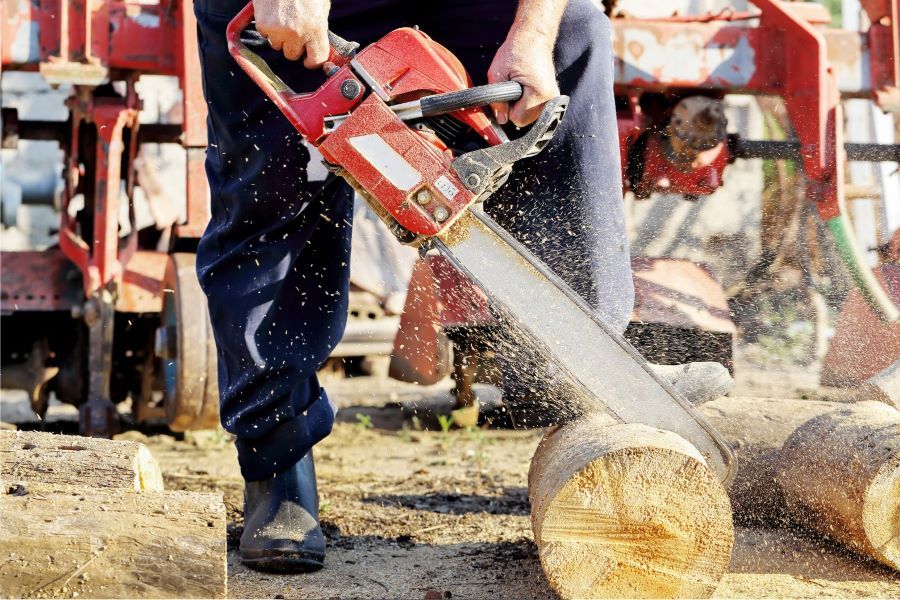
How loud is a chainsaw when we compare models and tasks? Here is what field tests and spec sheets show.
Gas chainsaws
- Most homeowner gas saws read 100 to 112 dB(A) at the ear.
- Pro 60 to 90 cc saws often land in the 112 to 118 dB(A) range under load.
- Idling is far quieter than full-throttle cutting.
Battery chainsaws
- No-load sound can be 85 to 95 dB(A).
- Under load, many jump to 98 to 108 dB(A).
- The tone is less harsh than gas but still risks hearing loss.
Corded electric chainsaws
- Similar to battery under load, often 95 to 105 dB(A).
- Less vibration and no engine drone.
Situational factors
- Cutting dry hardwood often sounds louder than softwood.
- Dull chains scream. Sharp chains cut cleaner and quieter.
- Echo from walls, fences, or garages makes it feel louder.
In my tests on a mid-size gas saw, I see 114 dB(A) in a hard cut and about 101 dB(A) at idle. A pro battery saw in oak reads about 104 dB(A) at my ear.

Health risks and safe exposure times
So, how loud is a chainsaw in terms of risk? At those levels, hearing damage can start fast.
Key safety limits
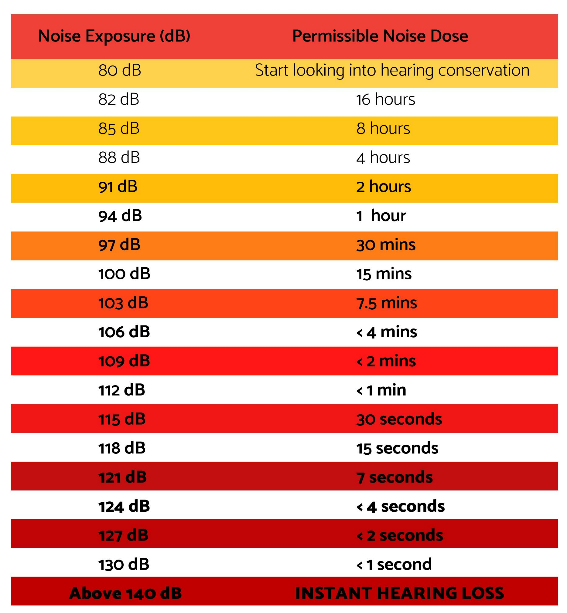
- OSHA allows 90 dB(A) for 8 hours. Every 5 dB up halves the safe time. At 100 dB(A), that is 2 hours.
- NIOSH is stricter: 85 dB(A) for 8 hours. Every 3 dB up halves safe time. At 100 dB(A), only 15 minutes is advised.
- Chainsaws often exceed 110 dB(A) at the ear. Unprotected ears can take damage in under a minute.
Symptoms to watch
- Ringing after a cut session.
- Muffled hearing that lasts into the next day.
- Needing higher volume on music or TV.
Hearing loss is silent and permanent. I once did a quick “five-minute” limb job without muffs. My ears rang all night. I never made that mistake again.
What changes how loud a chainsaw is
How loud is a chainsaw depends on many small details. Tuning these can cut noise and stress.
Tool and setup
- Chain sharpness: dull cutters scream and chatter.
- Bar length: longer bars can load the saw more and raise noise.
- Chain type: low-kickback chains can run smoother and a bit quieter.
- Muffler and spark arrestor: missing parts spike noise and break the law on public land.
Environment
- Distance: each time you double distance, you drop roughly 6 dB in open space.
- Surfaces: walls, sheds, and rock bounce sound back at you.
- Height: up in a tree, noise can carry farther.
Operator habits
- Full throttle in the cut only. Do not rev high when free.
- Keep the saw aligned so the chain cuts, not squeals.
- Avoid pinched cuts that stall and surge the motor.
Source: co.uk
How to measure it yourself
Curious how loud is a chainsaw in your yard? You can test it.
Simple options
- Use a phone app as a quick check. It is not lab-grade but helps compare changes.
- Stand at set distances: 3 feet, 25 feet, and 50 feet. Note the drop.
Better options
- Use a Class 2 sound level meter.
- Choose A-weighting and slow response for steady reads.
- Record idle, no-load rev, and a real cut.
Tip from the field: log chain condition and wood type with each reading. It helps you link noise to cause.

How to make a chainsaw quieter without losing performance
How loud is a chainsaw when you tune it right? Much less harsh. You may not change peak dB a lot, but you can cut the sting and protect your ears.
Personal protection
- Wear earmuffs with NRR 27 to 31 dB.
- Add foam earplugs under the muffs for double protection. This can reduce what reaches your ear by a big margin.
- Fit is everything. Glasses can break the seal. Adjust your muffs.
Tool care
- Sharpen often. Touch up every tank or two.
- Set depth gauges right. Too low means chatter and noise.
- Keep the chain oiled. Dry chains howl.
Work style
- Cut during the day, not at dawn.
- Use a stand or sawbuck to avoid binds.
- Stage cuts to reduce rev spikes.
Barriers and layout
- Work with your back to open space, not a wall.
- Place plywood or a blanket as a sound break between you and a hard surface.
- Move the audience. Neighbors and kids should stand well off to the side and far back.
Source: co.nz
Choosing a quieter saw and being a good neighbor
When people ask how loud is a chainsaw, they often want a quieter setup that still works.
What to look for
- Battery models with brushless motors and low-vibe mounts.
- Chains with narrow kerf for lighter, smoother cuts.
- Anti-vibration systems that lower harshness.
Plan your work
- Avoid early mornings or late nights.
- Tell close neighbors before a big job.
- Cut in shorter sessions. Give ears and nerves a rest.
My go-to plan for yard work days
- Battery saw for pruning and fence posts.
- Gas saw for big rounds only.
- Ear protection from first pull to last cut.

Source: amazon.com
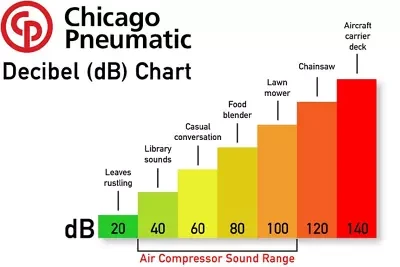
How loud is a chainsaw compared to other sounds
It helps to stack it next to everyday noise. This also shows why protection matters.
Reference points
- Normal talk: about 60 dB(A).
- Busy street: about 70 to 85 dB(A).
- Lawnmower: about 85 to 95 dB(A).
- Leaf blower: about 95 to 105 dB(A).
- Chainsaw at the ear: about 100 to 120 dB(A).
So, how loud is a chainsaw from a neighbor’s porch 100 feet away? Often 60 to 75 dB(A), based on wind, fences, and angle. That is why people notice it, but it is not as harsh as it is for the user.
Frequently Asked Questions of how loud is a chainsaw
How loud is a chainsaw at the operator’s ear?
Most readings fall between 100 and 120 dB(A) during real cuts. Big gas models land at the top of that range.
How fast can a chainsaw damage hearing?
At 110 dB(A), damage can start in under a minute without protection. Even short, repeated sessions add up over time.
Are battery chainsaws safe for hearing without protection?
No. Battery saws can hit 100 dB(A) or more under load. You still need earplugs or earmuffs, and both is best.
Does a sharper chain make the saw quieter?
Yes. A sharp chain cuts clean and reduces chatter and squeal. It also lowers how long you need to cut.
What is the best ear protection for chainsaw work?
Double up with foam plugs plus high-NRR muffs. Aim to reduce the sound that reaches your ear to below 85 dB(A).
Conclusion
How loud is a chainsaw? Loud enough to demand a plan. Operator-ear levels often top 110 dB(A), and that can harm hearing fast. The good news is you can cut the risk with sharp chains, smart technique, and double hearing protection.
Make your next session safer and calmer. Tune your chain, choose the right saw, and wear proper ear gear from the first cut. If this helped, subscribe for more field-tested tool tips and share your own results in the comments.


