Best Mulch For Perennial Garden: Top Picks For 2026
Perennial beds are a long-term relationship. The plants come back every year, so every choice you make in the soil matters for more than one season — and mulch is one of the highest-impact choices of all. The right mulch holds moisture in the root zone, blocks weeds before they germinate, protects roots from freezing swings, and slowly feeds the soil organisms that keep perennials vigorous. In 2026, the best mulch for a perennial garden isn't one single product; it's the material that fits your climate, your planting style, and the amount of upkeep you're willing to do. Here are the top picks for the year, with honest trade-offs, and a simple system for deciding what belongs in your beds.
Why Mulching Perennial Beds Is Worth Doing Right
Unlike vegetable rows you replant each year, perennial beds accumulate everything you add to them. Mulch is not just decoration; it's a working layer of protection and fertility. You can also read our guide on how to use leaf mulcher.
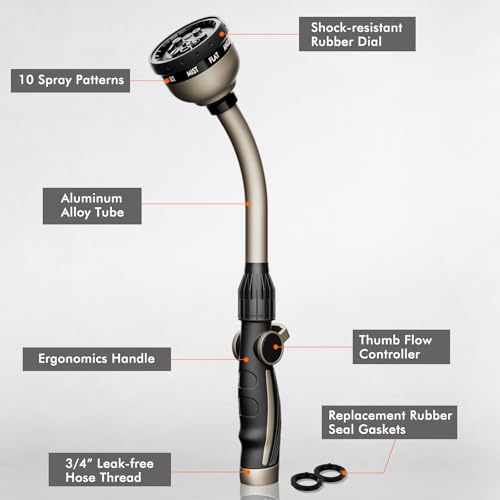
- Moisture retention. A consistent 2–3 inch layer slows evaporation from the soil surface dramatically. That means fewer trips with the hose, especially in July and August. Pairing mulch with the correct hose setup makes watering faster and less wasteful.
- Weed suppression. Mulch blocks sunlight from reaching weed seeds, so far fewer weeds germinate in the first place. That's a real benefit in perennial beds, where aggressive hoeing can damage shallow roots.
- Temperature regulation. Soil under mulch stays cooler in summer and warmer in winter. That protects shallow-rooted perennials from frost heave during freeze-thaw cycles and keeps roots comfortable through heat waves.
- Soil building. Organic mulches decompose and become organic matter, improving soil structure, drainage, and microbial activity. Over a few seasons, the difference in soil texture is obvious.
- Erosion control. On slopes or in exposed areas, mulch keeps soil in place during heavy rain and prevents runoff from exposing roots.
Perennials also have one thing vegetables don't: crowns. A mulch that smothers a crown or traps moisture against it can kill a plant that took years to establish. That's why material choice and application depth matter more in perennial beds than almost anywhere else.
What Makes a Mulch "Good" for Perennial Beds?
Before comparing products, it helps to know what to look for:
- Particle size. Fine materials suit small-leaved perennials; coarse materials work around large plants and in windy spots.
- Weed seed content. Cheap straw and hay often carry weed seeds. Cleaned straw is worth the extra cost.
- Decomposition rate. Fast-breaking mulches feed soil sooner but need more frequent top-ups. Slow materials last longer but contribute less.
- Nitrogen tie-up. Fresh wood chips can temporarily pull nitrogen from the soil as they decompose. Aged or fine materials are safer near nutrient-sensitive perennials.
- Safety around pets. Some mulches, like cocoa shells, are toxic to dogs.
- Aesthetic fit. Mulch sits in the landscape all season, so color and texture matter more than most gardeners admit.
Top Mulch Picks for Perennial Gardens in 2026
Each of these mulches earned a spot for a specific reason. Some are best for large borders, some for containers, and a few for paths and high-traffic zones. The right pick depends on where it will go and what you want it to do. You can also read our guide on balancing beauty and productivity.
1. HealthiStraw GardenStraw Wheat Mulch, 3 cu ft
 Wheat straw is forgiving around delicate crowns and easy to spread by hand.
Image source: Amazon product listing
Wheat straw is forgiving around delicate crowns and easy to spread by hand.
Image source: Amazon product listing
HealthiStraw GardenStraw is cleaned wheat straw, not the dusty bales you get from a feed store. The cleaning process removes most weed seeds, which is the biggest complaint gardeners have about ordinary straw. In practice, this makes it one of the safest organic mulches for establishing new perennials and protecting delicate crowns.
Wheat straw is lightweight and easy to scatter by hand, and it excels at cutting evaporation during hot summer stretches. It also provides a soft insulating layer over shallow roots when late-winter temperatures swing hard. You can also read our guide on how to remove weeds from lawn permanently.
Best applications:
- Drought-prone perennial beds that dry out quickly in summer
- Newly planted or divided perennials that need gentle coverage
- Winter protection for shallow-rooted plants at risk of frost heave
What we like:
- Weed seeds are mostly removed during processing
- Excellent moisture retention during dry spells
- Light enough not to crush emerging shoots
- Insulates roots against both heat and cold
- Breaks down slowly enough to last a full season
What to watch for:
- The golden color reads rustic rather than formal
- Needs watering after application or it can drift in wind
- Plan on a fresh top-up every year
2. Brut Organic Aspen Mulch, 10 Quarts
 Aspen's fine texture suits small-scale beds and container perennials.
Image source: Amazon product listing
Aspen's fine texture suits small-scale beds and container perennials.
Image source: Amazon product listing
Brut Organic Aspen Mulch is a fine, nearly odor-free hardwood mulch with a clean appearance. The small particle size makes it ideal for compact spaces: container perennials, small borders, and foundation plantings. It spreads smoothly and settles into an even, tidy coverage.
Aspen is also relatively gentle on nutrient-sensitive plants. Unlike fresh chipped wood, it doesn't tie up much nitrogen as it decomposes, so it's a safer choice around shallow-feeding perennials like hostas and heuchera. You can also read our guide on how to increase water pressure on garden hose.
Best applications:
- Container perennials that need steady moisture
- Small shaded beds where a lighter tone brightens dark corners
- Tidy foundation plantings and low-maintenance borders
What we like:
- Fine texture creates an even, professional-looking surface
- Low odor and clean appearance
- Holds moisture well in small spaces
- Light color reflects light in shade gardens
- A good match for delicate ornamental plants
What to watch for:
- The 10-quart bag covers only a small area, so large beds need several bags
- Requires periodic refreshing to maintain depth
- The light tone shows fallen debris more readily
3. Gardenera Eucalyptus Mulch, 1 Quart
 Eucalyptus mulch is chosen as much for scent as for moisture retention.
Image source: Amazon product listing
Eucalyptus mulch is chosen as much for scent as for moisture retention.
Image source: Amazon product listing
Gardenera Eucalyptus Mulch brings a pleasant natural aroma and warm color to garden spaces, which most mulches simply don't offer. The chips are small enough to settle well and resist wind blow-off, giving it an edge over lighter materials in exposed spots.
This is a specialty product for accent areas rather than broad coverage. A light layer keeps soil cool and reduces watering around feature perennials, especially near entryways, patios, and walkways where the sensory appeal stands out. You can also read our guide on how to recycle a garden hose.
Best applications:
- Small accent zones where appearance matters
- Entryway perennial beds with warm landscape palettes
- Indoor or patio planters needing light coverage
What we like:
- Pleasant, natural eucalyptus scent
- Fine chips resist wind displacement
- Attractive warm color
- Helps hold moisture in hot weather
- Ideal for small feature areas
What to watch for:
- The 1-quart bag is very small, so it's not a value pick for big borders
- Can mat if applied too thickly
- Higher cost per square foot than basic mulches
4. Blue Mountain Hay Organic Garden Straw, 5 lb
 One lightweight straw bale can refresh a surprisingly large border.
Image source: Amazon product listing
One lightweight straw bale can refresh a surprisingly large border.
Image source: Amazon product listing
Blue Mountain Hay's organic garden straw delivers clean, lightweight coverage at a strong value. A single 5 lb bag can cover up to 75 square feet when applied thinly, which makes it one of the most efficient options on this list.
In perennial beds, this straw helps maintain even soil moisture and prevents surface crusting. It's especially beneficial around fresh transplants and divisions, providing gentle insulation against temperature swings while still letting air and water reach the soil. You can also read our guide on best fill for raised garden beds.
Best applications:
- Windy, sunny borders that need moisture retention
- Freshly planted or divided perennials requiring gentle protection
- Budget-conscious gardeners covering large areas
What we like:
- Organic and clean with wide coverage per bag
- Excellent moisture control and insulation
- Light and easy to spread by hand
- Helps prevent soil erosion on slopes
- A practical choice for new plantings
What to watch for:
- Needs watering after application to prevent wind movement
- The light color may not match darker design schemes
- Requires annual replenishment as it breaks down
5. Gro-Med Coco Husk Chips, 10 lb Block
 Coco chips arrive compressed and expand once soaked and fluffed.
Image source: Amazon product listing
Coco chips arrive compressed and expand once soaked and fluffed.
Image source: Amazon product listing
Gro-Med Coco Husk Chips are different: they arrive as a compressed 10 lb block that expands to up to 16 gallons when hydrated. That's impressive value and storage efficiency.
Coco chips are well known among orchid growers, but they work beautifully as perennial mulch too. They drain well while holding moisture inside their porous structure, providing a consistent water supply to roots. They are also OMRI listed, low in salts, and pH balanced, which makes them a reliable choice for maintaining healthy soil conditions. You can also read our guide on how to improve garden soil naturally.
Best applications:
- Formal borders where a dark, even texture looks deliberate
- Low-maintenance gardens that need fewer top-ups
- Moisture-sensitive perennials that want consistent hydration
What we like:
- Expands to a substantial volume from a compact block
- OMRI listed with balanced pH
- Retains moisture without waterlogging
- Resists compaction and matting
- Dark, tidy appearance that stays put
What to watch for:
- Requires hydration and fluffing before use
- Higher upfront cost than straw
- The modern look may not suit rustic garden styles
6. Garden Elements Cocoa Shell Mulch, 2 cu ft
 Cocoa shells give a refined finish to front-yard display beds.
Image source: Amazon product listing
Cocoa shells give a refined finish to front-yard display beds.
Image source: Amazon product listing
Cocoa bean shell mulch delivers a rich chocolate-brown color and a light, sweet aroma that creates an upscale finish in perennial borders. The shells knit together to form a light crust that suppresses weeds effectively while still allowing water to penetrate.
As it breaks down, cocoa shell mulch adds valuable organic matter to the soil. It's a designer-level choice for front-yard display beds where appearance matters as much as function. You can also read our guide on how to improve lawn soil health.
Best applications:
- Front-yard display beds where curb appeal is paramount
- Formal landscapes that need a refined texture
- Areas where soil enrichment is a priority
What we like:
- Beautiful dark color with a premium texture
- Light, pleasant chocolate aroma
- Forms a crust that suppresses weeds
- Adds organic matter as it decomposes
- High-visibility borders look stunning
What to watch for:
- Toxic to dogs if ingested — avoid it where pets roam
- Can crust if applied too thickly
- Higher cost per square foot than basic mulches
7. DECOHS Recycled Felt Mulch Mat, 10 x 2 ft
 Felt mulch mats create stable paths between perennial clumps.
Image source: Amazon product listing
Felt mulch mats create stable paths between perennial clumps.
Image source: Amazon product listing
This recycled felt mulch mat takes a completely different approach. Instead of a loose material, it's a durable barrier designed for paths and bed edges. The mat comes with stakes for anchoring, and it creates clean, stable lines between garden areas.
In perennial gardens, a stable path layer means less mud, fewer weeds, and reduced soil splash onto surrounding plants. A stable path layer also makes defining crisp bed lines far easier. It works well when topped with a thin layer of bark or chips for a finished look.
Best applications:
- Garden paths between perennial clumps
- Bed edging to keep grass from invading borders
- Low-maintenance layouts where you want set-and-forget coverage
What we like:
- Reusable and durable fabric mat
- Excellent weed suppression
- Includes stakes for easy installation
- Reduces mud and soil splash
- Pairs well with organic mulch on top
What to watch for:
- Not a soil-building mulch by itself
- Fixed width may require cutting
- Needs proper anchoring in windy locations
8. GARDENWISE Brown Wood Mulch, 0.2 cu ft
 Keep a small bag of wood mulch for quick seasonal touch-ups.
Image source: Amazon product listing
Keep a small bag of wood mulch for quick seasonal touch-ups.
Image source: Amazon product listing
GARDENWISE Brown Wood Mulch offers a classic dark-brown landscape look in a convenient small bag. The chips help retain moisture and limit weed growth in tight spaces, making it perfect for refreshing small perennial spots or topping up around established shrubs.
For small jobs, the 0.2 cu ft bag is easy to carry and spread. It lasts longer than straw, stays put in wind better than lightweight materials, and gives a neat, finished appearance.
Best applications:
- Small border repairs and spot touch-ups
- Gaps between stepping stones in garden paths
- Foundation accents where a dark tone highlights foliage
What we like:
- Classic dark-brown color
- Easy-to-handle small bag
- Reduces weeds and evaporation
- Neat finish for tight spaces
- More durable than fine mulches
What to watch for:
- Very small volume, so it's not for large beds
- Color fades under strong sun over time
- Needs occasional raking to refresh the surface
9. GARDENWISE Organic Wood Mulch, 0.3 cu ft
 Organic wood chips feed soil organisms as they break down.
Image source: Amazon product listing
Organic wood chips feed soil organisms as they break down.
Image source: Amazon product listing
This organic wood mulch comes in a slightly larger bag and offers a natural look with reliable moisture savings. The chip size works well around perennials that need steady soil temperatures, and when laid at 2–3 inches, it provides solid weed suppression.
Organic wood mulch feeds soil life as it decomposes, making it a safe, all-purpose choice in mixed beds. You'll likely need to top it up annually, but the soil benefits compound season after season.
Best applications:
- Mixed perennial borders needing balanced performance
- Moisture management in average garden conditions
- Long-term organic soil building
What we like:
- Organic and plant-safe
- Good weed control at the right depth
- Retains moisture and buffers soil temperature
- Natural color blends with most designs
- Easy to spread and rake level
What to watch for:
- Color can fade in high UV exposure
- Needs an annual top-up as it decomposes
- Can float in heavy downpours on slopes
10. Shredded Rubber Mulch with Weed Fabric, 1 cu ft
 Rubber mulch suits paths and seating areas, not planting zones.
Image source: Amazon product listing
Rubber mulch suits paths and seating areas, not planting zones.
Image source: Amazon product listing
This kit pairs shredded rubber mulch with a weed barrier fabric for maximum low-maintenance performance. Rubber mulch is exceptionally long-lasting and colorfast, so it eliminates the need for frequent re-mulching.
In perennial beds, rubber mulch works best in limited, non-planting zones or around hardy, established plants. It does not build soil, so if you use it in beds, add compost beneath it. It shines in paths, seating areas, and other high-traffic spots where organic mulch would break down quickly.
Best applications:
- Garden paths and seating areas
- Fixed landscape designs you won't change often
- High-traffic zones that need durability
What we like:
- Very long-lasting with color that holds up
- Resists float, wind, and compaction
- Includes weed barrier fabric for extra control
- Minimal maintenance over time
- Ideal for paths and walkways
What to watch for:
- Does not add organic matter to the soil
- Not ideal for moisture-sensitive roots
- Can heat up significantly in full sun
Quick Comparison of the 2026 Top Picks
| Mulch | Material | Best For | Longevity | Builds Soil |
|---|---|---|---|---|
| HealthiStraw GardenStraw | Cleaned wheat straw | Moisture retention, new plantings, winter cover | 1 season | Yes |
| Brut Organic Aspen Mulch | Fine aspen wood | Containers, small borders | 1 season | Yes |
| Gardenera Eucalyptus Mulch | Eucalyptus chips | Small decorative accents | 1 season | Yes |
| Blue Mountain Hay Garden Straw | Organic straw | Budget coverage, new divisions | 1 season | Yes |
| Gro-Med Coco Husk Chips | Coconut husk chips | Moisture-sensitive beds, formal borders | 2–3 years | Yes |
| Garden Elements Cocoa Shell Mulch | Cocoa bean shells | Front-yard display beds | 1 season | Yes |
| DECOHS Recycled Felt Mulch Mat | Recycled felt mat | Paths, bed edges | Several years | No |
| GARDENWISE Brown Wood Mulch | Brown wood chips | Spot touch-ups | 1–2 years | Yes |
| GARDENWISE Organic Wood Mulch | Undyed wood chips | Mixed perennial borders | 1–2 years | Yes |
| Shredded Rubber Mulch + Fabric | Shredded rubber | Paths, high-traffic zones | 5+ years | No |
How to Choose the Right Mulch for Your Perennial Beds
With so many options, the best mulch for your garden comes down to a few practical factors.
Match Texture to Plant Size
Fine mulches like straw or aspen work well around small-leaved perennials such as creeping thyme, dianthus, and hardy geraniums. Chunkier materials like wood chips or coco husk suit larger plants like hostas, daylilies, and ornamental grasses. A simple rule: the smaller the plant, the finer the mulch.
Consider Your Climate and Microclimate
Hot, dry regions benefit from moisture-retentive mulches like straw and coco chips. Cool, wet climates need materials that drain well — coco chips excel here because they stay open and airy. Windy sites demand heavier mulches like wood chips or rubber that resist blow-off. Also watch your microclimate: beds against a south-facing wall dry out faster than shaded corners.
Think About Longevity
If you want set-and-forget coverage, coco chips and rubber mulch last the longest. Straw and shredded leaves need annual replacement but improve the soil faster. Wood chips sit somewhere in between, with a typical lifespan of one to two seasons before they begin looking thin.
Factor in Soil Building
Organic mulches — straw, wood chips, cocoa shells, coco chips — all contribute organic matter as they break down. If your soil is lean and needs improvement, these are the better choices. Returning organic matter to the soil is at the heart of USDA soil health principles, and mulch is one of the easiest ways to apply that idea in a planted bed.
Account for Pets and Safety
Avoid cocoa shell mulch entirely if dogs can access your garden. Theobromine, the same compound in chocolate, is present in cocoa shells and is toxic to dogs. Safe alternatives include bark, straw, wood chips, and coco chips.
Should You Use Shredded Leaves?
Shredded leaves are the overlooked workhorse of perennial mulches. They're free, they break down into rich humus, and earthworms love them. The key is shredding them first — whole leaves can mat into a water-blocking layer. If you have trees, you're already sitting on a season's worth of mulch; spend an afternoon shredding leaves into free mulch. You can then top it with finished compost, a practice reflected in the EPA's composting guidance.
How Much Mulch Do You Need?
The standard depth for perennial beds is 2–3 inches. To find out how much you need, multiply your bed's square footage by the depth you want (in inches), then divide by 12 to get cubic feet. For example:
- A 100-square-foot bed at 3 inches deep: 100 × 3 ÷ 12 = 25 cubic feet.
- That's about one cubic yard (27 cubic feet), or roughly 8–9 bags of a 3 cu ft bag, or 12–13 bags of a 2 cu ft bag.
It's always smarter to buy slightly less than you think you need, apply it, and then top up the thin spots. A bag too many is easier to store than a pile of excess mulch you have to haul away.
How to Apply Mulch Around Perennials (Step-by-Step)
Getting the mulch right is only half the battle — how you put it down matters just as much.
- Clear weeds and debris first. Whichever material you use, it only works if it sits directly on the soil. If the surface is compacted, take a few minutes breaking up compacted ground first.
- Water deeply if the soil is dry. Mulch locks in moisture, but it can also block water from reaching the soil if applied over dry ground.
- Add compost before mulching. For perennial beds, a thin layer of finished compost under the mulch gives soil life something to work with all season.
- Spread the mulch evenly at 2–3 inches deep. Use a rake for large areas and your hands around delicate plants. For a brand-new bed, loosen the soil once with the right garden prep tool before covering it.
- Leave breathing room around crowns and stems. Keep mulch 2–3 inches away from plant crowns, trunks, and low stems. Direct contact traps moisture and causes rot.
- Water lightly after application. This settles the mulch and prevents lightweight materials from blowing. A gentle hose attachment is all you need.
When to Mulch Perennials: Spring vs. Fall
Timing has a big effect on how much benefit mulch provides.
Spring: Wait until the soil has warmed before applying fresh mulch. If you mulch too early, you keep the ground cold and delay perennial growth. A good target is when soil temperatures have reached about 55°F at a few inches deep. Spring mulch stops weed seeds from germinating and holds moisture through the growing season.
Fall: Apply a slightly thicker layer in late fall, after the first hard freeze, to protect roots from frost heave. Freeze-thaw cycles can push shallow-rooted perennials out of the ground, and a winter mulch layer minimizes that damage. After the leaves drop, spend one dry afternoon clearing fallen leaves quickly and then lay the winter mulch before the ground freezes.
Common Mulching Mistakes to Avoid
Even experienced gardeners make these errors. Here's what to watch for:
- Applying too thickly. More isn't better. Layers over 4 inches can suffocate roots, harbor pests, and force water to run off instead of soaking in.
- Mulching too early in spring. Cold, wet soil stays cold longer under mulch, which delays growth and encourages rot in some perennials.
- Using fresh wood chips near sensitive plants. Freshly chipped wood can tie up nitrogen as it decomposes. If you use it, mix in compost or an organic nitrogen source.
- Creating mulch volcanoes. Piling mulch directly against stems and trunks traps moisture and invites disease. Always leave a gap around crowns.
- Ignoring drainage. In poorly draining areas, thick mulch makes the problem worse. Choose coarse materials like coco chips that keep air moving.
- Forgetting to refresh. When topping up, you don't need to remove the old layer, but rake it first to break up matted surfaces so water can pass through.
Frequently Asked Questions
What is the best mulch for perennial garden beds in full sun?
Clean wheat straw or coco husk chips work best in hot, sunny locations. Both hold moisture effectively without trapping excessive heat, and both are gentle on plant crowns.
How often should I replace mulch in perennial beds?
Most organic mulches need an annual top-up to maintain the recommended 2–3 inch depth. Coco chips and rubber mulch last longer — every 2–3 years for coco chips, and much longer for rubber, though rubber doesn't build soil.
Can I use grass clippings as mulch for perennials?
Yes, but use them sparingly. Apply a thin layer of 1 inch or less, and avoid fresh clippings in thick clumps; they can mat, heat up, and produce ammonia as they decompose. Mixing clippings with straw or shredded leaves improves aeration.
Is landscape fabric recommended under mulch in perennial beds?
Skip fabric in planting areas. It blocks natural soil aeration and makes it difficult to add amendments or divide plants later. Use fabric only on paths or areas where you never intend to plant.
What mulch attracts fewer pests?
Coco husk chips and wood chips tend to attract fewer pests than straw, which can harbor slugs and rodents. Avoid deep, soggy mulch layers, which create habitat for unwanted creatures regardless of the material.
Is cocoa shell mulch safe around pets?
No. Cocoa shells contain theobromine, which is toxic to dogs. If pets roam your garden, choose bark, straw, wood chips, or coco chips instead.
Do I need to remove old mulch before adding new?
No. Rake the old layer to break up any matting, then add a fresh layer on top to bring the depth back to 2–3 inches. Removing it entirely disturbs soil life and perennial roots.
Final Verdict: Which Mulch Should You Choose?
For most perennial gardens, organic wood mulch or coco husk chips deliver the best balance of weed suppression, moisture retention, soil building, and longevity. They look natural, last through the season, and improve the soil over time.
If you need fast, broad coverage on a budget, clean wheat straw is the smartest pick. It's lightweight, gentle on plants, and excellent at retaining moisture. For high-traffic paths and walkways, felt mats or rubber mulch win on durability, though they don't contribute to soil health. And for front-yard display beds where appearance is everything, cocoa shell mulch creates a stunning finish — just keep it away from dogs.
Pick one mulch that fits your beds, apply it at the right depth this season, and you'll notice the difference in fewer waterings, fewer weeds, and healthier perennials. That's the real payoff — a garden that looks better and takes less work, season after season.