
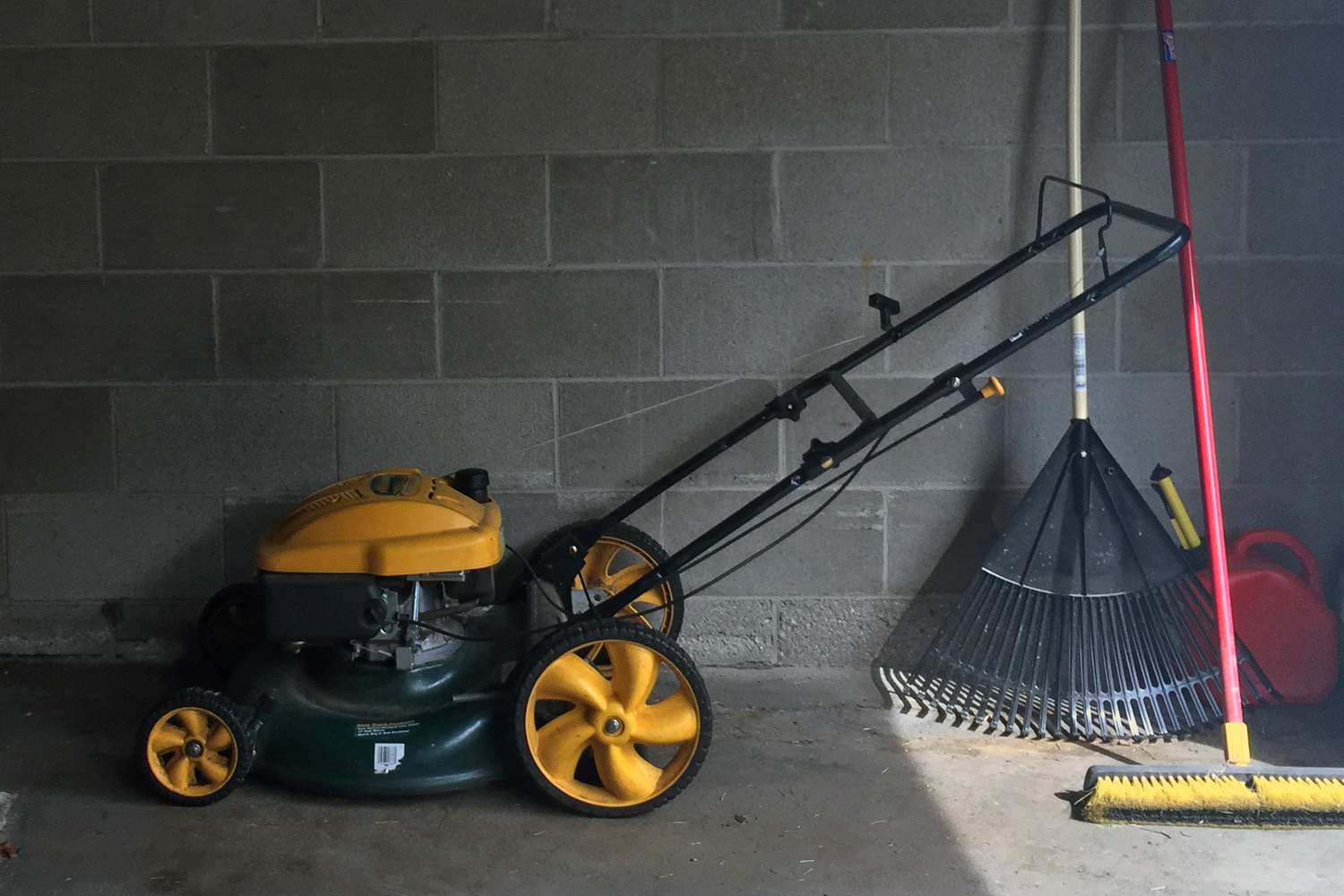
Yes, deal with the fuel before storage: drain it or stabilize it for winter.
If you skip fuel care, spring headaches follow. I have serviced small engines for years, and I have seen the same pattern: stale fuel leads to clogged carbs, hard starts, and repairs. This guide gives a clear, expert answer to should you drain gas from lawn mower for winter and shows you the safest, simplest path for your mower and climate.
:max_bytes(150000):strip_icc()/GettyImages-2202679109-892bb17c0b144044b605d357a6a30fdb.jpg)
Why winter fuel care matters
Gas goes stale. In as little as 30 days, it oxidizes and forms gum and varnish. Ethanol blends pull in water from the air, which can cause phase separation. That sludge settles in the carb and blocks tiny jets.
Cold storage also slows evaporation, but not enough to stop damage. Small carburetors have fine passages. Any residue will cause rough running or no start in spring. Most engine makers warn against off-season storage with untreated fuel.
If you are asking should you drain gas from lawn mower for winter, the risk of leaving old fuel says you must act. Your choice is to drain or stabilize. Both work when done right.
Drain or stabilize: which is best?
Both methods protect the engine. Pick the one that fits your storage space, time, and fuel quality.
Draining is best when:
- You use E10 gas, the mower has no fuel shutoff, and storage is more than 3 months.
- You store in a place with big temperature swings.
- You want an empty system to avoid varnish.
Stabilizing is best when:
- You have fresh fuel and can run the engine to pull treated gas into the carb.
- Your tank is plastic and you want to avoid dry gaskets.
- Storage is 1 to 6 months and you can add a stabilizer now.
From shop experience, I favor stabilized fresh fuel for most users. It is fast, clean, and reliable. For long storage or unknown gas age, I drain. If you wonder should you drain gas from lawn mower for winter, use this rule: old or suspect fuel gets drained; fresh fuel gets stabilized.

How to drain gas from a lawn mower safely
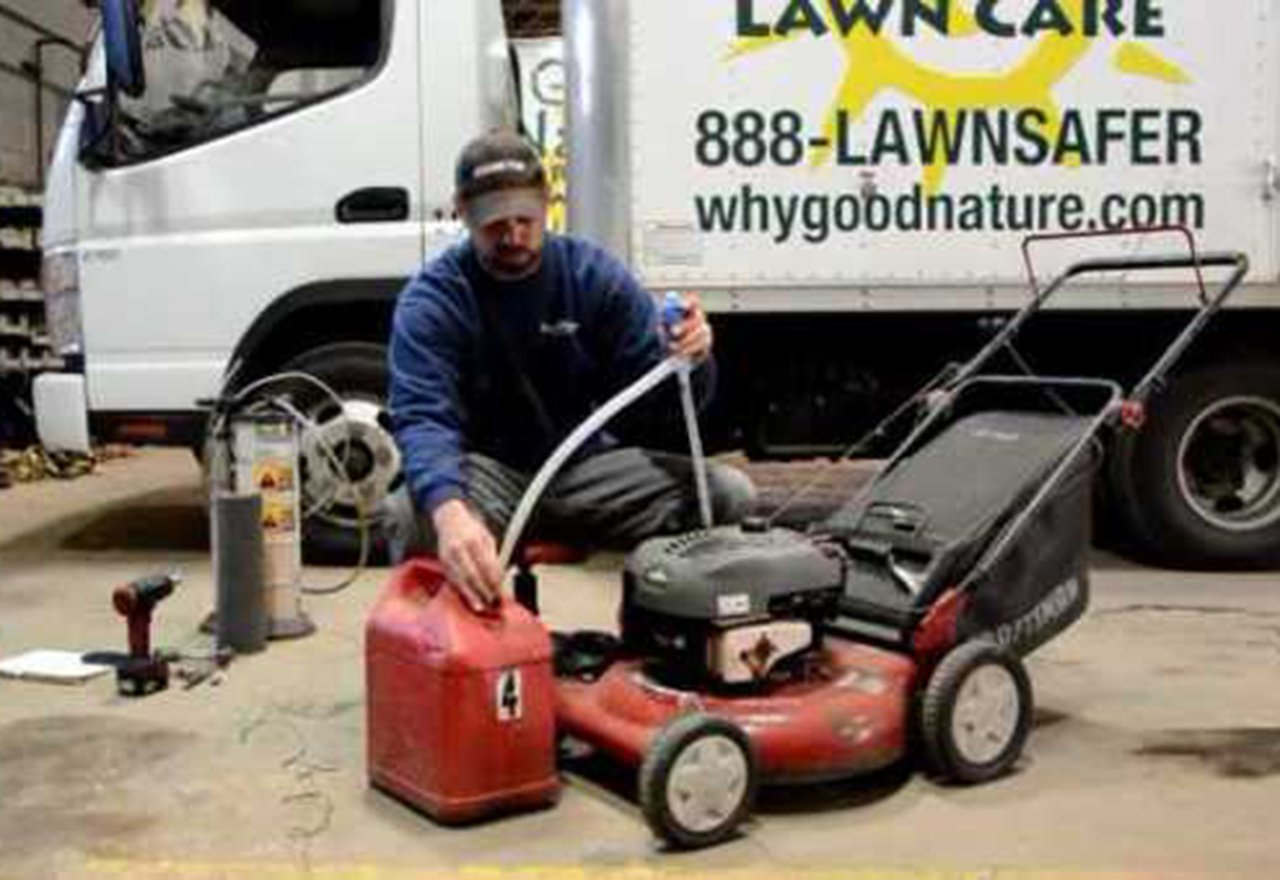
Work in open air, away from flames. Keep a fire extinguisher nearby. Use only approved gas containers.
What you need:
- Siphon pump or turkey baster dedicated to fuel
- Catch pan and approved gas can
- Small container for carburetor bowl fuel
- Gloves and eye protection
- Paper towels
Steps:
- Run the mower for 3 to 5 minutes to warm the fuel and thin any deposits.
- Remove the spark plug wire for safety.
- Siphon the tank into your approved container until empty.
- If your mower has a fuel shutoff valve, close it now.
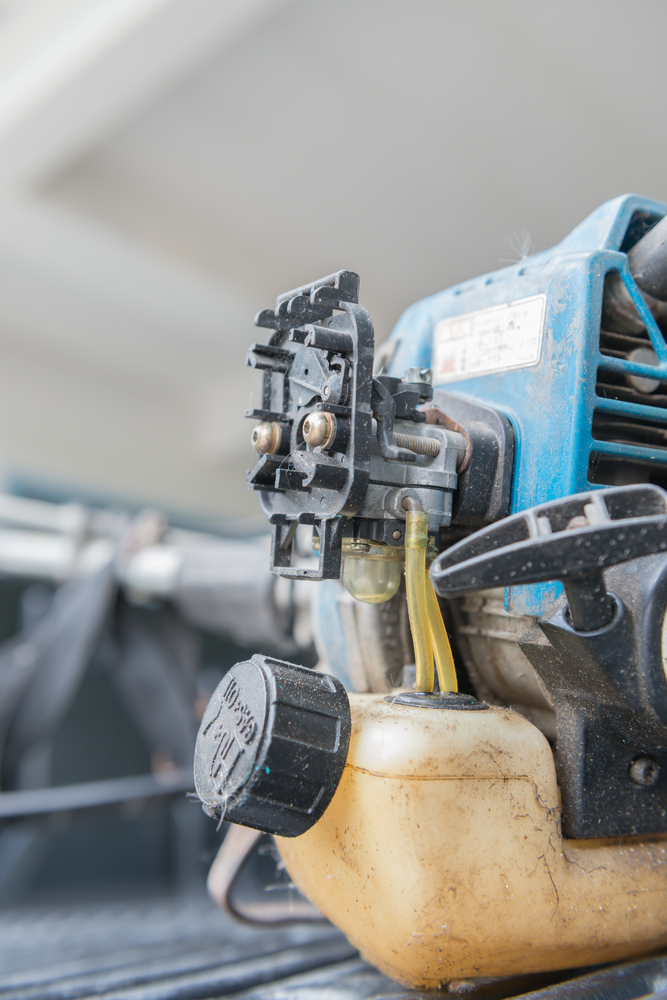
- Drain the carb bowl. Some bowls have a drain screw; use a cup to catch fuel. If not, loosen the bowl bolt carefully and tip to drain.
- Reconnect the plug wire and start the engine. Let it run until it stalls. Crank once more to clear the carb.
- Add a few drops of fogging oil through the spark plug hole if storing more than 3 months. Pull the cord slowly to coat the cylinder.
- Label the drained fuel as old. Store away from heat until disposal or safe reuse.
Should you drain gas from lawn mower for winter if the fuel is already 60 days old? Yes. Do not try to save it in the carb.

How to store a mower with stabilized fuel
This is the fastest method for most people. It prevents dry seals and protects the carb.
Steps:
- Start with fresh gas from a busy station. Ethanol-free gas is even better if available.
- Add the right dose of a quality fuel stabilizer to your can first, then fill with fresh gas.
- Fill the mower tank with the treated fuel.
- Run the engine for 5 to 10 minutes. This pulls stabilized fuel into the carb and lines.
- If you have a fuel shutoff, let the engine run with the valve closed until it almost stalls, then reopen for 10 seconds. Repeat. This swaps stale fuel out of the bowl.
- Store the mower on level ground in a cool, dry place.
If you ask should you drain gas from lawn mower for winter when the fuel is brand-new, the stabilizer route is safe and smart.
Special cases and tips for ethanol, engines, and storage time
Ethanol fuel:
- E10 can go stale fast and absorb water. If you use E10, be strict with stabilizer or drain.
- Ethanol-free fuel stores better. It costs more but saves carb cleanings.
Engine type:
- Most walk-behind mowers use four-cycle engines. Use straight gas, not a gas-oil mix.
- If you have a rare two-stroke mower, run it dry for long storage or use fresh, stabilized premix.
Storage time guide:
- Up to 30 days: Do nothing if fuel is fresh and clean.
- 1 to 3 months: Add stabilizer and run the engine.
- Over 3 months: Drain, or use ethanol-free plus stabilizer and run dry at the shutoff.
When in doubt about should you drain gas from lawn mower for winter, choose the safer path and drain. It eliminates most fuel issues.
Spring troubleshooting if the mower will not start
Start with the basics. Many no-start issues are fuel or spark.
Try this:
- Check the fuel. If it smells sour, drain and refill with fresh fuel.
- Inspect the air filter. Clean or replace if dirty.
- Remove and check the spark plug. Clean or replace and set the gap.
- Open the carb bowl. Look for white crystals or brown varnish. Clean with carb cleaner if needed.
- Prime per the manual and try again.
If you skipped the advice on should you drain gas from lawn mower for winter, you may need a carb cleaning kit. It is still fixable with patience.
Safety, disposal, and environmental rules for old gas
Handle old gas with care. Vapors are flammable and harmful.
Do this:
- Store drained fuel in a sealed, approved container.
- Contact your local waste facility for hazardous waste days.
- Many regions allow blending small amounts of old gas into a car tank at about 1 part old to 10 parts fresh, but only if the fuel is clean and water-free. Check local rules and your vehicle manual first.
- Never pour gas on the ground, drains, or trash.
If you plan to drain, plan to dispose. Asking should you drain gas from lawn mower for winter also means planning safe fuel handling.
Time, cost, and savings
Fuel care takes minutes and saves money.
Typical costs:
- Stabilizer costs a few dollars and treats many gallons.
- A carb cleaning or replacement can cost far more, plus time.
A simple choice answers should you drain gas from lawn mower for winter. Spend a little time now to avoid repairs later.

Common mistakes to avoid
Avoid these common errors:
- Storing with old, unstabilized fuel in the tank and carb.
- Adding stabilizer to old gas and thinking it fixes it. Stabilizer keeps fresh gas fresh; it does not revive stale fuel.
- Forgetting to run the engine after adding stabilizer.
- Draining the tank but leaving fuel in the carb bowl.
- Using last year’s gas in spring without checking smell or clarity.
These points settle should you drain gas from lawn mower for winter for most users. Act before storage, not after.
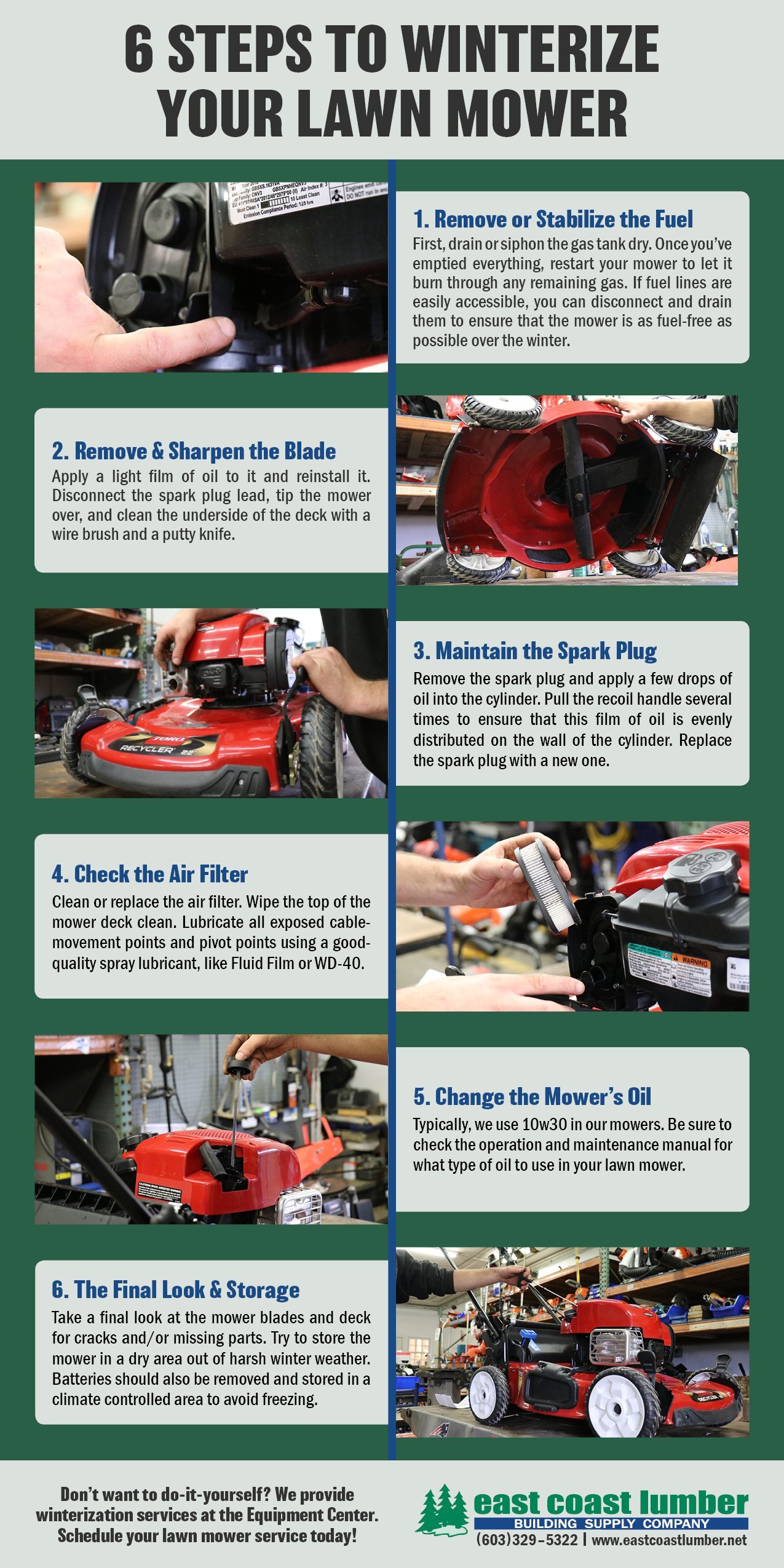
Winterizing checklist for your lawn mower
Use this simple list before you roll the mower away.
Checklist:
- Decide your fuel plan. Drain or fill with stabilized fresh gas.
- Change the oil while the engine is warm.
- Clean the deck to remove caked grass and prevent rust.
- Sharpen and balance the blade. Disconnect the plug wire first.
- Replace the air filter if dirty.
- Check the spark plug and replace if worn.
- For riders, charge and store the battery on a maintainer.
- Cover the mower and store in a dry, ventilated space.
Follow this and you will not ask should you drain gas from lawn mower for winter next year. You will know the drill.
Frequently Asked Questions of should you drain gas from lawn mower for winter
Should you drain gas from lawn mower for winter or use stabilizer?
Both work. Drain if the gas is old or storage is long. Use stabilizer with fresh fuel and run the engine to protect the carb.
How long does gas last in a mower before it goes bad?
With ethanol blends, plan on 30 days. With stabilizer and good storage, you can stretch it to a few months.
Is ethanol-free gas better for winter storage?
Yes. Ethanol-free resists water and lasts longer. It costs more but reduces carb issues.
Can I just run the mower until it stalls and call it done?
Running dry helps, but some fuel can remain in the bowl. Drain the bowl or use the shutoff cycling method for best results.
What happens if I ignore fuel care all winter?
Expect hard starts, surging, or no start. You may need a carb cleaning, new plug, and fresh fuel to recover.
Can I mix old gas with new gas to use it up?
Only if the old gas is clear and not sour. Blend small amounts into a car tank with plenty of fresh fuel, and follow local rules.
Conclusion
Fuel care is simple, fast, and pays off when spring returns. Decide now whether to drain or stabilize, then follow the right steps and store the mower in a clean, dry spot. Your mower will start on the first or second pull.
Take five minutes today to act on this guide. Protect your engine, save money, and skip the spring frustration. If this helped, subscribe for more small-engine tips or leave a comment with your own storage routine.
