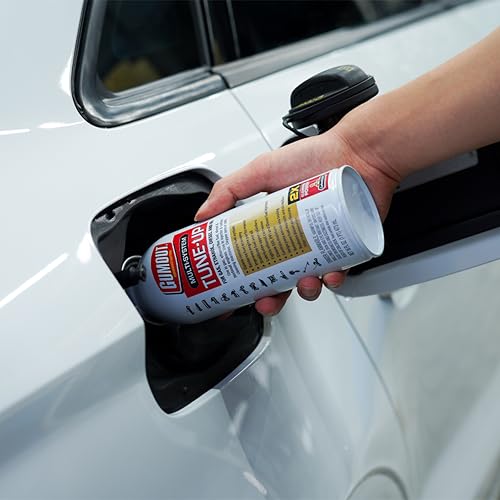
Check fresh fuel, clean air filter, restore spark, and use proper choke.
If you want to know how to start a lawn mower that won’t start, you’re in the right place. I work on small engines every season, and I’ll walk you through a proven, step-by-step process that fixes most no-start issues fast. You’ll learn what to check first, what to clean, what to replace, and how to prevent the problem next time. Stick with me to master how to start a lawn mower that won’t start with confidence and care.
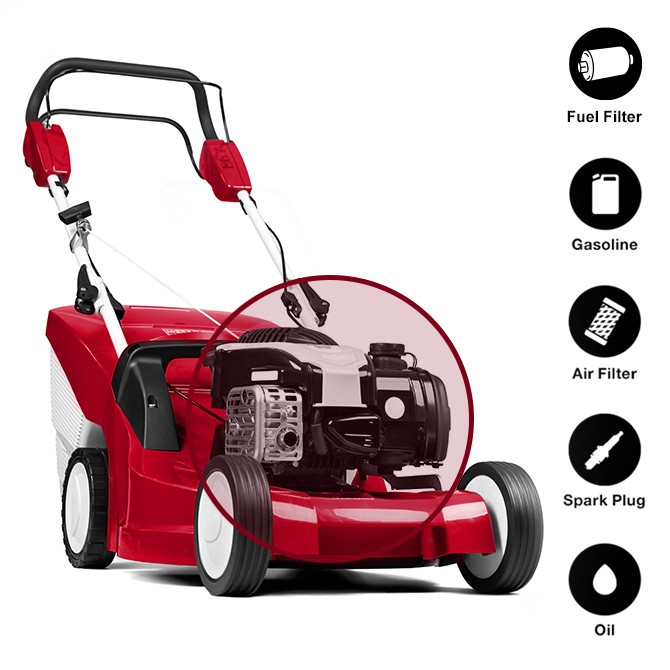
Safety first and quick checks
Before any work, think safety. Set the mower on flat ground. Pull the plug wire off the spark plug. Remove the key on electric models. Wear gloves and eye protection. Never work under a deck with a blade that can move.
Run these fast checks first. These solve many no-start calls in a few minutes:
- Hold the bail bar tight. Many mowers won’t spark unless the bar is held to the handle.
- Set choke to on for a cold start. Move it to run once the engine fires.
- Press the primer bulb 3 to 5 times. If it is cracked, it will not prime.
- Open the fuel valve if your model has one.
- Use fresh fuel. If fuel is older than 30 days, replace it.
- Loosen the gas cap. If it vents slow, a vacuum can stop fuel flow.
- Check the blade for jams. Sticks or clumped grass can lock the crank.
- On electric models, insert the safety key, charge the battery, and clear any blade jam.
These basics form the core of how to start a lawn mower that won’t start.
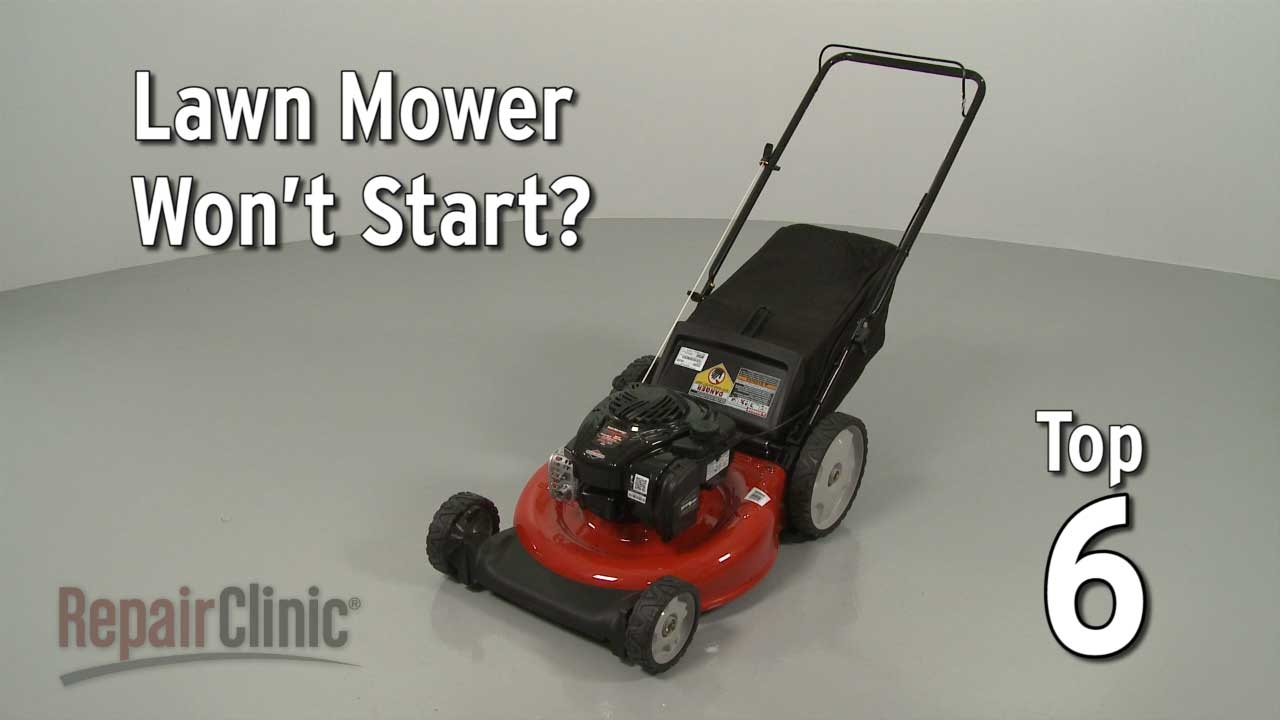
Know your mower and engine
Your fix path depends on the type of mower you have.
- Gas push mower. Most use a four-stroke engine with a carburetor.
- Self-propelled gas mower. Same engine style, plus drive controls and cables.
- Corded electric mower. Needs full power and clear vents. No fuel system.
- Battery mower. Needs a charged pack, inserted key, and a clear deck.
Key points I see a lot:
- Ethanol fuel absorbs water over time. That leads to varnish and clogs.
- Air filters load fast in dusty yards. A clogged filter floods the engine.
- Old spark plugs get weak. A strong spark is a must for cold starts.
Understanding your setup helps you pick the right steps for how to start a lawn mower that won’t start.
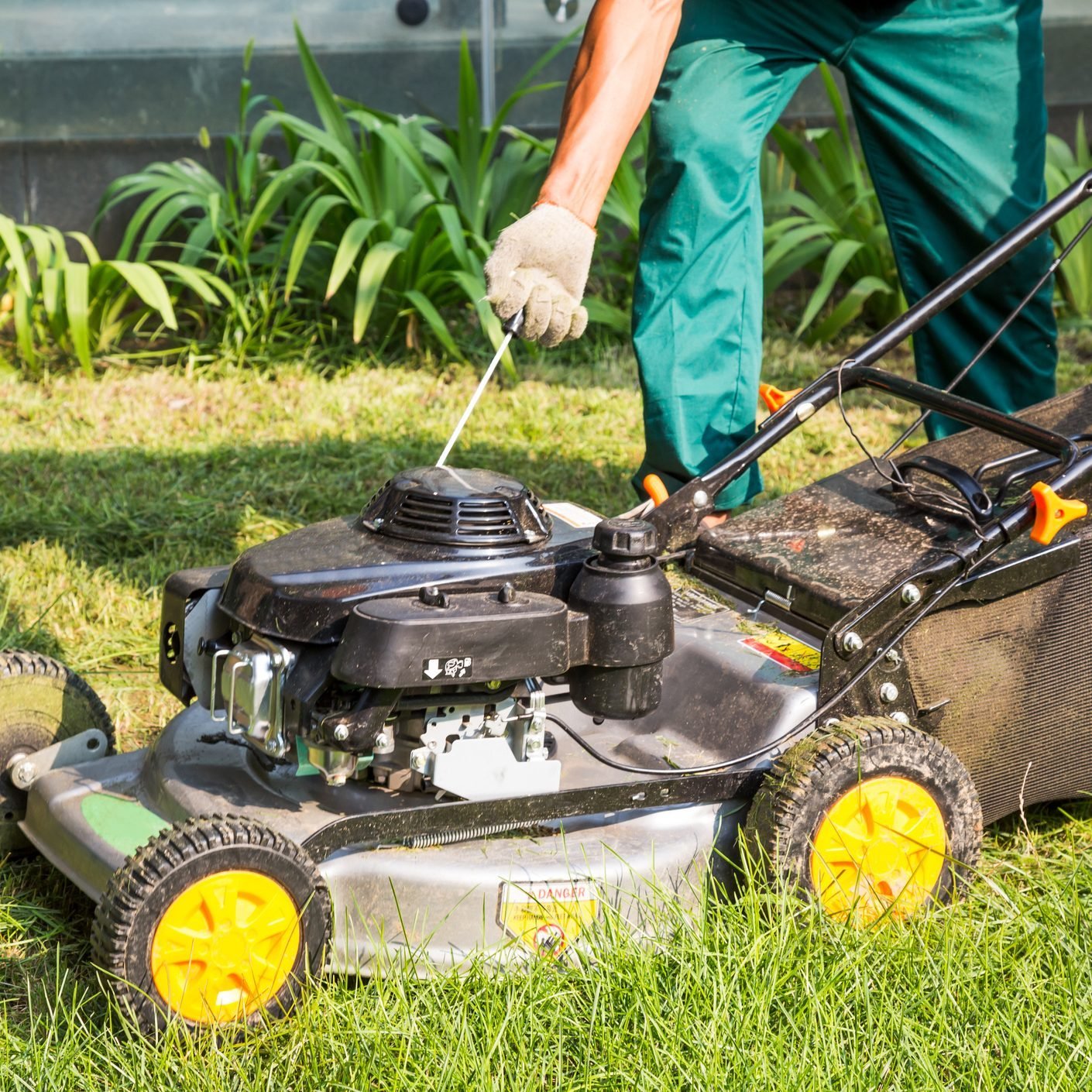
Step-by-step: how to start a lawn mower that won’t start
Use this quick path. Move to the next step if it still will not start.
- Confirm the basics
- Fuel in the tank. Use fresh, regular, 87 octane gas.
- Oil level to the full mark. Low oil can stop some engines.
- Set for a cold start
- Choke on or lever to start.
- Primer bulb pressed 3 to 5 times.
- Bail bar held tight to the handle.
- Try to start
- Pull the starter rope with smooth, fast pulls.
- For electric start, hold the bail and turn the key or push the button.
- Check spark
- Remove the spark plug. Inspect for wet, black, or cracked.
- Dry or replace it. Gap many plugs to 0.028 to 0.031 inches.
- Test spark by grounding the plug and pulling the rope. Look for a bright blue spark.
- Check air
- Remove the air filter. Try a start with the filter off. If it fires, replace the filter.
- Check fuel flow
- Loosen the gas cap. Listen for a hiss.
- Remove the fuel line at the carb inlet. Fuel should flow in a steady stream.
- If slow, replace the filter or line.
- Clean the carb
- Drain the bowl. Remove the main jet and clean the tiny hole with a soft wire.
- Reassemble, prime, and try again.
- For battery mowers
- Confirm the pack shows full. Let a hot pack cool 15 minutes.
- Clear the blade. Check the safety key and handle switches.
This is the field process I use when people ask how to start a lawn mower that won’t start. It is fast, safe, and covers the most common faults.

Fuel system fixes that work
Most no-start issues trace back to fuel. Old gas, water in gas, and carb gum are top causes.
Do this first:
- Swap old fuel. Use fresh gas and add a stabilizer if it will sit over 30 days.
- Drain the carb bowl. Catch and inspect the fuel for water beads.
- Clean the main jet. It is the tiny brass piece in the carb. Use a bristle, not a drill bit.
- Replace the fuel filter if flow is weak.
- Check the primer bulb for cracks. Replace if it will not hold fuel.
- Inspect lines for soft spots or leaks. Replace brittle or swollen lines.
Tips from the shop:
- E10 fuel can go stale fast in heat. Keep small amounts on hand.
- If you must use starting fluid, use a very short burst into the air intake. Too much can damage rings.
- After a carb clean, change the oil if the plug was wet with fuel.
When people search how to start a lawn mower that won’t start, fuel is often the fix.
Ignition and spark fixes
A strong spark is vital. Weak spark causes hard starts and stalls.
Work the list:
- Inspect the spark plug. Replace if the tip is worn or the insulator is cracked.
- Set the plug gap. Many small engines like 0.028 to 0.031 inches.
- Check the coil kill wire. If it is chafed or shorted, the engine will not spark.
- Inspect the bail bar cable and stop switch. A stuck switch kills spark.
- Check coil to flywheel air gap if you have a feeler gauge. Follow the engine spec.
A sharp, blue spark under a steady pull is the goal. I have fixed many “dead” mowers with only a fresh plug. For anyone learning how to start a lawn mower that won’t start, do not skip this step.
Airflow and compression checks
Engines need air and compression to fire.
Try these fast checks:
- Air filter. If it looks dark or soaked, replace it. A clogged filter makes a rich mix.
- Choke plate. Make sure it moves and does not stay shut when warm.
- Blade and flywheel key. A sudden stop can shear the key. That throws off timing.
- Compression. Put your thumb over the plug hole and pull. You should feel strong push. Weak push may mean valve or ring wear.
I once had a mower with a perfect carb and coil. The fix was a sheared key from a hidden stump strike. It would pop but never run. That story is a classic case in how to start a lawn mower that won’t start when nothing else works.

Starter system and batteries
If the rope will not pull or the starter will not spin, look here.
For recoil starters:
- Remove the top cover. Check the pawls that catch the flywheel. Clean and lube light.
- Inspect the rope and spring. Replace frayed rope and weak springs.
- Make sure the blade is clear. A jam locks the crank.
For electric start gas mowers:
- Charge the battery. A healthy 12 V battery should read about 12.6 V at rest.
- Clean the posts. Tighten all grounds.
- Listen for a click. A click with no spin can be a weak battery or bad solenoid.
For battery mowers:
- Fully charge the pack. Swap packs if you have a spare.
- Insert the safety key. Many models will not arm without it.
- Let the tool cool. Thermal cutoffs trip if the deck packs with grass.
- Check handle switches. Many need both handles pressed to start.
Starter faults can make you think the engine is bad. Rule them out as part of how to start a lawn mower that won’t start.
Seasonal habits that prevent no-start issues
Good care makes spring starts easy. Build these into your routine.
- Use fresh fuel and a stabilizer. Replace fuel every 30 to 60 days in heat.
- Run the carb dry before storage. Turn off the fuel valve and let it stall.
- Change oil each season. Clean oil helps rings seal and start fast.
- Replace the air filter and plug yearly if you mow often.
- Clean the deck. Packed grass traps heat and strains the starter.
These habits cut most calls I get about how to start a lawn mower that won’t start. Simple steps save time and money.
When to call a pro and what it may cost
Sometimes the best fix is expert help. Call a pro if you see fuel in the oil, a broken recoil, a bent crank, or no compression.
Typical shop notes:
- Carb clean or swap. Often 60 to 140 dollars plus parts, based on model.
- New coil. Often 35 to 90 dollars plus labor.
- Recoil rebuild. Often 40 to 100 dollars.
- Full tune. Plug, filter, oil, and carb clean can land at 120 to 200 dollars.
If you value your time, those costs may be fair. If you like to tinker, you can do many of these with simple tools. Knowing how to start a lawn mower that won’t start helps you pick the right path.
Frequently Asked Questions of how to start a lawn mower that won’t start
Why does my mower only start with starter fluid?
That means the mix is too lean or the carb is clogged. Clean the carb jet and bowl, and make sure the primer and fuel lines work.
How old can gas be before it causes problems?
Gas can start to go bad in 30 days, faster in heat. Use fresh fuel and a stabilizer to slow the process.
What if the mower dies after a few seconds?
Check the gas cap vent and the carb bowl. A blocked vent or dirty main jet often causes short runs.
Can a bad spark plug cause a no-start even if it looks fine?
Yes. Plugs can fail under load. Replace it with the right type and gap to rule it out fast.
How do I know if the flywheel key is sheared?
You may feel kickback, hear pops, or see a pull cord jerk. Remove the flywheel nut and inspect the key for damage.
My battery mower clicks but won’t run. What should I check?
Make sure the pack is fully seated and cool. Clear the blade, insert the safety key, and hold the handles as the manual shows.
Is it safe to tip the mower to check the blade?
Yes, but tip the carb side up on gas models to avoid flooding. Remove the plug wire and use gloves.
Conclusion
You can solve most no-start problems with a calm, clear plan. Check spark, air, fuel, and the starter, in that order. Use fresh gas, a clean filter, and a healthy plug, and you will master how to start a lawn mower that won’t start.
Put these steps to work on your mower today. Share your results, ask a question, or subscribe for more simple, expert small engine guides.