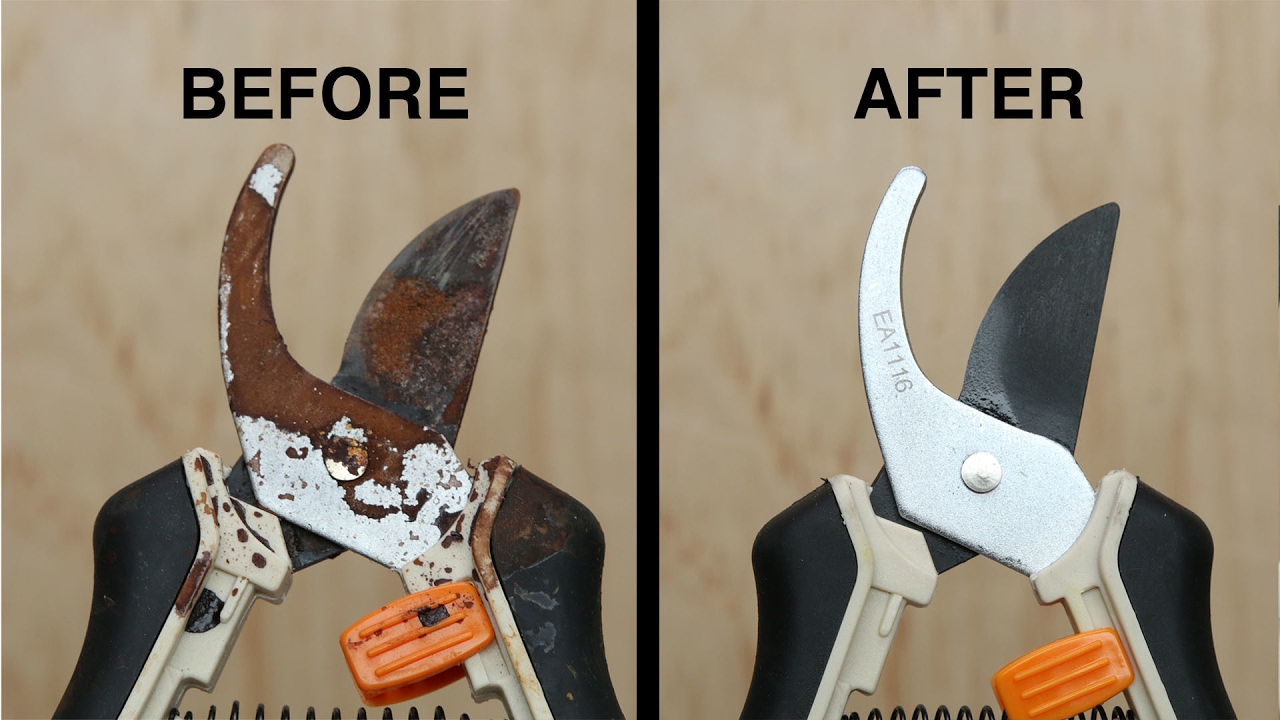
Remove rust with a simple soak, a firm scrub, then dry and oil.
If you want a clear, proven plan for how to remove rust from garden tools, you are in the right place. I have cleaned, restored, and protected hundreds of tools in home gardens and pro shops. This guide offers a safe, step-by-step method, backed by real use and expert tips, so you can bring old tools back to life fast.

Why garden tools rust and why it matters
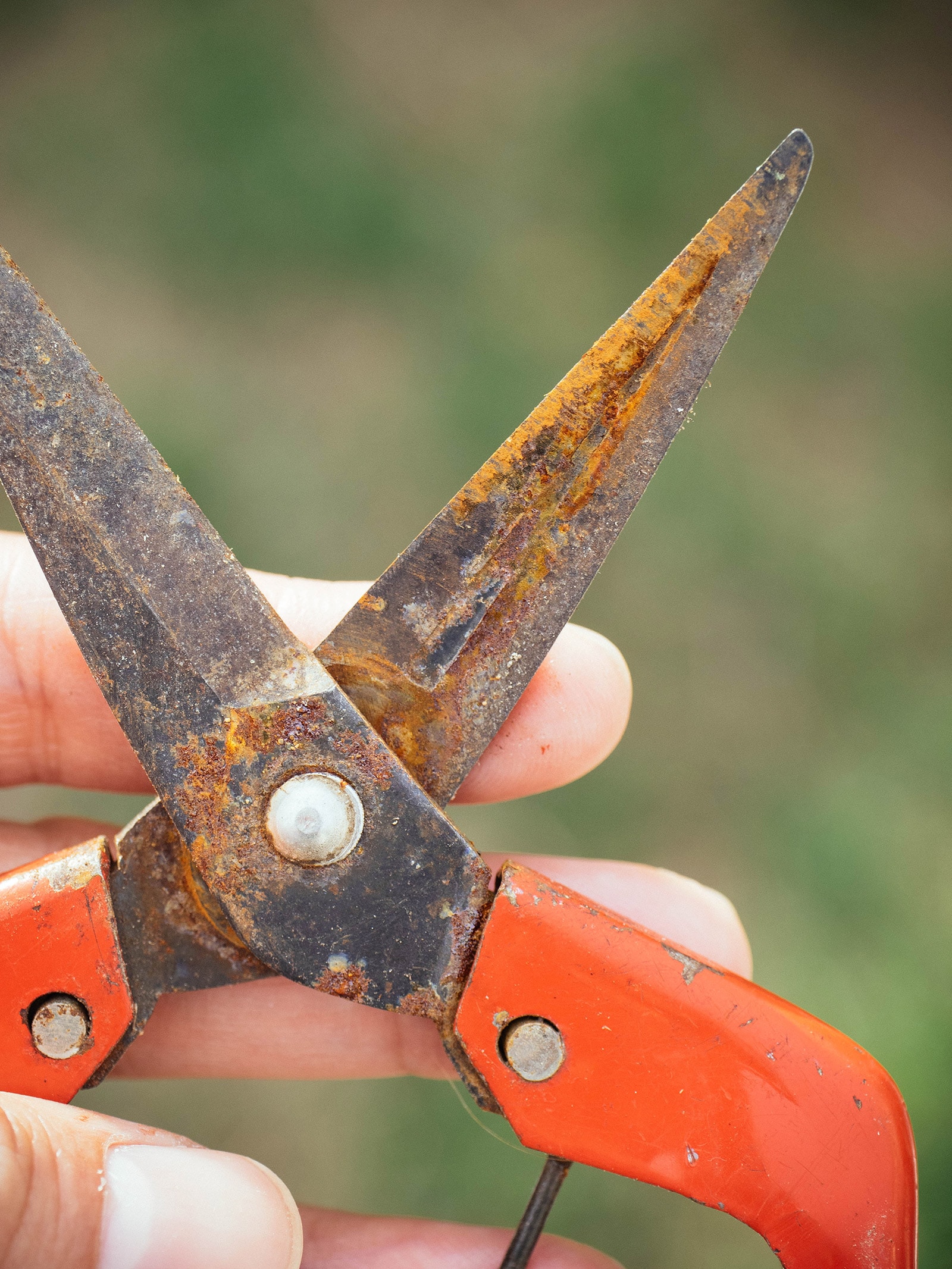
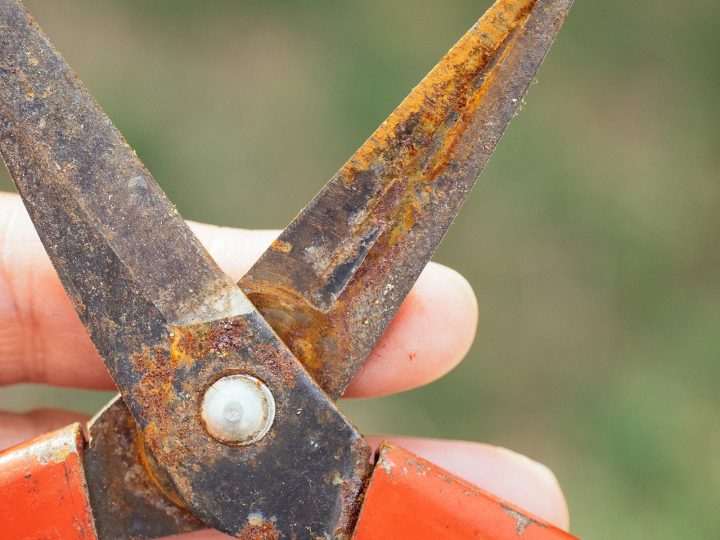
Rust forms when steel meets water and oxygen. Acidic soil, sap, and fertilizer speed it up. Humid sheds do, too.
Rust dulls blades. It binds moving parts. It weakens steel over time. Quick action keeps edges sharp and joints smooth.
If you ask how to remove rust from garden tools, it starts with simple science. Break the bond, stop the reaction, and protect the surface. The steps below do that.
Safety and setup checklist
Work smart. A tidy setup makes the job fast and safe.
Do this first:
- Wear gloves and eye protection. Rust flakes and acid can irritate skin and eyes.
- Work in fresh air. Soaks and removers can off-gas.
- Cover your bench. Use cardboard or an old towel.
- Gather supplies. Keep everything within reach.
Handy supplies:
- White vinegar or citric acid powder
- Baking soda for neutralizing acids
- Dish soap and a scrub brush
- Steel wool, a scouring pad, or 120–400 grit sandpaper
- A wire brush or a drill-mounted wire wheel
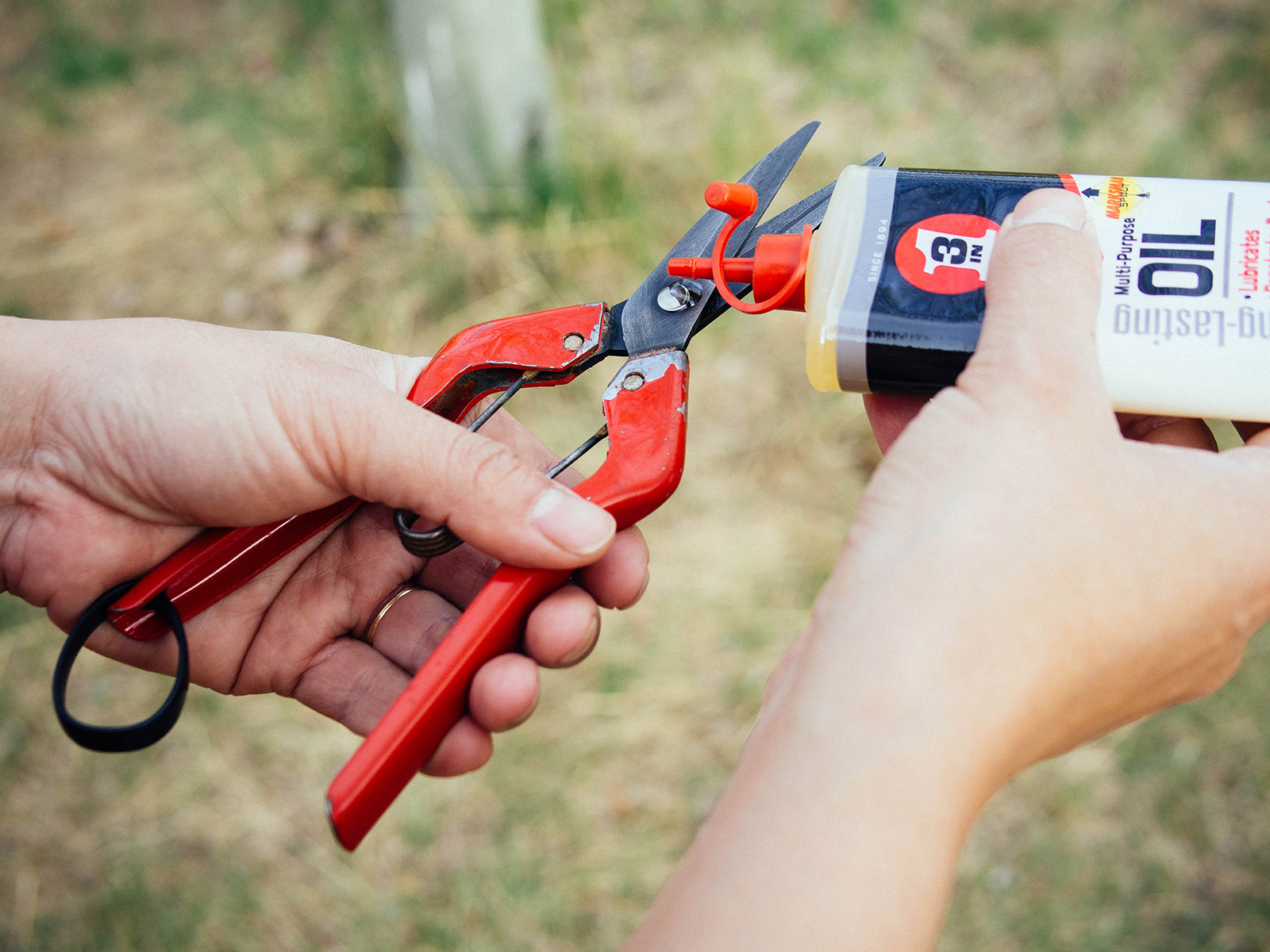
- Light oil such as camellia, mineral, or 3-in-1 oil
- Paste wax or silicone spray for extra protection

Quick method for light surface rust
Light rust looks like a thin film. It wipes off with mild abrasion.
Steps:
- Wash the tool with warm water and dish soap. Dry well.
- Apply a few drops of oil to the rusty area.
- Scrub with steel wool or a scouring pad. Work with the grain.
- Wipe clean, then add a thin coat of oil.
Tip from the shop: I keep a small pad of fine steel wool in a jar of oil. When a trowel shows a blush of rust, I give it a 30-second scrub. This habit beats big cleanups later. Many readers who ask how to remove rust from garden tools only need this quick fix.
Vinegar or citric acid soak for moderate rust
Soaks are cheap, safe, and easy. They dissolve rust and save elbow grease.
Vinegar soak:
- Fill a bucket with white vinegar. Use enough to cover the metal.
- Remove wood handles if you can. Tape off wood if not.
- Soak 2 to 12 hours. Check every hour.
- Scrub off loosened rust with a brush or pad.
- Neutralize by dipping in water with baking soda. One tablespoon per cup of water works well.
- Rinse with clean water. Dry at once. Heat with a hair dryer for a minute if needed.
- Oil the metal right away.
Citric acid soak:
- Mix warm water with citric acid powder. Start with one tablespoon per cup.
- Soak 1 to 6 hours. Check often.
- Scrub, neutralize, rinse, dry, and oil as above.
Why it works: Mild acids convert and lift iron oxide. Neutralizing stops the acid. Prompt oil blocks fresh flash rust. If you wonder how to remove rust from garden tools without harsh chemicals, this is my go-to.

Baking soda paste for targeted spots
For small spots near wood, a paste gives you control.
Steps:
- Mix baking soda with a little water to form a thick paste.
- Spread on the rust. Let sit 15 minutes.
- Scrub with a toothbrush or pad.
- Wipe, rinse, dry, and oil.
This is gentle and safe near handles. It is a good answer to how to remove rust from garden tools when you do not want to soak.
Heavy rust: electrolysis method
Electrolysis lifts rust without grinding away good steel. It is great for old spades and pruners with stuck bolts.
You need:
- Plastic tub filled with water
- Washing soda to make an alkaline bath
- A battery charger or DC power supply
- A sacrificial steel anode such as rebar
- Wires with clips
Steps:
- Mix one tablespoon washing soda per gallon of water.
- Clip the negative lead to the tool. Suspend it in the bath.
- Clip the positive lead to the sacrificial steel. Do not let parts touch.
- Turn on power. Low amps are enough.
- Let it run 2 to 8 hours. You will see bubbles.
- Turn off power. Remove the tool. Scrub off black residue.
- Rinse, dry, and oil at once.
Safety notes:
- Do not use stainless steel for the anode.
- Keep sparks away. The process can make hydrogen gas.
- Work outside or in a ventilated space.
When readers ask how to remove rust from garden tools with thick scale, this is the cleanest way. It also preserves maker marks and edges.
Chemical rust removers and when to use them
Some jobs need a fast chemical fix. Use care and follow labels.
Options:
- Phosphoric acid gel. Converts rust to black iron phosphate. Good for flat blades.
- Chelating removers. These bind iron oxide. They are low odor and gentle on base metal.
How to use:
- Brush on a thin coat or submerge the part.
- Wait as directed. Scrub if needed.
- Rinse well, dry, and oil.
Pros and cons:
- They are quick and effective.
- They cost more than vinegar.
- You must follow safety rules.
If time is short and you ask how to remove rust from garden tools before a weekend project, these can save the day.

Sharpen, adjust, and recondition
Clean steel is step one. Sharp and aligned parts make tools feel new.
Do this:
- File or stone edges. Keep the bevel angle consistent.
- For pruners, lap the flat face on fine paper to remove burrs.
- Grease pivot bolts and springs. Reassemble and test.
- Sand wood handles. Wipe with boiled linseed oil. Let it cure.
A sharp hoe or spade cuts like a dream. After you learn how to remove rust from garden tools, this extra step gives you the full payoff.
Protect your tools so rust does not return
Prevention is easy and cheap. Make it a habit.
Daily habits:
- Knock off soil. Wipe dry before storage.
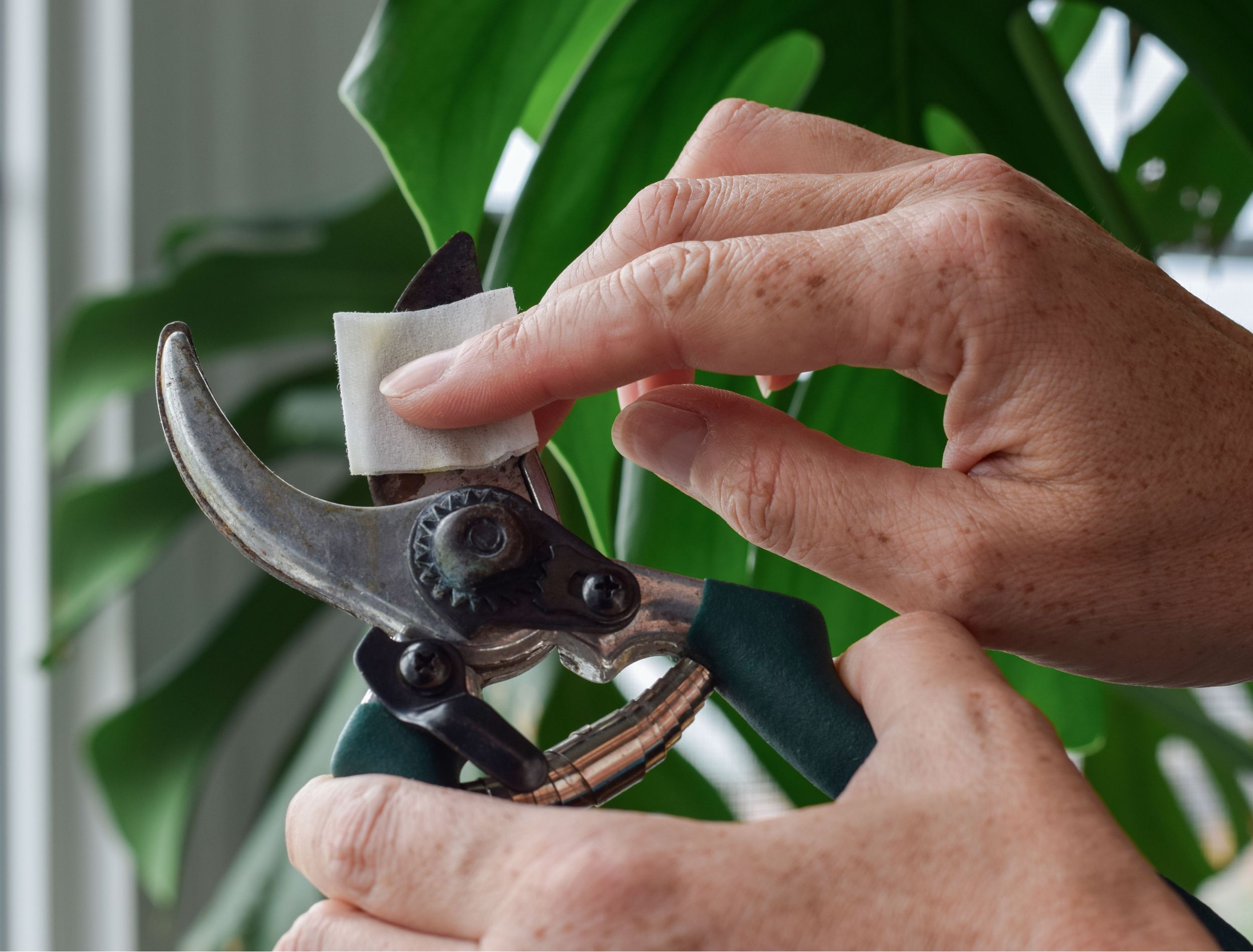
- Spray a light coat of oil. A rag in an oil can makes this simple.
Storage:
- Hang tools. Avoid concrete floors that trap moisture.
- Add airflow. Use a small fan or vent.
- Use silica gel packs in drawers.
Extra protection:
- Paste wax on blades. Buff to a thin film.
- Rust inhibitor spray on high-risk parts.
Make a plan. If you ask how to remove rust from garden tools, also plan how to prevent it. A two-minute wipe saves hours later.
Common mistakes to avoid
Learn from my early missteps.
Avoid these:
- Leaving tools to air-dry after a soak. Flash rust can form in minutes.
- Over-grinding. You can thin a blade and weaken it.
- Soaking wood handles in acid. It dries and cracks the wood.
- Using stainless steel as an anode in electrolysis. It can form toxic byproducts.
- Skipping neutralization after acid. Residue can keep eating metal.
Follow the steps above, and you will not ask how to remove rust from garden tools twice for the same tool.
Eco-friendly cleanup and disposal
Clean the right way and keep your garden safe.
Tips:
- Neutralize used vinegar with baking soda. It will fizz. When done, pour down a sink with lots of water if local rules allow.
- Let rust sludge dry. Bag it and put it in the trash if permitted in your area.
- Store oils and chemicals out of sun and heat.
Doing this keeps your soil and drains clean. It also saves money and time.
Time and cost: what to expect
Plan your work and pick the right method.
Typical ranges:
- Light rust: 10 to 20 minutes per tool. Cost is near zero.
- Vinegar soak: A few hours total. Vinegar costs a few dollars.
- Electrolysis: Setup once, then reuse. Low ongoing cost.
- Chemical removers: Fast. More cost per tool.
This helps you decide how to remove rust from garden tools for your budget and schedule.
Maintenance routine you can stick to
Make rust prevention a habit.
Weekly:
- Wipe blades with an oily rag.
- Check pivots. Add a drop of oil if needed.
Monthly:
- Light sharpen on your most used tools.
Seasonally:
- Deep clean and wax.
- Sand and oil wood handles.
Use a checklist on your shed wall. You will spend less time asking how to remove rust from garden tools and more time enjoying the garden.
Frequently Asked Questions of how to remove rust from garden tools
What is the fastest way to remove light rust?
Use oil and fine steel wool. Scrub, wipe, and add a fresh coat of oil to finish.
Can I use vinegar on all metal parts?
Yes, on bare steel. Avoid long soaks on plated or painted parts, and keep vinegar off wood.
How do I stop flash rust after cleaning?
Dry the tool with heat or a towel at once. Then coat the metal with light oil or paste wax.
Is electrolysis safe for beginners?
Yes, if you follow safety steps. Use a plastic tub, washing soda, low amps, and never use stainless anodes.
Which oil is best after rust removal?
Use light mineral, camellia, or 3-in-1 oil. Apply a thin coat and wipe off excess to avoid sticky dust.
Do commercial rust removers harm the base metal?
Most chelators are gentle on steel. Phosphoric acid is also safe when used as directed and rinsed well.
How often should I clean my tools to prevent rust?
Wipe after each use and oil weekly in humid months. Do a seasonal deep clean for best results.
Conclusion
Rust happens, but it does not need to win. Pick a method that fits the job, act fast, and protect the surface. You now know how to remove rust from garden tools with simple steps that work.
Set up a small cleaning kit, and restore one tool today. Share your results, ask a question, or subscribe for more hands-on guides for a better, easier garden.