

Test, amend, and loosen soil, add compost, balance pH, and mulch well.
Getting soil right is the fastest way to get more and better vegetables. In this guide, I show how to prepare soil for planting vegetables with clear steps, real numbers, and proven methods. I have built beds in heavy clay, pure sand, and compacted urban lots. You will learn what matters, what to skip, and how to prepare soil for planting vegetables in any yard.

Soil basics for strong vegetable growth
Healthy soil is a living system. It holds air, water, and food for roots. It also hosts microbes that help plants eat and fight stress.
Focus on four parts:
- Texture: sand drains fast, clay holds water, silt is in between.
- Structure: small crumbs let roots and water move with ease.
- pH: most vegetables like 6.0 to 7.0.
- Organic matter: boosts life, holds water, and stores nutrients.
If you want to master how to prepare soil for planting vegetables, learn to read soil by touch and look. Grab a handful. If it forms a slick ribbon, it is clay heavy. If it falls through your fingers, it is sandy. Aim for loose crumbs that hold shape but break with a light pinch.
My early beds were tight and crusted. Water ran off. After I added two inches of compost and stopped deep tilling, worms and roots did the work. Yields jumped within one season.

Tools and supplies you will need
A few simple tools make work faster and safer.
- Garden fork or broadfork: to loosen without grinding soil.
- Rake: to level the bed and make a fine surface.
- Soil test kit or lab test: to know pH and nutrients.
- Compost: well aged and clean, the core amendment.
- Aged manure or worm castings: for extra nitrogen and biology.
- Mulch: straw, leaves, or wood chips for paths and cover.
- Elemental sulfur or lime: to adjust pH based on a test.
- Organic fertilizer: balanced NPK to match your crop plan.
- Wheelbarrow, buckets, and tarp: for mixing and moving.
These items cover almost all cases in how to prepare soil for planting vegetables.

Step-by-step: how to prepare soil for planting vegetables
These steps work for new beds or refresh old ones. You can scale them to any space.
-
Check sun, slope, and drainage
Pick a spot with 6 to 8 hours of sun. Avoid low spots that stay wet. After rain, water should drain within a day. If not, use raised beds. -
Clear weeds and debris
Pull or slice weeds at the base. Shake soil from roots back into the bed. Remove rocks and trash. If you face tough perennials, solarize in warm months with clear plastic for 4 to 6 weeks. -
Test soil for pH and nutrients
Use a home kit as a quick check or send a sample to a lab. Most vegetables like pH 6.0 to 7.0. A test removes guesswork and guides how to prepare soil for planting vegetables with the right inputs. -
Add organic matter
Spread 1 to 2 inches of compost over the bed. For poor soil, go up to 3 inches the first year. On 100 square feet, that is about 6 to 18 cubic feet of compost. -
Adjust pH based on the test
If pH is low, a lab will give a lime rate. If pH is high, use elemental sulfur in small, split doses. Do not add lime or sulfur without a test. I once over-limed a bed, and tomatoes stalled for a whole season. -
Add fertilizers with care
If a test shows low nitrogen, add a slow, plant-based fertilizer. If phosphorus is low, use bone meal or rock phosphate. For potassium, use sulfate of potash or greensand. Blend rates per the label and your soil test. -
Loosen, do not pulverize
Use a fork to loosen 6 to 10 inches deep. Lift and crack the soil, but do not flip layers. Over-tilling can kill structure and life. Your goal is open pores, not dust. -
Mix and level
Rake to blend compost and nutrients into the top 4 to 6 inches. Make a flat or slightly raised bed. Keep paths clear and mulched. -
Water to settle
Soak the bed. This wakes microbes and settles air pockets. If the surface crusts as it dries, add a thin compost or leaf mold dusting. -
Rest, then plant
If you used strong amendments, wait one week. For mild compost-only prep, you can plant at once. I like to give beds two to seven days. It keeps salt burn and shock low.
This sequence is the core of how to prepare soil for planting vegetables. Repeat light compost and mulch each season, and the soil will get better each year.
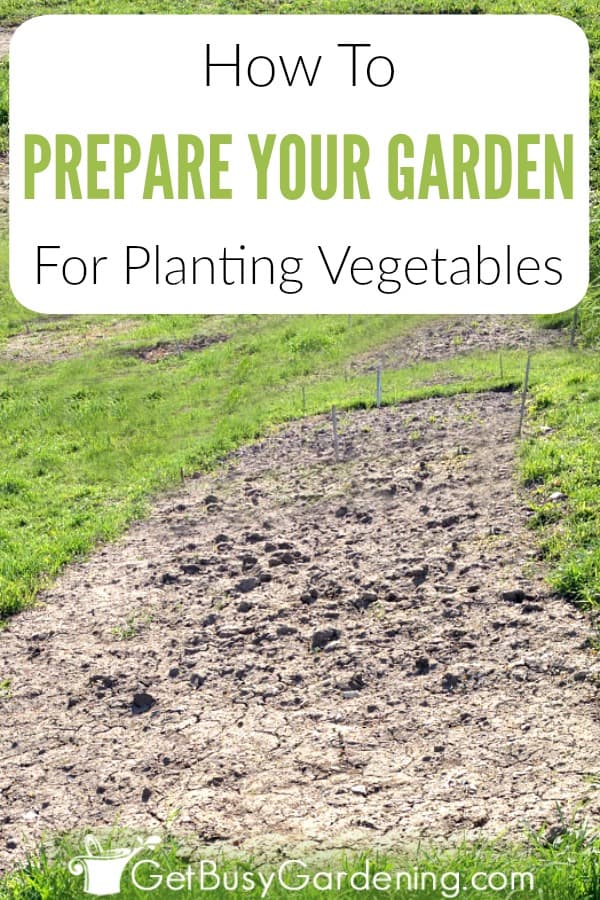
Tailor soil prep to your soil type
Not all soils need the same plan. Here is how to prepare soil for planting vegetables in common soil types.
Clay soils
- Add 2 to 3 inches of compost each season.
- Avoid working clay when wet. It smears and sets like brick.
- Use a fork, not a rototiller. You want cracks, not glue.
- Consider raised beds to improve drainage fast.
Sandy soils
- Add 2 to 3 inches of compost to hold water and nutrients.
- Mulch well to reduce heat and water loss.
- Use slow-release organics. They leach less in sand.
Silt or loam
- You are close to ideal. Add 1 to 2 inches of compost.
- Keep beds covered with mulch or cover crops.
Containers and raised beds
- Use a mix by volume: 40% compost, 40% quality topsoil, 20% coarse material like pine bark or perlite.
- Feed with a gentle, complete fertilizer. Water more often.
In each case, how to prepare soil for planting vegetables comes back to organic matter, gentle loosening, and right pH.

A simple seasonal plan
Soil work is easier when spread through the year. This plan saves time and boosts results.
-
Fall
Clear crops. Add 1 to 2 inches of compost. Sow a cover crop like winter rye or crimson clover. Or sheet mulch with leaves and cardboard to suppress weeds. -
Winter
Let freeze and thaw help break clods. Keep beds covered. Avoid walking on wet soil. -
Early spring
Chop and drop cover crops before seed set. Fork to loosen, then rake. Test soil if it has been two or more years. Finish prep two weeks before planting cool crops. -
Late spring to summer
Top-dress with compost around heavy feeders. Mulch to hold water and cool soil. If beds tire midseason, add a light side-dress fertilizer and water in.
This cycle is a smart way for how to prepare soil for planting vegetables without last-minute rush.
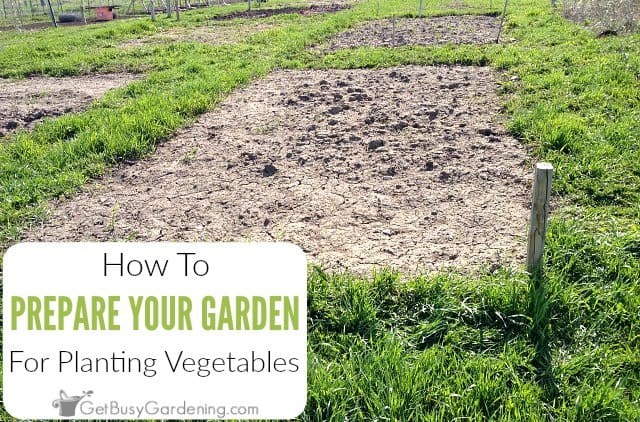
Organic matter and compost: what, how much, and what to avoid
Great compost is the heart of the bed. It feeds microbes, improves structure, and evens out moisture.
Use these inputs with confidence:
- Finished plant-based compost: dark, crumbly, earthy smell.
- Leaf mold: slow to make, superb for structure and water.
- Aged manure: only if well aged and weed-free. Use modest rates.
- Worm castings: potent in small doses, great for seedlings.
- Biochar: add 5 to 10% by volume, charged with compost tea or urine first.
How much to add:
- New beds: 2 to 3 inches across the top.
- Established beds: 1 inch per season is enough in most cases.
What to avoid:
- Fresh manure right before planting. It can burn and add pathogens.
- Salty composts from some food wastes. If plants tip burn, cut rate and water well.
- Wood chips in the root zone. Keep them on paths or as surface mulch only.
These rules will carry you far in how to prepare soil for planting vegetables with fewer problems.

Fertility and pH made simple
Plants need nitrogen, phosphorus, potassium, and trace minerals. Balance matters more than brute force.
-
Nitrogen
Use feather meal, alfalfa meal, or a balanced organic mix. Add small, steady doses. Too much gives lush leaves but weak roots and low flavor. -
Phosphorus
If tests show low P, add bone meal or rock phosphate. Do not add by habit. Excess P can lock up other nutrients. -
Potassium
Use sulfate of potash, kelp meal, or greensand if low. Potassium helps fruit set and disease tolerance. -
Micronutrients
Compost and kelp supply many. If a test flags a gap, fix with a targeted product. -
pH tweaks
Use calcitic lime to raise pH and add calcium. Dolomitic lime adds magnesium too. Use elemental sulfur to lower pH. Change pH in small steps, guided by a test.
Clear testing and careful doses are the core of how to prepare soil for planting vegetables with confidence.
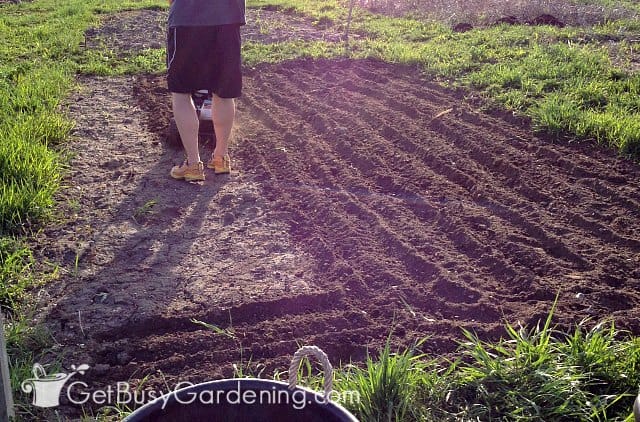
Soil life: microbes, fungi, and worms
Soil life is your best helper. Feed it and it will feed your plants.
- Keep soil covered with mulch or living roots.
- Limit tillage. Disturb only as deep as needed.
- Avoid harsh salts and overuse of fast synthetic fertilizers.
- Add diverse organic inputs to build a broad microbe team.
- Water deeply but less often to pull air into the soil between cycles.
I saw worm counts triple in one year after I stopped rototilling and added leaf mold. That change alone made my beds easier to work and far more forgiving. This is a quiet key in how to prepare soil for planting vegetables that thrive.
Water and mulch after planting
Good soil prep sets the stage. Water and mulch keep the play going.
- Water slowly to reach 6 to 8 inches deep. Shallow sips make shallow roots.
- Mulch with straw, shredded leaves, or fine wood chips on the surface.
- Keep a 2-inch gap around stems to avoid rot.
- In hot spells, add more mulch and water in the morning.
A steady water and mulch plan locks in gains from how to prepare soil for planting vegetables.
Troubleshooting and quick fixes
If things go wrong, do not panic. Small tweaks can save the season.
-
Soil crusts after rain
Dust the surface with fine compost. Add mulch. Water with a soft rose head. -
Standing water
Fork channels for drainage. Add compost. Move plants to a raised row. -
Yellow leaves and slow growth
Likely low nitrogen or cold soil. Side-dress with a gentle N source. Add a thin compost layer. -
Blossom end rot on tomatoes
This often ties to uneven water and calcium. Keep soil moist. Do not overdo nitrogen. Check pH is near 6.5. -
Poor seed germination
Soil may be too cold or too wet. Wait for better temps. Make a fine, moist seed bed. Press seeds in for firm contact.
These fixes fit within how to prepare soil for planting vegetables without starting over.
Frequently Asked Questions of how to prepare soil for planting vegetables
How far in advance should I prepare the soil?
Two to four weeks is ideal for most beds. This gives time for biology to settle and for pH or fertilizer changes to take effect.
Can I prepare soil in the rain or when it is wet?
Avoid it. Working wet soil causes compaction and smeared layers that harm roots.
Do I need to till every season?
No. A light fork to loosen and a fresh layer of compost is enough. Save deep tilling for new, compacted beds only.
What pH is best for vegetables?
Most crops like 6.0 to 7.0. Blueberries and some herbs prefer more acidic soil, while brassicas tolerate slightly higher pH.
Is fresh manure safe to use?
Not right before planting. Use only well-aged manure and apply months before harvest, especially for root and leafy crops.
How much compost is too much?
More is not always better. For established beds, 1 inch per season is plenty; too much can raise salts and nutrients to excess.
Should I add sand to clay soil?
No. Sand and clay can make hardpan like concrete. Use compost and gentle loosening instead.
Conclusion
Soil is the root of every great harvest. Test, add compost, set pH, and loosen with care. Keep soil covered and fed, and it will reward you for years.
Start small this week. Pick one bed and follow the steps here on how to prepare soil for planting vegetables. Track what you add and how plants respond. You will learn fast and improve each season.
Ready to dig in? Put this plan to work, then share your wins and questions. Subscribe for more practical guides and tools you can use right away.

