

Disconnect, raise one end, walk the hose, coil loosely, and store indoors.
If you want a hose that lasts for years, learn how to drain a garden hose for winter the right way. I have winterized hundreds of hoses for clients and my own yard. In this guide, I share clear steps, pro tips, and simple tools so you can do it fast and do it well.
Why draining your hose before freezing weather matters
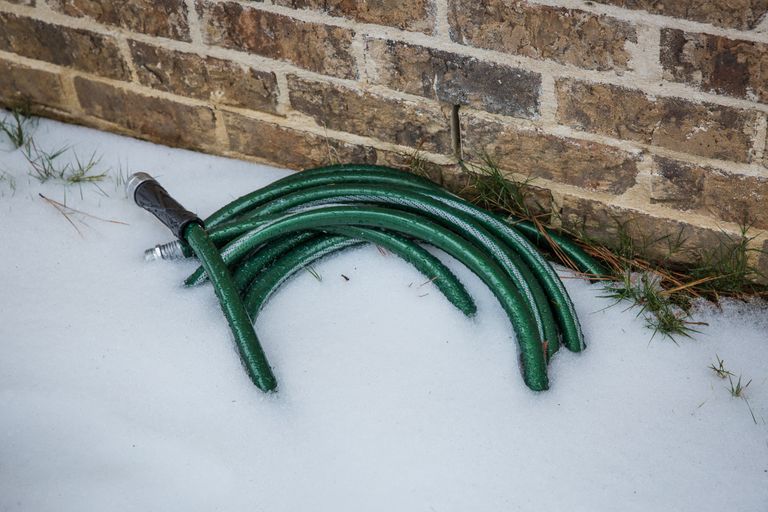
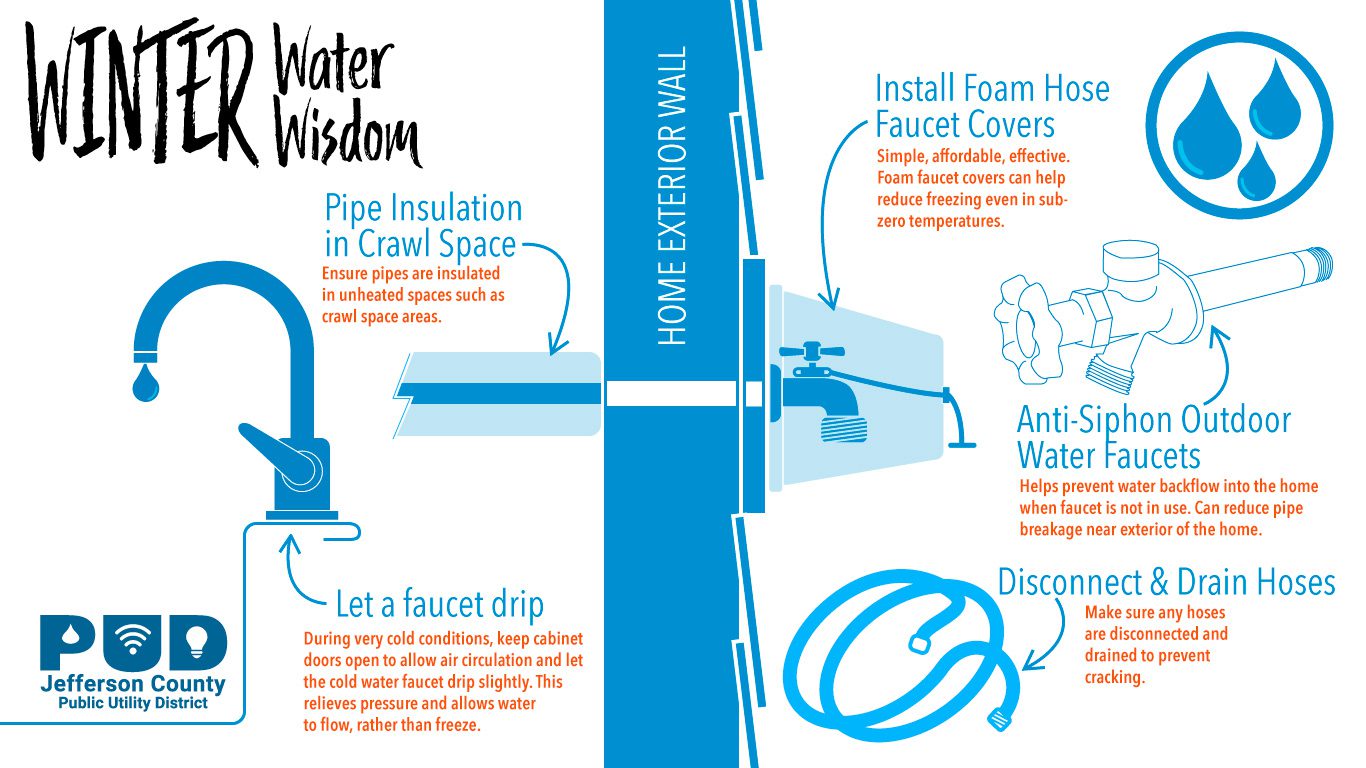
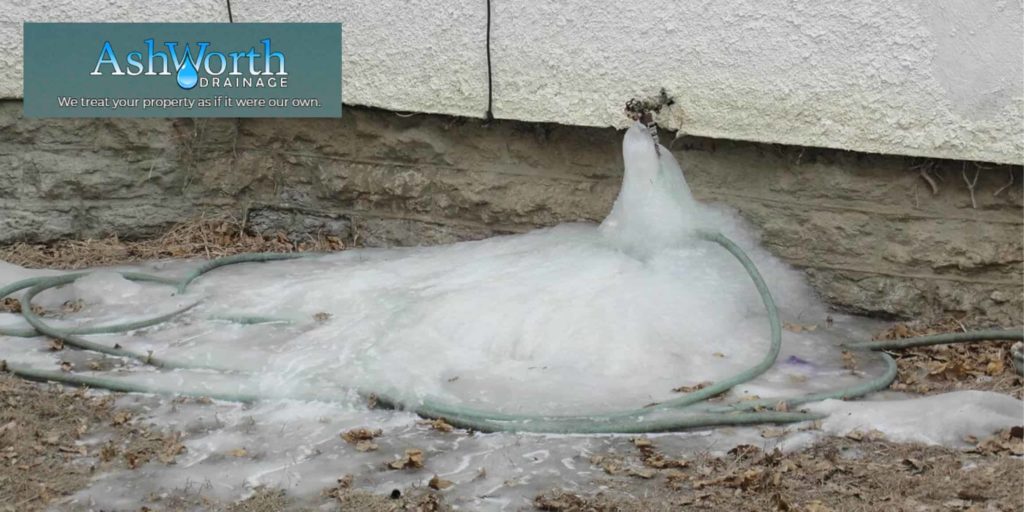
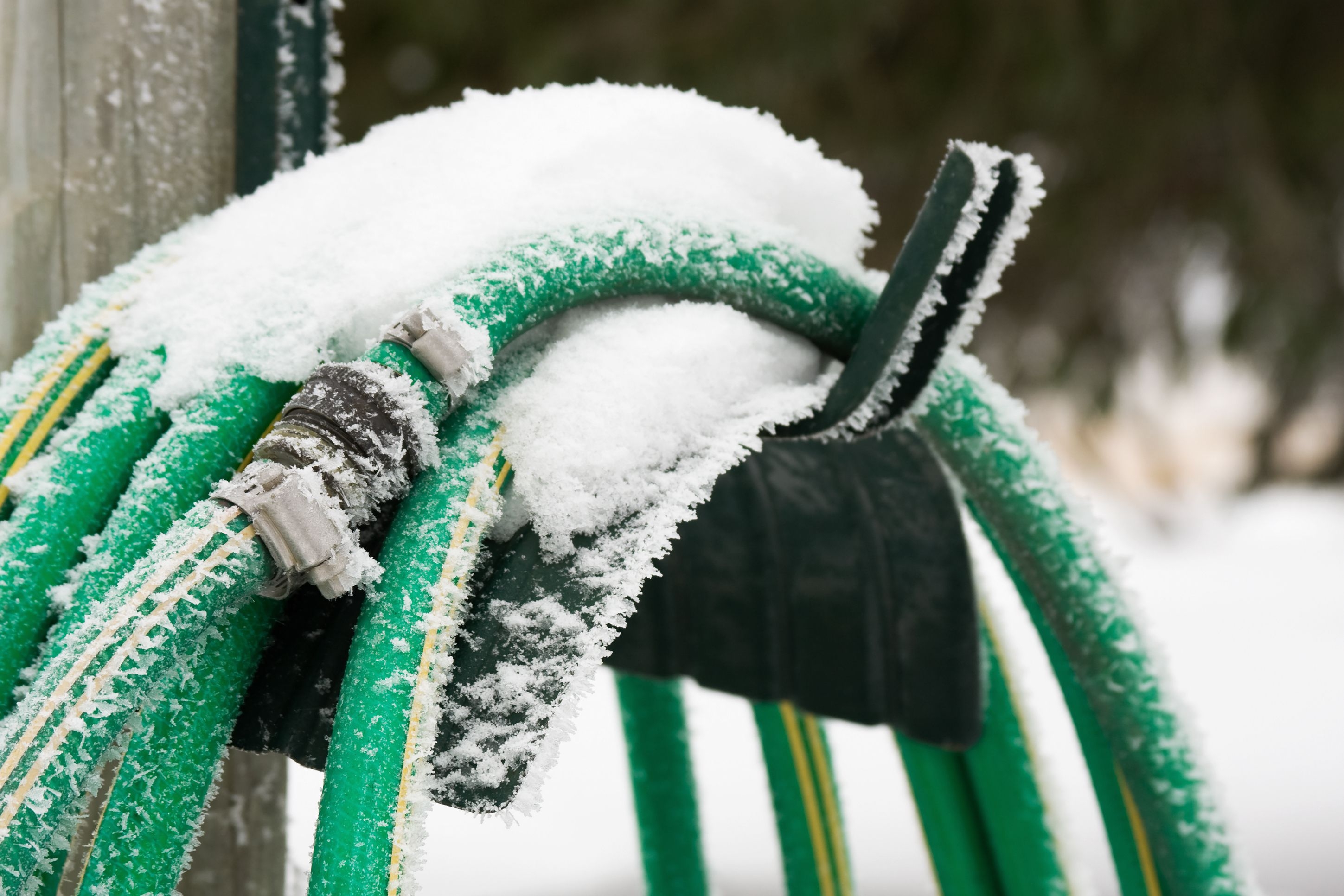
Water expands when it freezes. A hose full of water can split, and the fittings can crack. Ice can also damage the faucet, backflow preventer, or hose reel. That small mistake can lead to leaks and costly repairs in spring.
Draining also stops mold and slime from growing inside. A dry hose is lighter and easier to store. If you came here to learn how to drain a garden hose for winter, you are already saving time and money.
Tools and supplies you’ll need
You do not need much to do this right. Gather these items before you start.
- Work gloves. Protect your hands from cold and grime.
- Bucket or towel. Catch drips at the spigot.
- Adjustable wrench. Remove stuck fittings or vacuum breakers if needed.
- Hose repair kit. Replace cracked couplings or washers.
- Air source (optional). A small compressor, shop vac on blow, or leaf blower helps clear stubborn water.
- Hose hanger or reel. For neat storage off the floor.
- Marker and tape. Label hose length or location for fast spring setup.
These basics make how to drain a garden hose for winter simple and repeatable.
Step-by-step: How to drain a garden hose for winter
Use this simple, repeatable system. It works for standard, rubber, and heavy-duty hoses. I use the same steps on client jobs.
- Turn off the water at the spigot. Open any spray nozzle to release pressure.
- Disconnect the hose from the faucet. Place a bucket below to catch any water.
- Remove attachments. Take off nozzles, sprinklers, and wands so air can move.
- Straighten the hose on a slight slope. A driveway or yard slope works well.
- Lift one end shoulder-high. Walk the hose from the high end toward the low end. This forces water out by gravity.
- Repeat in sections. If the hose is long, walk it twice. Flip it once and walk again to clear low spots.
- Use air if water lingers. A gentle burst from a compressor or blower helps. Keep pressure low (under 50 psi) to protect fittings.
- Check couplings and washers. Replace worn parts now. It is easier before storage.
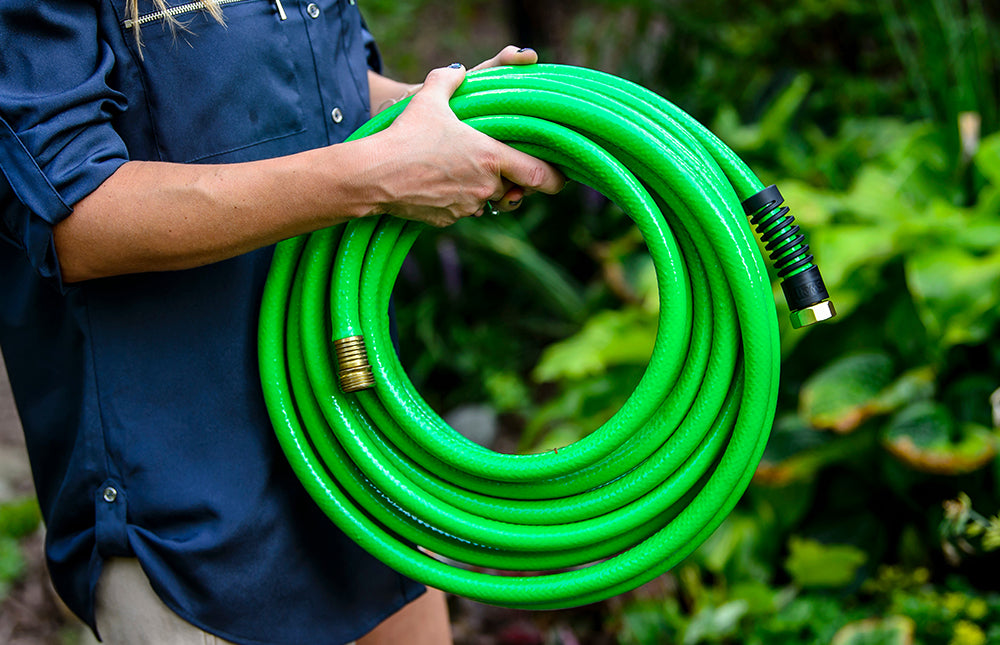
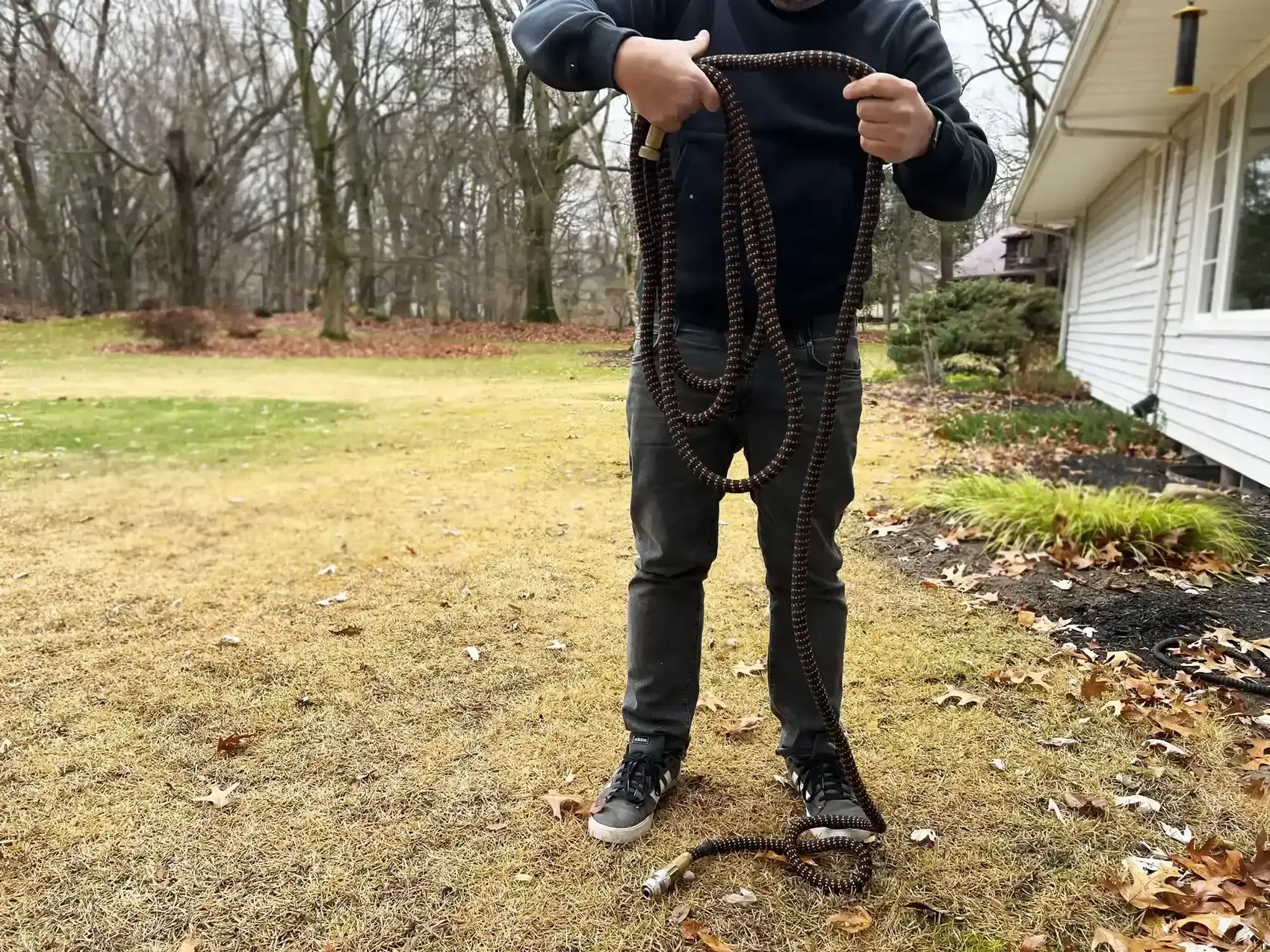
- Coil loosely in wide loops. Aim for 14 to 24 inch loops. Tight coils form kinks and cracks.
- Connect the ends together. This keeps dust and critters out.
- Store indoors above freezing. A basement, heated garage, or shed is best.
This is how to drain a garden hose for winter with no fuss. If you follow these steps, you will not fight kinks, bursts, or spring leaks. Teach your family how to drain a garden hose for winter so anyone can put it away fast. I remind clients before the first hard freeze, because how to drain a garden hose for winter is most effective before nights drop below 32°F.
Using air to clear stubborn water (optional)
Sometimes gravity is not enough. Cold rubber can sag and trap water. Air helps push out the last drops.
- Use a small air compressor with a regulator. Keep it under 50 psi to protect the hose.
- Or use a shop vac on blow mode. A leaf blower also works in a pinch.
- Blow from the spigot end toward the open end. Work in short bursts. Watch for water to spray out, then stop.
- Do not seal the hose tight to the nozzle. A light seal is safer and still works.
If you want the fastest method for how to drain a garden hose for winter, air assist is the pro move.

Special cases and add-ons
Different hose types and fittings need small tweaks. Here is what to do.
Nozzles, sprinklers, and wands
- Always remove them first. They trap water.
- Click them a few times to clear hidden pockets.
- Store them dry in a bin so parts do not rust.
Soaker and drip hoses
- These hold water in many small channels.
- Drain by gravity on a gentle slope.
- Use air only on the lowest setting. High pressure can split porous walls.
Y-splitters and vacuum breakers
- Remove and drain each piece.
- Many vacuum breakers have a drain button. Press it to release water.
- If it stays wet and freezes, it can crack and leak in spring.
Expandable hoses
- Open the end and let it contract fully.
- Never use high-pressure air. It can pop the inner tube.
- Coil loosely to prevent creases.
Heated or RV/drinking water hoses
- Follow the maker’s instructions. Unplug heaters first.
- Drain fully. Do not leave powered hoses outside in hard freezes.
Hoses on reels
- Unwind completely. Drain before you reel it back in.
- Reels hide water in loops. Walk the hose, then reel it up gently.
These tips make how to drain a garden hose for winter work for any setup.
Smart storage to prevent kinks and cracks
Storage matters as much as draining. Cold and sun age hoses fast.
- Keep hoses indoors above freezing. Garages that freeze are risky. Basements or heated sheds are best.
- Use wide loops. Large loops protect the hose lining.
- Hang on a smooth, wide hook or wall hanger. Sharp edges cut into the hose.
- Keep out of sun and off concrete. UV and rough floors cause wear.
- Label each hose by length and area. Setup is faster in spring.
Good storage is the second half of how to drain a garden hose for winter. Do both, and your hose can last twice as long.

Common mistakes to avoid
Avoid these pitfalls. I learned some the hard way on a zero-degree morning.
- Leaving a nozzle on the end. It traps water and causes bursts.
- Coiling with water inside. Loops hold ice and split the inner tube.
- Tight coils on small hooks. This makes kinks that never go away.
- Storing outside on the ground. Sun, ice, and mice will get it.
- Ignoring cracked washers. A 50 cent part can save gallons of water and mold.
- Forgetting to drain the spigot and backflow device. These parts can also freeze.
Learning how to drain a garden hose for winter is simple, but skipping one step can undo the work.
Troubleshooting: If the hose is already frozen
Do not bend a frozen hose. The inner tube can shatter like glass.
- Bring it indoors to warm up slowly. A bathtub or warm garage works.
- Lay it out straight as it thaws. Open both ends.
- Do not use open flames or very hot water. Slow thawing protects the lining.
- After thawing, follow the steps on how to drain a garden hose for winter and inspect fittings.
If the spigot or vacuum breaker leaks after thaw, replace it before spring use.

Maintenance checklist for spring reuse
A few quick checks can prevent mid-season failures.
- Look for bulges, flat spots, or cracks. Replace if you see damage.
- Swap old washers. Leaks at the faucet are often just bad washers.
- Flush for a minute. Clear dust and any residue.
- Sanitize for potable use. Use a mild bleach solution, then rinse well.
- Reinstall backflow preventers and nozzles. Test under pressure for leaks.
A clean, tested hose proves you did how to drain a garden hose for winter the right way.
Frequently Asked Questions of how to drain a garden hose for winter
When should I drain my garden hose?
Do it before the first hard freeze, when nights dip below 32°F. If in doubt, drain early and store indoors.
Can I leave my hose on the reel during winter?
Yes, but drain it first, then reel it back with wide loops. Store the reel indoors if possible to avoid freeze and UV damage.
Is using an air compressor safe for hoses?
Yes, if you keep pressure low, under 50 psi. Use short bursts and avoid sealing the tip too tight.
What if I cannot bring the hose indoors?
At least drain it fully and hang it under cover out of wind and sun. It may still age faster than if stored indoors.
Do I need to remove the vacuum breaker from the spigot?
It helps to drain and protect it from freezing. Many have a drain button; press it and store it inside if you can.
How do I drain an expandable hose for winter?
Open the end, let it contract, and drain by gravity. Do not use high-pressure air, which can damage the inner tube.
Conclusion
A few simple steps now can save your hose, your fittings, and your budget later. You learned how to drain a garden hose for winter with a fast, proven method. Drain by gravity, clear with gentle air if needed, coil wide, and store warm and dry.
Set a reminder for the first freeze, and make this part of your fall routine. Ready to take the next step? Bookmark this guide, share it with a neighbor, and subscribe for more smart home and yard tips.


