Hand Weeding Tools For Small Gardens: Top Picks 2026
Small gardens reward precision over power. A full-size hoe or a gas-powered tiller is overkill for a 4×8 raised bed, a row of containers, or a narrow border along a path. Hand weeding tools are built for exactly that scale: they remove the weed, roots included, without churning up the soil or damaging the plants you actually want to keep.
In practice, the right tool makes weeding feel almost effortless. The wrong one leaves you with snapped stems, sore wrists, and weeds that regrow within a week. This guide covers the top hand weeding tools for small gardens in 2026, how to match a tool to your soil and weed types, and the techniques that cut your total weeding time down to a few focused minutes per bed. You can also read our guide on types of weeding tools for home gardens.
Why Hand Weeding Tools Work So Well in Small Gardens
Hand weeding tools are compact, manually operated implements designed to remove weeds at or below the root line. Unlike full-size hoes or cultivators, they are sized for precision work in tight spaces: raised beds, containers, narrow rows, and the edges of paths and borders.
These tools fall into four functional categories:
- Pry-type tools that lift deep taproots like dandelions, dock, and plantain.
- Slice-type tools that sever weeds just below the soil surface.
- Loosening tools that break up soil around fibrous root clumps.
- Multi-purpose blades that can cut, pry, and dig in one pass.
The shared goal is clean removal with minimal soil disturbance. That matters more than it sounds. Every time you dig deeply, you can bring buried weed seeds to the surface where they germinate. A precision weeder that removes the root without flipping soil actually reduces future weed pressure. You can also read our guide on cape cod weeder tool.
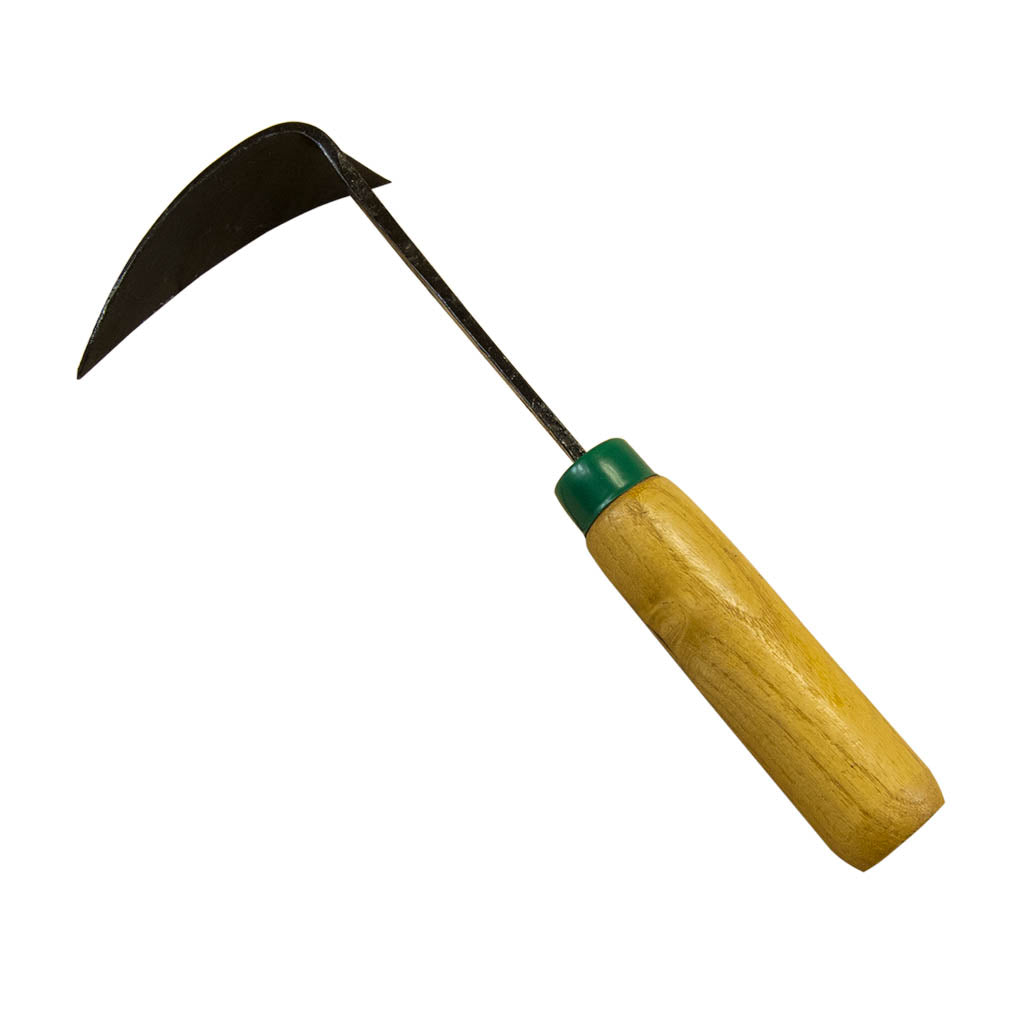 The classic Korean weeder: a narrow, angled blade that slices just beneath the soil surface.
Image source: gardentoolcompany.com
The classic Korean weeder: a narrow, angled blade that slices just beneath the soil surface.
Image source: gardentoolcompany.com
How To Choose The Right Tool For Your Soil And Weeds
No single weeder suits every garden. Before you buy anything, take a close look at your soil, your weed types, and the way you actually bend and kneel. The best tool for your neighbor may be the wrong tool for your clay-heavy beds.
Match The Tool To Your Soil Type
- Sandy or loamy soil: Blades slide through easily. A wider cutting edge, like a loop hoe or Cape Cod weeder, works efficiently without getting stuck.
- Clay soil: Narrow, pointed blades with sturdy construction are essential. A hori-hori knife or a dandelion weeder with a thick shaft can penetrate compacted ground without bending.
- Mulched beds: Look for tools with a shallow cutting angle that can skim just beneath the mulch layer. A Cape Cod weeder is the classic choice here because it disturbs the mulch above.
- Rocky soil: Avoid delicate, thin blades that can snap on buried stone. Choose a forged, heavy-duty tool even if it costs a little more.
If your garden sits on dense, hard ground, the blade quality matters more than the brand. Forged steel with a full tang will handle the abuse; stamped blades will not. You can also read our guide on how to improve garden soil naturally.
Match The Tool To Your Weed Types
- Deep taproots like dandelion, thistle, and dock need a long, narrow blade with a notch or fork to grip the root. One clean lever motion lifts the whole root.
- Shallow-rooted annuals like chickweed, purslane, and crabgrass are fastest to remove with a slicing motion at the soil line. A loop hoe or Cape Cod weeder handles them in seconds.
- Fibrous clumps such as grass runners and small perennials respond best to a hand fork or cultivator that loosens the crown and lets you tease out the entire clump.
- Weeds in cracks and crevices between pavers, along bed frames, or beside paths need a thin hooked blade that reaches where nothing else fits.
Consider Your Body And Workspace
If you work in raised beds, a mid-length handle of 12–15 inches lets you weed without bending your back past a comfortable angle. For raised bed layouts, that extra reach makes a big difference. In low beds or containers, a shorter handle gives better control.
Soft-grip handles reduce hand strain during longer sessions. That small detail matters when you are weeding weekly in peak season. Also think about kneeling: a foam pad or a padded kneeler changes the experience more than almost any tool upgrade. You can also read our guide on best sharpener for garden tools.
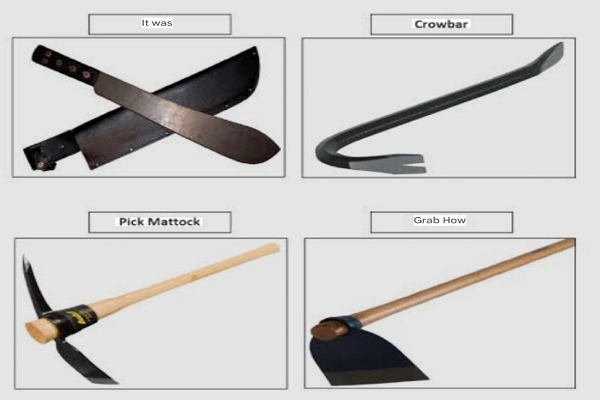
 Different blade shapes: narrow tools for clay, wider blades for loose soil.
Image source: amazon.com
Different blade shapes: narrow tools for clay, wider blades for loose soil.
Image source: amazon.com
Top Hand Weeding Tools For Small Gardens And When To Use Them
The picks below are tool types, not brand endorsements. In 2026, the best tool is still the one that fits your hand, suits your soil, and handles the weeds you actually have. Build your kit around these categories, and you will not need a shed full of gadgets.
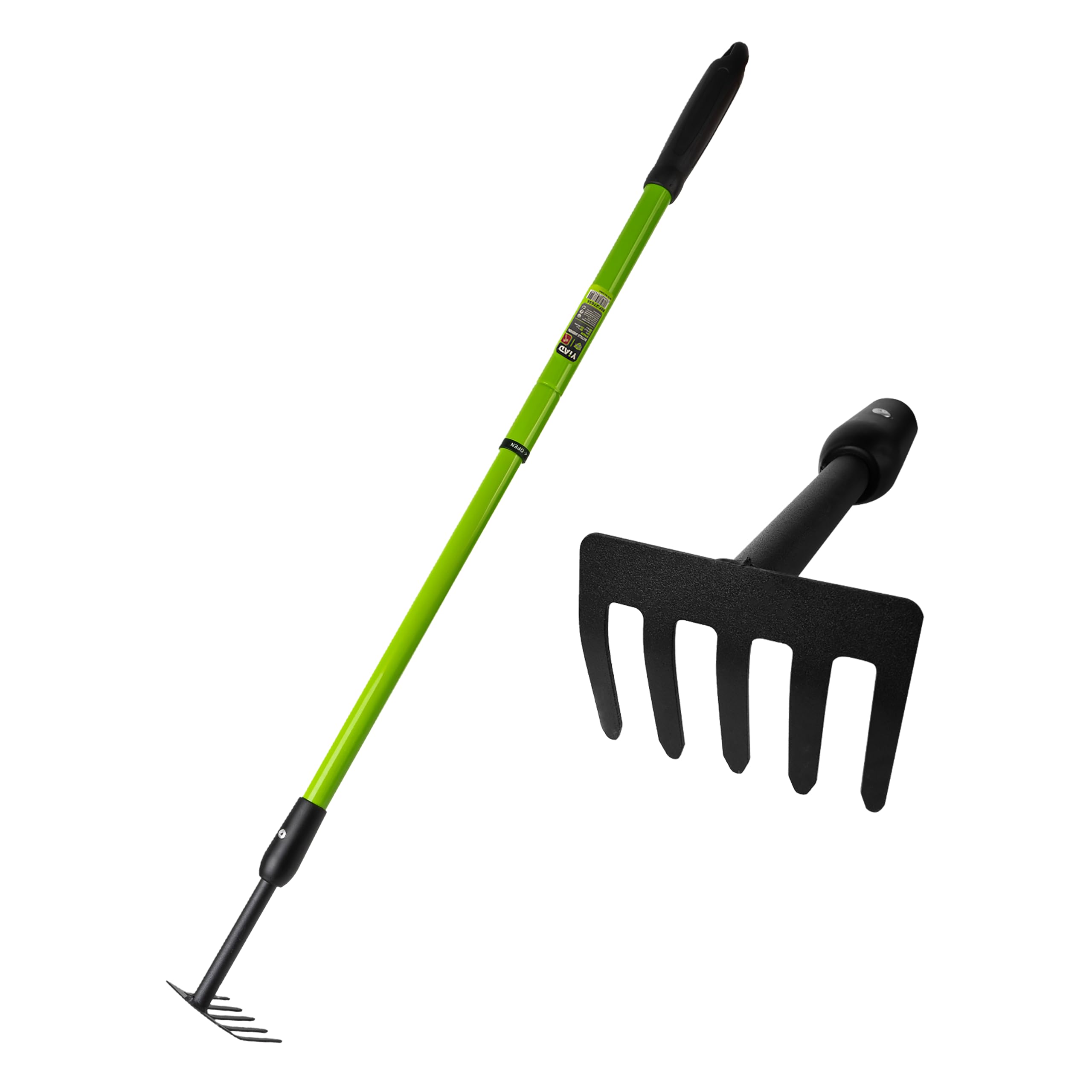
 A compact hand cultivator, ideal for loosening soil and teasing out grass runners.
Image source: walmart.com
A compact hand cultivator, ideal for loosening soil and teasing out grass runners.
Image source: walmart.com
Dandelion Weeder (Taproot Weeder)
Best for: Dandelions, dock, plantain, and any deep-rooted weed.
A dandelion weeder has a long, narrow blade with a V-notch or forked tip. The trick is technique, not force. Insert the blade vertically into the soil about half an inch from the weed’s crown. Slide it down alongside the taproot, then angle the handle back toward the ground to lever the root upward. Grasp the weed low and pull gently; the entire root should release cleanly. You can also read our guide on how to recycle a garden hose.
In tight beds, the slim profile prevents accidental damage to nearby crop roots. Keep the blade sharp. A dull edge crushes the root instead of cutting it, leaving fragments behind that regrow into new plants.
Hori-Hori Knife
Best for: Dense soil, cutting through tough roots, planting, and dividing plants.
The hori-hori is the multitool of the garden. It has a sturdy, pointed blade with one straight sharp edge and one serrated edge, plus depth marks on the metal. It excels at:
- Slicing through stubborn weed crowns.
- Cutting through small roots that block your path.
- Digging planting holes for bulbs and seedlings.
- Prying out stones and debris.
This is the tool to carry when you are not sure what you will encounter. It weeds, plants, measures depth, and divides perennials without needing a second trip to the shed.
Hand Fork
Best for: Grass runners, fibrous root clumps, and loosening compacted soil.
A three-tine hand fork is the answer to persistent, spreading weeds. The tines penetrate matted grass and fibrous roots, allowing you to work the soil and lift the entire clump in one piece.
In root vegetable beds, a fork lets you weed between rows without the risk of slicing into carrots or beets. It is also excellent for aerating small areas around established plants where a knife blade would be too aggressive.
Cape Cod Weeder
Best for: Small annual weeds, mulched beds, and shallow-rooted weeds near desirable plants.
The Cape Cod weeder has a sharp L-shaped blade at the end of a long, thin shaft. You slice weeds just below the soil surface with a push-pull motion, skimming under mulch without disturbing the layers above.
This tool shines in crumbly, well-drained soil. It is also one of the easiest tools to maintain because the blade is small and quick to sharpen. For keeping mulched beds clean and edges tidy, it is hard to beat.
Loop Hoe (Stirrup Hoe) — Short Handle
Best for: Fast passes on tiny weeds in larger small-garden beds.
A loop hoe has a U-shaped blade that glides just beneath the soil surface, cutting weeds on both the push and the pull. In a small garden, a short-handled version gives you close control while saving your back.
It is especially effective at the “white thread” stage, when weed seedlings have just germinated and have almost no root system. On a dry, sunny day, you can walk through a bed and sever dozens of weeds in minutes. They wilt and die in the sun before they can regrow.
Crevice Or Crack Weeder
Best for: Weeds in paver joints, cracks in paths, and along bed edges.
This tool has a hooked or L-shaped blade designed to wiggle into narrow gaps. It reaches weeds growing between bricks, pavers, and along neat bed edges where nothing else fits.
If you have a paved patio, stone walkway, or defined bed borders, this tool will quickly become your Saturday-morning staple. It keeps paths looking sharp without chemical sprays.
Ergonomics, Safety, And Speed Tips
Using hand weeding tools well is as much about technique as it is about the tool. Good posture and smart timing prevent fatigue and make the job faster.
 A cushioned, angled grip that keeps the wrist in a more natural position.
Image source: amazon.com
A cushioned, angled grip that keeps the wrist in a more natural position.
Image source: amazon.com
Protect Your Body
- Keep wrists straight. Avoid bending your wrist to accommodate the tool angle. A tool with an angled neck, like a Cape Cod weeder, helps maintain a neutral wrist position.
- Work with your legs, not your back. Shift your body position instead of reaching. Move your knees rather than stretching your spine.
- Use a kneeling pad. A foam or gel kneeler protects your knees and encourages better posture. For many gardeners, this single purchase reduces fatigue more than any tool upgrade.
- Switch hands periodically. During a long session, alternate hands every few minutes to distribute the workload.
Weed At The Right Time
The single biggest factor in weeding speed is soil moisture. Weed when the soil is lightly moist, not saturated and not bone dry. Moist soil allows roots to slide out cleanly. Dry soil snaps stems and leaves root fragments behind.
A common mistake is weeding immediately after heavy rain. Saturated soil smears and compacts, especially clay types. Wait a few hours until the soil is workable: it should crumble gently in your hand, not form a mud ball.
Work With A Rhythm
Set a timer for 15 minutes per bed and work steadily. One focused pass per week beats a marathon session once a month. This approach:
- Prevents weeds from reaching the tough-root stage.
- Keeps the task manageable and pleasant.
- Protects your motivation, so weeding never becomes a dreaded chore.
Strategy: Timing, Mulch, And Prevention In Small Beds
The secret to an easy-to-manage small garden is not working harder. It is preventing weeds from becoming a problem in the first place.
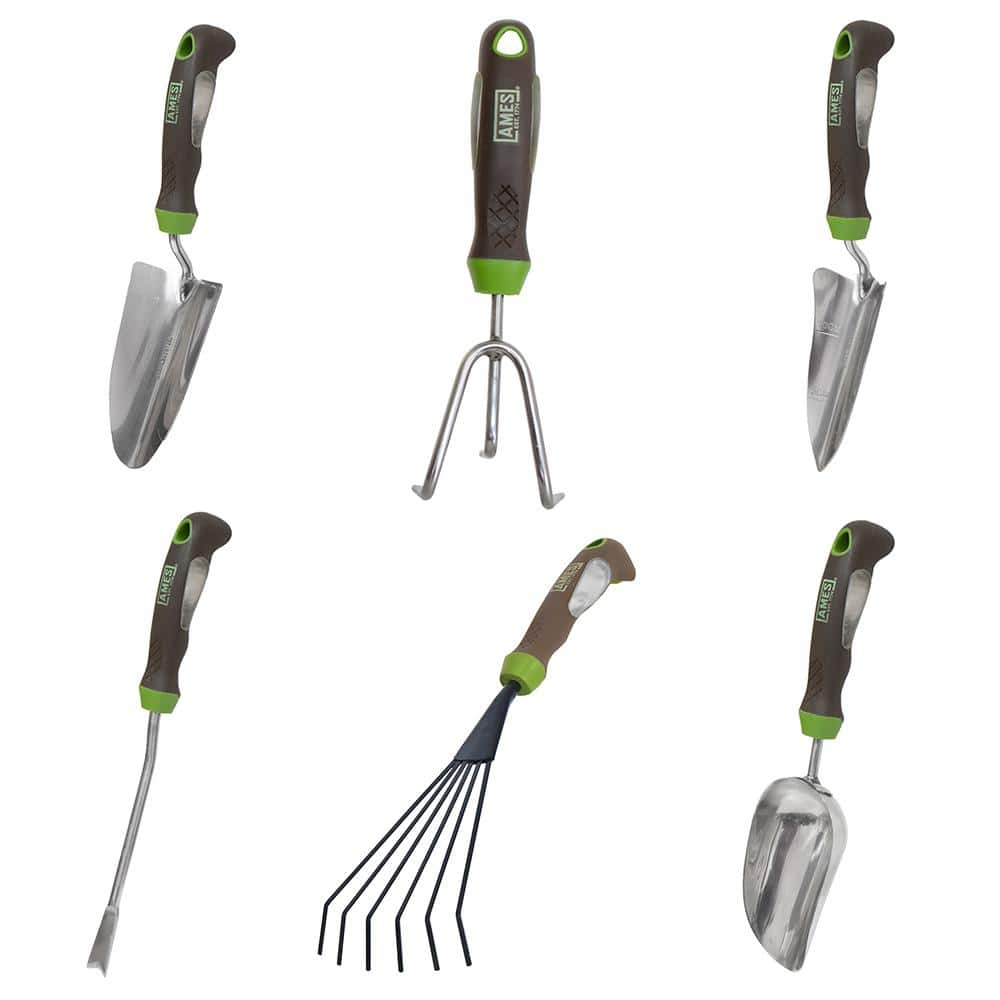 A basic hand tool set kept in one place, ready for quick weekly passes.
Image source: homedepot.com
A basic hand tool set kept in one place, ready for quick weekly passes.
Image source: homedepot.com
Remove Weeds At The White-Thread Stage
Weeds are easiest to eliminate right after germination. At this stage, they have no established root system and die with a single pass of a loop hoe or Cape Cod weeder.
The window is short, often just a few days, so consistent weekly checks matter. In peak growing season, plan two quick passes per week through your beds. The total time is small because each pass is fast.
Mulch Strategically
Mulch is the most effective weed prevention for small gardens. A 2–3 inch layer of straw, shredded leaves, or fine wood chips blocks sunlight and prevents weed seeds from germinating. Mulch also retains soil moisture, moderates soil temperature, and slowly adds organic matter as it breaks down.
For well-tested guidance on mulch depth and materials, university extension programs are a reliable source. The university extension guidance on mulching is a good place to start if you are unsure what works for your area.
If you have trees, shredded leaf mulch is a free option that works beautifully in small beds. When weeds do poke through, use a Cape Cod weeder to slice them off just beneath the mulch layer. You remove the weed without disturbing the mulch.
Water Selectively
Weeds need water to germinate. If you water the whole bed indiscriminately, you are also watering future weeds. Use drip irrigation or targeted watering at the base of crop roots. This keeps the soil surface drier, so weed seeds struggle to germinate.
Keep Soil Covered In The Off-Season
Bare soil invites weeds. In the off-season, plant a fast-growing cover crop like buckwheat or crimson clover. These crops shade the soil, outcompete weeds, and add organic matter when they are turned in. Even a thick layer of autumn leaves over dormant beds reduces spring weed pressure.
Care, Sharpening, And Storage
A quality hand weeding tool is a long-term investment. With simple care, it will last for decades and stay sharp throughout.
 A clean, lightly oiled blade stays sharp and rust-free.
Image source: amazon.com
A clean, lightly oiled blade stays sharp and rust-free.
Image source: amazon.com
Clean After Every Use
- Rinse off soil and plant residue immediately after use.
- Dry the metal thoroughly with a cloth.
- Wipe blades with a light coating of mineral oil or boiled linseed oil to prevent rust.
- Work oil into wooden handles to prevent cracking and splintering.
Sharpen Regularly
A sharp blade cuts cleanly. A dull blade crushes and tears, which damages the weed and the tool.
- Hori-hori: File the main beveled edge at the same angle it came with. Use a medium file, then a honing stone for a clean finish.
- Cape Cod weeder: Use a small diamond file or sharpening rod. A few light strokes after each use keeps the edge slicing.
- Dandelion weeder: Work the file carefully around the curves of the fork or notch to maintain a fine edge on both sides.
A few strokes after each use is enough. You are maintaining the edge, not re-forging it.
Store Correctly
- Hang tools on a pegboard or rack instead of leaning them against the wall. This keeps blades off the ground and prevents accidental damage.
- Store in a dry location, such as a shed or garage.
- Keep tools out of direct rain and away from sprinkler spray.
Rust is the biggest killer of hand tools. A simple habit of drying and oiling after use eliminates the problem entirely.
Budget, Sustainability, And Buying Advice
You do not need a shed full of specialty tools to manage a small garden. A lean, well-chosen set performs better than a cluttered collection of mediocre implements.
 A small hand claw, a budget-friendly addition to a basic weeding kit.
Image source: pepperjoe.com
A small hand claw, a budget-friendly addition to a basic weeding kit.
Image source: pepperjoe.com
The Core Set I Recommend
| Tool | Primary Job | Typical Price Range |
|---|---|---|
| Dandelion weeder | Deep taproots | $15–$35 |
| Cape Cod weeder | Shallow weeds, mulched beds | $12–$30 |
| Hand fork | Grass runners and clumps | $10–$25 |
| Hori-hori knife | Multi-purpose, dense soil | $20–$50 |
Start with a dandelion weeder and a Cape Cod weeder. Together, they cover the vast majority of weeds in a typical small garden. Add a hand fork for lawns and fibrous roots, then a hori-hori if your soil is heavy or you want one tool that does everything.
What To Look For In Quality
- Forged, not stamped: Forged blades are stronger and hold an edge longer. The difference in durability is significant.
- Full tang construction: The metal should run the full length of the handle, not just into the top third.
- Securely attached handles: Check that the blade is firmly connected to the handle. Good tools often use a riveted or welded ferrule.
- Comfortable grip: The handle should suit your hand size and stay comfortable for extended periods. If possible, try tools before buying.
For most small gardens, one general-purpose soil digger can replace several single-use tools. That saves money and storage space.
Sustainability Matters
Hand weeding tools are inherently sustainable. They require no fuel, no electricity, and no chemical inputs. They protect soil life, including earthworms, beneficial microbes, and mycelial networks, by minimizing disturbance. Every weed you pull by hand is one less dose of herbicide in your garden.
The EPA regulates chemical weed killers because they carry real risks to human health and the environment. Hand weeding avoids those risks altogether while giving you more control over exactly what stays and what goes.
Quality tools also reduce waste. A well-made weeder can last a lifetime and be passed down to the next gardener. That is a more responsible choice than buying cheap plastic-handled tools that crack and end up in landfills within a season or two.
Frequently Asked Questions
What is the best time of day to weed?
Late morning is ideal. The dew has dried, but the soil still holds overnight moisture, making roots easier to remove. On sunny days, weeds you have severed will wilt and die quickly in the afternoon heat.
How often should I weed a small garden?
Weekly passes during peak growing season keep weeds at the easy-to-remove stage. In cooler months, every two weeks is usually enough. Consistency beats intensity: regular quick passes prevent weeds from establishing taproots.
Which tool is best for dandelions in raised beds?
A dandelion weeder with a long, narrow blade. Insert it alongside the taproot and lever gently to lift the entire root without breaking it. The slim profile is ideal for the tight spacing common in raised beds.
Can I weed in wet soil?
Lightly moist soil is perfect because roots release cleanly. Very wet soil smears and compacts, especially clay types. Wait a few hours after rain until the soil is workable but not soggy.
How do I avoid hurting my crops while weeding?
Use narrow blades and work slowly near stems. Support the crop base with your fingers as you tease out nearby weeds. In tight rows, a hand fork loosens the soil between plants without slicing into the crops.
How do hand weeding tools compare to chemical weed killers?
Hand weeding is more labor-intensive but carries none of the environmental or health risks of herbicides. It is also more precise. You target only the weeds you want to remove, leaving desirable plants and soil life unharmed.
Conclusion
Small gardens reward smart choices and steady habits. You do not need a vast arsenal. Two or three well-chosen hand weeding tools, matched to your soil and weed types, will handle the vast majority of your needs.
The formula is simple:
- Choose tools that match your soil and the weeds you actually deal with.
- Weed early, at the white-thread stage, when it takes seconds per weed.
- Sharpen regularly, because sharp tools make the work effortless.
- Work in short, consistent sessions instead of rare marathons.
If your current tools feel inadequate, start by adding a sturdy dandelion weeder and a sharp Cape Cod weeder. After a few weekly passes, you will notice cleaner beds, healthier soil, and far less frustration.
Pick two tools, set a 15-minute timer, and give your beds one focused pass this week. The right equipment makes all the difference.