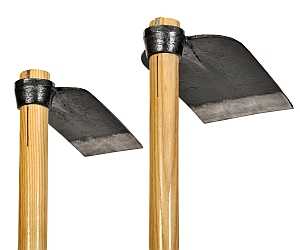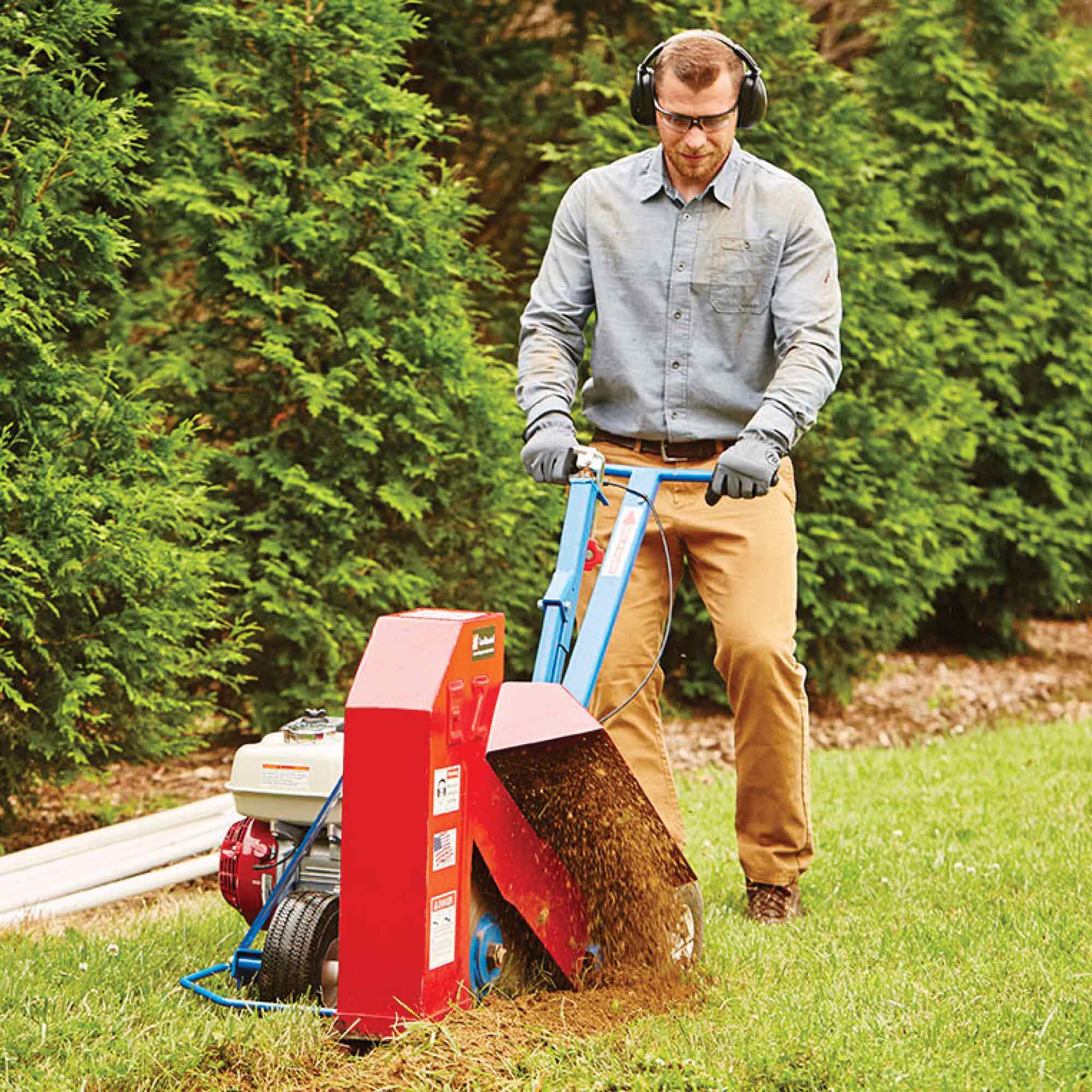
A dig trench tool is any tool that makes narrow, straight channels fast.
I have spent years cutting trenches for cable, drains, and beds. In this guide, I explain how a dig trench tool works, which type to choose, and how to use it well. You will get clear steps, field tips, and smart ways to save time and money.

What is a dig trench tool and when to use it
A dig trench tool helps you cut a narrow path in soil. You use it for drains, wires, pipes, edging, or root barriers. The goal is a clean, even trench with the right depth and width.
Use a dig trench tool when a line must be straight and shallow. Use it when soil must go somewhere safe and neat. Use it when you want low mess and high speed.
The best tool depends on soil, depth, and access. A small yard job may need a shovel and a trenching spade. A long run for irrigation may need a walk-behind trencher. A city cut may call for a micro trencher. Each dig trench tool has a niche.

Types of dig trench tool: manual and powered
Manual trenching tools
Manual tools are best for short runs, tight sites, and low budgets. They are simple, quiet, and light.
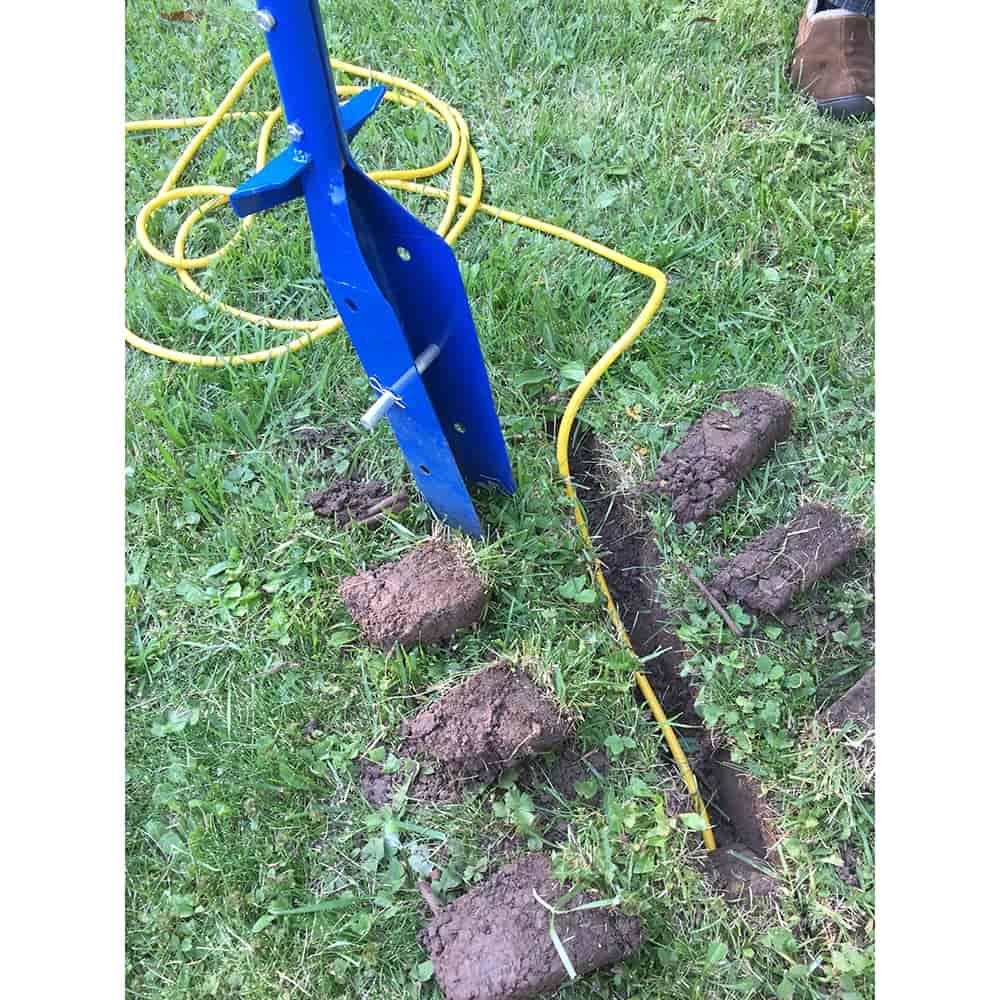
- Trenching shovel. Long, narrow blade for neat walls and good depth control.
- Drain spade. Thin blade for shaping and clean-out at the base.
- Trenching hoe or mattock. Cuts sod and hardpan. Good for roots and small rocks.
- Tile spade. Moves loose soil fast. Helps with backfill.
Pros
- Low cost and easy to store.
- Good feel and control.
- No fuel or noise.
Cons
- Slow on long lines.
- Hard work in clay or root mats.
Powered trenching tools
Powered tools suit long runs, deep cuts, and hard ground. They add speed and reduce strain.
- Walk-behind chain trencher. Cuts a set width and depth with a toothed chain.
- Mini skid or compact track loader with trencher. Fast on big sites with room to turn.
- Micro trencher. Cuts narrow slots in paved areas for fiber or cable.
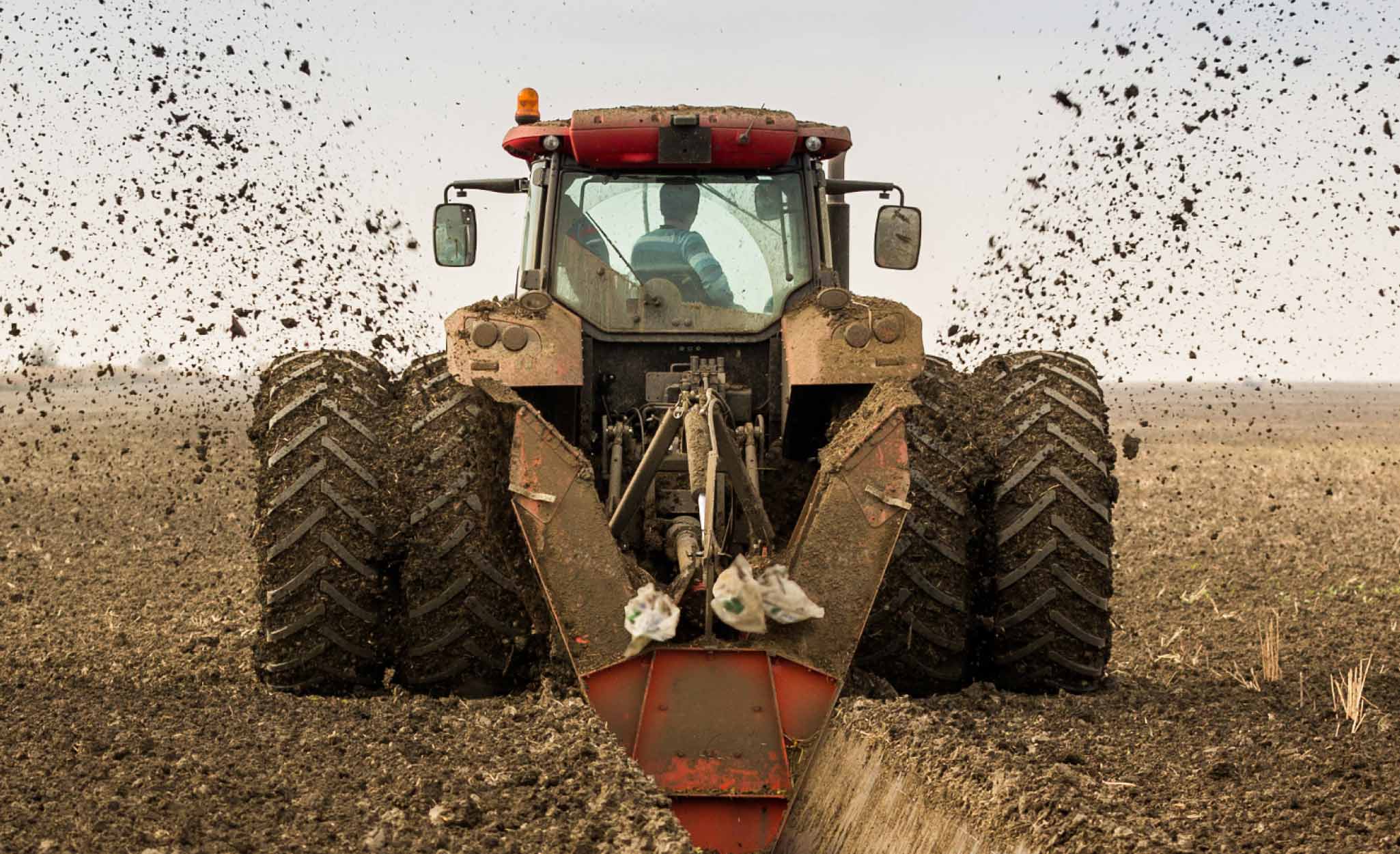
- Excavator with trench bucket. Best for deeper, wider lines and rocky soil.
Pros
- Fast and steady depth.
- Handles tough soil and roots.
Cons
- Higher cost and noise.
- Needs space, fuel, and training.
I pick a dig trench tool by the job scale and soil. A 30-foot drain in loam is a shovel job. A 300-foot irrigation line in clay calls for a chain trencher.
How to choose the right dig trench tool
Match the tool to the job. Think about site, soil, and scope.
- Soil profile. Sand cuts fast but caves. Clay holds shape but is sticky. Rocky soil needs power.
- Depth and width. Know code and product needs. Cable and pipe have set cover.
- Length of run. Short lines can be hand dug. Long lines favor a powered dig trench tool.
- Access. Narrow gates and soft lawns may limit machines.
- Utility risk. If lines are in the path, use hand tools near marks.
- Noise and dust. Tight neighborhoods may need quiet tools and water on the cut.
- Budget. Compare buy, rent, and hire. Do the math on time saved.
If unsure, rent a powered dig trench tool for the main cut. Finish, shape, and clean with a spade. This mix keeps speed high and the trench tidy.
Step-by-step: dig a trench safely and fast
Follow a clear plan. Small steps prevent big errors.
- Mark the path. Use paint and flags. Snap a string line for straight runs.
- Call 811 before you dig in the U.S. Get utilities marked. Hand dig the tolerance zone.
- Set depth and slope. Drains need fall. Aim for about 1 inch per 10 feet unless code says more.
- Cut the top layer. Slice sod or mulch first for a clean edge.
- Start the cut. With a dig trench tool, work in passes. Take shallow bites to keep walls firm.
- Stage spoil on one side. Lay a tarp to keep grass clean and speed backfill.
- Check depth often. Use a stick or depth gauge.
- Shape and clean. Use a drain spade to square the base.
- Place pipe or cable per specs. Add bedding if needed. Compact backfill in lifts.
- Restore the site. Replace sod and clean the area.
For wet sites, pump or trench to a sump. Keep water out as you work. Wet walls fail fast.
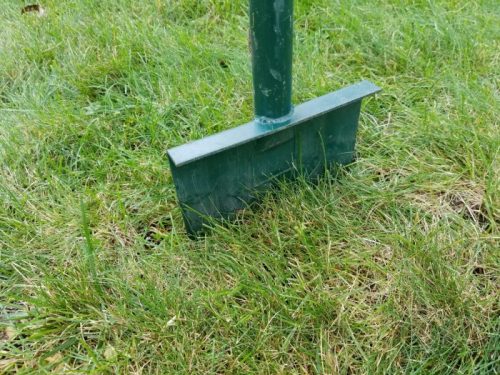
Techniques that boost speed and quality
Small tweaks can save hours.
- Use two tools. One to break, one to clean. Swap often to reduce strain.
- Cut in segments. Work 10 to 20 feet at a time for control.
- Keep the trench narrow. Only as wide as needed for the product.
- Stand tall and use your legs. Short strokes waste energy.
- Pre-soak clay. A quick mist can ease the cut.
- Let sunny slopes firm up. Early starts help on south-facing lawns.
A good dig trench tool helps, but technique is the force multiplier. Smooth, steady moves beat brute force.

Safety and risk control with a dig trench tool
Safety starts before the first cut.
- Mark utilities and respect the tolerance zone.
- Wear boots, gloves, eye and ear protection, and a hard hat when needed.
- Keep spoil 2 feet from the edge on deeper cuts.
- Watch for cave-ins. Do not enter deep trenches without proper shoring or shields.
- Control dust with water. Silica dust harms lungs.
- Manage bystanders. Set cones and signs if near walkways or roads.
Many trench injuries come from cave-ins and strikes on live lines. Slow down near marks. A hand tool is cheap insurance.

Maintenance and storage for long tool life
Care keeps a dig trench tool sharp and safe.
- Clean after use. Knock off soil. Dry tools to prevent rust.
- Sharpen blades often. A sharp edge cuts straight and easy.
- Oil metal parts before storage. Hang tools, do not stack.
- For powered tools, check chain, teeth, belts, and fluids. Tighten and lube per the manual.
- Replace worn parts early. It costs less than down time.
Store fuel and batteries per rules. Vent spaces well. Label and date items to track age.
Costs, ROI, and rental math
Money choices shape tool choices.
- Manual tools cost little and last years with care.
- Renting a walk-behind trencher can save a day of labor on long runs.
- Time is money. If a powered dig trench tool cuts the job from eight hours to two, the rent may pay for itself.
- Add in fuel, delivery, cleanup, and any damage risk.
Track your jobs. Once you do three to five long cuts a month, buying may beat renting.
Field notes and lessons learned
I learned to test the first 10 feet. On one job, the first foot was easy. Then we hit hardpan. We switched to a chain trencher and kept the day on track.
I once rushed near a gas mark. A small nick led to a shutoff call. Since then, I hand dig 18 to 24 inches on both sides of every mark. A dig trench tool is only as safe as the rules you keep.
On lawns, I save sod like tiles. I lay them back after fill. Clients love that look. Small care leads to big trust.
Accessories and add-ons that help your dig trench tool
Smart add-ons boost results.
- String line, stakes, and chalk. Keep lines true.
- Marking paint and flags. Show path and hazards.
- Tarp and buckets. Keep spoil neat and speed cleanup.
- Hand tamper and plate compactor. Pack backfill in lifts.
- Bedding sand and fabric. Protect pipe and control fines.
- Depth gauge and small level. Verify slope and cover.
- Trench cleaner or narrow scoop. Fast finish work.
Add the right accessory to your dig trench tool and the job feels lighter and cleaner.
Environmental and code factors
Good work respects the site and the rules.
- Control runoff. Use silt fence or wattles if rain is due.
- Keep topsoil separate. Replace it last to help turf recover.
- Mind tree roots. Do not trench through critical root zones when you can avoid it.
- Follow cover rules for power, gas, water, and fiber.
- Check local permits. Some towns want inspection before backfill.
A dig trench tool can do harm or good. Plan so the site looks as good as it works.
Troubleshooting common problems with a dig trench tool
- Walls keep caving. Reduce width, cut in short runs, and shore if needed.
- Roots stop the cut. Use a mattock or saw made for roots. Go slow to avoid kickback.
- Hit large rocks. Widen a bit, then lever from below. For big rocks, use a machine or change route.
- Water fills the trench. Pump to a sump, then cut a small bypass. Work in drier hours if you can.
- The trench wanders. Reset a string line and square the blade often.
If a dig trench tool fights you, pause and reset. Most issues are path, soil, or setup, not strength.
Frequently Asked Questions of dig trench tool
What is the best dig trench tool for clay soil?
A chain trencher with sharp teeth works well in clay. For short runs, a mattock to break and a drain spade to clean are a strong pair.
How deep should I dig for an irrigation line?
Many systems sit 6 to 12 inches deep, but check local code. Depth also depends on freeze lines and pipe type.
Can I use a dig trench tool near tree roots?
Yes, with care. Hand dig in the root zone and avoid large structural roots whenever possible.
Should I rent or buy a powered trencher?
Rent for rare or one-off jobs. Buy if you trench often and can keep the machine busy and maintained.
How do I keep trench walls from caving?
Keep the trench narrow, avoid saturated soil, and manage spoil. Shore or slope walls on deeper cuts per safety rules.
Do I need to call 811 before trenching in my yard?
Yes, call 811 to mark utilities before you dig in the U.S. It is free and helps prevent damage and injury.
What width should I choose for a cable trench?
Pick the smallest width that allows safe lay and backfill. Many low-voltage cables fit a very narrow slot from a micro dig trench tool.
Conclusion
The right dig trench tool turns hard ground into a clean line, fast and safe. Match the tool to the soil and the run. Use clear steps, protect yourself, and finish with care. Small habits, like depth checks and tidy spoil, pay off every time.
Start with a short test cut on your next job. Choose the setup that feels smooth and safe. Ready to go deeper? Subscribe for more field guides, or reach out with your trench questions.