
Ground Digging Tools: Best Picks and Buying Guide 2026
Digging is the most physical part of almost any outdoor project. A dull shovel, a short handle, or an undersized auger can turn a one-hour job into a full-day ordeal. The right ground digging tools save your back, protect your soil, and make the work feel far easier than it should.
This guide covers every major category of digging tool, explains what genuinely deserves a place in your shed, and shows you how to match tools to your soil, project size, and budget. You’ll also get practical technique tips, safety guidance, maintenance routines, and honest advice on when to rent power equipment instead of buying it. You can also read our guide on how does a chainsaw work.
Source: growpittsburgh.org
What Counts as a Ground Digging Tool?
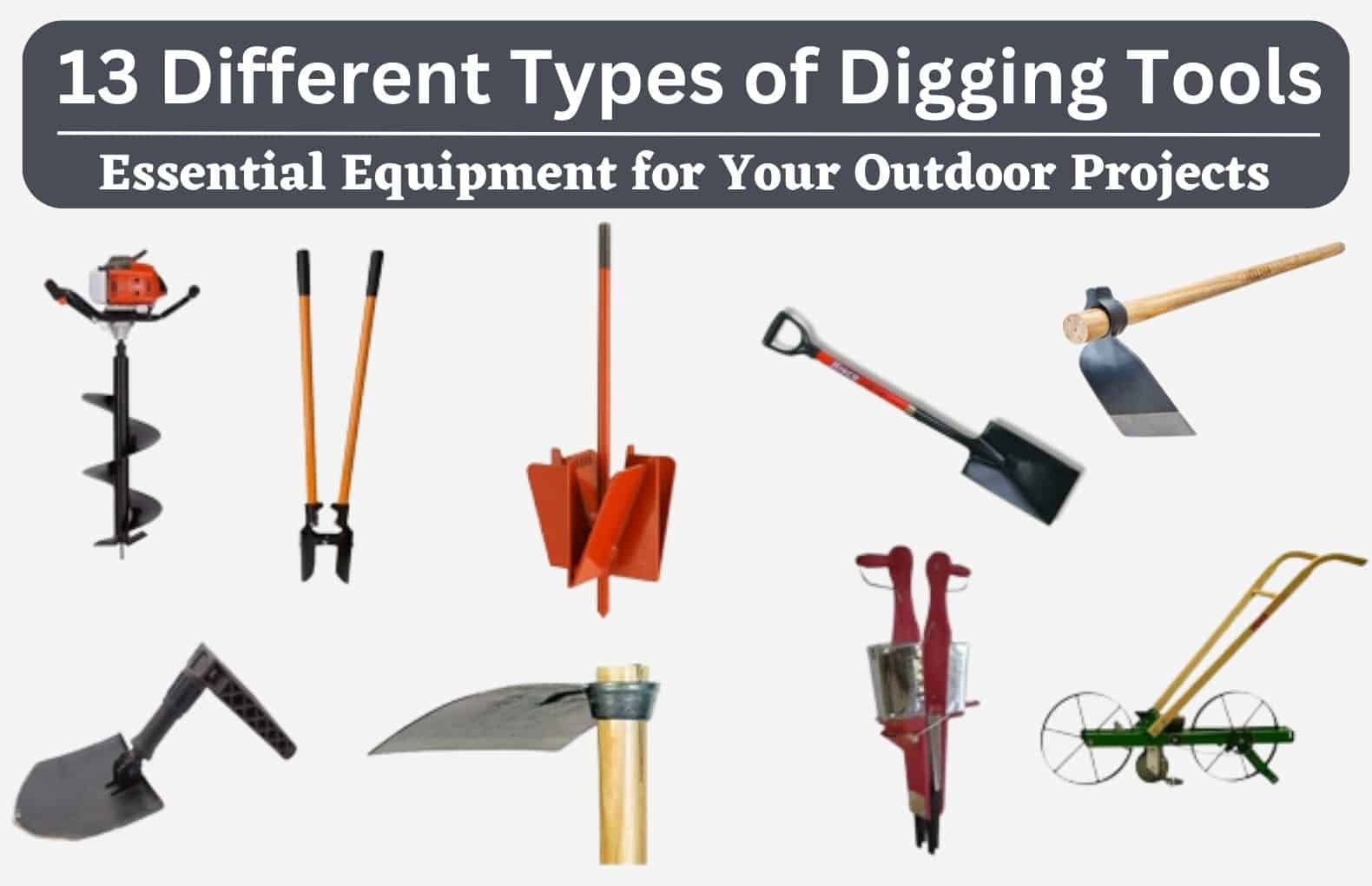
Ground digging tools are any hand or powered implements used to break soil, move dirt, cut holes, open trenches, or shape planting beds. The category includes simple hand tools like trowels and bulb planters, mid-range tools like shovels, spades, mattocks, and digging bars, and powered machines like augers, trenchers, and mini excavators.
The key difference is manual versus powered.
Manual tools are quiet, affordable, precise, and easy to control. They suit small jobs, tight spaces, and work where you need to feel what is happening underground. Powered tools excel at volume: drilling dozens of post holes, cutting long trenches, or breaking through hardpan that would exhaust anyone swinging a digging bar. You can also read our guide on ergonomic hand tools for seniors.
A common mistake is buying an entire arsenal at once. Start with a few versatile hand tools and add specialized or powered options only when your projects actually demand them. Most homeowners need five or six tools total, not twenty.
The Manual Ground Digging Tools That Earn Their Keep
Manual digging tools remain the backbone of most residential work. They are cheap to maintain, easy to store, and dependable in a way that battery-powered equipment still cannot match for small jobs. You can also read our guide on ginseng digging tools.
Source: civiconcepts.com
Shovels and Spades
A round-point shovel is the best all-rounder for digging holes and moving loose soil. Its curved blade penetrates well and lifts efficiently. A square-point shovel is better for scooping gravel, compost, and sand.
A spade has a flat, straight blade designed for cutting clean edges, slicing sod, and shaping bed lines. If you are building a garden bed or installing edging, this is your primary tool. A spade is also your first defense in compacted ground because its straight edge cuts through crusted soil instead of mashing it. You can also read our guide on how to improve lawn soil health.
Mattocks and Pickaxes
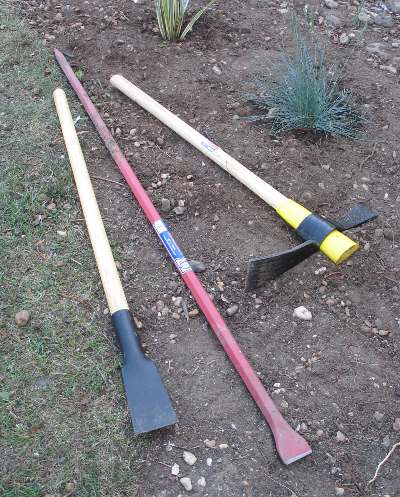
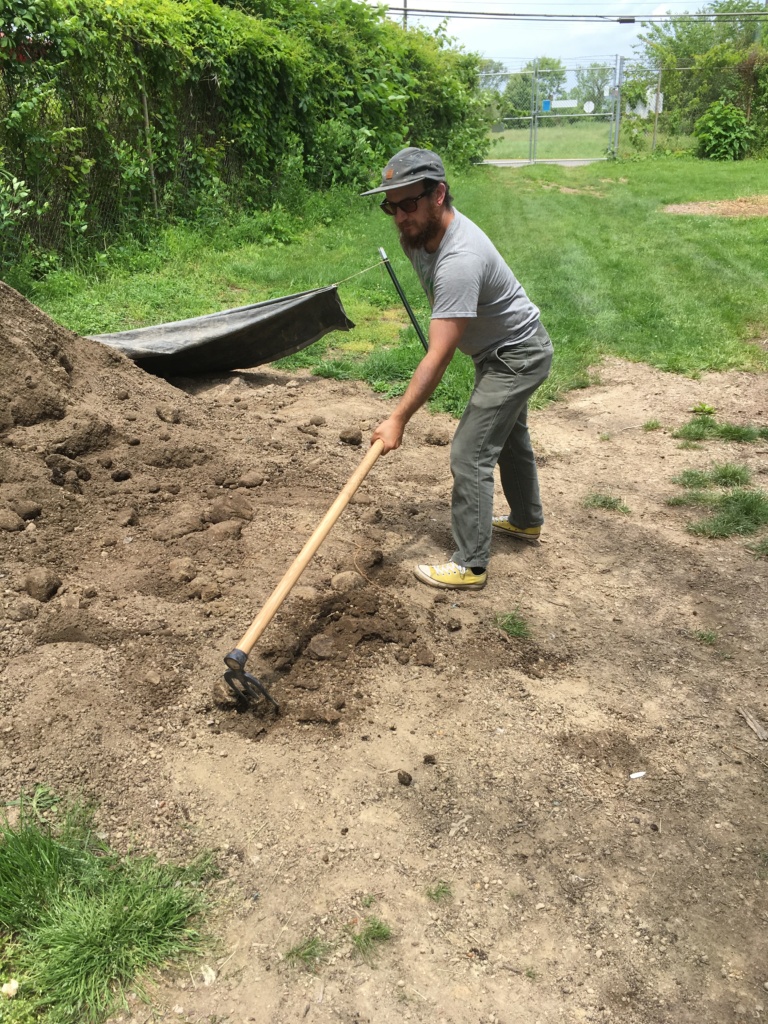
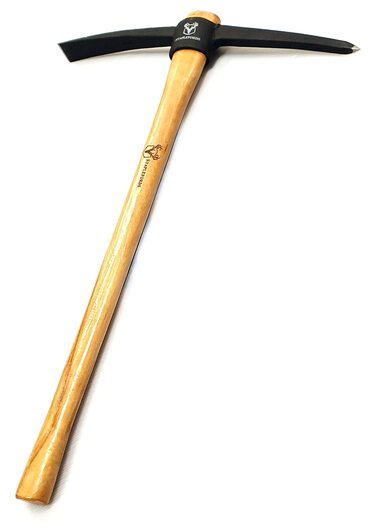
A mattock has a chisel blade on one side and a pick on the other. It is the best hand tool for breaking up clay, cutting through roots, and prying rocky soil. A pickaxe concentrates force into a point and is better for hard rock and hardpan.
Choose a weight you can swing accurately for extended periods. A tool that is too heavy exhausts you quickly; one that is too light bounces off the ground instead of biting in. You can also read our guide on best fill for raised garden beds.
Post Hole Diggers
The clamshell post hole digger is essential for fence posts, mailbox posts, and small trees. It uses two hinged scoops that grip soil and pull it up. Look for a sturdy hinge, comfortable grips, and blades that meet evenly when closed.
For more than six holes, a powered auger is usually worth the money. For occasional post repairs, a quality manual digger is enough. You can also read our guide on metal detecting digging tool.
Digging Bars
A digging bar is a solid steel bar, usually five to six feet long, with a chisel end and a pry end. It is indispensable for popping rocks, breaking hardpan, and checking soil depth before you commit to a hole. Wear gloves when using one; the bar can pinch hard against rock.
Trenching Shovels and Drain Spades
Trenching shovels have long, narrow blades that cut precise channels for irrigation lines, conduit, and drainage pipe. When you need long, narrow runs at consistent depth, a trenching shovel beats a standard round-point shovel every time. You can also read our guide on digging tools names with pictures.
A drain spade has a narrow, rounded blade for digging in tight spaces and reaching depth without disturbing surrounding soil. It is the tool to reach for when you need one clean, vertical wall.
Small Garden Tools
A garden trowel is essential for planting bulbs, transplanting seedlings, and working in tight spaces. A bulb planter removes a plug of soil in one motion, saving wrist strain when planting dozens of bulbs. A manual auger bores neat holes in soft garden soil, but it struggles in clay and rocky ground.
If you regularly create new planting beds and borders, a digging fork also earns its place. It loosens soil without inverting it, which preserves soil structure better than aggressive tilling.
| Tool | Best For | Watch Out |
|---|---|---|
| Round-point shovel | Digging holes, moving loose soil | Not ideal for cutting clean edges |
| Square-point shovel | Scooping and spreading material | Weak for penetrating hard soil |
| Spade | Edges, sod, garden beds | Requires sharp edge to work well |
| Mattock | Clay, roots, compacted soil | Heavy swing needs space |
| Pickaxe | Rock and hardpan | Can be overkill for soft soil |
| Post hole digger | Fence and mailbox posts | Hinge quality matters |
| Digging bar | Prying rocks, checking depth | Pinch hazard near rock |
| Trenching shovel | Irrigation and drainage lines | Narrow width limits heavy scooping |
| Drain spade | Tight spaces and deep holes | Specialized, not an all-rounder |
| Garden trowel | Bulbs and transplants | Cheap ones bend quickly |
| Bulb planter | Uniform planting holes | Works best in loose soil |
| Manual auger | Soft garden soil | Wanders in clay or rock |
Powered Tools: When Muscle Isn’t the Answer
Powered digging tools come into their own when the number of holes, the depth, or the soil condition makes manual work unreasonable. The decision is about volume, not laziness.
Power Augers
Power augers drill post holes in seconds rather than minutes. For 2026 buyers, battery-powered models are a strong choice for residential work: they are quieter, cleaner, and easier to start than gas. Gas models still offer longer runtime for big fence lines and remote sites where charging is impractical.
Two-person models handle larger bits and tougher soils. One-person augers are fine for soft soil and shallow holes, but bind more easily in clay.
Trenchers
A walk-behind trencher cuts long, straight trenches at consistent depths. If you are installing drainage, irrigation, or conduit beyond a few yards, renting a trencher is worth the cost. It saves hours compared to a trenching shovel and produces cleaner walls.
Mini Excavators with Auger Attachments
For major landscaping projects, multiple deep holes, or rocky terrain, a mini excavator with an auger attachment is the heavy-duty option. These are expensive to rent and require some operating skill, but they can transform a project that would otherwise take days.
Rent or Buy?
A simple rule: if a tool will sit in your shed for eleven months out of the year, rent it. Power augers, trenchers, and mini excavators include maintenance and storage costs that most homeowners do not need. Buy powered equipment only if you have repeated, ongoing projects.
How to Choose the Right Ground Digging Tools
Choosing the right tool means assessing four things: your soil, your project scope, your body, and the quality of the tool itself.
Source: buckinghamshirelandscapegardeners.com
Identify Your Soil Type
Soil drives every digging decision. Sand digs easily but collapses. Clay is hard when dry and sticky when wet. Loam is the ideal garden soil. Rocky soil stops blunt blades cold.
| Soil Condition | What You’ll Notice | Tools That Work Best |
|---|---|---|
| Sandy | Digs easily, hole walls collapse | Spade, trenching shovel, dampen soil as you dig |
| Clay | Hard when dry, sticky when wet | Mattock, pickaxe, sharp spade |
| Loam | Dark, crumbly, easy to dig | Most hand tools work fine |
| Rocky | Blades hit obstructions | Digging bar, pickaxe, power auger |
| Compacted hardpan | Dense layer resists shovels | Mattock, pickaxe, power equipment |
Calculate the Project Scope
Count the holes and measure the trench before you buy. A few shallow planting holes justify hand tools. Dozens of post holes for a fence line justify a power auger. Long drainage trenches justify a rented trencher.
The bigger the gap between the tool’s capacity and the job’s demand, the more you will struggle. Right-size your equipment from the start.
Match Handles to Your Body
Handle length should reach about chest height for shovels and spades. That lets you work without excessive bending and keeps your back in a safer position.
Fiberglass handles resist rot, absorb shock, and last nearly indefinitely. Wood handles feel warmer in the hand and are easier to replace, but they require more care. Grip comfort matters most when you are working for hours.
Inspect Construction Quality
Bargain tools with thin, soft blades bend on the first hard rock. Look for tempered steel blades, reinforced steps on shovels, and solid handle-to-blade connections. Flex the blade slightly in the store. Quality steel has a little give without bending permanently.
You will feel the difference the first time you dig in compacted soil.
Best Picks by Project in 2026
The most useful way to think about “best picks” is by project. A great fence-line kit looks different from a great raised-bed kit.
| Project | Recommended Tools | Why This Combo Works |
|---|---|---|
| Fence line | Digging bar + post hole digger; power auger for more than six posts | Bar breaks the surface, digger clears the hole, auger handles volume |
| Garden beds | Spade + mattock + digging fork | Spade cuts edges, mattock breaks subsoil, fork aerates without inverting |
| Tree planting | Round-point shovel + mattock + digging bar | Wide, shallow holes with rough sides encourage root growth |
| Drainage or irrigation | Trenching shovel or walk-behind trencher | Consistent depth and clean, straight walls |
| Bulbs and small plants | Trowel + bulb planter | Fast, uniform holes with far less wrist strain |
If you are planning raised bed prep, cut clean edges first, then loosen what lies underneath. For crisp bed edges where turf meets planting soil, add a dedicated edging tool to the kit.
Digging Techniques That Save Your Back
Good digging is technique, not brute force. Positioning, timing, and letting the tool do the work matter more than muscle.

Source: bigrentz.com
Clay and Hardpan
Moisten the area a few hours before digging. Moist clay cuts dramatically easier than dry clay, but you do not want mud. Score the surface with a mattock, then scoop out the loosened material.
On the downstroke, twist the shovel slightly to break soil bonds instead of lifting straight up. That simple motion saves energy and reduces strain on your lower back.
Rocky Ground
Start with a digging bar. Pry and pop rocks loose before a shovel ever goes near the ground. Fight the rock with the bar, not your hands, and clear rocks from the hole as you go so they do not jam your blade mid-swing.
Wear boots with a firm toe. You will drive blades with your foot constantly, and a solid boot protects both your foot and the shovel.
Sandy Soil
Cut the rim of the hole wider than you think you need. Work from the top down to reduce collapse. If the sand is dry and shifting, dampen it slightly to help it hold its shape.
For deep holes in very loose sand, use temporary boards or a bucket as a form to support the edges while you work.
Root-Heavy Ground
Expose roots with a trowel or your hands, then cut them cleanly with loppers or a root saw. Tearing roots damages your tool and leaves jagged ends that heal poorly for plants.
Keep every digging blade sharp. A dull edge makes root work miserable.
Digging Deep Holes
Do not try to remove too much soil at once. Overloading the blade causes the hole sides to blow out and makes the hole unstable.
Dig in stages: break, scoop, square the walls, then repeat. The hole stays neat, the walls stay stable, and the post sets straight.
Safety: Call Before You Dig
Before you dig anything, call your local utility locate service. In the US, that number is 811. Use the 811 utility locate service before any project, even shallow hand digging. Hitting a gas line or electrical cable is dangerous, expensive, and entirely preventable.
If you hit something that does not feel like soil, stop. Mark the spot, leave the tool in place, and call your local utility before continuing.
Protect Your Body
Keep your back straight and bend at the hips and knees. Your legs are far stronger than your lower back. Switch hand positions regularly, and take short breaks every twenty minutes to stand upright, stretch, and drink water.
Wear the Right Gear
Gloves protect against blisters and improve grip. Eye protection matters in rocky or dry soil where particles fly. Firm boots with composite or steel toes protect your feet from dropped tools and your own shovel step. Hearing protection is non-negotiable with powered equipment.
Power Tool Precautions
When using a power auger, brace your stance and keep both hands on the handles. If the bit binds, release the throttle immediately. Do not fight the torque with your wrists. Clear soil from the hole frequently so the bit does not jam at depth.
Maintenance and Care
A sharp, clean tool cuts faster, lasts longer, and feels better in your hands. Maintenance takes minutes and pays off every single dig.
Clean and Dry After Every Use
Rinse off soil and dry tools completely before storage. Moisture causes rust and degrades wooden handles. A five-minute cleanup at the end of a job prevents stuck-on clay and rust spots from forming overnight.
Keep Edges Sharp
File the edges of shovels, spades, and mattocks a few times per season. Use a medium file and maintain the existing bevel angle. You are restoring the edge, not reshaping the blade. A sharp edge slices through roots and compacted soil instead of bouncing off them.
Protect Handles and Hinges
Check wood handles for splinters and cracks. Sand rough spots and apply a light oil or sealant to prevent drying and splitting. Tighten loose heads before they become dangerous.
For post hole diggers, keep the hinge clean and lightly greased. A stiff hinge makes every scoop harder than it should be.
Service Power Equipment
Follow the manufacturer’s maintenance schedule for fuel, oil, and spark plugs. Inspect auger bits for bent or dull cutting edges, and check bolts and guards before each use.
For gas-powered augers, use the right fuel and add a fuel stabilizer before storage. A properly maintained power auger is dramatically safer and more efficient than a neglected one.
Protecting Soil Health While You Dig
Good digging protects the soil as much as it gets the job done. Soil structure takes years to build and seconds to destroy. The USDA emphasizes that soil structure and organic matter are the foundation of productive ground, and that begins with disturbing the soil only when necessary.

Source: signaturecasinoparties.com
Timing Matters
Dig when soil is moist but not saturated. Working wet soil compacts it and destroys the crumb structure roots need. After heavy rain, wait a few days. In extreme heat, work early morning or late evening.
Separate Your Soil Layers
Topsoil contains the organic matter and microbial life that plants depend on. Subsoil is largely mineral. When you dig, keep these layers separate and replace topsoil on top when you backfill. Your plants will notice the difference.
Minimize Compaction
Limit foot traffic in work zones. Use boards to spread your weight over a larger area, especially on damp soil. The structure you preserve now determines how well water drains and roots grow for years afterward.
Control Erosion
Cover exposed soil with straw, mulch, or a tarp if you cannot finish the job in one day. Bare soil washes away fast, taking nutrients and structure with it. This is especially important on slopes and during rainy seasons.
Prevent Contamination
Clean your tools between work sites to avoid moving soil-borne pests and weed seeds. This matters most in areas with confirmed invasive species or plant diseases.
Frequently Asked Questions About Ground Digging Tools
What are the must-have ground digging tools for beginners?
Start with a round-point shovel, a spade, and a mattock. Add a post hole digger if you plan to set posts or plant trees. These four tools cover most residential projects.
Is a power auger worth it for small projects?
For fewer than six holes, hand tools are usually enough. For hard soil or many holes, a power auger saves significant time and physical effort. Renting is the smart play for occasional use.
How do I dig in clay without burning out?
Moisten the area a few hours ahead. Break the surface with a mattock, then scoop with a sharp spade. Work in stages, keep the blade sharp, and take regular breaks.
What handle material is best for durability?
Fiberglass resists rot, absorbs shock, and lasts nearly indefinitely with reasonable care. Wood feels better in the hand and is easy to replace, but it needs more maintenance. For heavy use, fiberglass wins.
How can I prevent a post hole from collapsing in sand?
Widen the top of the hole, work in short lifts, and dampen the sand as you go. Use temporary boards or a bucket as support where collapse is an issue. Dry, loose sand will not hold a vertical wall.
When should I rent a trencher instead of using a shovel?
If you need a trench longer than a few yards at consistent depth, a trencher is faster and cleaner. Rent one for any project with more than a couple of hours of trenching.
How often should I sharpen my digging tools?
File the edges a few times per season and after hitting rocks. Clean, dry, and apply a light oil coating before storage. A few minutes of care extends the life of any digging tool significantly.
Conclusion
The right ground digging tools turn exhausting labor into manageable work. Match your tools to your soil, your project scope, and your budget. Use proper technique, because it matters more than raw effort. Maintain your equipment so it is ready when you need it. And respect the ground you are working: good soil practices now prevent problems for years to come.
Start by mapping your next project. Identify the soil type, count the holes, measure the trench, and buy only what that project actually requires. Build your kit around the core essentials, rent power equipment for bigger jobs, and let the tool do the heavy lifting. Your back and your garden will both thank you.


