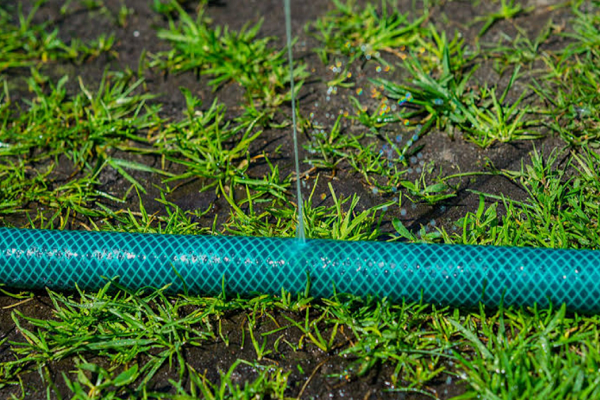
Most curbside programs can’t recycle garden hoses; reuse them or find a special drop-off.
If you’ve wondered how to recycle a garden hose without guessing or wasting time, you’re in the right place. I’ve helped neighbors, community gardens, and local eco-clubs tackle worn-out hoses. In this guide, I’ll show you how to recycle a garden hose step by step, where to take it, smart reuse ideas, and what to avoid so you don’t jam up local facilities or pay extra fees. You’ll walk away with a clear plan, backed by industry best practices and real-world experience.
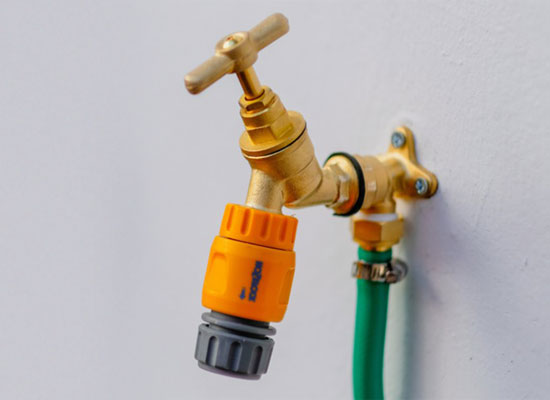
Why garden hoses aren’t accepted in curbside recycling
Garden hoses are called tanglers at recycling facilities. They wrap around sorting equipment and force shutdowns for cutting and untangling. This wastes time and money, and it can injure workers.
Most hoses are mixed materials. Many are vinyl (PVC) with metal ends and rubber layers. That mix is hard to separate at standard facilities. Even clean hoses can’t go in your blue bin.
Old hoses may contain lead, plasticizers, or mildew. That makes them poor candidates for standard plastic streams. Your best path is a specialty recycler, a reuse plan, or safe disposal.

Step-by-step: how to recycle a garden hose
If you need a simple plan for how to recycle a garden hose, use these steps.
- Confirm curbside rules. Check your city’s recycling page or call your hauler. Ask about hoses by name.
- Remove metal ends. Use a utility knife and pliers to cut off brass or aluminum fittings. Keep these for scrap metal.
- Clean and dry. Drain water. Wipe dirt and grass. A clean hose is easier to process or reuse.
- Coil and tie. Make tight loops. Zip-tie or twine the hose so it can’t tangle during transport.
- Choose your path. Find a specialty recycler, a community drop-off, or a retailer take-back event. Search “PVC hose recycling near me” or “rubber hose recycler.”
- Bring the fittings to scrap. Brass couplers often have value at a metal recycler.
- Label for special drop-off. If required, mark “hose – special handling.” Follow location rules.
- If no recycler exists, reuse or dispose. Use the reuse ideas below before considering trash.
This is the most reliable way to handle how to recycle a garden hose in most towns. It keeps your curbside line running and turns parts of your hose into useful materials.
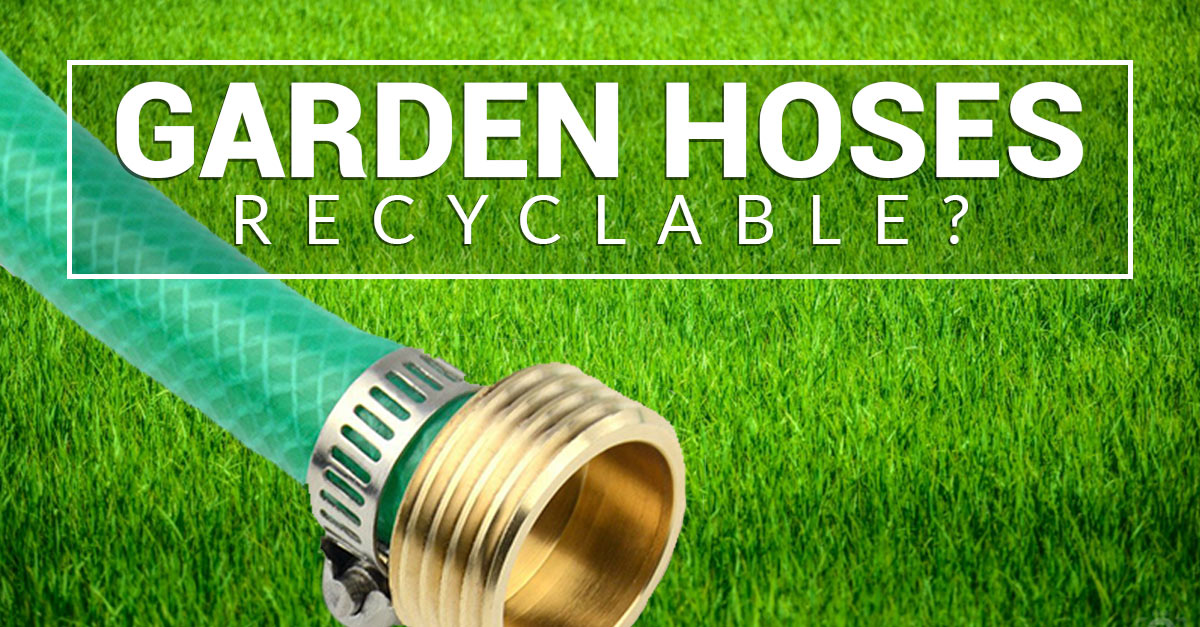
Identify your hose material
Knowing the material helps when you ask a recycler how to recycle a garden hose.
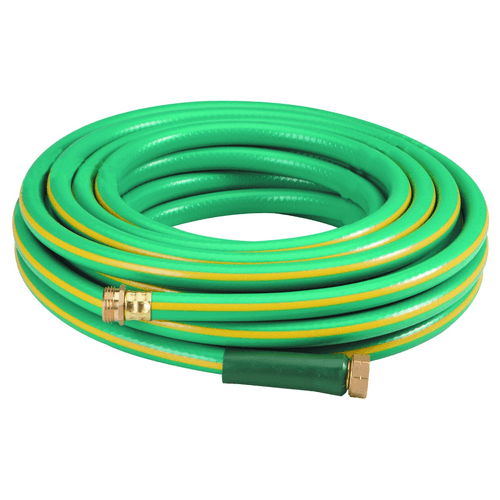
- Vinyl (PVC). Common and affordable. Often stiffer and has that PVC smell. Many specialty recyclers accept PVC if clean and sorted.
- Rubber. Heavier and more flexible. Some tire and rubber processors accept these for crumb rubber or mats.
- Polyurethane or hybrid. Lightweight and kink-resistant. Acceptance varies. Always ask the facility first.
Check the original packaging or a stamp on the hose. Take a photo to show a recycler for quick screening.

Best reuse ideas before recycling
Before you dive into how to recycle a garden hose, try reuse. It can be faster and cheaper.
- Soaker hose conversion. Punch small holes and run it through garden beds for slow watering.
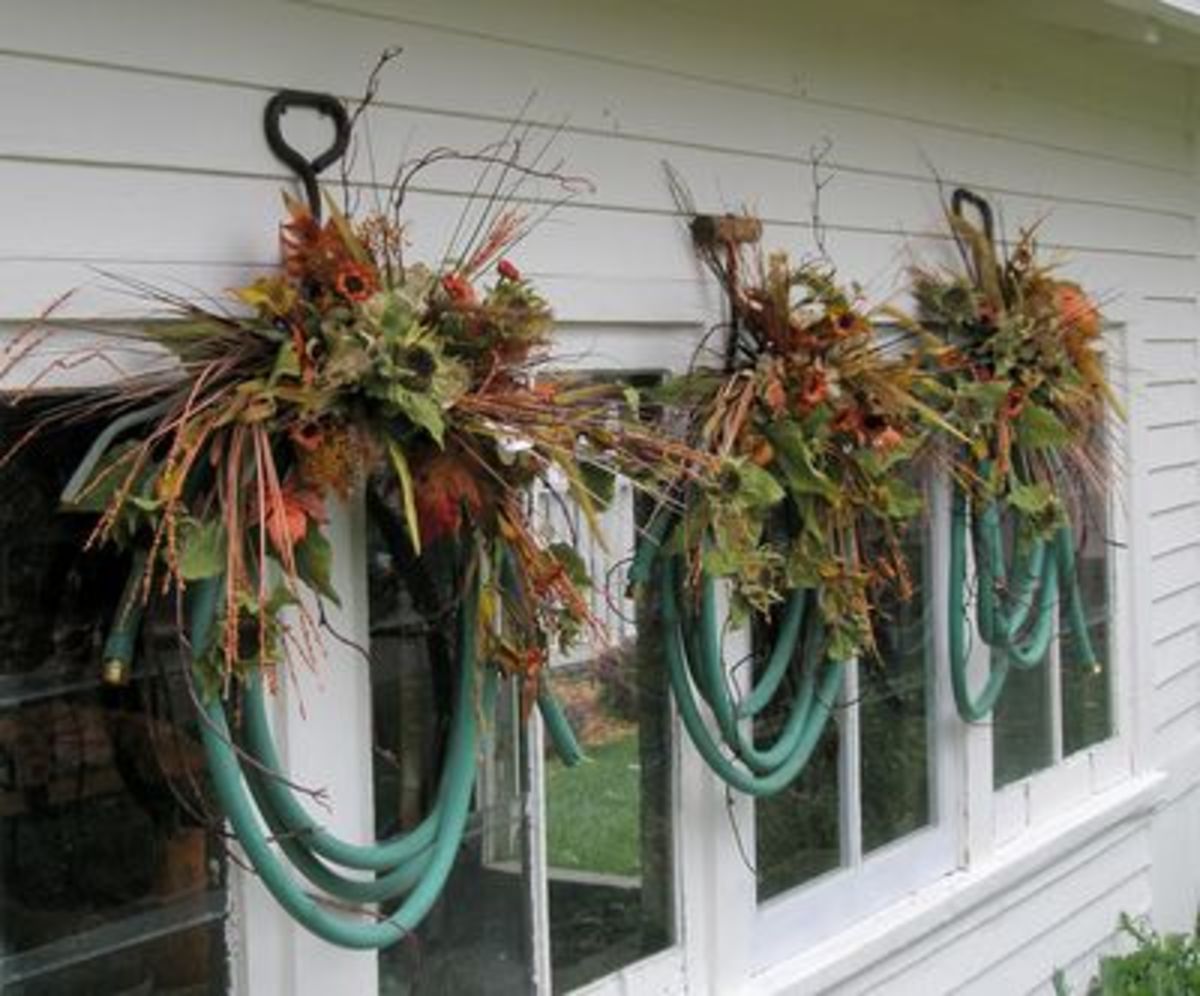
- Tree and stake ties. Cut short lengths to cushion wire or rope around trunks and stakes.
- Edge guards. Split a section and slip it onto sharp sheet metal, saw horses, or mower handles.
- Bucket grips. Slide pieces over wire handles for comfort.
- Hose gaskets and washers. Punch disks from thicker hose walls to make DIY washers.
- Tool protection. Slip short pieces over shovel or rake edges to protect car trunks.
I once saved a 50-foot split hose by turning it into tree ties and edge guards. It kept dozens of small tasks cheap and easy for a whole season.
Where to take an old hose
When mapping out how to recycle a garden hose, know your local options.
- Specialty recyclers. Search for “PVC recycler,” “rubber recycler,” or “plastics MRF specialty.” Call to confirm acceptance and prep rules.
- Municipal drop-offs. Some transfer stations or special waste depots accept hoses in a designated bin.
- Retailer events. Hardware stores or garden centers sometimes host take-back days. Call before you go.
- Community reuse. Offer clean, cut lengths on local sharing apps or garden clubs.
- Scrap yards for fittings. Brass ends often earn a small payout. Remove rubber or plastic before drop-off.
Always call first. Policies change. Ask about minimum quantities, sorting rules, and any fees.
Prepare and transport your hose safely
Good prep makes how to recycle a garden hose smoother and safer.
- Drain and dry. Remove all water to cut weight and avoid mold.
- Coil tight and tie. Prevents tangling in your trunk and at the site.
- Bag small pieces. Keep offcuts and washers in a clear bag.
- Separate metals. Put brass or aluminum in a small box for the scrap counter.
- Bring proof of material. Photos, packaging, or a quick note can speed up intake.

Mistakes to avoid and safety tips
A few missteps can undo your effort to learn how to recycle a garden hose.
- Don’t put hoses in curbside bins. They jam sorting lines and cause service issues.
- Don’t burn or melt hoses. PVC fumes and other additives can be harmful.
- Don’t mix materials. Keep metal ends separate from hose body.
- Use proper tools. Wear gloves. Cut away from your body. Watch for wire reinforcement in some hoses.
- Ask before you drive. Confirm open hours and acceptance so you don’t waste a trip.
Environmental impact and why it matters
Putting a hose in the curbside bin can stop a sorting line. That increases emissions and costs. Workers then pull the hose out by hand, which is risky.
Recycling brass ends recovers metal with high value. Reusing hose sections reduces demand for new plastic goods. Learning how to recycle a garden hose protects your local recycling system and your wallet.
Frequently Asked Questions of how to recycle a garden hose
Can I put a garden hose in my curbside recycling?
No. Hoses are tanglers that jam sorting equipment. Take them to a special drop-off or reuse them.
What do I do with the metal hose ends?
Cut them off and bring them to a scrap metal recycler. Brass ends often have value and are easy to process.
Is an old hose considered hazardous waste?
No, most are not hazardous waste. But older hoses can contain additives, so keep them out of soil contact if you repurpose for food gardens.
How can I find a place that accepts hoses?
Search for “PVC recycler” or “rubber recycler” and call to confirm. Your city’s solid waste department can also point you to special drop-off sites.
Can I mail in a hose for recycling?
Some specialty services may accept mail-ins, but shipping can cost more than local options. Call first to compare costs and rules.
What if no one near me accepts hoses?
Focus on reuse ideas or remove metal fittings for scrap. As a last resort, dispose of the hose in the trash after separating metal ends.
How do I know if my hose is PVC or rubber?
Check packaging, look for markings, or feel the weight and flexibility. Rubber is heavier and more flexible; PVC is lighter and stiffer.
Are expandable fabric hoses recyclable?
They’re often mixed materials with fabric sheaths and plastic fittings. Most recyclers won’t accept them; try reuse or safe disposal after removing metal parts.
Conclusion
You now have a clean, simple plan for how to recycle a garden hose without the guesswork. Confirm local rules, separate metal ends, choose a recycler or a smart reuse, and keep hoses out of curbside bins. These steps protect your local recycling system and put more value back into your community.
Try one action today: cut off the brass ends, coil the hose, and call a nearby recycler. If you found this helpful, share it with a neighbor, subscribe for more practical guides, or ask a question in the comments so we can help you solve your next eco-challenge.