

Use fresh gas and two cycle oil at your manual's ratio, usually 50:1.
If you have wondered how to mix oil and gas for a leaf blower without guessing, you are in the right place. I have mixed fuel for yards, crews, and my own tools for years. In this guide, I will show you how to mix oil and gas for a leaf blower the easy way, with zero mess and no motor risk. Stick with me for proven steps, clear tips, and simple math you can trust.

Why the right mix matters
Your leaf blower runs on a two stroke engine. Oil is not in the crankcase. It rides in with the fuel. That oil coats and cools fast moving parts. The mix must be right.
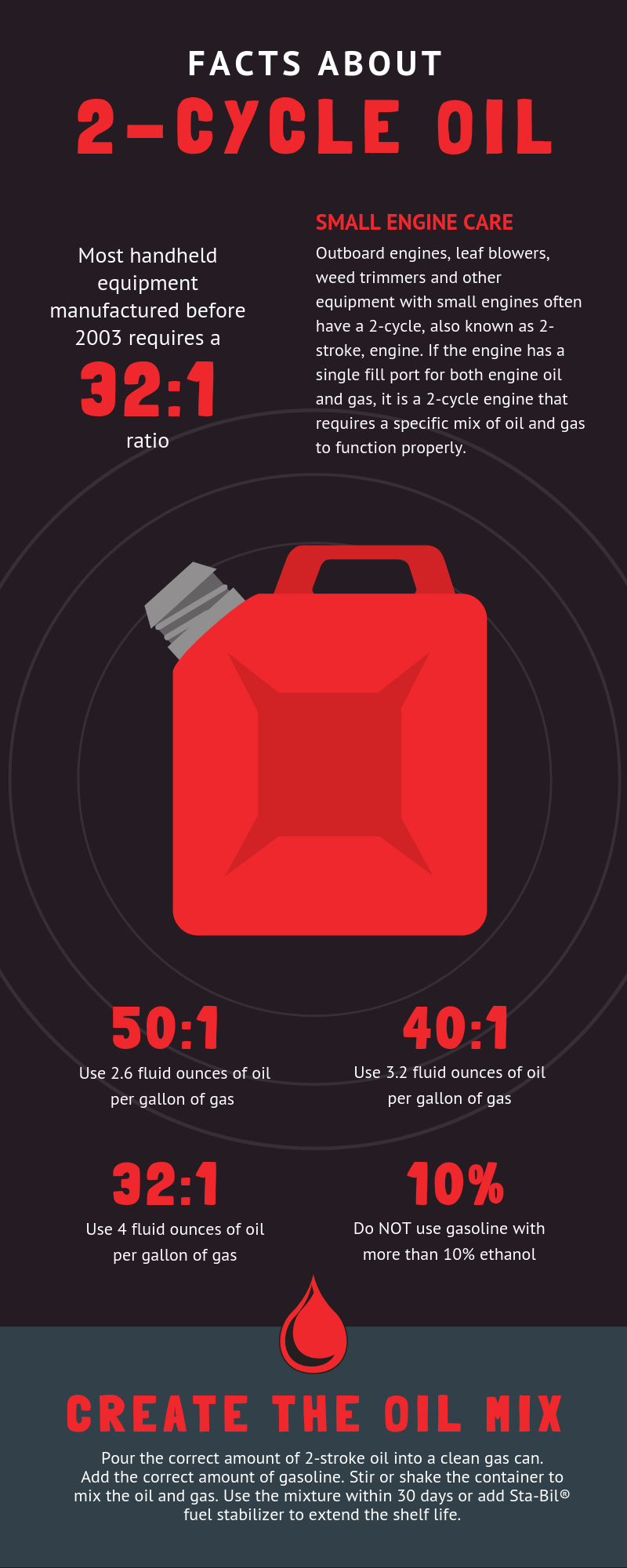
Most modern blowers use a 50:1 ratio. Some older engines call for 40:1 or 32:1. You will find the exact ratio in the user manual or on the fuel cap. If you do not have the book, check the maker’s site.
Too little oil can score the cylinder. It can seize the engine. Too much oil can smoke, foul plugs, and clog the spark screen. Getting the ratio right protects power, life, and your wallet. If you need a refresher on how to mix oil and gas for a leaf blower, this section sets the stage.

What you need before you mix
Set up your gear first. A calm prep makes clean fuel. Here is what I keep on hand when showing someone how to mix oil and gas for a leaf blower.
- Approved gas can with a tight cap
- Two cycle oil that meets JASO FD or ISO EGD
- Fresh unleaded gas, 87 or 89 octane or higher
- A mix bottle with marks, or a small measuring cup
- Fuel stabilizer if you store fuel more than 30 days
- Funnel and shop towel
- Marker and label for the can
A quick note on gas. Use gas with up to 10 percent ethanol. Skip E15 and E85. Fresh gas makes a big difference in small engines.
Step by step: how to mix oil and gas for a leaf blower
These steps work for any brand. I use the same flow for my own tools and crew cans.
- Confirm the ratio. Check the manual or the fuel cap. Most use 50:1.
- Start with a clean can. Make sure it is dry and labeled for two stroke mix.
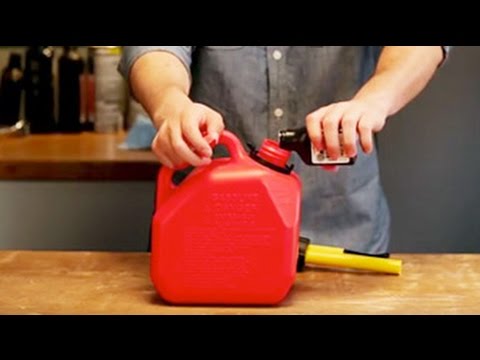
- Add oil first. Pour the right amount into the empty can.
- Add fresh gas. Fill to your target volume. The gas mixes the oil as it flows.
- Cap the can. Gently swirl for 10 to 15 seconds. Do not shake hard.
- Label the can. Write the ratio and the date. Example: 50:1, May 10.
- Fuel the blower. Wipe any drips. Store the can in a cool place.
If you wanted a simple process for how to mix oil and gas for a leaf blower, this is it. It is fast, clean, and repeatable.

Mix ratio quick chart and easy math
Use this cheat sheet when you need to scale up or down. It is based on common ratios from makers. It works for how to mix oil and gas for a leaf blower in any size can.
- 50:1 ratio
- 1 gallon gas needs 2.6 ounces oil
- 1 half gallon needs 1.3 ounces oil
- 1 liter gas needs 20 milliliters oil
- 40:1 ratio
- 1 gallon gas needs 3.2 ounces oil
- 1 half gallon needs 1.6 ounces oil
- 1 liter gas needs 25 milliliters oil
- 32:1 ratio
- 1 gallon gas needs 4.0 ounces oil
- 1 half gallon needs 2.0 ounces oil
- 1 liter gas needs 31 milliliters oil
Quick tip I use in the field. Many small oil bottles are 2.6 ounces. One bottle to one gallon gives you a 50:1 mix. That makes how to mix oil and gas for a leaf blower simple even on busy days.

Choosing the right oil and gas
Oil choice matters more than most people think. Use oil made for air cooled two stroke tools. Look for JASO FD or ISO EGD on the label. These specs point to clean burn and good wear control. Avoid car oil. It is not made for this job.
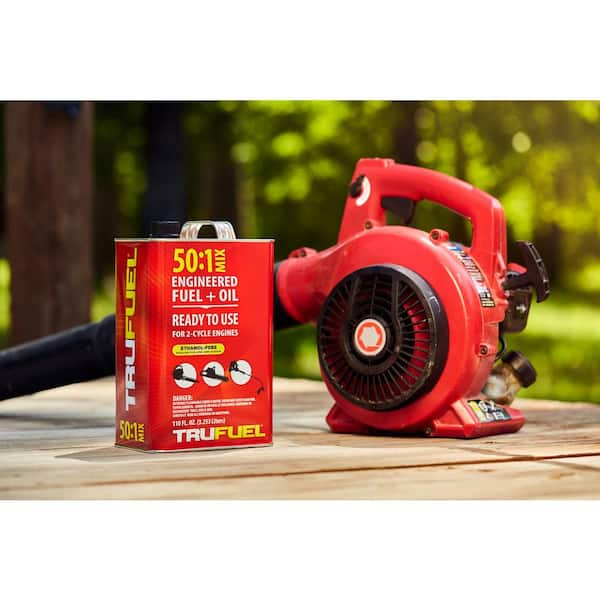
Pick fresh gas from a high turnover station. Use 87 or 89 octane or higher as your manual states. Keep ethanol at 10 percent or less. If you want a cleaner option, use canned fuel. It costs more but stores well and runs clean.
If you care about how to mix oil and gas for a leaf blower that lasts, start with the right liquids.
Storage, shelf life, and seasonal care
Mixed fuel does not last forever. Plan small batches. That keeps your blower happy.
- Make only 30 days of fuel at a time
- Add stabilizer if you need longer storage
- Keep cans cool, dry, and out of sun
- Seal caps tight to slow down oxidation
- Use a clean funnel to avoid dirt in the tank
Before winter or a long break, you have two choices. Run the blower dry. Or add fresh stabilized mix, run for a few minutes, and store. Either way works. Choose one and stay consistent.
These habits support how to mix oil and gas for a leaf blower with fewer clogs and fewer hard starts in spring.
Signs your mix is off and how to fix it
I have seen every mix mistake in the book. The engine will tell you what is wrong if you listen.
- Too much oil
- Heavy smoke, oily drip from the muffler, rough idle
- Fix: Drain tank, refill with the correct mix, replace a fouled plug
- Too little oil
- High idle, loss of power, hot smell, metallic rasp
- Fix: Stop at once, let it cool, drain, add correct mix, check compression if noise stays
- Old fuel
- Hard start, sputter, varnish smell
- Fix: Drain, add fresh mix with stabilizer, clean or replace the fuel filter
If you made a mistake while learning how to mix oil and gas for a leaf blower, do not panic. Correct the fuel, then check the plug and spark screen. Most issues clear fast.
Pro tips from the field
These small tricks save time and tools. They come from many seasons of yard work and crew management.
- Color code your cans. Red for 50:1. Blue for 40:1.
- Use a mix bottle with ratio marks. It makes fast, exact pours.
- Write the ratio on the blower tank with a paint pen.
- Pre measure oil for travel days. Then you only add gas.
- Keep a spare plug and a tiny wire brush in your bag.
- When in doubt, read the manual. Makers update their specs.
If you train a team or help neighbors, teach how to mix oil and gas for a leaf blower the same way every time. A standard keeps engines safe and saves money.

Frequently Asked Questions of how to mix oil and gas for a leaf blower
What is the best ratio for my blower?
Most newer models use 50:1. Check your manual or fuel cap to be sure.
Can I use regular car oil in the mix?
No. Use two cycle oil for air cooled engines. Car oil can damage the engine.
Is premium gas better for small engines?
Use the octane your manual calls for, often 87 or 89. Fresh fuel matters more than premium.
How long does mixed fuel last?
About 30 days without stabilizer. With stabilizer, many products protect for several months.
What happens if I run straight gas by mistake?
Stop right away. Drain the tank, add the correct mix, and check for noise or heat damage.
Can I store mixed fuel over winter?
It is better to make a fresh batch in spring. If you must store, add stabilizer and seal the can.
Are canned fuels worth it?
Yes, if you use the blower now and then. They cost more but store longer and burn cleaner.
Conclusion
You now know how to mix oil and gas for a leaf blower with confidence. Pick the right ratio, measure well, and keep fuel fresh. These simple habits protect your engine and keep power strong.
Put this guide to work today. Mix a small batch, label it, and run your blower. If you found this helpful, share it, subscribe for more simple tool tips, or drop a comment with your mix setup.


