Yes—Ryobi lawn mowers are good for most yards, offering strong value and ease.
If you’ve been wondering are ryobi lawn mowers good, you’re in the right place. I test and tune battery mowers for a living, and I’ve used multiple Ryobi models on thick Southern grass and cool-season lawns. In this guide, I’ll break down real performance, costs, and trade-offs so you can decide with confidence.
Are Ryobi lawn mowers good? My hands-on verdict
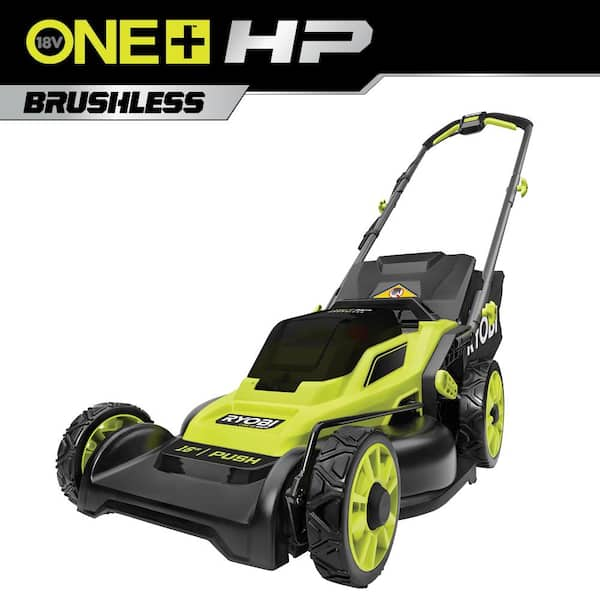
Short answer: yes, for most small to mid-size lawns. Ryobi battery mowers hit a sweet spot of price, power, and ease of use. They start fast, run quiet, and are simple to store. The 40V HP Brushless line offers the best mix of punch and runtime for most homes. The 80V line is for bigger yards or tougher grass. The 18V One+ line is fine for tiny lawns.
Are ryobi lawn mowers good for thick grass? They do well if you pick the right model. On dense St. Augustine, my 40V HP Brushless 21-inch self-propelled handled weekly cuts without drama. On overgrown patches, I had to slow down. If you mow on time, it’s smooth sailing.
Here’s where they shine:
- Easy, push-button start and light upkeep
- Quiet operation and no fumes
- A large tool ecosystem sharing the same batteries
- Strong value versus higher-priced brands
Here’s what to weigh:
- Not the most raw power in wet or very tall grass
- Runtime depends on battery size and cut height
- Some models have plastic decks, which can scuff but won’t rust
Are ryobi lawn mowers good if you want no-fuss mowing at a fair price? For most folks, yes.
Ryobi mower lineup at a glance
Ryobi’s catalog can feel big. Here’s a simple map.
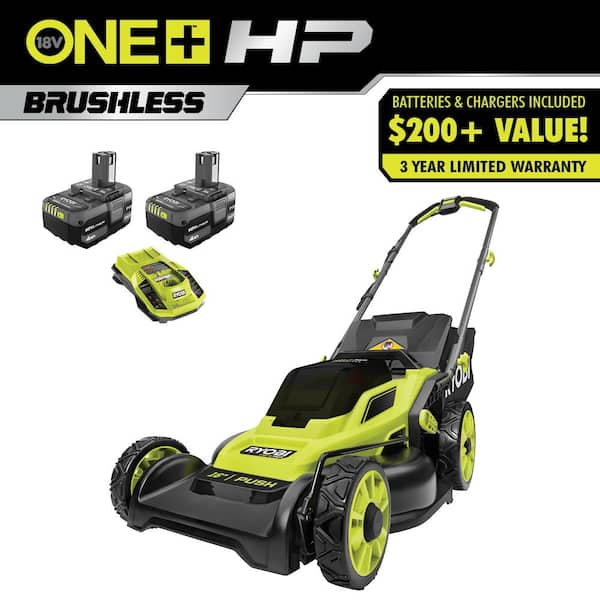
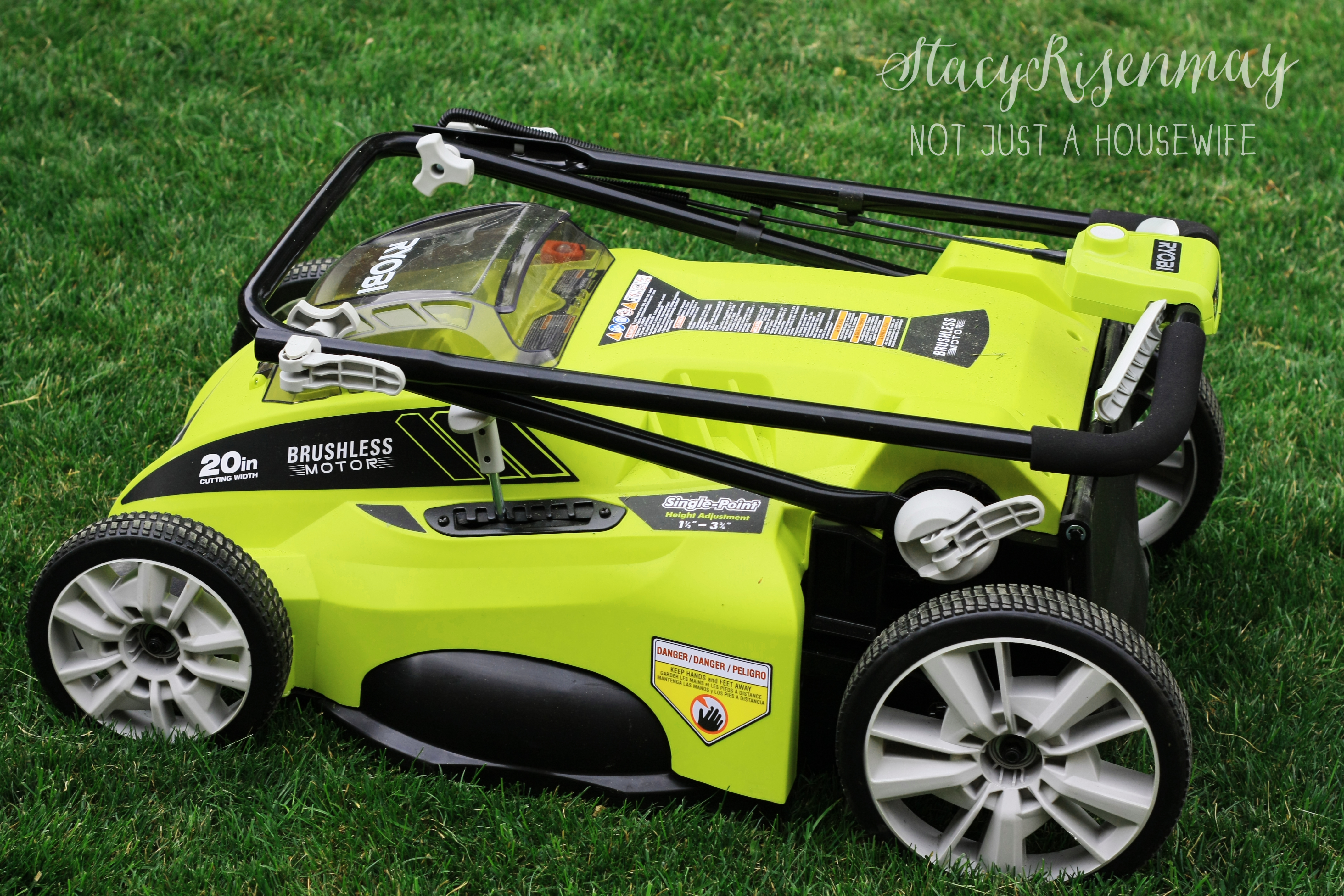
- 18V One+ mowers: Best for very small, flat yards. Light, compact, and budget-friendly. Good for townhomes or tight spaces.
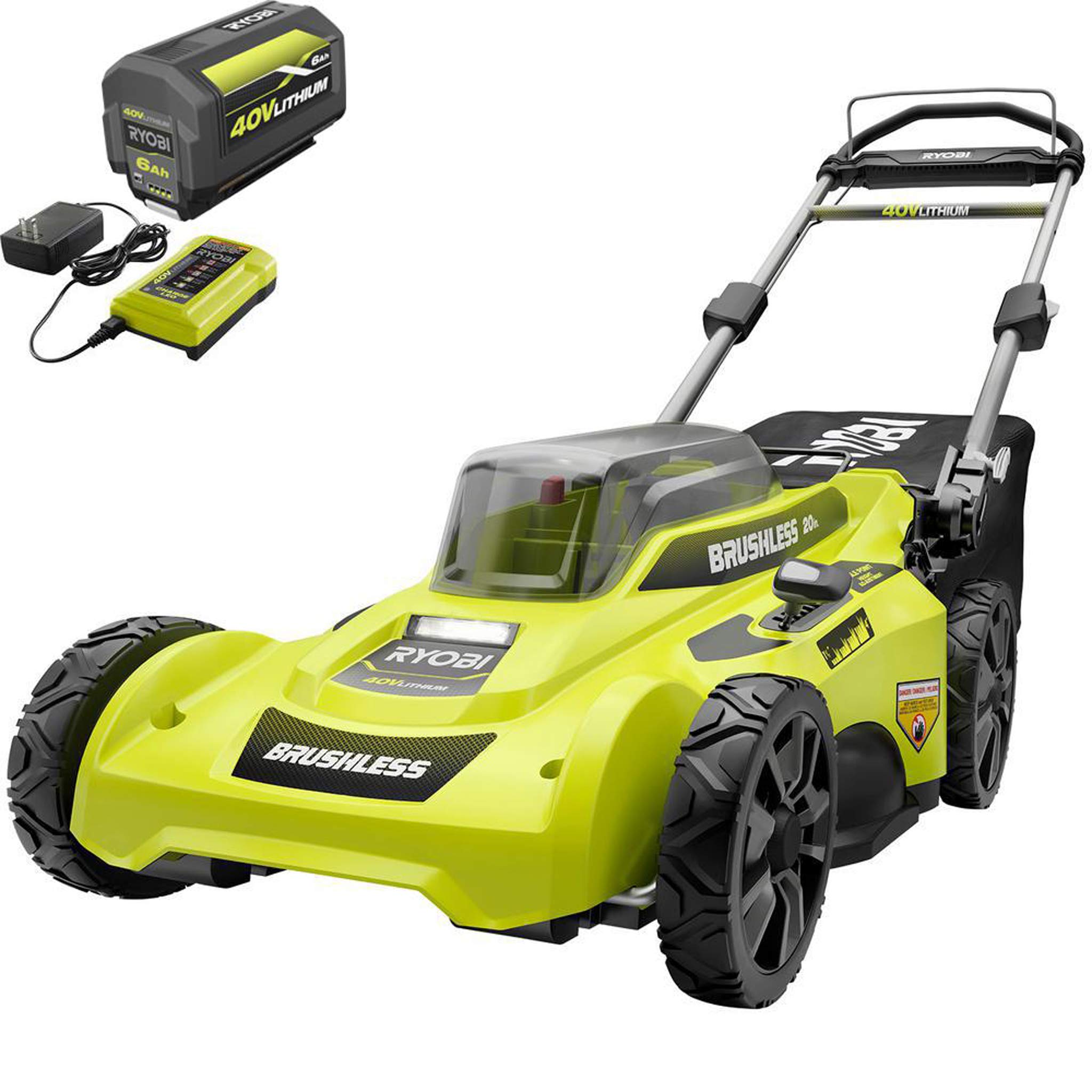
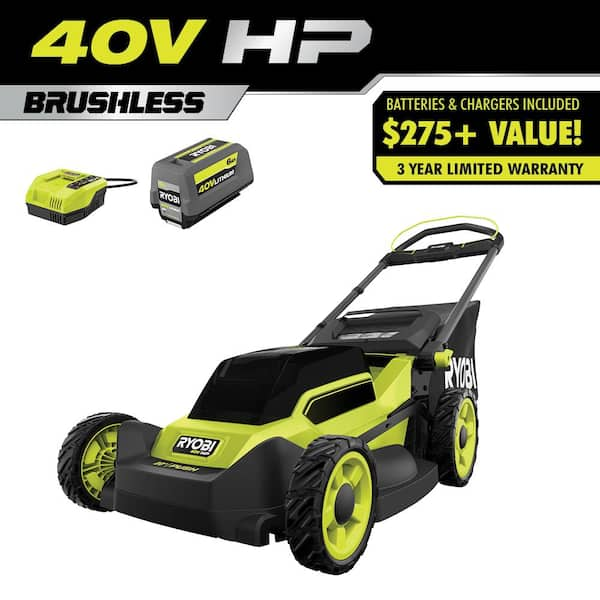
- 40V HP Brushless mowers: The sweet spot. Great for small to mid lawns. Solid power, better runtime, and many self-propelled options.
- 80V mowers: Built for larger yards or thicker turf. Strong torque, big decks, and high-capacity packs.
Common features you’ll see:
- Self-propelled drive with variable speed
- Mulch, bag, and side discharge options
- Brushless motors for better efficiency and life
- Single-point height adjustment
- Quiet tech and LED headlights
- Compact storage with vertical stowing
In my yard tests, the 21-inch 40V HP Brushless gave the best bang for the buck. It cut clean, packed the bag well, and stored upright in a tight garage bay. Are ryobi lawn mowers good across the whole lineup? Pick the right voltage and deck size, and you’ll be set.

Cutting performance, runtime, and noise
Cut quality
- The double-cut mulching blades leave a fine finish when the grass is dry.
- Edge-to-edge cut is even on flat lawns. On rough spots, slow down for the cleanest pass.
- For thick spring growth, raise the deck, do a first pass, then drop a notch for a finish pass.
Runtime
- My 40V 6.0Ah pack gave me about 40 to 50 minutes on dry, weekly growth with a 21-inch deck.
- Bagging uses more power than mulching. Expect 10 to 15 percent less runtime when bagging.
- Taller grass and lower deck height shorten runtime. Plan your pace.
Noise
- Most Ryobi battery mowers are in the 70 to 78 dBA range at the ear. That is far quieter than gas. You can listen to a podcast while mowing.
Are ryobi lawn mowers good for wet grass? Better than many corded units, but don’t push it. Wet clippings clump and drain battery fast. If you must mow wet, raise the deck and go slow.
Batteries, warranty, and overall value
Battery ecosystem
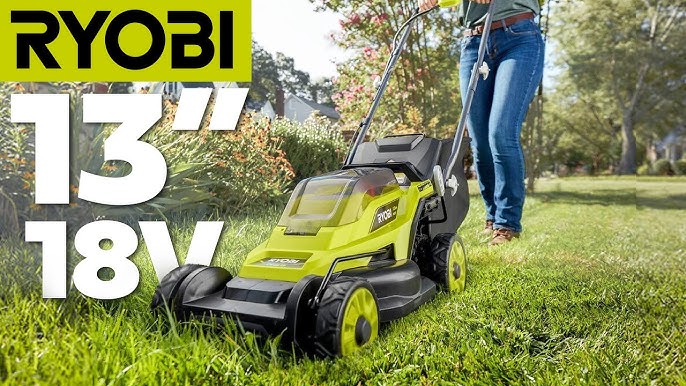
- 18V One+ batteries work with hundreds of tools. Handy if you also use drills or trimmers.
- 40V batteries power blowers, string trimmers, chainsaws, and more. It’s a great yard tool system.
- 80V packs are for bigger mowers and high-demand tools.
Warranty and support
- Typical coverage: up to 5 years on many mower tools and around 3 years on batteries, depending on the line and region.
- Parts and service are easy to access through major retailers with strong return windows.
Value versus rivals
- Ego often wins on peak power. Toro can feel more premium. Greenworks is close on performance. But Ryobi often costs less and has a broader DIY ecosystem.
- Are ryobi lawn mowers good if you want the best value? For most homeowners, yes.
Pro tip from the field: Buy an extra battery if your lawn takes more than 35 minutes. Swap and keep moving without stress.

Common issues and fixes
Most problems are easy to prevent.
- Short runtime: Sharpen the blade, mow dry, raise the deck one notch, and keep batteries cool between uses.
- Bogging in thick grass: Use high-lift or fresh mulching blades. Take a narrower overlap. Slow your pace.
- Self-propelled drag or surge: Check wheel height is even. Clean grass buildup around the wheels and belt cover. Adjust cable tension if your model allows.
- Won’t start: Ensure the safety key is seated, handles are fully locked, and battery rails are clean. Try a second battery to rule out a pack issue.
- Uneven cut lines: Level the deck by checking wheel settings. Replace a nicked or bent blade.
Are ryobi lawn mowers good long term? Yes, if you do simple care. Clean the deck after each mow, charge packs at room temp, and sharpen blades every 20 to 25 hours.
Who should buy one, and who should skip
Buy a Ryobi mower if:
- Your yard is up to about 12,000 square feet with weekly cuts
- You want quiet, easy starts, and low upkeep
- You already own 18V or 40V Ryobi tools
- You want strong value without top-shelf prices
Consider another brand or Ryobi 80V if:
- You mow very thick, tall grass often
- Your lawn is more than 12,000 to 15,000 square feet
- You need max power and will pay extra for it
Are ryobi lawn mowers good for first-time owners? Absolutely. The learning curve is tiny. Are ryobi lawn mowers good if you hate maintenance? Yes. There’s no oil, plugs, or fumes to deal with.
Cost of ownership and savings
Upfront cost
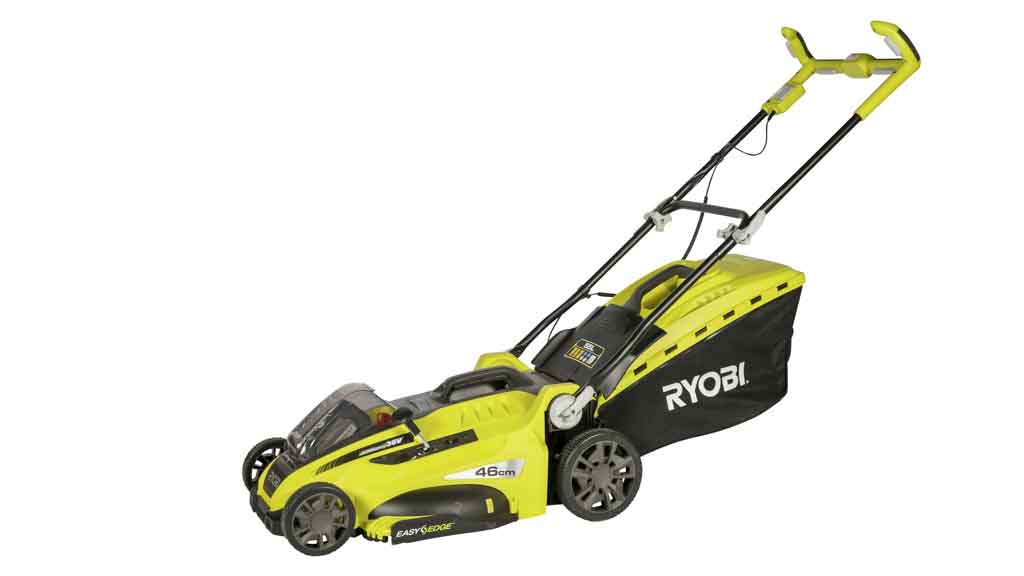
- 18V kits start low. 40V HP kits sit midrange. 80V kits cost more but cover big yards.
Running costs
- Electricity is cheap. A typical mow may use about 0.3 to 0.6 kWh. At $0.15 per kWh, that’s roughly 5 to 9 cents per mow.
- Gas mowers can burn about half a gallon per hour. At $3.50 per gallon, that adds up fast over a season.
Battery lifespan
- Expect 3 to 5 years for well-cared-for packs. Keep them cool and avoid deep drains.
- Many owners buy one extra battery rather than a bigger mower. It’s flexible and spreads cost.
Are ryobi lawn mowers good if you want to cut long-term costs? Yes. Lower fuel costs and fewer parts offset the battery price over time.
Safety, storage, and sustainability
Safety
- Instant blade stop when you release the handle is great around kids and pets.
- Always remove the safety key and battery when cleaning the deck or swapping blades.
Storage
- Many models fold and lock upright. This saves a lot of garage space.
- Store batteries indoors at moderate temps for the best life.
Sustainability
- Zero direct emissions at the lawn. Less noise pollution. Waste less oil and gas.
- Recycle batteries at the end of life through approved drop-offs.
Are ryobi lawn mowers good for a cleaner yard routine? Yes. Quiet cuts, no fumes, and compact storage make life easier.

Frequently Asked Questions of are ryobi lawn mowers good
Are Ryobi lawn mowers powerful enough for thick grass?
Yes, with the right model. The 40V HP Brushless and 80V units handle thick turf better than the 18V line.
How long do Ryobi mower batteries last per charge?
Most users see 30 to 60 minutes, based on deck size, grass height, and bagging. Bigger Ah packs run longer.
Do Ryobi mowers cut well when mulching?
Yes, especially with sharp blades and dry grass. Double-cut designs leave fine clippings that feed the soil.
Are Ryobi mowers hard to maintain?
Not at all. Keep the deck clean, sharpen the blade, and charge batteries at room temperature.
Are Ryobi mowers better than gas?
They’re quieter, cleaner, and easier to start. Gas can have more peak power, but most homeowners won’t miss it for weekly cuts.
Are ryobi lawn mowers good for small yards?
Yes. The 18V and compact 40V models are light, quick, and easy to store.
Are ryobi lawn mowers good compared to Ego or Greenworks?
They offer strong value and a larger tool ecosystem. Ego may edge out on raw power, but Ryobi wins on price and breadth.
Conclusion
Ryobi mowers deliver what most homeowners need: easy starts, clean cuts, quiet runs, and real value. If you mow weekly and choose the right voltage for your yard size, they’re an excellent pick. The 40V HP Brushless line is the sweet spot, while 80V is there if you need more muscle.
Ready to decide? Match your lawn size to the right Ryobi, grab a spare battery if needed, and enjoy simple, stress-free mowing. Have a question or a story to share? Drop a comment and let’s compare notes.