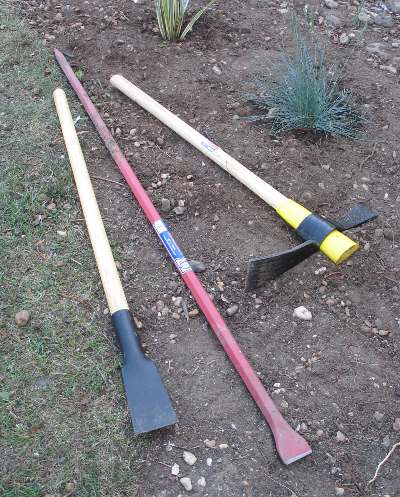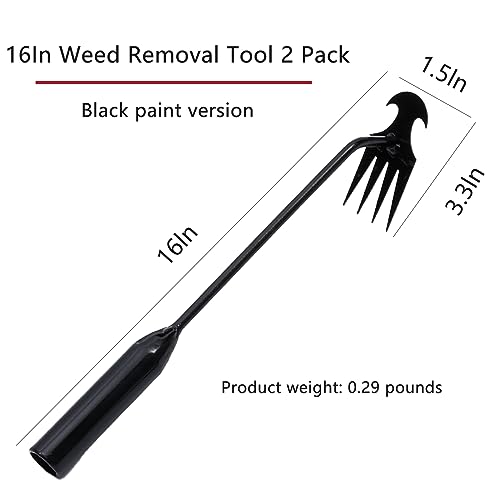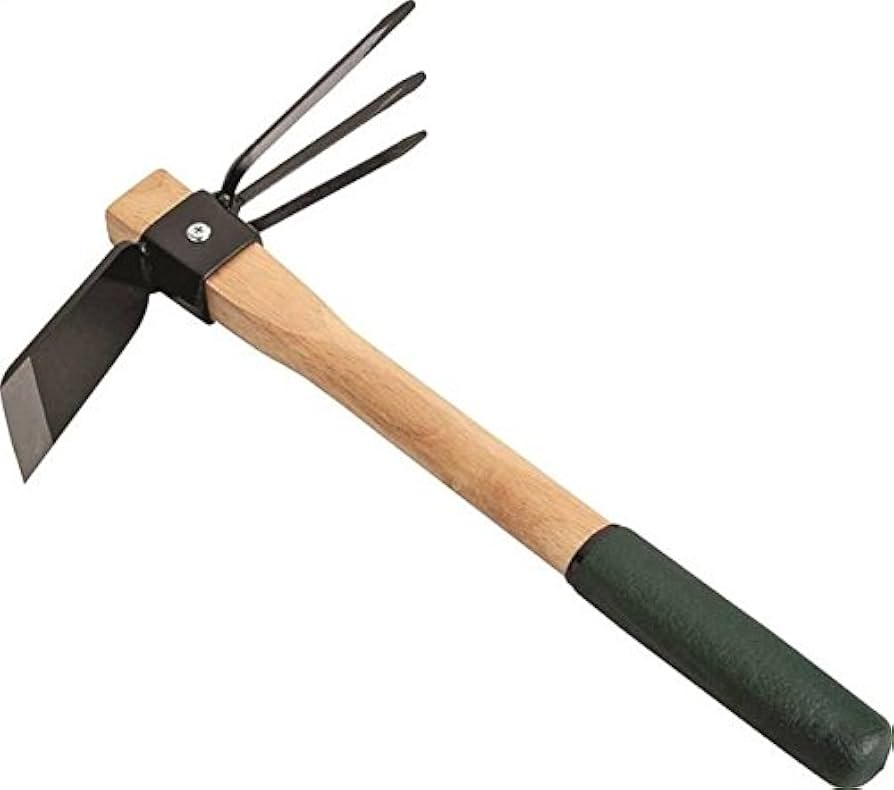
Digging hand tools are compact, durable tools for cutting, lifting, and moving soil.
If you work in soil, the right digging hand tools matter. I have used these tools in landscaping, trails, and tight job sites. In this guide, I explain how to choose, use, and care for digging hand tools with skill and care.
What Are Digging Hand Tools?
Digging hand tools are human-powered tools for soil work. They shape beds, plant bulbs, set posts, and trench lines. They also cut roots and break hard ground.
Many jobs do not need machines. Hand tools fit tight spots and fragile sites. They offer control, speed, and low cost.
Good tools last for years. Look for strong steel and stable handles. Fit and weight matter as much as strength.
Key Types of Digging Hand Tools
Shovels and spades
Shovels move soil. Their blades are curved and deep. They excel at scooping and lifting.
Spades cut edges and slice sod. Their blades are flat and sharp. They make clean lines and square holes.
Round-point shovels are good for general digging. Square shovels are good for cleanup. A garden spade is a precision cutter.
Trowels
Trowels handle small holes. Use them for seedlings and bulbs. They also weed in tight spots.
A narrow trowel slips into dense beds. A wide trowel moves more soil fast. Stainless steel resists rust well.
Hand forks and cultivators
Hand forks loosen topsoil. They break crust and mix amendments. They also lift small roots.
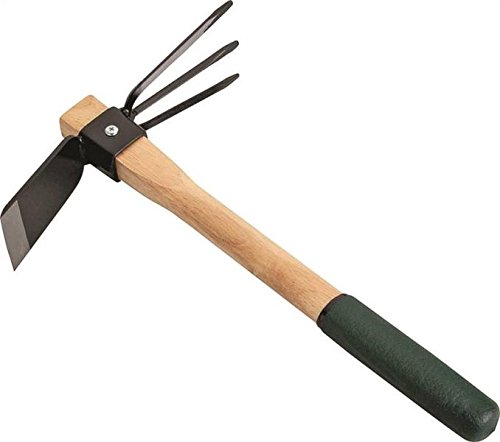
Three-tine cultivators pull weeds between plants. They scratch soil for seed beds. Use short strokes for control.
Hoes
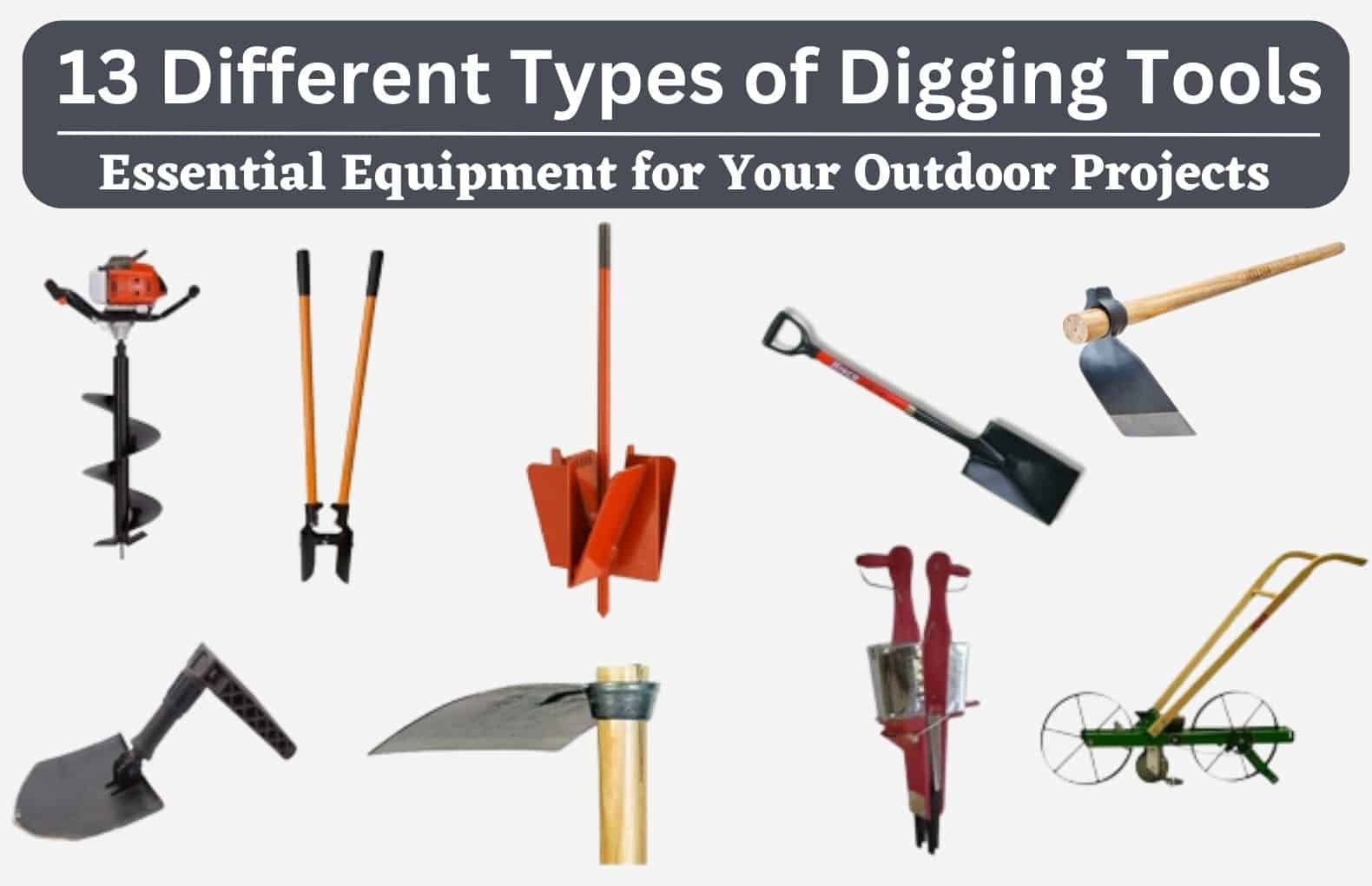
Hoes chop and grade soil. A draw hoe pulls soil toward you. A stirrup hoe slices weeds at the crown.
A warren hoe makes furrows. A Dutch hoe glides under the surface. Pick the hoe for your soil and weeds.
Post hole diggers and manual augers
Clamshell diggers make deep, narrow holes. They grip and lift soil cleanly. Use them for posts and stakes.
Manual augers drill in a spiral. They work well in sand and loam. Avoid big rocks with augers.
Mattocks and pickaxes
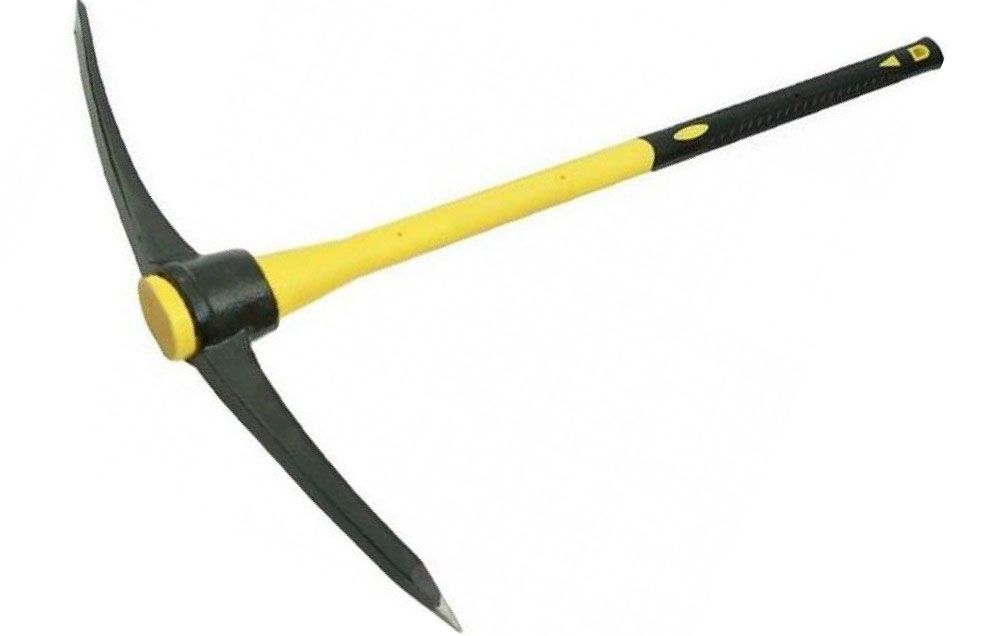
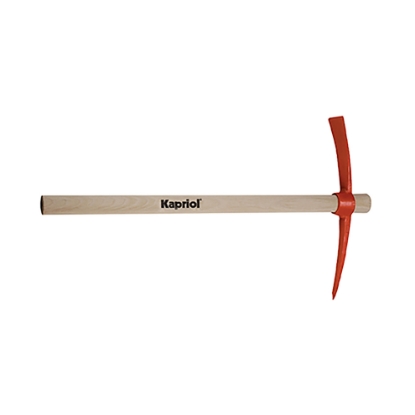
Mattocks break hard ground. One end is a blade. The other end is a pick.
A cutter mattock slices roots and clay. A pick mattock bites into rock and gravel. Use short swings and firm footing.
Bulb planters and soil knives
Bulb planters set depth and spacing. They keep your hands clean and quick. They are great for mass planting.
A soil knife does many jobs. It cuts roots, opens bags, and weeds cracks. Look for a serrated edge and depth marks.
Root saws and weed pullers
Root saws slip in tight spots. They cut cleanly with less force. Use them where pruning saws are too big.
Weed pullers grip taproots at the crown. They remove the whole root. This limits regrowth.
Trenching shovels and drain spades
Trenching shovels make narrow cuts. They shape clean walls. Drain spades are long and slim for depth.
These tools fit cable lines and drip hose runs. They reduce extra soil removal. They also ease backfill work.

How to Choose the Right Tool
Start with soil type. Sand needs scoop and volume. Clay needs bite and leverage.
Match the task to the blade. Digging needs round points. Edging needs flat spades.
Check handle length and shape. Long handles add leverage. Short handles add control in beds.
Pick the right material. Carbon steel is tough and easy to sharpen. Stainless steel resists rust but can be slick in clay.
Weigh the tool in your hands. A light tool reduces strain. A heavy tool drives deeper cuts.
Test grip and balance. A D-handle offers control. A straight handle gives reach.
Look for solid ferrules and tight rivets. Flex in the joint leads to failure. Wood, fiberglass, and steel each have trade-offs.
From my crew work, I favor ash or hickory handles. They flex and warn before failure. Fiberglass is great in wet sites.

Proper Technique: Dig Faster, With Less Strain
Good form saves your back and time. Keep your core tight. Let your legs do the work.
Pre-wet dry soil if allowed. Moist soil cuts easier. Avoid digging in sticky mud.
Use these steps to dig a clean hole:
- Mark the outline with a spade tip or chalk.
- Score the perimeter with shallow cuts.
- Step on the shovel ledge with your full foot.
- Rock the handle to pry, do not yank.
- Lift small loads and toss near the hole.
- Square up sides with a spade.
- Pile topsoil and subsoil in separate stacks.
To cut roots:
- Use a spade to expose the root.
- Slice with a soil knife or root saw.
- Pry only after a clean cut.
Use a mattock for hardpan:
- Swing short and true.
- Break, then shovel, then break again.
- Work in layers to avoid fatigue.

Maintenance and Sharpening
Clean tools after each use. Knock off soil with a brush. Dry blades to stop rust.
Oil metal with light oil. Wipe handles with linseed oil. Store in a dry rack.
Sharpen edges as needed. Use a mill file on shovels and spades. Keep a 30 to 45 degree edge.
Clamp the blade before filing. Stroke in one direction. Remove burrs and test on scrap wood.
Fix rust early. Use a wire brush or sandpaper. Coat with oil after.
Check fasteners and ferrules. Tighten loose screws. Replace cracked handles at once.

Safety Essentials for Digging Hand Tools
Wear gloves with grip. Wear boots with toe protection. Eye protection stops chips.
Call locator services before you dig. In the U.S., dial 811. Mark utilities and keep safe distances.
Warm up your back and legs. Lift with your legs, not your spine. Take breaks on a set schedule.
Keep the work area tidy. Do not leave tools on paths. Stand clear of swing zones.
Check weather and soil. Wet clay is heavy and slick. Frozen ground needs picks and care.
Field Notes: Lessons From the Jobsite
On trail projects, light shovels beat fatigue. We moved faster with many small scoops. Big loads slowed everyone down.
In clay, I pre-cut with a spade. Then I pried with a trenching shovel. This saved my wrists and time.
I learned to stage tools by task. Digging hand tools work best in pairs. One cuts, one moves, one grades.
Avoid dull blades. Dull tools make you push harder. Sharp edges are safer and cleaner.
Buying Guide and Trusted Brands
Start with a clear use case. List your top three tasks. Choose one tool per role.
Look for these quality signs:
- Forged or heat-treated steel blades.
- Full-tang or through-rivet joints.
- Smooth, straight handles without knots.
- Secure, snug ferrules without play.
Helpful features include:
- D-handles for trenching and control.
- Non-slip grips for wet work.
- Step plates with good width for boots.
- Replaceable handles and parts.
Price ranges vary by build. Entry tools are budget friendly. Pro tools cost more but last longer.
Well-known makers offer solid support. Warranties matter for daily use. Buy once, cry once is true here.
Sustainable Choices and Ergonomics
Pick tools you can repair. Replace handles, not whole tools. This reduces waste and cost.
Choose FSC wood when possible. Store tools dry to extend life. A little care prevents rust and rot.
Ergonomic grips reduce strain. Curved handles help neutral wrists. Balanced tools cut effort and fatigue.
Use the right tool for the job. That saves soil structure and energy. It also improves your finish grade.
Troubleshooting Common Problems
Soil sticks to the blade:
- Spray with a light silicone.
- Wax the blade or use stainless steel.
- Knock soil off often.
Clay is too hard:
- Pre-wet if allowed.
- Score with a spade, then pry.
- Switch to a mattock for breaks.
Rocks stop your shovel:
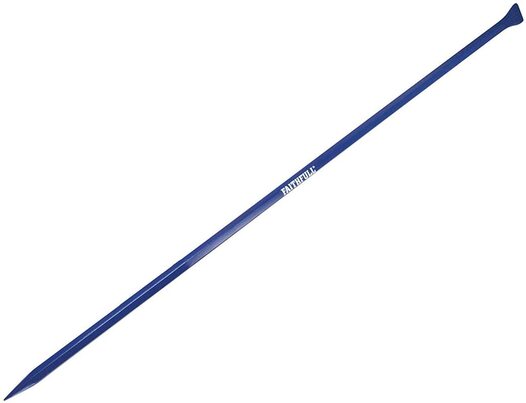
- Probe with a bar or knife.
- Remove rocks with a hand fork.
- Backfill and shift the hole if needed.
Roots slow progress:
- Expose and cut cleanly.
- Use a root saw, not brute force.
- Protect nearby trunks and lines.
Holes collapse:
- Cut walls at a slight angle.
- Work in lifts, not all at once.
- Shore with boards for deeper holes.
Frequently Asked Questions of digging hand tools
What are the most essential digging hand tools for beginners?
Start with a round-point shovel, a garden spade, and a trowel. Add a hand fork and a soil knife for more control.
How do I pick between a shovel and a spade?
Use a shovel to move soil. Use a spade to cut edges and shape holes.
Which handle material is best for heavy use?
Hickory and ash offer flex and feedback. Fiberglass resists rot and is great in wet sites.
How often should I sharpen digging tools?
Light touch-ups every few uses work well. Deep sharpening is needed when cuts feel slow or ragged.
Can digging hand tools replace power tools?
For small jobs, yes. They offer control and low cost, and they protect nearby roots and fixtures.
How do I reduce back strain while digging?
Keep your back straight and hinge at the hips. Use your legs, take small scoops, and switch tasks often.
What blade shape works best in clay soils?
A narrow, round-point blade bites better in clay. Pair it with a mattock for hard layers.
Are stainless steel blades worth it?
They resist rust and clean fast. They may feel slick in sticky soils, so match to your site.
How do I store tools to prevent rust?
Clean, dry, and oil blades. Hang tools off the floor in a dry space.
What size trowel is best for bulbs?
Use a deep, narrow trowel or a bulb planter. Depth marks help keep spacing even.
Conclusion
The right digging hand tools turn hard ground into clean, fast work. Choose for soil, task, and fit. Care for them, and they will serve for years.
Start small with a solid core kit. Practice good form and simple upkeep. Then expand as your projects grow.
Ready to upgrade your kit? Save this guide, share it with a friend, and tell me which tool you reach for first.