Tool For Digging Holes For Plants: Best Picks 2026
Use a hand trowel, bulb planter, garden auger, or post hole digger.
If you want faster planting with less strain, you need the right tool for digging holes for plants. I’ve spent years planting everything from tiny plugs to 15-gallon shrubs. In this guide, I’ll break down how each tool works, where it shines, and how to pick the best tool for digging holes for plants for your soil, your plants, and your budget.
What counts as a tool for digging holes for plants
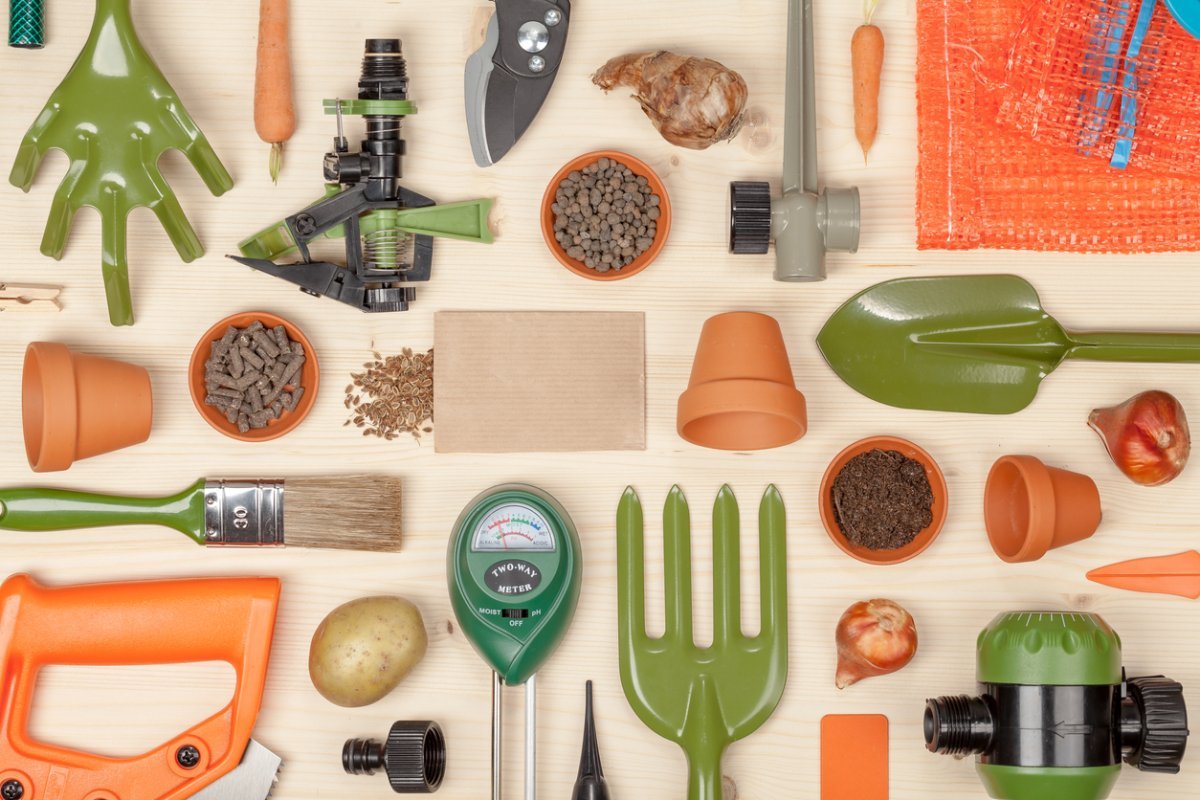
A tool for digging holes for plants is any hand or power device that makes a clean, right-sized planting hole. The most common tools are hand trowels, dibbers, bulb planters, spades, shovels, post hole diggers, and augers. Each tool suits a size range and soil type, and that match matters.
Think about three things before you choose a tool for digging holes for plants:
- Hole size and depth needed for the root mass
- Soil texture and moisture, from sandy to hard clay
- Your power source and stamina, from hand tools to drill or gas augers
On my landscape crew, matching tool to task cut our planting time in half. Big shrubs got a spade or power auger. Bulbs got a bulb planter. Seedlings got a narrow transplanter. That simple map improved results and saved our backs.
Choose the right tool for digging holes for plants by job and soil
Right tool, right job, right soil. That is the simple rule that keeps your planting smooth and fast.
For seedlings and small plugs
- Use a hand trowel, transplanter, or dibber.
- Go narrow and deep for strong root contact.
For bulbs and corms
- Use a bulb planter or a 2–3 inch manual auger.
- Make sure the tool creates smooth sides and a flat bottom.
For perennials and annuals in 4–6 inch pots
- A sturdy trowel, narrow spade, or 3–4 inch auger works well.
- Widen the hole to about twice the pot width.
For shrubs and small trees
- Use a full spade, trenching shovel, post hole digger, or 6–12 inch auger.
- Depth should match the root ball height; go wider, not deeper.
For rocky or hard clay soil
- Favor a digging bar, spade with a sharp edge, or a heavy-duty auger.
- Pre-soak the area the evening before to ease digging.
If your soil is sandy and loose, almost any tool for digging holes for plants will work. In heavy clay, use sharp steel and watch for smooth “glazed” sides that can block roots. Scarify the side walls with the tip of your tool before backfilling.
Deep dive: pros, cons, and best uses
Hand trowel
- Pros: Precise, cheap, great for small pots.
- Cons: Slow in hard soil; can strain wrists.
- Best for: Annuals, herbs, tight beds.
Transplanter trowel (narrow blade with depth marks)
- Pros: Fast, accurate depth; minimal soil disturbance.
- Cons: Narrow scoop; not good for wide holes.
- Best for: Seedlings, plugs, onion sets.
Dibber (dibble)
- Pros: Simple, fast hole starter.
- Cons: Not good for wide holes; weak in rocks.
- Best for: Small plugs, spacing grids.
Hori-hori knife
- Pros: Cuts roots, weeds, and sod; strong and versatile.
- Cons: Learning curve; watch your fingers.
- Best for: Mixed tasks in tight beds.
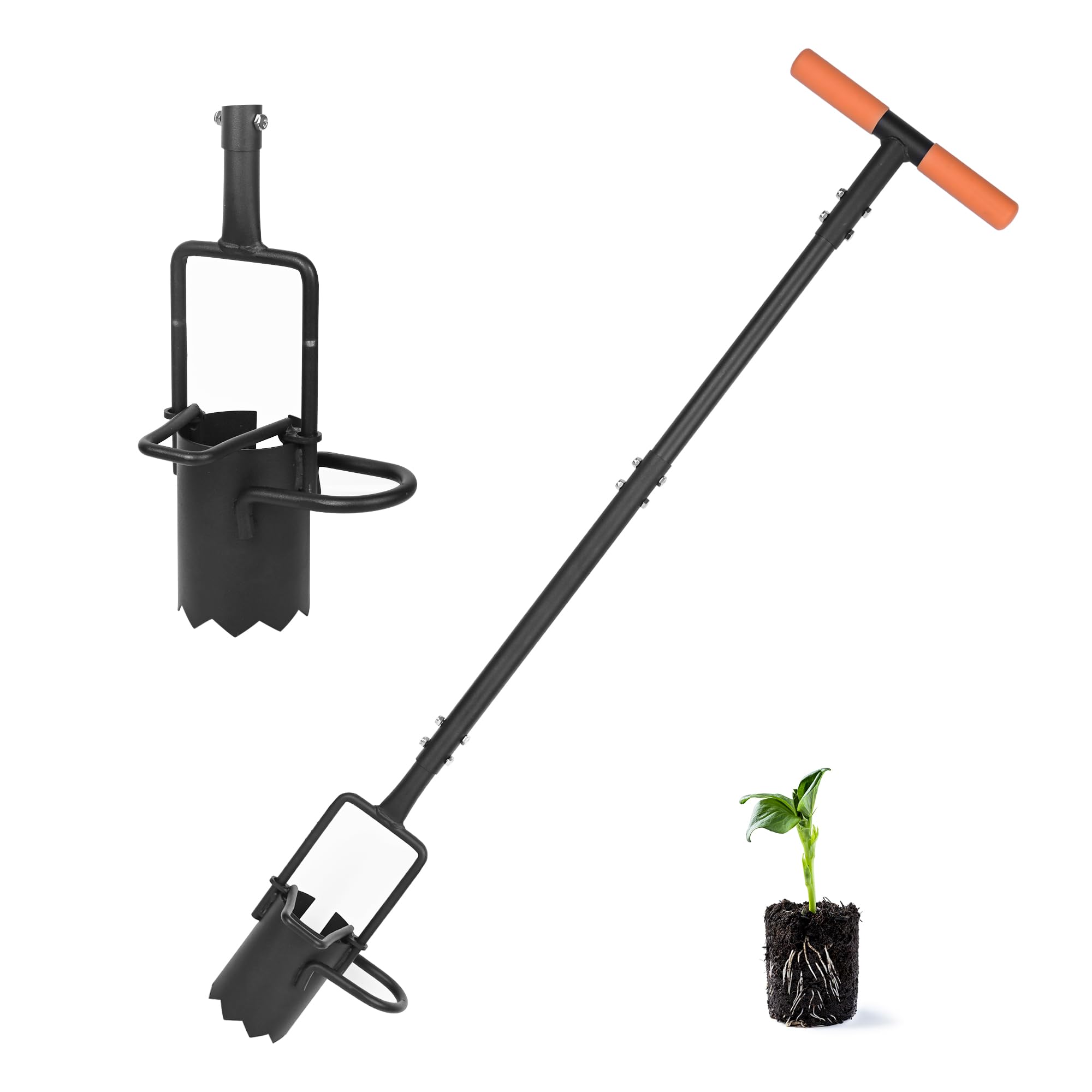
Bulb planter (hand or long-handle)
- Pros: Consistent depth; perfect for mass bulb planting.
- Cons: Struggles in stones and heavy clay.
- Best for: Tulips, daffodils, garlic.
Spade or digging shovel
- Pros: Versatile; handles sod, roots, and large holes.
- Cons: Heavy; needs more room to swing.
- Best for: Shrubs, small trees, trenching.
Post hole digger (clamshell)
- Pros: Deep, narrow holes; good in soft soils.
- Cons: Hard on shoulders; can glaze clay sides.
- Best for: Poles, stakes, deep tap-rooted shrubs.
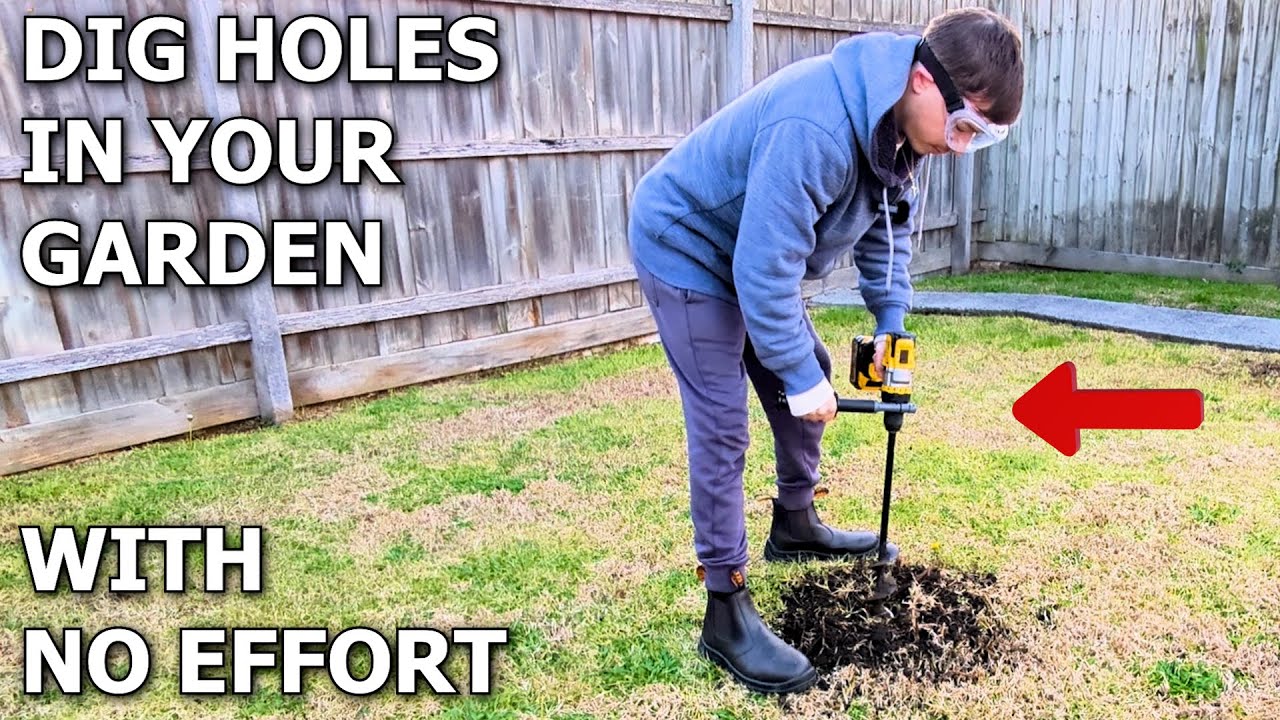
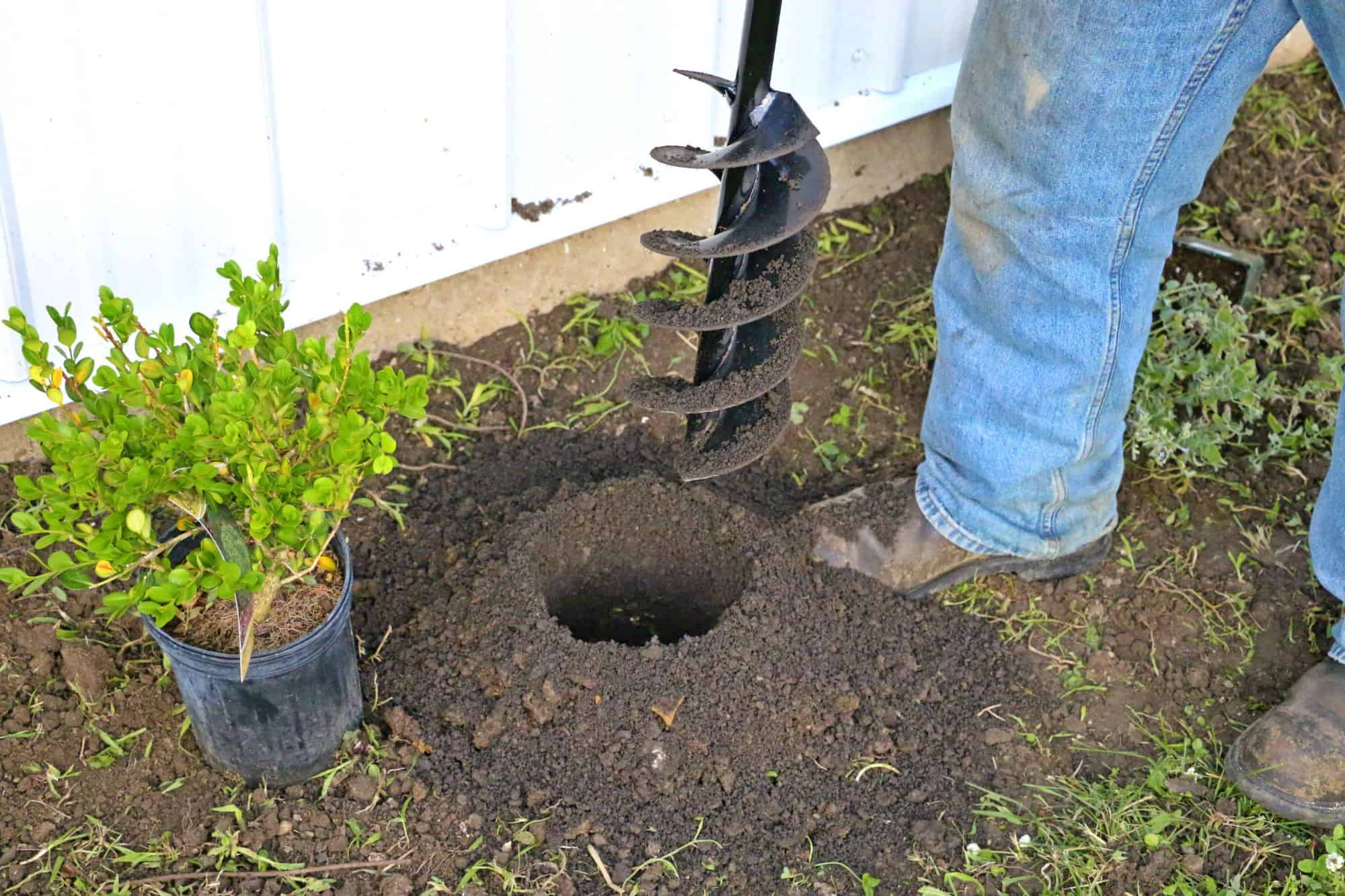
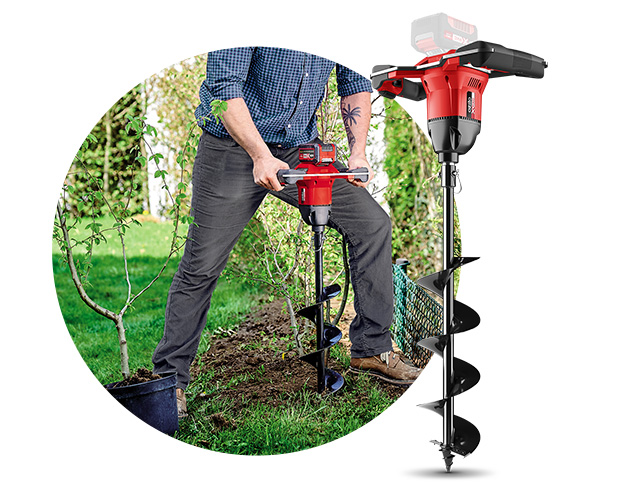
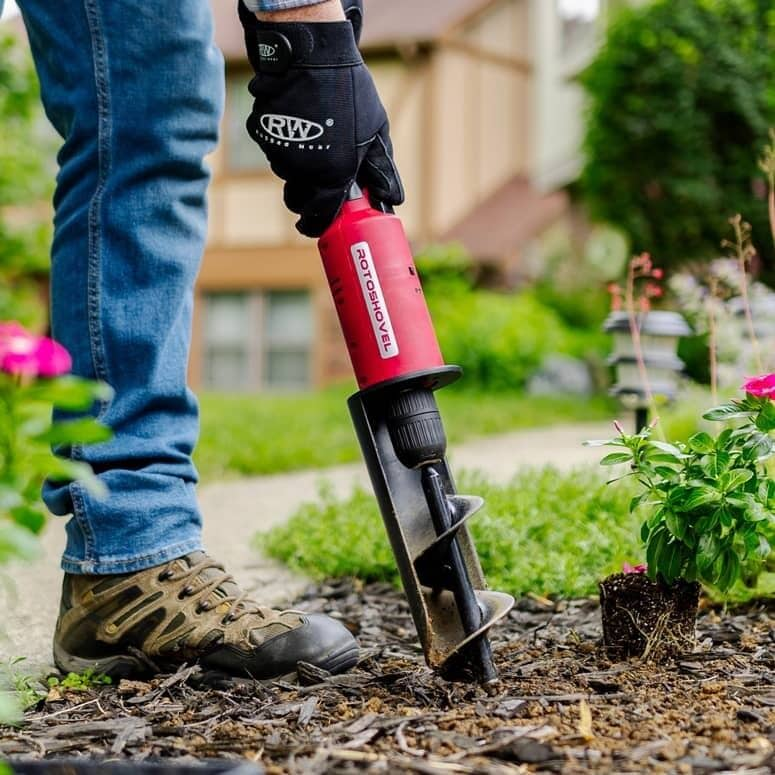
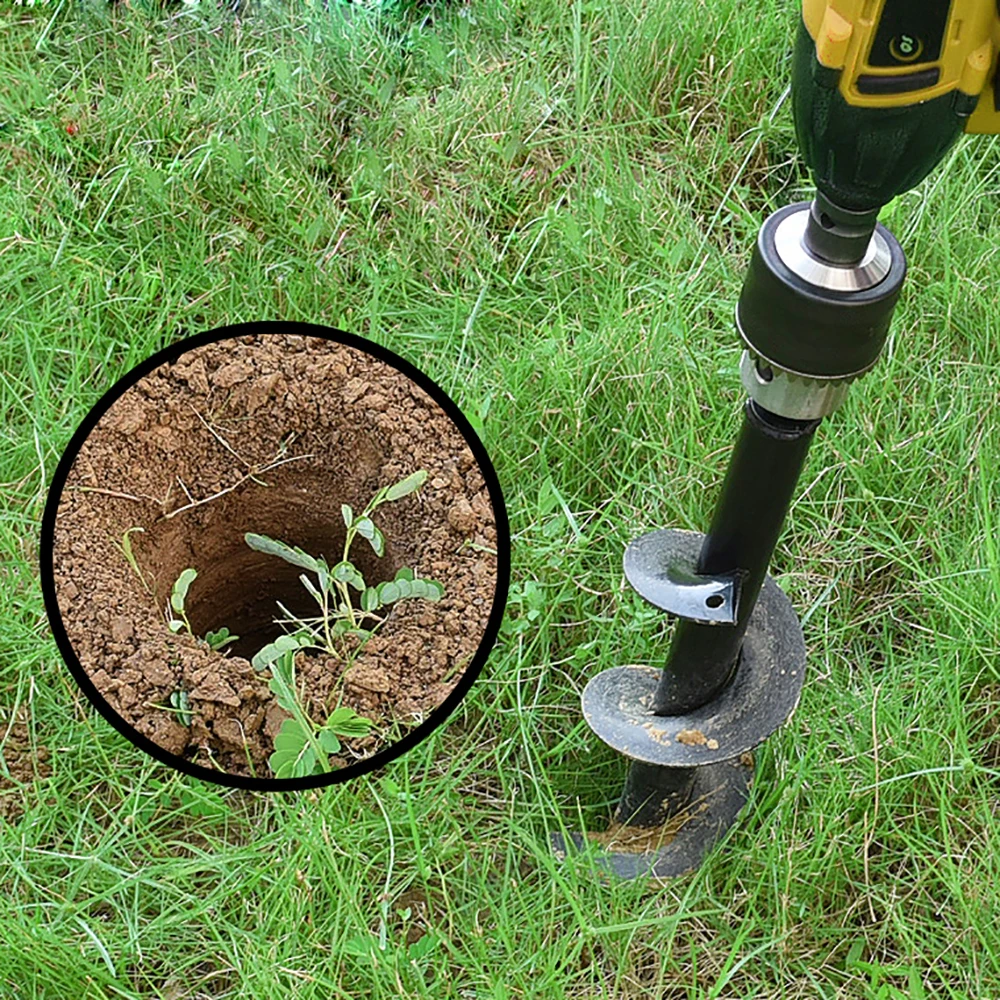
Manual auger (hand-crank or drill-powered)
- Pros: Very fast; consistent diameter; great for mass planting.
- Cons: Needs torque and control; struggles with big rocks.
- Best for: Bulbs, perennials, staking.
Power auger (gas or battery)
- Pros: Fastest for large holes; handles many shrubs or trees.
- Cons: Expensive; safety risk if it binds on roots or stones.
- Best for: Large jobs, contractors, clay with few rocks.
When I tested a 4 inch drill auger for a school garden, we finished 200 plant holes in under an hour. In the same soil, trowels took us most of a day. But we still used trowels to fix shape and depth near edges. The lesson: pair tools to cover each other’s gaps.

How to use each tool safely and efficiently
Follow these simple steps to cut effort and protect roots.
- Mark spacing first. Use a tape, stick, or your boot length.
- Pre-wet compacted soil a day before. Avoid digging in saturated mud.
- Cut sod cleanly with a spade or hori-hori before you dig.
- Size the hole. Match root ball height; go 2–3 times as wide.
- Break glaze. Roughen side walls with your tool tip in clay.
- Backfill with native soil. Do not over-amend the planting hole.
- Water in as you backfill. This removes air pockets.
- Mulch 2–3 inches deep, but keep mulch off the stem flare.
Safety notes:
- Wear gloves and eye protection with augers.
- Keep long hair and loose clothing away from spinning bits.
- Stop if the auger binds; reverse and clear the hole by hand.
Sizing guide: hole diameter and depth by plant type
Use these simple targets, based on common horticulture best practice. Always check the actual root mass and adjust on site.
- Seedlings and plugs: Hole just wider than plug. Depth to match plug height.
- 4 inch pots: 6–8 inch wide. Same depth as pot height.
- 1-gallon perennials: 10–12 inch wide. Same depth as pot height.
- Shrubs in 3–5 gallons: 18–24 inch wide. Same depth as root ball height.
- Bulbs: Depth 2–3 times the bulb’s height. Width to fit with room to backfill.
Depth is not a guess. Plant crowns and tree root flares at or slightly above grade. Many failures come from holes that are too deep, not too shallow.

Maintenance and care for your tools
A clean, sharp tool for digging holes for plants works faster and lasts longer.
- Rinse and brush off soil after use. Dry to avoid rust.
- Disinfect blades when moving between beds to reduce disease spread.
- Sharpen cutting edges a few times each season.
- Oil wooden handles and metal surfaces with light oil.
- Store tools off the ground. Hang them or use a rack.
- For augers, check the bit, pin, and gearbox. Charge or service motors on schedule.
Lab tests show that a sharp edge can cut digging force by a third. That is time and energy saved every time you plant.
Budget vs premium: what to buy first
Start with a small kit, then add power if you need speed.
Starter kit for most gardens:
- Hand trowel with a comfy grip
- Narrow transplanter with depth marks
- Hori-hori or a sharp spade
- Bulb planter if you plant lots of bulbs
Upgrade path:
- Add a 2–4 inch drill auger for bulbs and 4–6 inch pots.
- Rent a 6–8 inch power auger for big shrub days.
- Invest in ergonomic handles and lighter steel to cut strain.
A premium tool for digging holes for plants may cost more, but it saves time each weekend and reduces injury risk. Rent big gear first to test in your soil before you buy.
Troubleshooting: common mistakes to avoid
- Wrong tool for the soil: A bulb planter in rocky clay will jam. Use a spade or auger.
- Digging too deep: Planting below grade drowns roots. Match root height to soil level.
- Glazed sides in clay: Roots hit a wall. Roughen the hole sides with your tool tip.
- Over-amending the hole: Roots circle the “soft” zone. Use native soil for backfill.
- Skipping water-in: Air pockets kill roots. Water halfway, then top up and water again.
If your tool for digging holes for plants feels slow, the blade may be dull or the soil too dry. Sharpen or pre-wet. Small tweaks can double your speed.
Frequently Asked Questions of tool for digging holes for plants
What is the best tool for digging holes for plants in clay soil?
A sharp spade or a heavy-duty auger works best in clay. Pre-soak the area and roughen the side walls to prevent glazing.
How deep should I dig for bulbs?
Aim for a depth of two to three times the bulb’s height. Set the bulb upright on firm soil and backfill evenly.
Is a power auger worth it for home gardens?
If you plant many shrubs or install lots of bulbs, yes. For small beds, a hand trowel and a drill auger often cover most needs.
Can I use potting mix to backfill the planting hole?
Use native soil for backfill to prevent perched water tables. Add compost as a top-dress instead of mixing it into the hole.
What size auger should I buy for 1-gallon plants?
A 4–6 inch auger fits many 1-gallon pots. Always check the actual pot and go wider if roots need room to spread.
How do I avoid hitting roots or utilities with an auger?
Call your local utility mark-out service before deep digging. Probe by hand near trees and work slowly to avoid live roots.
Which handle style reduces strain during digging?
Long-handled tools reduce bending and give better leverage. Look for cushioned grips and lighter steel or fiberglass shafts.
Conclusion
The right tool for digging holes for plants turns hard labor into a smooth routine. Match tool to plant size and soil, keep edges sharp, and follow simple hole-sizing rules. You will plant faster, with better root contact and fewer failures.
Take a quick audit of your beds and make a small kit plan today. Start with a sharp trowel and spade, then add an auger if your project list is long. Ready to dig smarter? Subscribe for more hands-on garden guides and share your favorite tools in the comments.