Tool For Digging Post Holes: Top Picks And Tips 2026
The best tool for digging post holes is a post hole digger or auger.
I have set hundreds of posts in clay, loam, sand, and rocky ground. I know what works, what breaks, and what saves your back. In this guide, I break down every tool for digging post holes, how to pick the right one, and how to dig fast, clean holes that hold strong for years.

What is a tool for digging post holes?
A tool for digging post holes is any hand or power device that cuts a round, vertical hole in soil. The goal is a clean hole with the right depth and diameter. It should be fast, safe, and repeatable.
Common choices include clamshell post hole diggers, hand augers, and power augers. A digging bar, a sharpshooter shovel, and a tamping tool also help. The right tool for digging post holes depends on soil, hole size, and how many holes you need.
The best tool for digging post holes changes with your site. A small fence may need a manual digger. A big deck or farm line calls for an auger. Choose the tool for digging post holes that fits your ground and your body.
Types of tools for digging post holes
Picking the right tool for digging post holes starts with knowing your options.
Manual tools
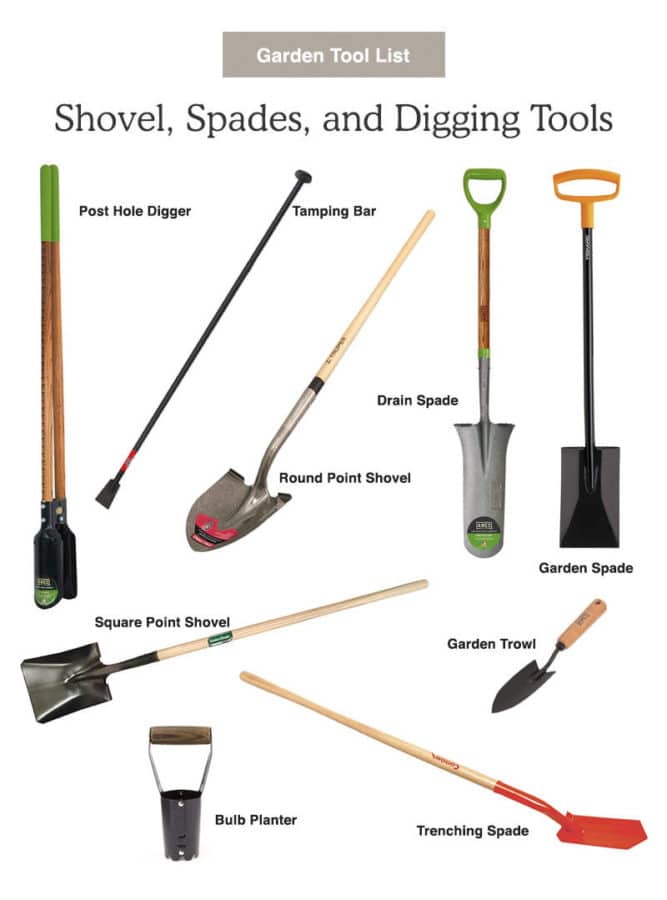
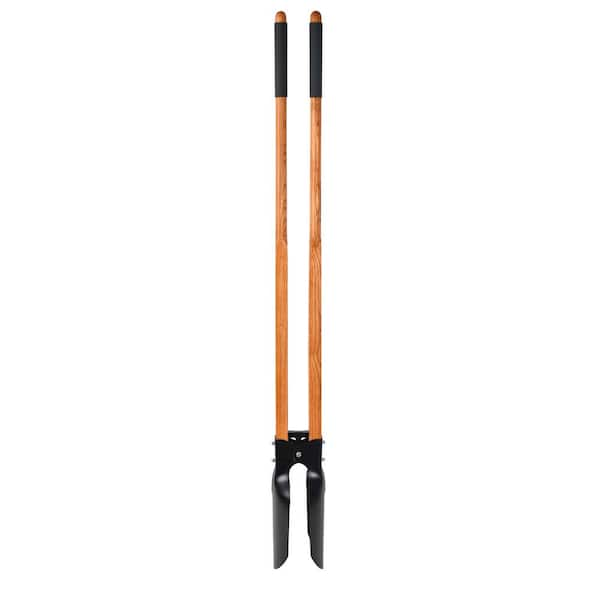
- Clamshell post hole digger. Two scoops bite soil when you pull the handles. Great for tight spots and for cleaning sidewalls.
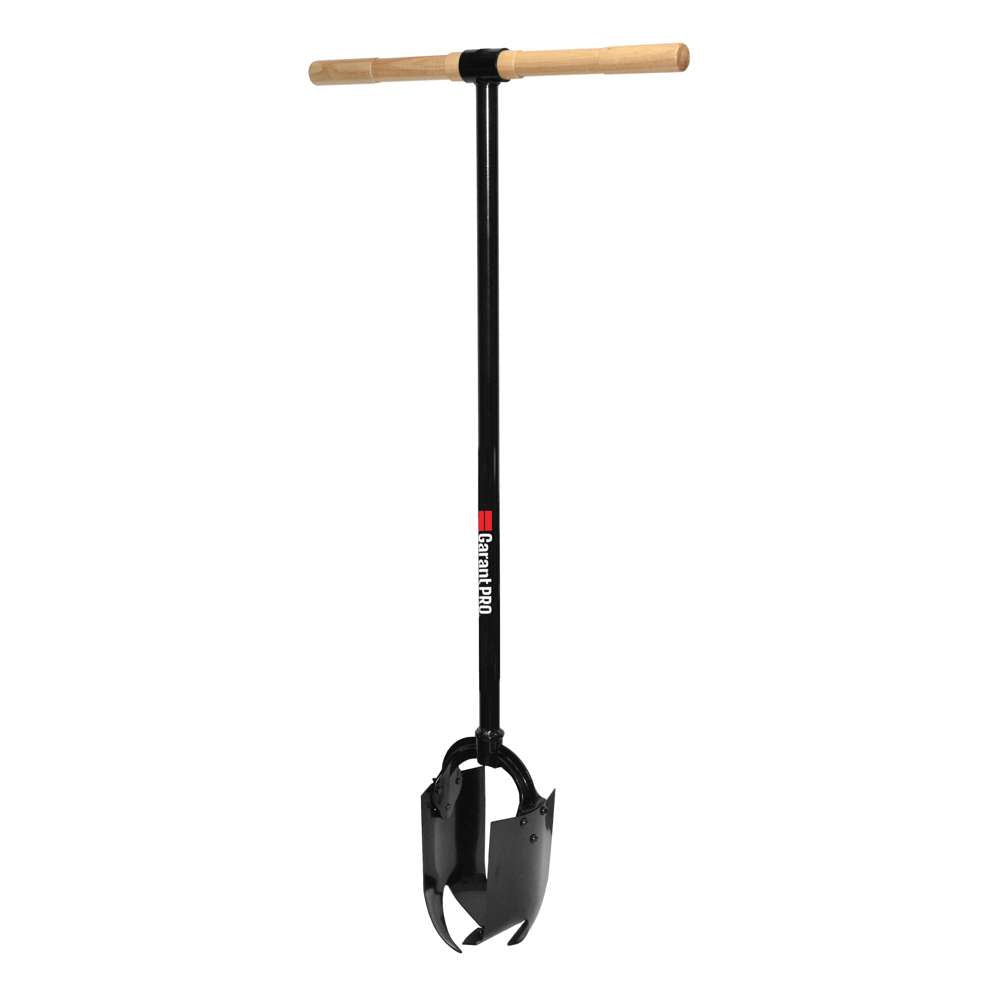
- Hand auger. A T-handle spins a helical bit. It excels in soft loam and sand. It struggles in rock and roots.
- Sharpshooter or trenching shovel. A long, narrow blade shapes and widens holes. It is ideal for fine tuning.
- Digging bar with tamper. One end breaks rock and hardpan. The flat end tamps gravel and backfill.
- Pick mattock. Cuts roots and busts compacted soil. Use it to open a hole before switching tools.
Powered tools
- Cordless battery auger. Low noise and low fumes. Strong for 4–8 inch holes in average soil. Great in neighborhoods.
- Gas one-man auger. Fast holes up to 8–10 inches. Watch torque kickback in heavy clay or roots.
- Two-man gas auger. More power for 10–12 inch holes and deeper sets. Needs good teamwork.
- Skid steer or tractor auger. Best for many large holes, big posts, and deep footings. Not for tight lawns.
Specialty aids
- Extensions. Add depth when frost lines run deep.
- Rock and clay bits. Use aggressive teeth for hard soils.
- Pilot bits. Start straight and reduce walking.
- Sonotubes. Hold shape for concrete footings.
The right tool for digging post holes should match your soil, hole size, and project volume.

How to choose the right tool for digging post holes
Start with your site, your time, and your body. Here is a simple plan.
- Soil type. Soft loam favors hand augers. Clay needs sharp bits or power. Rocky ground needs a bar and patience.
- Hole size. Small 4–6 inch posts do well with manual tools. Larger deck posts need a power auger.
- Number of holes. One to four holes favors manual tools. Ten or more calls for power.
- Access and noise. Tight gates, gardens, and close neighbors lean toward a cordless auger.
- Budget and time. Rentals save money for one weekend. Buying pays off if you build often.
- Your fitness and safety. Pick the tool you can control. Torque can twist wrists and backs.
When in doubt, start with a manual clamshell and a digging bar. Add a rented power auger if the ground fights you. That mix is a flexible tool for digging post holes on most jobs.
Step-by-step: How to dig straight, strong post holes
A good hole starts with a clear mark and ends with solid backfill.
- Call before you dig. In the US, dial 811. Mark utilities so you stay safe.
- Lay out and mark. Use string lines and paint or stakes. Check spacing twice.
- Start the pilot. Use a digging bar or a small auger to set the center.
- Cut the hole. Spin the auger or use the clamshell to remove soil. Keep the tool vertical.
- Shape the sides. Keep walls straight. Bell the bottom slightly for uplift resistance if allowed.
- Check depth and plumb. Use a tape, level, and post as a gauge. Most fence posts need one third of their length in ground.
- Manage spoils. Keep soil away from the rim so it does not cave back in.
- Add drainage. In wet sites, drop a few inches of gravel at the base.
- Set and backfill. Tamp every 4–6 inches with a bar or tamper. Use gravel, soil, or concrete as the design calls for.
Pro tip from the field: I switch between a hand auger and a clamshell on every hole. The auger bores fast. The clamshell cleans the sides. That combo makes a clean, round hole that holds a post dead plumb.

Safety, ergonomics, and maintenance
Safety matters more than speed. A tool for digging post holes can kick, bind, or crush fingers.
- PPE. Wear boots, gloves, eye protection, and hearing protection with gas tools.
- Torque control. Brace your stance. Use the throttle gently. Let the bit cut at its pace.
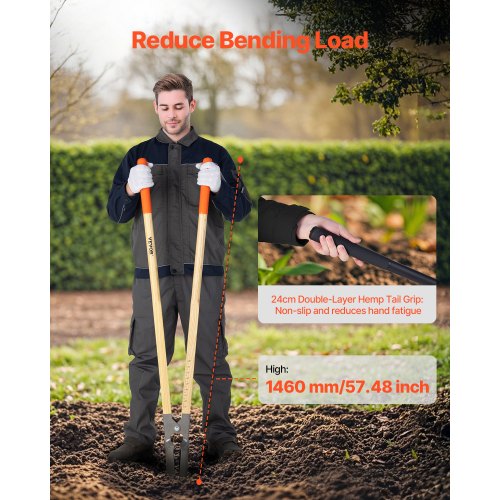
- Body mechanics. Keep your back straight. Bend at the knees. Alternate hands to reduce strain.
- Clear roots and rocks. Use a bar or saw. Do not force an auger through.
- Fuel and batteries. Mix fuel to spec. Keep batteries warm and charged. Store tools dry.
- Sharpen and inspect. Keep blades sharp. Tighten bolts. Replace worn teeth and pins.
A well-kept tool for digging post holes cuts faster and keeps you safe.

Cost, speed, and ROI
The right pick can save hours and money.
- Manual clamshell digger. About $30–$60. Slow but low cost and low risk.
- Hand auger. About $60–$120. Faster in soft soils. Limited in hardpan.
- Cordless auger. About $300–$800. Quiet and clean. Battery costs add up.
- Gas auger. About $250–$600 to buy. About $50–$90 per day to rent. Big speed boost.
- Skid steer auger. Higher rental fees. Best for many large holes or deep frost lines.
If you have ten or more holes, a rented auger often pays for itself in one day. For a small fence, a manual tool for digging post holes may be the smart buy.
Common mistakes and how to fix them
I see the same errors on most first builds. Here is how to avoid them.
- Crooked holes. Use a level often. Stand behind the tool and sight the bit to a plumb reference.
- Oversized holes. Match bit size to post plus room to adjust. Large holes waste mix and weaken support.
- Shallow depth. Know your frost line. Deeper holes stop heave.
- Forcing the cut. Let the bit bite. Clear spoils often. For manual tools, take smaller scoops.
- Poor backfill. Tamp in layers. Wet concrete only when called for. Keep crown grade to shed water.
Each fix helps your tool for digging post holes work better and last longer.

Real-world scenarios and recommendations
A few quick picks from jobs I have run.
- Six cedar fence posts in soft loam. Use a hand auger and a clamshell. Fast, quiet, cheap.
- Twenty deck footings in clay. Rent a gas auger with aggressive teeth. Keep a bar for roots.
- Garden pergola near neighbors. Go cordless. Low noise. Great control.
- Rocky hillside with boulders. Use a digging bar, pick mattock, and patience. Power augers bind and beat you up.
Match the tool for digging post holes to your site, not to a brand ad or a trend.

Frequently Asked Questions of tool for digging post holes
What is the easiest tool for digging post holes in soft soil?
A hand auger is the easiest in soft loam or sand. It cuts fast and keeps the hole round with little strain.
What size auger bit do I need for a 4×4 post?
Use a 6–8 inch bit for a 4×4. The extra space lets you plumb the post and tamp backfill well.
Can I dig post holes in rocky ground with a power auger?
Yes, but expect stalls and kickback. Pre-loosen rocks with a digging bar, then auger in short passes.
How deep should fence post holes be?
A common rule is one third of the post length in the ground. Go deeper than the frost line for long-term stability.
Is concrete always needed in post holes?
No. In well-drained soils, tamped gravel or soil can hold light fences. Use concrete for heavy loads, gates, or poor soils.
Conclusion
Pick the tool for digging post holes that fits your soil, scope, and strength. Use smart layout, steady technique, and good safety. Maintain sharp edges and clean gear.
Start with one hole and refine your approach. Rent power if the ground fights back. Your posts will stand straighter, last longer, and take less sweat. Share your results, ask a question, or subscribe for more field-tested build tips.