When To Replace A Chainsaw Bar: Key Signs & Pro Tips
Replace a chainsaw bar when cuts drift, rails wear out, or the tip seizes.
I’ve maintained saws in the field and in the shop for years. In this guide, I’ll show you exactly when to replace a chainsaw bar, how to inspect it like a pro, and how to keep your saw cutting straight and safe. If you’ve ever fought a wandering cut or a hot chain, this is the clear, step-by-step answer you need.
What a chainsaw bar does and why condition matters
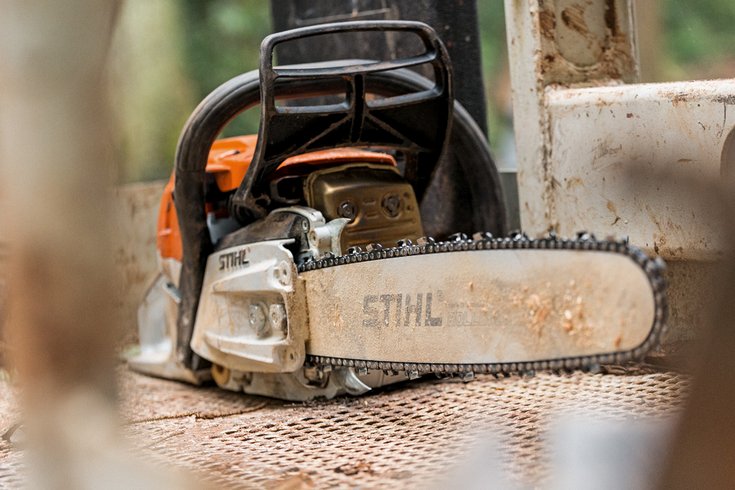
The bar is the guide that keeps the chain straight and stable. It has two rails, a groove for the drive links, oil holes, and a tip (often with a small sprocket). All these parts must be sound and smooth.
When the bar wears, the chain no longer runs true. You get curved cuts, more heat, and more kickback risk. A fresh chain will not fix a bad bar. Knowing when to replace a chainsaw bar protects you, your saw, and your work.

Clear signs you should replace a chainsaw bar
Use these field-proven checks. If you see one strong sign or several mild ones, it is time.
- Cuts pull to one side. If the saw drifts left or right in every cut, the rails are uneven or the groove is flared. This is a top sign of when to replace a chainsaw bar.
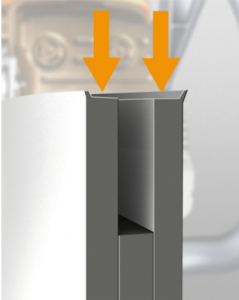
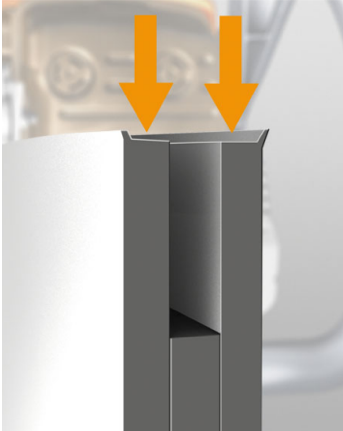
- Excessive rail wear. The rails feel sharp on the outside edge and thin on top. If you can rock the chain side to side in the groove, the bar is done.
- Blue or dark heat marks. Heat discoloration near the nose or along the rails means poor oiling or too much friction. Heat softens the steel and shortens life.
- Peened or “mushroomed” rails. Burrs on the bar edges cut your gloves and shred chips. You can file light burrs, but heavy mushrooming means replacement.
- A seized or rough nose sprocket. Spin the tip. It should turn free and smooth. A gritty or locked nose is a strong sign of when to replace a chainsaw bar.
- Oval or blocked oil holes. If cleaning does not restore flow, the bar will run hot and fail fast.
- Measured groove too shallow. If the groove depth is less than the drive-link tang height plus a little clearance, the chain will derail. That is a clear trigger for when to replace a chainsaw bar.
- Cracks near the heel or nose. Any crack in the bar body is a stop-now hazard.
From experience, when a bar starts a gentle curve cut, you can sometimes square the rails once. If the drift returns after one job, that is when to replace a chainsaw bar without delay.
How to inspect your bar step-by-step
Do this after each day of cutting, and any time cuts feel off. It is fast and saves money.
- Clean the bar. Remove the chain. Scrape the groove with a bar groove tool or a thin card. Clear the oil holes and the slot that feeds the bar.
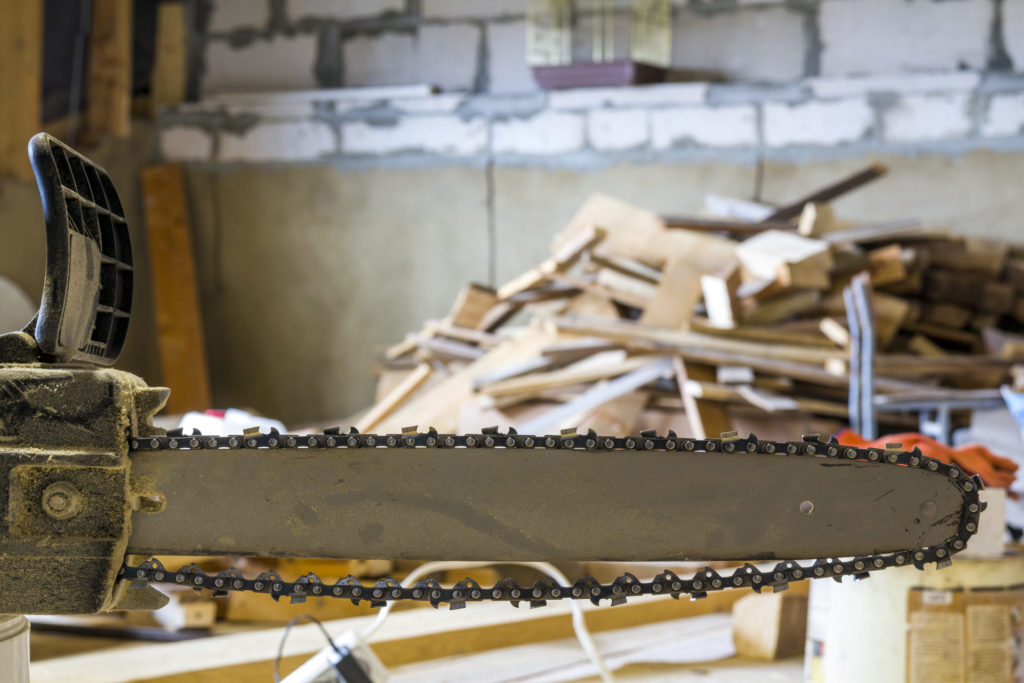
- Check straightness. Sight down the bar like a rifle. It should look flat and true.
- Measure rail wear. Use your chain as a gauge. The drive links should ride proud in the groove. If they sink deep or wobble, the groove is worn.
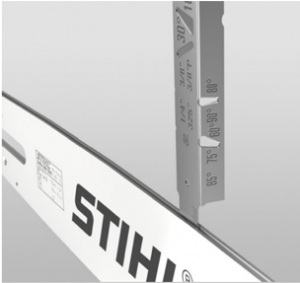
- Check rail height match. Place a square or the flat back of a file across both rails. Uneven rails cause crooked cuts.
- Spin the nose. It should spin smooth and silent. Any grind or stop is bad.
- Feel for burrs. Lightly run a finger across the edges. Sharp lips mean burrs. Light burrs can be dressed once with a flat file.
- Inspect the mount and slot. Look for elongation at the studs and adjuster hole. A stretched slot throws off chain tension.
- Verify oiling. With the saw assembled, run it at speed near a clean board. You should see an oil line. Poor oil flow speeds up wear and tells you when to replace a chainsaw bar if the damage is already done.
If three or more checks fail, that is when to replace a chainsaw bar rather than patch it.
Replace vs repair: a simple decision framework
You can fix small issues once. Beyond that, replace the bar to keep cuts safe and straight.
Replace the bar if:
- Cuts always drift, even with a fresh chain and squared rails.
- The nose sprocket is rough or seized.
- Rails are thin, chipped, or the groove is wide and shallow.
- The bar shows heat blueing or cracks.
- Oil holes are damaged and still starve the chain after cleaning.
- You have already dressed the rails once and the problem came back. That is when to replace a chainsaw bar without question.
Repair the bar if:
- There are light burrs only. Dress the edges with a flat file.
- Rails are slightly uneven. Use a bar rail dresser to square them once.
- Oil holes are just dirty. Clean them and confirm flow.
- The groove is packed with debris. Scrape and re-oil.
As a rule, a $50–$100 bar is cheaper than one kickback, a smoked clutch, or a ruined chain. When in doubt, that is when to replace a chainsaw bar.
How long does a chainsaw bar last?
It depends on power, wood, technique, and care. There is no single hour count, but these ranges are realistic.
- Homeowner use, clean softwood, good oiling: 2–4 years, several chains.
- Firewood users, mixed hardwoods: 1–2 seasons, multiple chains.
- Pro fallers/arb, daily use: months, not years, often replaced with every few chains.
- Milling and dirty wood: shortest life. Expect frequent bar swaps.
Habits change the timeline. Running a dull chain, dry bar, or dirty groove can kill a bar in a day. Flipping the bar each chain swap can double life. Accurate tension and sharp chain teeth keep rails square. These are the key levers for when to replace a chainsaw bar or stretch its life with care.
How to replace a chainsaw bar safely
Swapping a bar is simple. Do it clean and methodical.
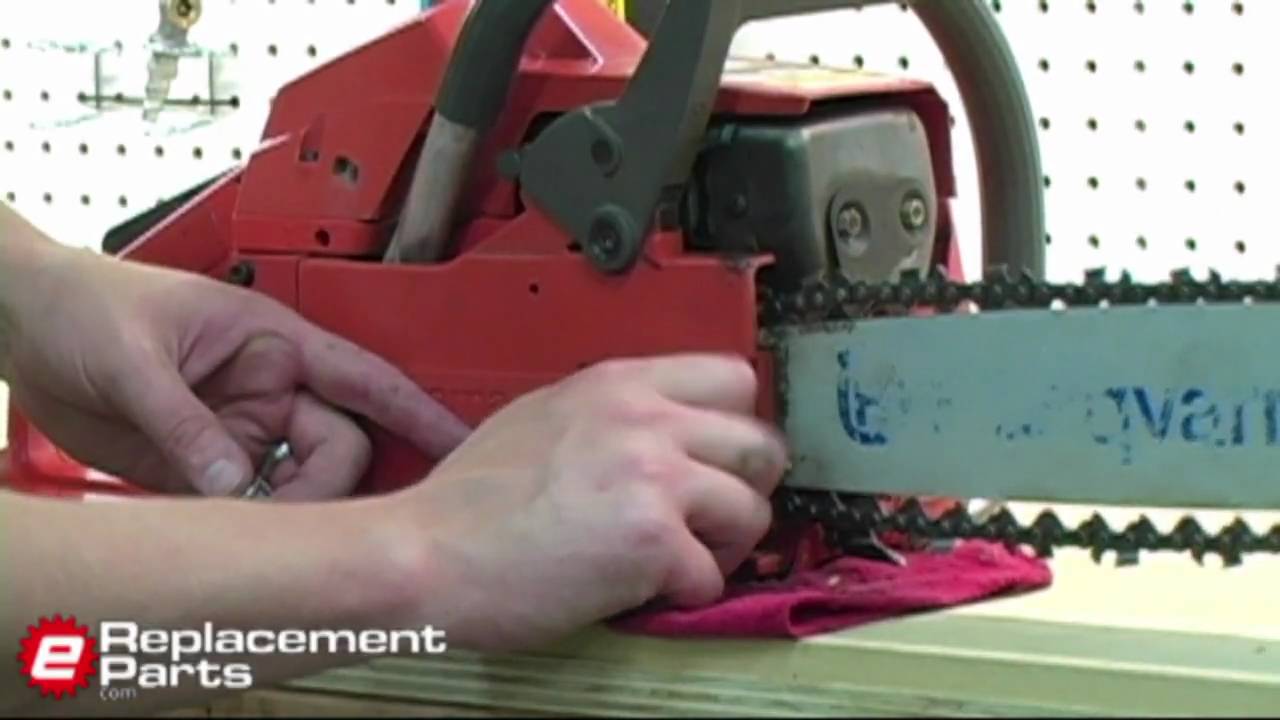
- Engage the chain brake and remove the spark plug boot for safety on gas saws. Unplug battery or cord for electric.
- Loosen bar nuts. Lift off the clutch cover.
- Release chain tension. Slide off the chain and the old bar.
- Clean the clutch cover, bar pad, studs, and oil passages.
- Fit the new bar. Align the adjuster pin with the bar hole. Loop on the chain with cutters facing forward on the top run.
- Set tension. Pull the chain snug. It should snap back and still move by hand with gloves.
- Reinstall the cover and finger-tighten nuts. Recheck chain position on the sprocket and in the groove.
- Set final tension and torque the nuts to the spec in your manual.
- Oil prime. Run the saw briefly. Confirm an oil line on a board. Retension after the first warm-up.
I replace the sprocket and chain if both show heavy wear. A worn drive part will eat a new bar and chain fast. This is a common reason for when to replace a chainsaw bar and related parts as a set.
Pro maintenance tips to extend bar life
Small habits make a big difference. These are the best I have found.
- Flip the bar every chain sharpen. Mark each flip on the heel so you remember.
- Keep oil flowing. Use the right oil. Open the oiler to match long bars or dry wood.
- Tension right. Too tight makes heat. Too loose makes derailments and rail peening.
- Sharpen often. Dull cutters make heat and push the cut sideways. Touch up every tank.
- Dress lightly. Remove burrs with a flat file. Square the rails if they round over.
- Keep the groove clean. Scrape chips after each job. Clean oil holes every time you refuel.
- Match chain gauge to the bar groove. Wrong gauge chews the rails. Check the bar stamp.
- Store dry and oiled. Wipe the bar and chain. A thin oil film prevents rust.
- Avoid cutting dirt. Brush logs. Dirt is grinding compound. It shortens the window for when to replace a chainsaw bar.
Frequently Asked Questions of when to replace a chainsaw bar
How do I know when to replace a chainsaw bar?
If cuts curve, rails are thin or uneven, or the nose sprocket binds, replace it. Heat marks, cracks, and a sloppy chain in the groove are also clear signs.
Can I flip the bar to fix crooked cuts?
Flipping helps even out wear and may straighten mild drift once. If drift returns after one flip and rail dress, it is time to replace the bar.
Do I have to replace the chain and bar together?
Not always. Replace both if the chain and sprocket are worn or if the bar groove is wide. Mixing fresh and worn parts speeds up wear on the new piece.
How often should I check for bar wear?
Do a quick check after each use and a full inspection every few tanks. Catching wear early delays when to replace a chainsaw bar.
Will a new chain fix a bad bar?
No. A new chain on a bad bar still wanders and heats up. If the bar is worn, that is when to replace a chainsaw bar to get straight, safe cuts.
What causes blue marks on the bar?
Heat from poor oil flow, tight chain tension, or dull cutters causes blueing. Once steel is tempered by heat, wear speeds up.
Are all bars compatible with my saw?
No. Bars must match the mount pattern, gauge, and length your saw can oil and pull. Check the manual or the bar stamp for the correct specs.
Conclusion
A straight, cool, well-oiled bar is the backbone of safe, clean cuts. When cuts wander, rails thin, or the nose drags, that is when to replace a chainsaw bar before it damages your chain, clutch, or your work. Inspect often, flip the bar, keep the oil flowing, and sharpen early.
Take 10 minutes today to inspect your bar with the steps above. If it is due, replace it with the right spec and enjoy smoother cuts on the next log. Have a question or a tricky symptom? Drop a comment so we can solve it together.