
Tools For Digging Up Roots: 2026 Buyer’s Guide
The best tools for digging up roots are mattocks, trenching shovels, and saws.
If you have ever tried to free a stubborn stump, you know it is a test of skill, not just force. In this guide, I break down the best tools for digging up roots, when to use each one, and proven methods that save time and strain. You will learn from my field notes and the latest best practices so you can choose the right setup and finish the job with confidence. Expect clear steps, smart safety tips, and pro tricks that work in clay, loam, or rock-heavy soil.

What Makes Roots Hard To Remove
Roots are built to anchor and feed a plant. Large structural roots hold weight. Fine feeder roots spread wide to grab water and air. Some trees drive a taproot down if the soil allows.
Soil changes the fight. Clay grips and sticks. Sand drains fast and collapses into your trench. Loam is kind but can still hide rocks and buried junk.
Know the layout before you dig. Most roots live in the top 12 to 24 inches. They run past the canopy edge. That is where your trench and cuts do the most good.

Core Tools For Digging Up Roots: Hand Tools That Do The Heavy Lifting
If you want control and low cost, start here. These hand tools for digging up roots work in tight yards and need no fuel.
My essentials after many stump jobs:
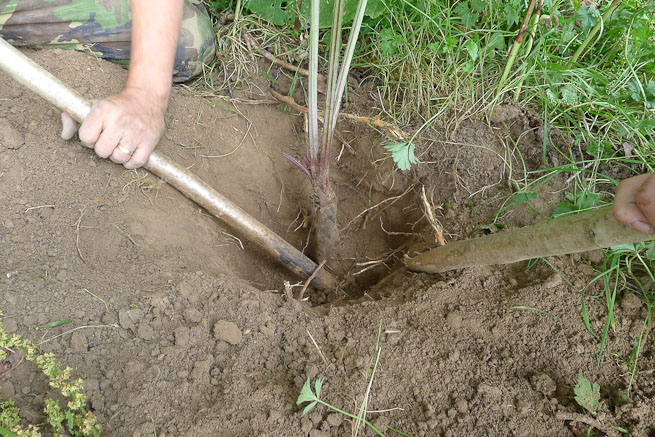
- Mattock or pick-mattock. A mattock chops and pries. The adze blade slices soil. The pick end breaks hardpan and finds rocks.
- Grub hoe. Wider than a mattock adze. It peels soil and cuts fine roots fast. Great for trenching in clay.
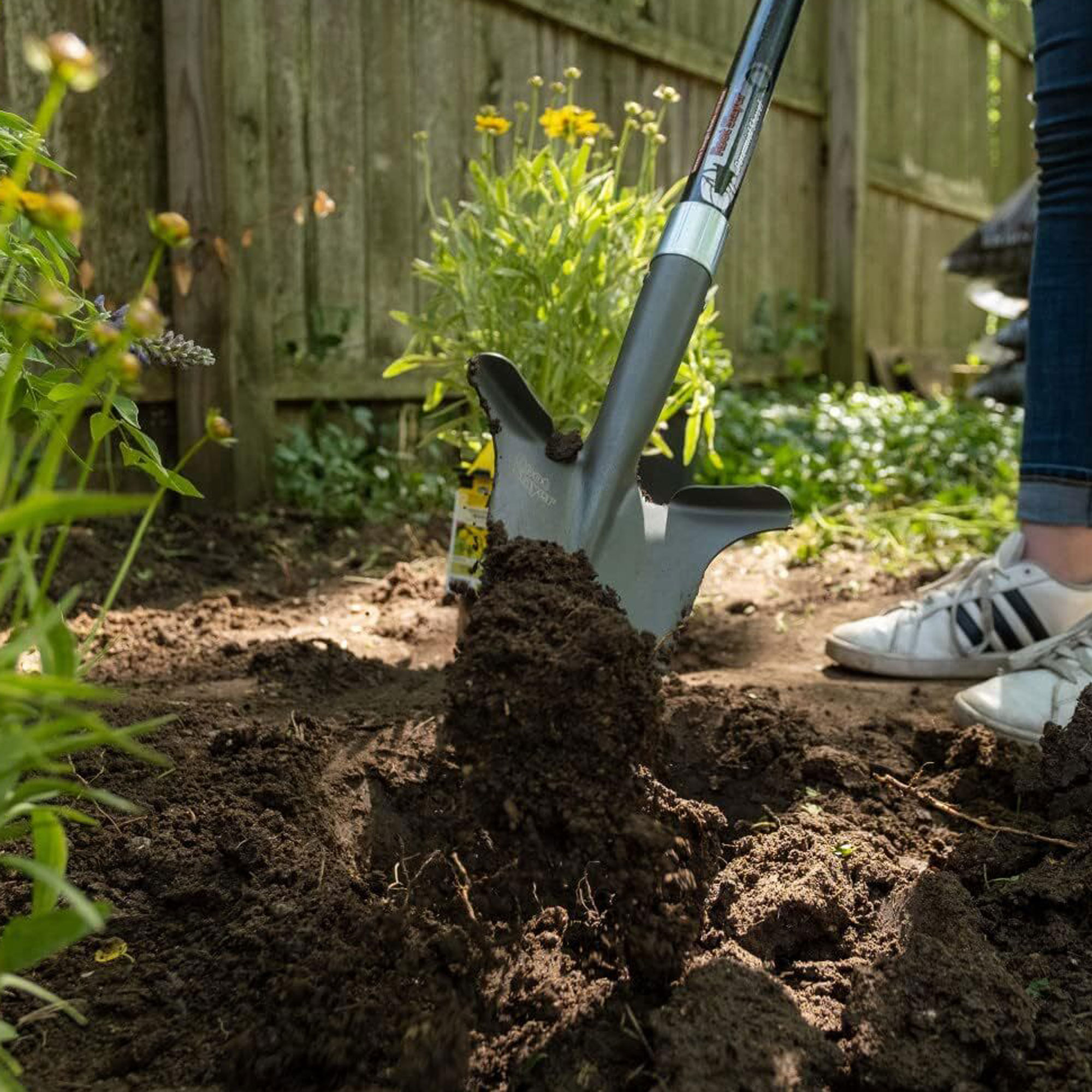
- Trenching shovel or drain spade. A long, narrow blade makes clean trenches around the root ball. It reduces cave-ins in loose soil.
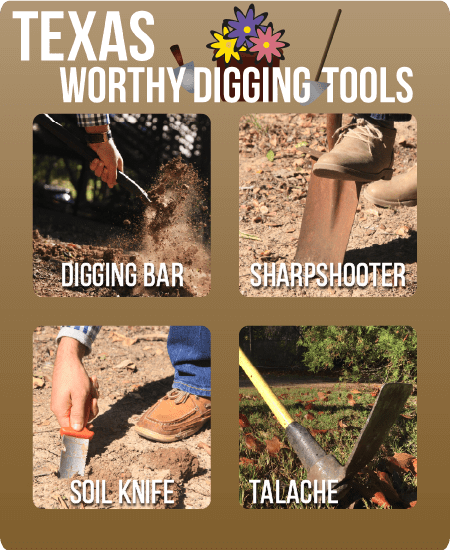
- Digging bar. A solid steel bar for prying and breaking rock. It doubles as a lever to pop big roots.
- Root saw or pruning saw. A coarse-tooth hand saw that cuts green roots clean. Safer than a chainsaw in a trench.
- Loppers and bypass pruners. Quick cuts on small roots. Keep the cut clean to avoid tearing bark on nearby plants you want to save.
- Hori-hori knife or soil knife. Slices through mats of fibrous roots and sod. Handy near drip lines.
- Hand trowel and compact spade. Good for surgical work near utilities or irrigation lines.
Pro tip from the field: On a lilac stump in heavy clay, my shovel only glazed the wall of the hole. The mattock broke that slick layer. The trenching shovel then lifted slabs like cake. That two-step saved an hour and spared my back.
These hand tools for digging up roots shine when noise is a concern, the space is tight, or you want fine control near patios and pipes.
Power And Specialty Tools For Digging Up Roots
When size, time, or volume goes up, power helps. Use the right tool and keep safety first.
- Reciprocating saw with a pruning blade. Fast on roots in a trench. Keep dirt off the blade to avoid dulling it in minutes.
- Chainsaw. Only for aboveground cuts or clear, clean trenches. Dirt kills chains. Kickback risk is real in tight pits.
- Stump grinder. Great for grinding a stump down. It does not remove buried lateral roots by itself. Pair it with other tools for digging up roots if you need full root removal.
- Air spade. Uses compressed air to blow soil off roots without cuts. Ideal near valuable trees or utilities. Pricey but precise.
- High-lift jack or farm jack. Works as a root jack when you add chains and blocking. Gives controlled lift once you have cut most roots.
- Come-along or hand winch. Attaches to a solid anchor. Pulls a root ball once it is loose. Protect trees and posts with straps.
- Compact loader or mini-excavator. For big stumps and deep systems. Plan access, soil disposal, and utility marks.
If you must work near cables, gas lines, or irrigation, an air spade plus hand tools beat blades every time. These tools for digging up roots reduce strikes and let you see what you are doing.
How To Choose The Right Tools For Digging Up Roots
Match the tool to the job. Use this quick guide.
- Root size. Thumb-thick and smaller: loppers, soil knife, pruning saw. Wrist to forearm: root saw, mattock, reciprocating saw. Larger: cut with a chainsaw above ground, then hand saw below.
- Soil type. Clay: mattock, grub hoe, trenching shovel. Sand: drain spade, wide spade, root saw. Rocky: digging bar, pick-mattock, hand saw.
- Access. Tight beds: hand tools for digging up roots win. Open yards: add a jack or winch.
- Budget and time. One weekend and low cost: mattock, trenching shovel, pruning saw. Many stumps or deadlines: reciprocating saw, jack, or rental grinder.
- Nearby assets. Patios, pipes, or prized roots to save: air spade plus hand tools. Avoid fast, blind cuts.
The right tools for digging up roots spare you from wasted swings and broken handles. Plan first, then dig once.

Step-By-Step Method That Works
Follow a simple, safe flow. It keeps the work clean and fast.
- Call 811 before you dig. Mark gas, power, and telecom. Use hand tools in the tolerance zone.
- Water the area the day before. Moist soil cuts and lifts better. Do not flood.
- Strip sod and mulch. Expose the flare and the first ring of roots.
- Dig a trench around the stump. Go 12 to 18 inches out from the trunk. Use a trenching shovel for a neat wall.
- Cut roots as you find them. Use loppers on small ones. Use a root saw on bigger ones. Keep cuts clean, not torn.
- Pry and test lift. Use a digging bar or jack. The stump will tell you where the next cut is.
- Chase and cut anchor roots. Some may dive under the stump. Work in a circle to stay level.
- Pull and roll out the root ball. Pad edges to protect nearby hardscape. Use a winch if needed.
- Backfill and grade. Use the spoil you saved. Tamp in lifts and water to settle.
This mix of steps and tools for digging up roots lowers the chance of strain and keeps your trench safe.
Safety, Prep, And Utility Checks
Digging can harm you or the yard if done wrong. Slow is smooth. Smooth is fast.
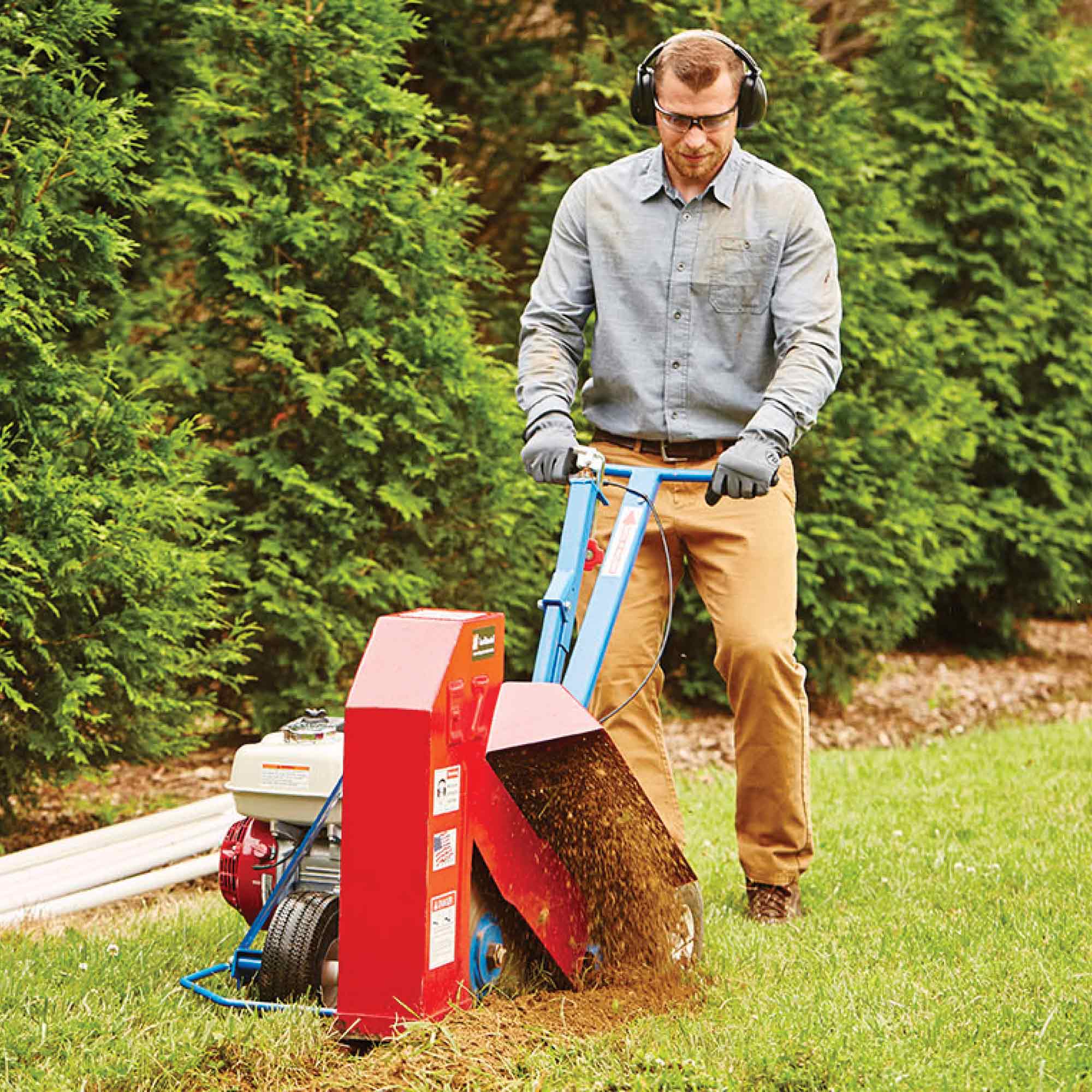
- Personal protective gear. Wear eye protection, gloves, boots, and hearing protection with power tools. A dust mask helps in dry soil.
- Body mechanics. Keep your back straight. Use legs and hips. Switch hands often with a mattock.
- Tool checks. Tighten handles. Inspect blades and chains. Dull edges slip and cause cuts.
- Site control. Keep kids and pets away. Stage tools on one tarp. Place spoil on another for clean backfill.
- Utility safety. In the US, call 811. Hand dig within marks. Use an air spade near unknown lines.
Safety-first use of tools for digging up roots prevents costly mistakes and injuries.
Cost, Time, And Effort: What To Expect
Hand-tool jobs for shrubs and small stumps can take two to six hours. Larger stumps can take a day or more. Soil, species, and access can double or cut that time.
Costs vary. Hand tools for digging up roots may run $100 to $250 to outfit well. Rentals raise speed but add fees. A stump grinder rental can run a few hundred per day. An air spade service costs more but may save a tree or avoid a utility claim.
Plan your pace. Work in blocks. Hydrate and stretch. The right tools for digging up roots make the effort safer and shorter.

Common Mistakes And Pro Tips
Learn from my hard lessons.
- Skipping the trench. You end up hacking blind. Always trench to see and cut clean.
- Digging too close. Start wider than you think. Most roots reach past the canopy.
- Using a chainsaw in dirt. Chains dull in seconds. Use a root saw in the trench.
- Pulling before cutting. You waste force and bend tools. Cut, then lift.
- Not clearing spoil. A messy pit hides hazards. Use tarps and buckets.
Pro tips that pay off:
- Pre-score big roots with a saw, then finish with a mattock. The blade trains your swing.
- Wedge in a scrap of wood under the root. It opens the kerf and saves your saw.
- Rotate tasks. Ten minutes digging, five minutes cutting. This rests muscle groups.
Small habits turn tough jobs into steady wins with your tools for digging up roots.
Care And Maintenance Of Your Root-Digging Tools
Clean tools last longer and work better.
- Knock off soil after each use. Rinse and dry. Oil metal parts with light oil.
- Sharpen edges. Keep the mattock and hoes sharp. Use a file at the original bevel.
- Tighten handles and bolts. Replace cracked handles. Store tools off the ground to avoid rust.
- Swap blades. Keep spare pruning and reciprocating blades on hand. Dirt eats teeth fast.
Well-kept tools for digging up roots cut faster and are safer for you and your crew.
When To Hire A Pro
Call a certified arborist or a site pro when any of these apply:
- Large stumps near houses, pools, or walls.
- Grade changes or roots under sidewalks and drives.
- Nearby utilities that limit trenching or cutting.
- Tree stability concerns for living trees you want to keep.
Pros bring skill, insurance, and advanced tools for digging up roots. This can prevent damage and reduce risk on complex sites.
Frequently Asked Questions
What is the single most useful hand tool for roots?
A mattock is the best all-around hand tool. It cuts, pries, and breaks hard soil with control.
Can I use a chainsaw to cut roots in the soil?
It is risky and dulls the chain fast. Use a root saw or reciprocating saw in a clean trench instead.
How deep do I need to dig to remove most roots?
Most roots are in the top 12 to 24 inches. Trench at that depth, then follow any anchors that dive deeper.
What tools work best in clay soil?
A mattock, grub hoe, and trenching shovel work well in clay. They slice and lift dense soil without glazing it.
Will a stump grinder remove all the roots?
No, a grinder reduces the stump to chips near the surface. You still need tools for digging up roots to chase laterals if full removal is required.
How do I avoid hitting utilities?
Call 811 before you dig. Hand dig within the marked zone and use an air spade if needed.
What should I do with the root ball and chips?
Let them dry, then cut and bag or compost if allowed. Do not replant in the same hole without removing chips, as they rob nitrogen.
Conclusion
You do not need brute force to win the root fight. With a good plan, smart safety, and the right tools for digging up roots, you can trench clean, cut fast, and lift with control. Start with a mattock, a trenching shovel, and a root saw. Add power or specialty gear only when it fits the site.
Pick one project this week and set up your kit. If this guide helped, share it, subscribe for more hands-on tips, or leave a question and I will help you choose the best tools for digging up roots for your yard.


