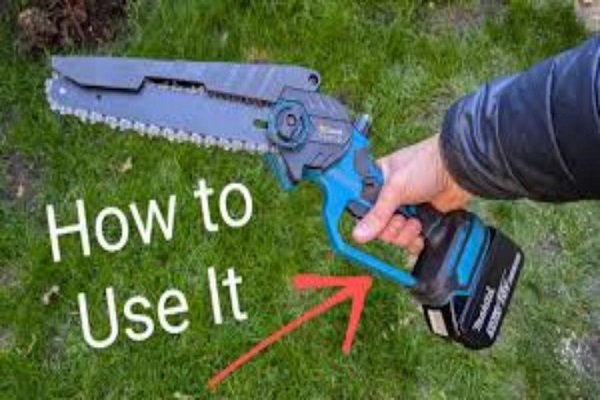
Wear PPE, use two hands, plan each cut, and let the mini chainsaw do the work.
Learning how to use a mini chainsaw for beginners is simple with the right steps and safety habits. I have trained new users on job sites and in home projects for years. In this guide, I share clear methods, common mistakes, and field tips that work. If you want a safe, smart start, keep reading. You will master how to use a mini chainsaw for beginners without stress.

What Is a Mini Chainsaw and When to Use It
A mini chainsaw is a light tool with a short bar. Most models have 4 to 8 inch bars. They run on batteries or corded power. They shine in pruning, limbing, and small cuts. They are not for felling trees or heavy logs.
Use a mini chainsaw to trim branches, cut small firewood, and clear yard waste. It fits into tight spots where a big saw feels clumsy. The light weight helps new users learn good control.
Even so, it can still kick back. The chain is fast and sharp. Respect the tool and follow each step. That is the heart of how to use a mini chainsaw for beginners with confidence.

Safety First: Essential Gear and Setup
Before you even press the trigger, gear up and set the scene. These steps prevent most injuries I have seen.
Wear the right protection
- Safety glasses or a face shield
- Cut‑resistant gloves
- Hearing protection for louder models
- Long pants; chainsaw chaps if you have them
- Sturdy boots with good grip
Check the saw
- Battery charged and seated, or cord in good shape
- Chain sharp, tension set per the manual
- Chain oil reservoir filled
- Chain brake working and trigger lock intact
Prepare the work area
- Clear your footing and your escape path
- Keep bystanders and pets at least 30 feet away
- Secure the workpiece with a clamp or sawhorse
- Plan your cuts and where the branch will fall
On my first training day, we had a slick lawn. A branch rolled and a new user lost balance. No one was hurt, but we now always secure the work and check our stance first. Simple prep goes a long way in how to use a mini chainsaw for beginners.

Step-by-Step: How to Use a Mini Chainsaw for Beginners
Follow this order every time. It builds safe habits and steady results.
- Inspect and set tension
- With the battery out, pull the chain by hand (gloves on). It should move smooth but not sag. Adjust per the manual.
- Oil the chain
- Fill the oil tank. Prime if your model needs it. A well oiled chain cuts cooler and safer.
- Plan your cut
- Look for binds, nails, or knots. Decide where the branch will go. Stand to the side, never in the drop zone.
- Grip and stance
- Use two hands. Thumb wrapped under the front handle. Feet shoulder width apart. Left foot forward for balance.
- Start and set speed
- Engage the chain brake if your model allows it at start. Insert battery. Hold the saw. Release brake. Squeeze the trigger to bring chain to speed before touching wood.
- First contact
- Touch the wood with light pressure. Let the chain do the work. Keep your wrists straight.
- Watch the kerf
- If the cut pinches, stop. Wedge the kerf or support the branch. Restart the cut with a free chain.
- Avoid the kickback zone
- The top front tip of the bar is the kickback zone. Keep that tip clear. Use the lower part of the bar for most cuts.
- Finish the cut
- Ease through. Do not twist the bar. When the piece drops, release the trigger and let the chain stop.
- Power down and set aside
- Engage the chain brake. Remove the battery when you carry the saw. Place it on a flat, clear area.
For how to use a mini chainsaw for beginners, those ten steps are the bedrock. Repeat them until they feel natural. Your cuts will be cleaner, and your arms will not tire as fast.

Cutting Techniques: Pruning, Limbing, and Small Logs
Good technique is the secret to clean cuts and low strain. Here is how to apply how to use a mini chainsaw for beginners in real jobs.
Pruning live branches
- Use a three-cut method to avoid bark tear. Undercut a short notch, make a top cut to remove the weight, then finish the final clean cut just outside the branch collar.
- Keep the saw close to your body for control.
Limbing downed wood
- Stand on the uphill side if on a slope. Cut small limbs from the top of the log first.
- Keep the bar clear of dirt. Touching soil dulls the chain fast.
Cutting small logs or firewood
- Use a sawhorse. Mark pieces to length. Cut in stages to prevent pinching.
- If the log bows down, cut from the top until near the center. Then finish from the bottom.
When I teach how to use a mini chainsaw for beginners, I ask users to practice on scrap limbs first. Ten clean cuts on soft wood build skill fast.

Maintenance 101: Keep Your Mini Chainsaw Sharp and Safe
A sharp, well-kept tool is safer and faster. You will spend less effort and get better results.
After each use
- Brush off chips and dust
- Top up chain oil
- Check chain tension again when cool
- Wipe battery contacts dry
Weekly or every few sessions
- Inspect the bar groove and clean it
- Flip the bar to even wear
- Check the drive sprocket for wear
- Sharpen the chain with the right file size and guide
Sharpening basics
- Match the file to your chain pitch
- Keep a steady angle per the chain spec
- File each cutter the same number of strokes
- Lightly lower the depth gauges when needed
Proper care makes how to use a mini chainsaw for beginners much easier. A dull chain is the top cause of slow cuts and risky push force.

Common Mistakes Beginners Make and How to Avoid Them
I have seen the same errors many times. They are easy to fix.
- Forcing the cut. Solution: Let sharp teeth and chain speed work.
- One-handed use. Solution: Always use two hands for control and safety.
- Ignoring chain oil. Solution: Check and fill oil every session.
- Cutting with a loose chain. Solution: Set tension before you start and recheck.
- Working in dirt or sand. Solution: Keep the bar off the ground and use supports.
- Standing in the drop zone. Solution: Plan where the piece will fall and stand aside.
Avoiding these errors is central to how to use a mini chainsaw for beginners with confidence and care.

Troubleshooting: Quick Fixes in the Field
Even with care, small issues pop up. Here is how to get back on track.
Chain stops or stalls
- Check battery charge and seat. Check chain tension. If hot, let it cool and add oil.
Cut pulls to one side
- The chain is dull on one side. Sharpen evenly or replace the chain.
Bar smokes
- Oil tank empty or oil groove blocked. Fill and clean the bar.
Chain jumps off
- Chain too loose or worn. Power down, refit, and set correct tension.
Excess vibration
- Loose fasteners or damaged chain. Tighten all screws. Replace chain if damaged.
Learning these fixes will smooth how to use a mini chainsaw for beginners on any project day.

Buyer’s Tips: Features That Matter for First-Time Users
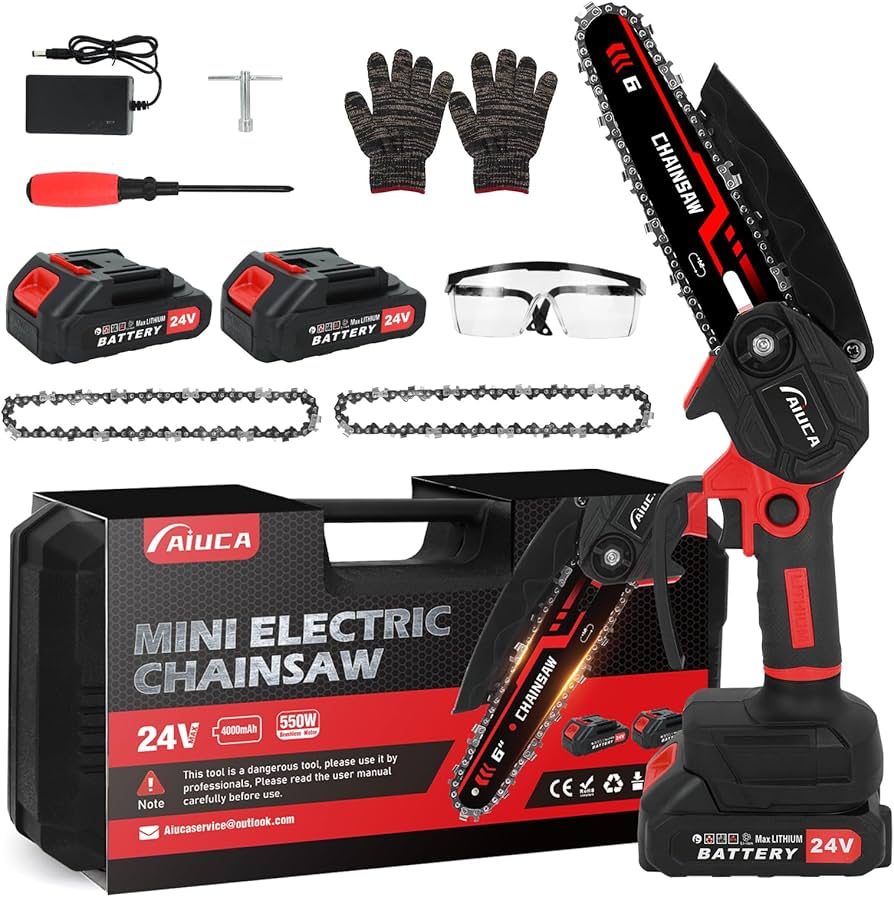
The right tool helps you learn faster and cut safer. When you shop, look for features that support how to use a mini chainsaw for beginners.
What to look for
- Bar length of 6 to 8 inches for general yard use
- Tool-free chain tensioning for fast tweaks
- Automatic chain oiler with clear window
- Chain brake and trigger lock as standard
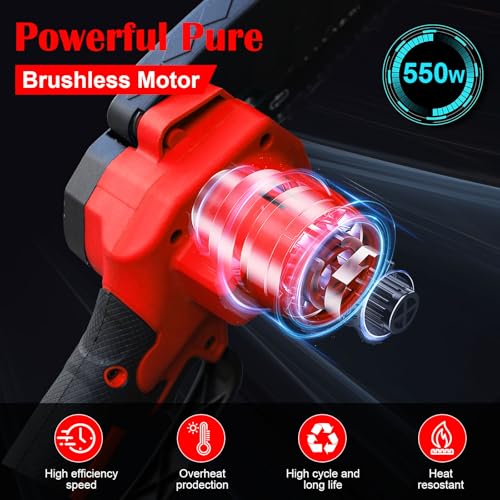
- Brushless motor for better power and life
- Battery system that matches other tools you own
- Light weight and balanced feel in your hands
Try the grip if you can. A good handle shape reduces wrist strain. For how to use a mini chainsaw for beginners, comfort boosts control and accuracy.
Frequently Asked Questions of how to use a mini chainsaw for beginners
Is a mini chainsaw safe for first-time users?
Yes, with the right habits. Wear PPE, use two hands, and avoid the kickback zone.
What size branches can I cut?
Most mini saws handle branches up to the bar length. For best results, cut wood 1 to 5 inches thick.
How often should I sharpen the chain?
Sharpen when you see dust instead of chips or feel slow cuts. Many users sharpen lightly every one to two battery cycles.
Can I use a mini chainsaw for cutting firewood?
Yes, for small logs and kindling. Use a sawhorse and support the wood to avoid pinching.
Why does my chain keep getting loose?
Chains loosen as they warm up. Check tension before use and once more after a few cuts.
How long does a battery last?
Run time varies by wood and tool. Many packs give 15 to 40 minutes of active cutting.
Do I need bar oil, or can I use motor oil?
Use bar and chain oil. It sticks better to the chain and protects the bar.
Conclusion
You now have a clear path for how to use a mini chainsaw for beginners. Gear up, plan your cuts, use light pressure, and keep your chain sharp. Build habits with small jobs, and your skill will grow fast.
Pick one task this week. Trim three branches or cut a small stack of kindling. Practice the steps and log what you learn. Ready for more guides and tool tips? Subscribe, share your progress, or ask a question in the comments.