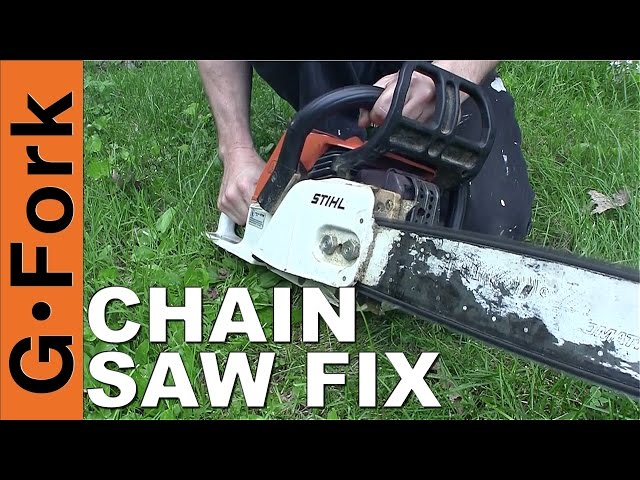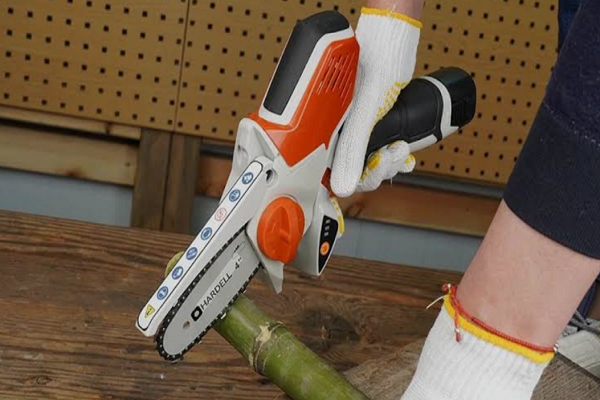
Hold with two hands, wear PPE, start, align cut, avoid kickback and bind.
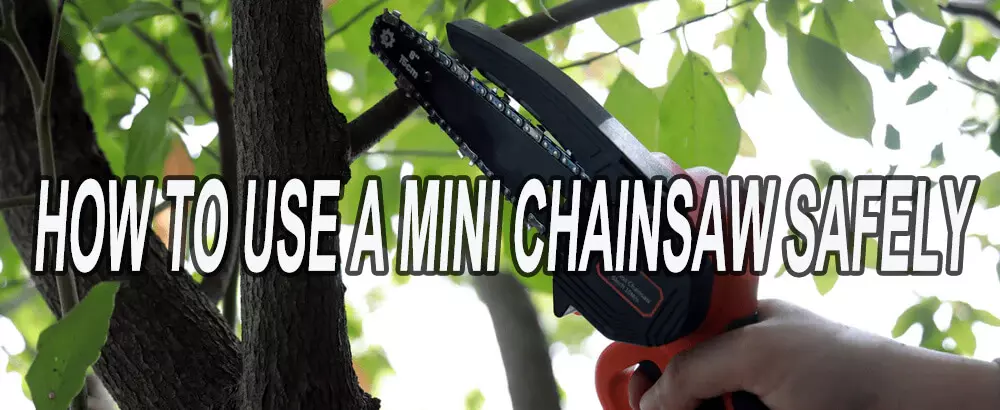
If you want to learn how to use a mini chainsaw the right way, you are in the right place. I have logged years pruning trees, limbing storm damage, and cutting small stock. In this guide, I will show you how to use a mini chainsaw with safe habits, clear steps, and field-proven tips that work.

What a mini chainsaw is and why it helps
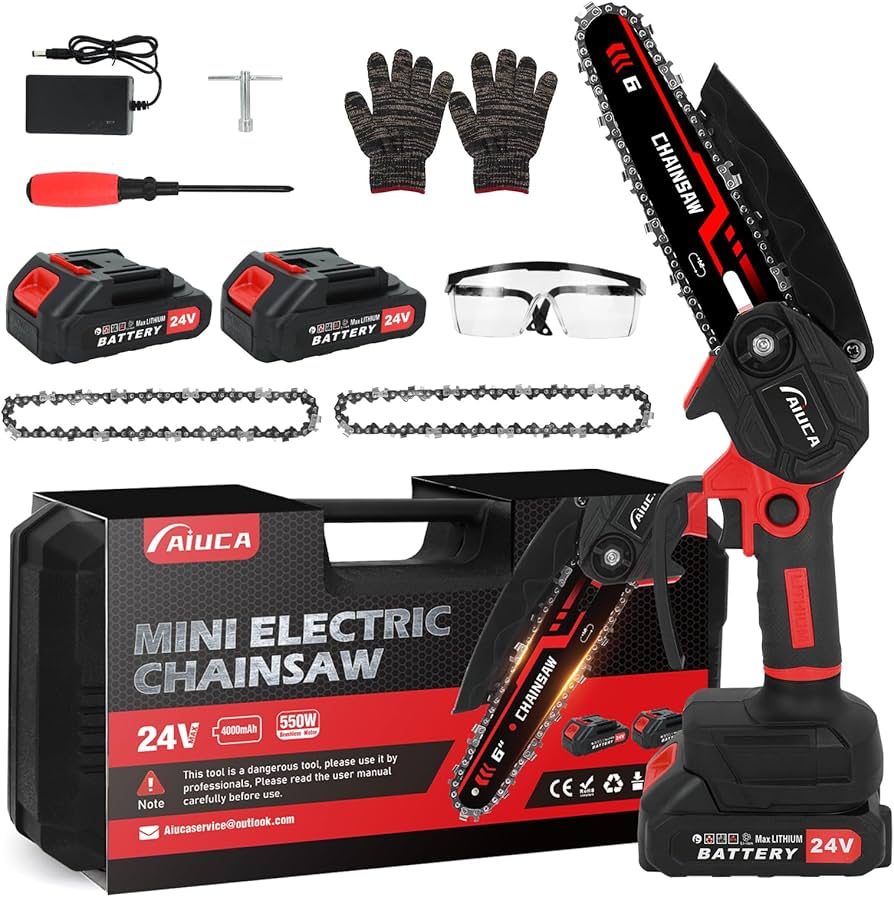
A mini chainsaw is a compact saw with a short bar, often 4–8 inches. It is light, fast to set up, and easy to carry. It shines for pruning, limbing, and quick cuts where a full saw is too much.
Most models today are battery powered. They start with a trigger and safety switch. That makes them great for new users who want to learn how to use a mini chainsaw without a steep curve.
Use it for small limbs, brush, pallets, PVC, and trim work. Leave big trunks and large logs to a full-size saw. That choice is a core skill in how to use a mini chainsaw with good judgment.

Safety first: gear, checks, and site prep
Before any cut, protect yourself. A mini chainsaw can still bite. Follow the same habits you would with a larger saw.
Wear this gear:
- Safety glasses or a face shield for eye and face protection
- Hearing protection for long sessions
- Cut-resistant gloves with good grip
- Long pants and sturdy boots with tread
- A snug shirt and no loose items that can snag
Do these checks:
- Inspect chain sharpness, bar condition, and chain brake if equipped
- Confirm chain tension is snug but free to move by hand
- Top up bar and chain oil to reduce heat and wear
- Make sure battery is clicked in and charged
- Test the trigger lock and safety switch
Prep your work area:
- Clear tripping hazards and keep bystanders at least 10 feet away
- Plan where the cut piece will fall and where you will step back
- Place the work at a safe height to avoid awkward cuts
These basics are the start of how to use a mini chainsaw in a safe, clean way.
Step-by-step: how to use a mini chainsaw
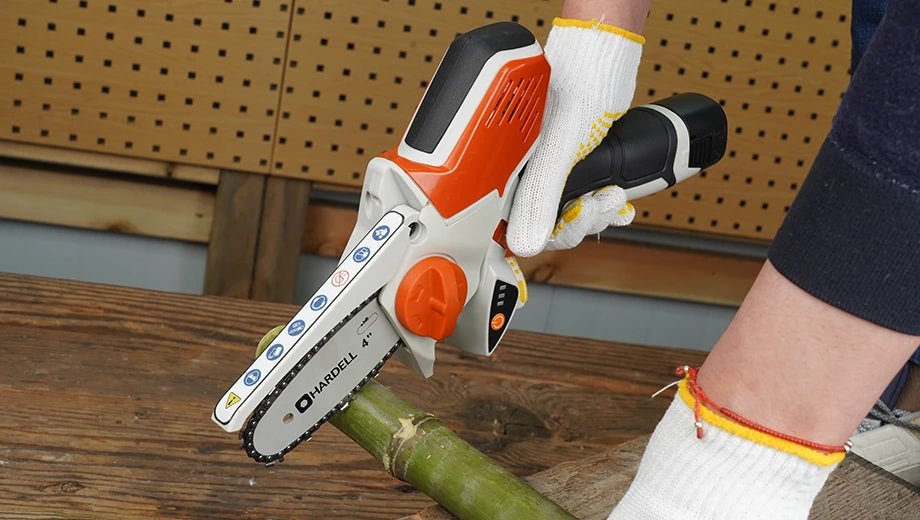
This is the simple workflow I teach beginners on how to use a mini chainsaw.
- Plan the cut. Look at grain, knots, and where the piece wants to fall. Decide your stance and escape route.
- Set your stance. Feet shoulder-width apart. Keep a firm base. Do not reach above shoulder height.
- Grip with two hands. Front hand on the handle or guard. Rear hand on the trigger grip. Keep wrists straight.
- Start the saw. Engage the safety, then the trigger. Let the chain reach speed before it touches wood.
- Position the bar. Use the mid-bar, not the tip, to avoid kickback. Touch the wood lightly first.
- Make the cut. Apply light, steady pressure. Let the chain do the work. Do not twist the bar in the cut.
- Finish and release. Ease out of the cut. Let go of the trigger. Wait for the chain to stop before moving.
- Set the saw down. Use a stable, clean surface. Keep the bar clear of dirt and stones.
If the bar binds:
- Stop the trigger and do not yank the saw free
- Support the work and open the kerf with a wedge or move your cut
These steps are the heart of how to use a mini chainsaw with control and calm.

Cutting techniques for common jobs
Learning how to use a mini chainsaw means using the right cut for the job. Here are simple methods that keep you safe and fast.
For pruning live limbs:
- Make a small undercut one or two inches from the trunk
- Make a top cut slightly farther out to drop the limb
- Make a final clean cut near the branch collar without cutting into the trunk
For limbing downed wood:
- Keep the log stable with blocks or ground contact
- Cut limbs from the far side to avoid pinching
- Work from the base toward the tip
For small logs or 2x lumber:
- Support both sides or leave one end free to prevent binding
- If the cut closes on the bar, stop and add a wedge
- Use short, smooth cuts for control
For brush and roots:
- Expect dirt and grit to dull the chain fast
- Brush soil away first and use light pressure
- Consider loppers for very thin brush to save your chain
These methods will raise your skill in how to use a mini chainsaw without surprises.
Chain, tension, and oil basics
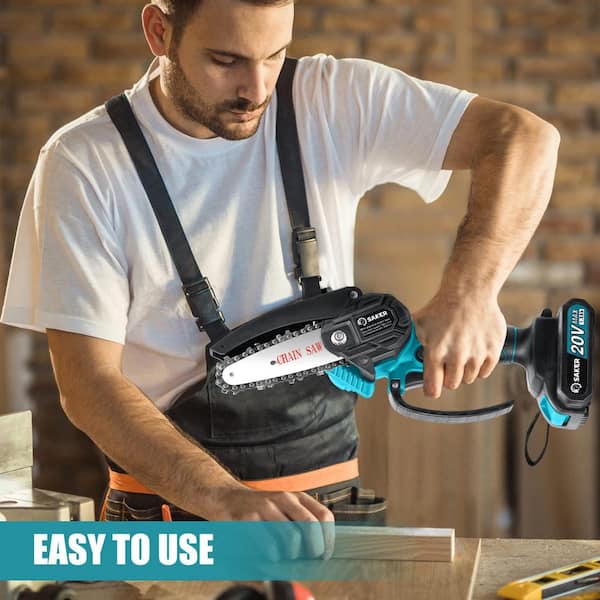
A sharp, oiled chain is safer and faster. It is also a key part of how to use a mini chainsaw well.
Chain sharpness:
- A sharp chain makes large chips, not dust
- If you need to push hard, it is time to sharpen
Tension:
- Lift the chain at mid-bar; it should lift slightly and snap back
- Too loose can derail the chain; too tight can overheat
Bar and chain oil:
- Check the tank each time you change the battery
- Hold the tip near light scrap and run the saw; you should see a light oil line
Battery use:
- Warm batteries work best; avoid using cold packs if you can
- Do not run a pack to zero; swap when you feel power drop
These habits are simple but vital in how to use a mini chainsaw for long life and clean cuts.

Maintenance and sharpening that anyone can do
A few minutes of care after each job keeps your saw ready. This also lowers risk, which matters when you learn how to use a mini chainsaw.
After each use:
- Brush off chips and dust from the bar, motor, and vents
- Top up bar oil and check chain tension
- Inspect the chain for blue spots, cracks, or bent teeth
Sharpening:
- Use the right file size for your chain and a guide if needed
- File each tooth the same number of strokes for even sharpness
- Touch up rakers if your chain guide calls for it
Periodic care:
- Flip the bar to even wear
- Clean the groove and oil hole with a thin tool
- Replace the chain and bar when they show heavy wear
If this is new to you, have a shop sharpen the chain the first time. Watch their results. It will teach you what “sharp” should feel like.
Troubleshooting and mistakes to avoid
How to use a mini chainsaw well also means spotting common issues fast.
If the chain will not cut straight:
- The chain may be dull on one side; sharpen evenly or replace
If the chain keeps coming off:
- Tension may be loose or the bar not seated right; reset both
If the cut smokes:
- Add bar oil, reduce pressure, and check sharpness
If the tool stalls:
- Ease pressure and let the chain reach full speed before contact
- Check battery charge and cool the pack if it is hot
Mistakes to avoid:
- Cutting above shoulder height
- Using the tip on unknown wood
- Cutting with one hand
- Working on a ladder without proper support
These fixes and habits are central to how to use a mini chainsaw without stress.
Where a mini chainsaw shines vs. when to choose a bigger saw
It is wise to know the limits. That is part of how to use a mini chainsaw like a pro.
Use a mini chainsaw for:
- Limbs up to about the length of your bar
- Tight spaces and awkward angles near fences or walls
- Quick trim work, brush clearing, and garden tasks
Use a larger saw for:
- Thick trunks, heavy hardwood, and long rip cuts
- Work that needs long bars or more power
- All-day cutting where heat build-up becomes a risk
Right tool, right job. You will be faster and safer.

Accessories and setup that boost results
Smart add-ons make how to use a mini chainsaw simpler and safer.
Helpful items:
- Extra battery and a dual charger for longer sessions
- A bar cover and carry case for safe storage
- Plastic wedges to prevent pinch cuts
- A small first aid kit and tourniquet in the shop or truck
- A compact file kit for quick touch-ups
Setup tips:
- Label each chain and bar with hours used to track wear
- Keep a clean rag and small brush in your case
- Pre-mix a small bottle of bar oil for grab-and-go work
Small systems save time and prevent mistakes.
Field notes from real use
Here is what years in yards and on jobs taught me about how to use a mini chainsaw.
- Do a dry run with the saw off. Practice your stance and where the off-cut will fall. This short step reduces errors.
- Keep your elbows close. It boosts control and reduces wrist strain on odd cuts.
- Respect the tip. Most kickback starts there. Use the mid-bar and set the cut gently.
- Swap batteries early. A weak pack tempts you to push harder, which is unsafe.
- Slow is smooth, smooth is fast. Light pressure makes clean cuts and longer chain life.
These habits keep you calm and in control, even on a busy day.
Frequently Asked Questions of how to use a mini chainsaw
What size limb can a mini chainsaw cut?
Most can handle limbs up to the length of the bar, often 4–8 inches. For larger wood, use a bigger saw.
Do I need bar and chain oil on a battery mini chainsaw?
Yes, always use it. Oil reduces heat, lowers wear, and makes cleaner cuts.
How do I learn how to use a mini chainsaw safely?
Start with small cuts at waist height and wear full PPE. Read your manual and practice the stance and grip first.
How often should I sharpen the chain?
Touch up the chain when chips turn to dust or cutting slows. Light, frequent sharpening beats heavy, rare sharpening.
Can I use one hand for quick cuts?
Do not. Always use two hands for control and safety, even for small limbs.
Why does my chain keep coming loose?
It may be new and stretching, or not tensioned right. Re-tension after the first few cuts and check the bar seating.
What is the best battery size?
Use the largest pack your model supports that fits your needs. Bigger packs run longer but add weight.
Conclusion
With a clear plan, the right gear, and steady habits, a mini chainsaw is a safe and sharp tool. You now know how to use a mini chainsaw with proper stance, smooth cuts, and basic care. Start small, build skill, and keep your setup simple.
Put these steps to work on your next yard task. Keep notes on what feels easy and what needs practice. Ready to learn more? Subscribe for more practical tool guides, or leave a comment with your questions.