Wear proper PPE, plan every cut, control kickback, and maintain your saw.
If you want to know how to use a chainsaw safely, you’re in the right place. I have logged hundreds of hours on the ground and in the woods. I have learned what works the hard way, so you don’t have to. This clear, trusted guide shows how to use a chainsaw safely with simple steps, real examples, and expert-backed advice.

Safety mindset and core principles
Your mindset is the most important tool. Slow is smooth, and smooth is fast. Respect the saw, and the saw will respect you.
Here is the big picture for how to use a chainsaw safely:
- Dress for the job every time.
- Plan the cut and the escape path.
- Control the saw with both hands and stable footing.
- Stop when anything feels off.
I once rushed a storm cleanup at dusk. Fatigue set in. I paused, reset my stance, and avoided a bad kickback moment. Small resets prevent big injuries.

Personal protective equipment that saves lives
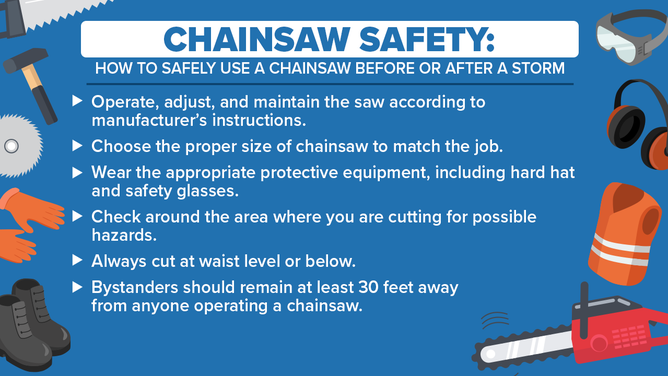
PPE is non-negotiable. Most injuries hit legs, hands, and eyes. Gear reduces risk and buys you time if things go wrong.
Wear this every time you pick up a chainsaw:
- Helmet with face shield or safety goggles and ear protection.
- Chainsaw chaps rated for chain speed.
- Cut-resistant gloves with good grip.
- Steel-toe boots with non-slip soles.
- Long sleeves and snug clothing without loose ends.
If you teach someone else how to use a chainsaw safely, start with PPE. Make it a habit, not a debate.

Know your chainsaw: parts and controls
Learn the controls before you cut. Practice with the engine off. Build muscle memory.
Key parts to know:
- Chain brake stops the chain fast.
- Throttle and throttle lock prevent accidental revs.
- Chain catcher helps if the chain derails.
- Front and rear hand guards protect your hands.
- Choke, primer bulb, and decompression valve aid starting.
- Bar oil cap and fuel cap for fluids.
Understanding these controls is central to how to use a chainsaw safely. Test the chain brake often. It should stop the chain instantly when engaged.

Pre-start checks and setup
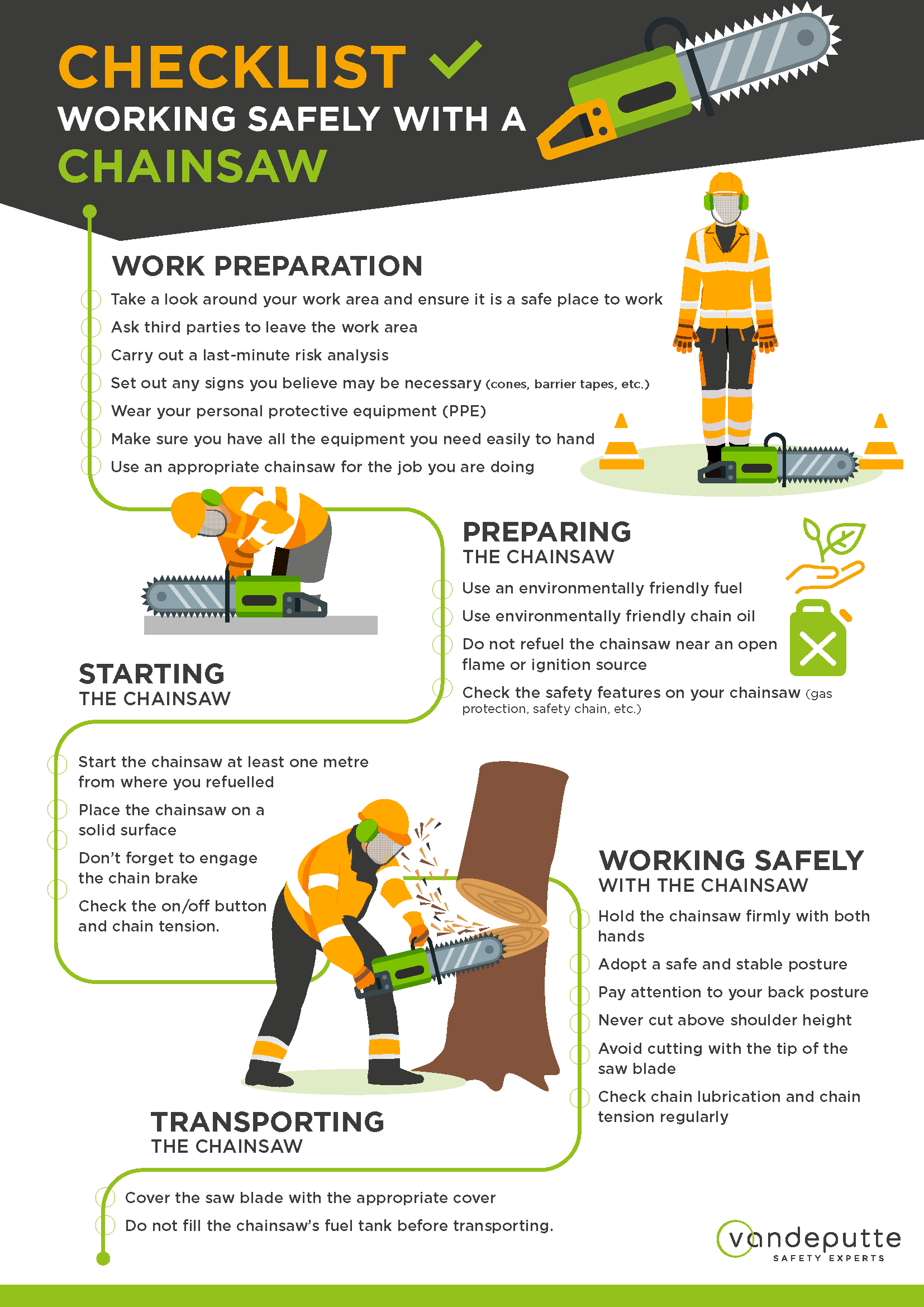
A safe job starts before the start pull. This step saves time and prevents jams.
Do this quick checklist:
- Chain sharpness: teeth are even and edges are crisp.
- Chain tension: pull up mid-bar; drive links should just peek out.
- Bar oil: fill and verify oiling by blipping the throttle over a log.
- Fuel: correct mix if two-stroke, fresh and clean.
- Nuts and screws: snug on bar nuts, top cover, and handle mounts.
- Controls: chain brake engages and releases; trigger lock works.
I add a bright tag on the bar oil cap. It reminds me to top off. Empty oil is a fast route to a burnt bar.
Safe starting methods
Start on firm ground. Keep the chain brake on. Use a safe stance.
Two common safe starts:
- Ground start: right foot in rear handle, left hand on front handle, chain brake set, pull starter with right hand.
- Leg-lock start (for some models): grip rear handle between legs, brake set, left hand on front handle, pull starter.
Never drop-start. That habit leads to loss of control. If you teach a new operator how to use a chainsaw safely, enforce these starts from day one.
Cutting basics: felling, limbing, and bucking
Plan each cut. Look up, down, and around. Clear your escape path.
Felling overview:
- Identify lean, wind, and overhead hazards.
- Mark a 45-degree notch on the fall side.
- Make a hinge with the back cut; never cut it through.
- Retreat on your escape path at a 45-degree angle.
Limbing tips:
- Keep the log between you and the saw when possible.
- Cut on the far side to avoid cutting toward your legs.
- Watch for spring-loaded branches.
Bucking steps:
- Support the log to avoid pinching the bar.
- Cut one-third from the compression side, then finish from the other.
- Stand to the side of the bar, not in line with it.
Understanding these basics is vital for how to use a chainsaw safely. Work slow and keep a stable stance.
Kickback prevention and control
Kickback happens when the bar tip grabs. It can whip the bar toward your face. You must control that zone.
Use these tactics:
- Avoid cutting with the upper bar tip.
- Keep the chain sharp, tensioned, and well-oiled.
- Engage the chain brake when moving between cuts.
- Hold with a firm grip: left thumb locked under the front handle.
- Use a low-kickback chain if you are learning.
- Stand slightly to the left of the bar path.
I once felt a glancing kick at the tip while limbing. The chain brake and locked grip saved me. This is a core lesson in how to use a chainsaw safely.

Maintenance for safe performance
Good maintenance is quiet insurance. A clean, sharp saw cuts straight and stalls less.
Do these routine tasks:
- Sharpen the chain at the same angle and depth.
- Flip the bar at each chain change to even wear.
- Clean the bar groove and oil ports.
- Replace a stretched or damaged chain at once.
- Check the air filter, spark plug, and starter rope.
- Test the chain brake function every session.
Follow your manual for service intervals. A maintained saw makes it easier to teach others how to use a chainsaw safely with confidence.
Weather, terrain, and site hazards
Conditions change risk. Adjust your plan or stop the job. No log is worth a trip to the ER.
Watch for:
- Wind gusts and dead branches overhead.
- Snow, rain, or mud that reduces footing.
- Rocks, wire, or nails in the wood.
- Slopes that affect balance and chain path.
- Bystanders, pets, or vehicles entering the zone.
If wind increases, I pause and reassess. That simple pause is part of how to use a chainsaw safely when nature shifts.
Emergency readiness and first aid basics
Plan for the worst, hope for the best. Seconds matter in a bleed.
Prepare this kit and plan:
- Tourniquet and pressure bandage reachable on your belt.
- Phone, charged, with clear address or GPS noted.
- A partner nearby, or a check-in schedule if solo.
- Know how to apply direct pressure and when to use a tourniquet.
Review first aid steps before you cut. Training here is vital to how to use a chainsaw safely, not optional.
Common mistakes and how to avoid them
Most accidents come from small gaps in routine. Close the gaps with habits.
Avoid these:
- Rushing the plan or skipping PPE.
- Cutting above shoulder height.
- Working with dull chains and poor footing.
- Carrying a running saw.
- Cutting alone without a check-in.
I once tried to limb at chest height to save time. The bar wandered, and the cut bound. Now I reposition or stop. That choice is a core part of how to use a chainsaw safely.
Frequently asked questions of how to use a chainsaw safely
What is the single most important safety step?
Wear full PPE and lock your left thumb under the front handle. Those two steps prevent many common injuries.
How often should I sharpen the chain?
Touch up the chain every tank or two. If you see dust instead of chips, it is time to sharpen.
Can I cut with one hand like in videos?
Do not do that. Two hands on the saw at all times gives control and reduces kickback risk.
What fuel mix should I use for a two-stroke saw?
Use the ratio in your manual, often 50:1 with fresh fuel. Old or incorrect mix harms the engine and can stall mid-cut.
How do I know the chain tension is right?
Pull up on the chain mid-bar. Drive links should just peek out, and the chain should snap back.
Is it safe to cut alone?
It is risky. If you must, set check-ins, share your location, and keep a trauma kit on you.
What should I do if the bar gets pinched?
Stop the saw and set the brake. Wedge the kerf open or cut from the other side without forcing the bar.
Conclusion
Using a chainsaw well is about habits, not heroics. Wear your gear, plan the cut, use safe starts, and keep the chain sharp. Read the wood, control the tip, and stop when things change.
Put these steps in place on your next job. Teach a friend how to use a chainsaw safely using this checklist. Practice, review, and improve. Share your own tips or questions in the comments, and subscribe for more field-tested guides.