Bring the hose inside to warm, or thaw it gently with warm water.
If you woke up to a frozen line, you’re not alone. I’ve dealt with this in my own yard and for clients. In this guide, I’ll show you how to unfreeze garden hose without damage, step by step. You’ll learn safe methods, expert tips, and smart ways to keep it from freezing again.
Why garden hoses freeze (and what that means for you)
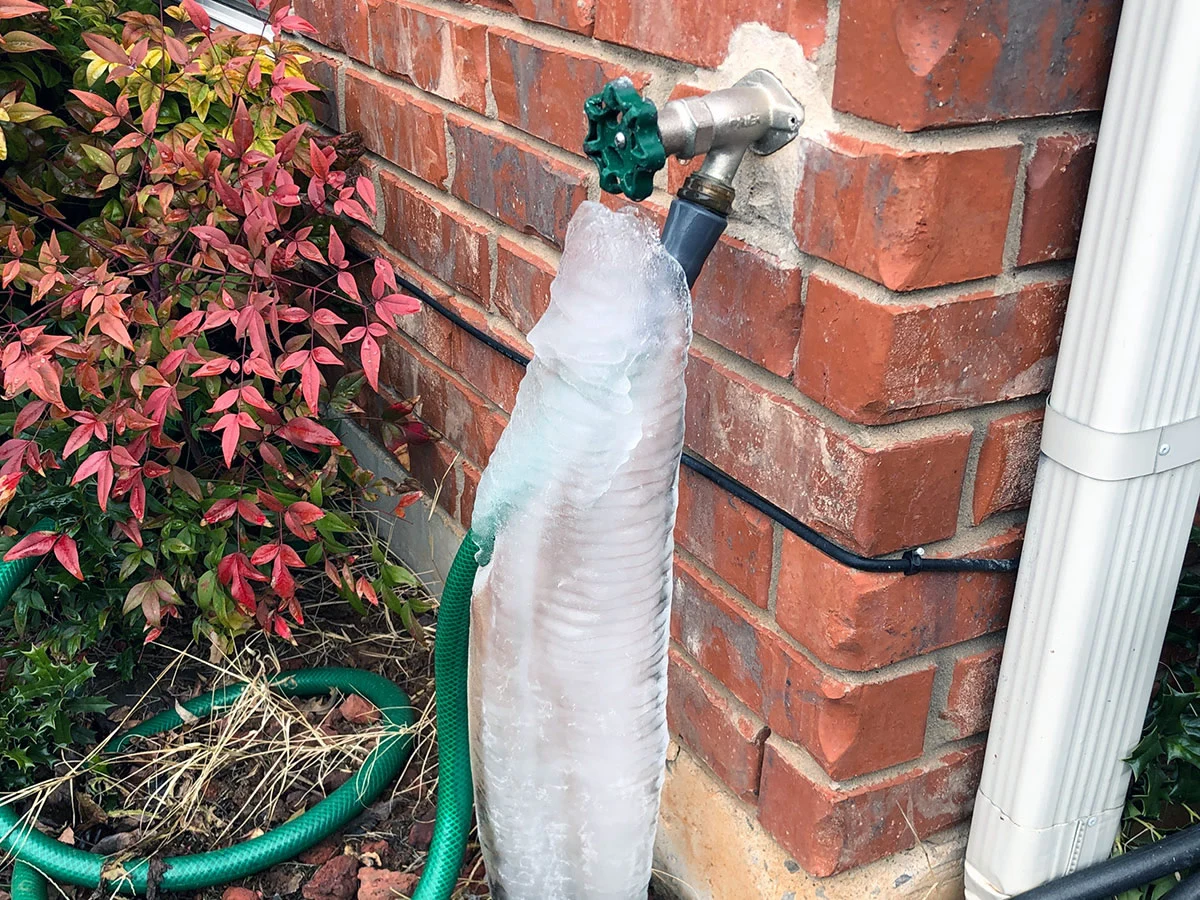
Water freezes at 32°F, and a hose holds water in long, thin sections. That means it freezes fast. When ice expands, it stresses the hose, couplings, and even the outdoor spigot.
If you learn how to unfreeze garden hose the right way, you avoid splits, leaks, and pricey repairs. You also protect the hose washer and vacuum breaker on your spigot.

Safety first: what to do before you start
A few simple steps help you avoid damage and injury.
- Shut off water at the spigot. This keeps pressure from building as ice melts.
- Disconnect the hose if it’s safe to do so. Do not force it if it’s stuck.
- Keep the hose straight. Kinks can trap ice and cause weak spots.
- Never use open flames. Torches and grills can melt or burn the hose.
I’ve seen hoses warp from boiling water and get brittle from harsh heat. Slow, even warmth works best.
Tools and supplies that make thawing easier
You do not need fancy gear. Here’s what helps.
- Buckets or a tub for a warm water bath
- Towels and rags for warm wraps
- Hair dryer or low-heat gun
- Room heater or heated garage
- Infrared thermometer (optional, but handy)
- Hose repair kit and extra hose washers
If you’re learning how to unfreeze garden hose for the first time, gather these first. It makes the job smoother and safer.

Step-by-step: how to unfreeze a garden hose fast and safely
Here are proven methods I use in winter service calls. Start with the gentlest option you can do today.
Method 1: Warm it indoors (lowest risk)
- Carry the hose inside to a warm room, basement, or heated garage.
- Lay it straight in a long line or a wide coil.
- Place towels under it to catch drips.
- Let it sit for 1 to 3 hours. Flip it once if needed.
- Test flow by blowing air through one end or reconnect to the spigot and open gently.
This is my top pick for how to unfreeze garden hose with zero damage.
Method 2: Warm water bath
- Fill a tub or large bin with warm water. Aim for 90–110°F. Not hot.
- Submerge a frozen section. Move along the length as the ice melts.
- Replace water as it cools. Keep temps gentle to protect the hose.
- Drain, shake out water, and lay it straight to dry.
If you need to know how to unfreeze garden hose fast in a pinch, this works well without heat tools.
Method 3: Hair dryer or low-heat gun
- Set to low or medium. Keep it moving to avoid hot spots.
- Start at the end nearest the spigot end. Work toward the free end.
- Hold the nozzle 3 to 6 inches away. Watch for softening or steam.
- Pause if the hose warms too fast.
I’ve seen people scorch hoses by rushing this step. Slow and steady wins.
Method 4: Warm towel wrap
- Soak towels in warm water and wring them out.
- Wrap them around frozen sections.
- Replace with fresh warm towels every 5 to 10 minutes.
- Work your way down the line.
This method is simple and safe when power tools aren’t handy.
Method 5: If the hose is stuck to the spigot
- Wrap the spigot and the first 2 feet of hose with warm, wet towels.
- Use a hair dryer on low to warm the metal fitting.
- When it loosens, disconnect gently and thaw the rest as above.
A quick note on chemicals and salt: Avoid chemical de-icers on hoses, especially near soil or pets. Do not pour salt water inside the hose. It can corrode fittings and harm plants.
By following these steps, you’ll master how to unfreeze garden hose without cracks or leaks.
How to unfreeze garden hose when it’s on a reel, with a nozzle, or kinked
Each setup needs a small tweak.
- Hose reel: Move the reel into a warm area if possible. Unspool the hose as it thaws so ice can slide out.
- Spray nozzle attached: Remove the nozzle once it loosens. Nozzles trap ice and pressure.
- Kinks and tight coils: Straighten the hose as it warms. Kinks slow melting and can hide ice plugs.
- Metal or brass fittings: Warm metal slowly. It heats faster than rubber and can stress the joint.
I’ve thawed many hoses with reels on job sites. The trick is patience and keeping it straight as you go.
Prevent it from freezing again
Once you know how to unfreeze garden hose, plan to stop repeat freezes. Prevention saves your hose and your spigot.
- Drain after every use. Lift one end and walk the length to push water out.
- Store indoors. A garage or shed is better than open air.
- Use quick-connects. They make it easy to detach before temps drop.
- Add insulation. Foam pipe sleeves or an insulated bag for the spigot help a lot.
- Install a frost-free sillcock. It drains when off and protects your line.
- Use a heated hose if you must run water in winter. Pick a model with thermostat control.
I swapped to quick-connects years ago. It made late fall nights so much easier.

Common mistakes to avoid
These are the things I see most often in winter calls.
- Pouring boiling water on the hose. This can warp the liner and ruin couplings.
- Using a torch or open flame. Fire risk and melted rubber are not worth it.
- Forcing a frozen fitting. You can crack the spigot or strip threads.
- Leaving the hose on the spigot overnight. It can freeze the valve inside the wall.
- Skipping a leak check after thaw. Small splits grow fast under pressure.
Learn how to unfreeze garden hose the safe way once, and you’ll avoid these headaches for years.
:max_bytes(150000):strip_icc()/SPR-preventing-and-thawing-frozen-water-pipe-1824905-hero-43ff266b19934862b33bfb265464998a.jpg)
Troubleshooting after thaw: check for damage and leaks
When the hose is thawed, do a quick health check.
- Inspect couplings and washers. Replace worn or cracked parts.
- Run water at low pressure first. Look for drips along the line.
- Flex the hose gently. Watch for bulges or soft spots.
- If you find a split, cut it out and add a repair barb and clamps.
Testing now avoids mid-watering blowouts later. This is the final step in how to unfreeze garden hose the right way.

Frequently Asked Questions of how to unfreeze garden hose
How long does it take to thaw a garden hose?
Most hoses thaw in 30 minutes to 3 hours, based on temperature and method. Indoors with warm air is usually fastest and safest.
Can I use hot water to thaw a hose?
Use warm water, not hot or boiling. Extreme heat can soften the hose and damage seals.
What if the hose is frozen to the spigot?
Warm the spigot and fitting with warm towels or a hair dryer on low. Once it loosens, disconnect and thaw the hose as usual.
Will salt help melt ice inside the hose?
Avoid salt. It can corrode fittings, harm soil, and does not work well inside hoses.
How can I prevent freezing in the future?
Drain and store the hose indoors, insulate the spigot, and use quick-connects. A frost-free sillcock or heated hose also helps.
Is it safe to use a heat gun?
Yes, on low, moving the heat and keeping distance. Never use open flames, and avoid high heat that can scorch the hose.
Can a frozen hose burst?
Yes, especially at couplings and weak spots. Thaw slowly and check for leaks after.
Conclusion
You can thaw a frozen hose without harm if you use gentle heat, patience, and a clear plan. Bring it inside, use warm water or a hair dryer on low, and keep the hose straight as ice melts. Then check for leaks and store it dry.
Now that you know how to unfreeze garden hose the smart way, put these steps to work today. Prevent the next freeze with quick-connects, insulation, and proper storage. Want more practical yard care tips? Subscribe and share your questions in the comments.