How To Remove Weeds Without Damaging Plants: Safe Methods
Remove weeds at the root in moist soil, using shields and precise hand-weeding.
If you have ever tugged a dandelion and snapped the taproot, you know the pain that follows. In this practical guide, I show how to remove weeds without damaging plants with methods I use in client gardens and my own beds. You will learn what to pull, what to cut, when to act, and which tools and barriers keep beds clean. If you want safe, repeatable steps for how to remove weeds without damaging plants, you are in the right place.

Core principles for how to remove weeds without damaging plants
- Weed after rain or a deep soak. Moist soil lets roots slide out clean.
- Pull from the base. Grasp at the crown and lift the whole root.
- Disturb soil as little as you can. Fewer new seeds reach the light.
- Work slow near crop roots. Shield, part foliage, and use narrow tools.
- Cut, don’t yank, on brittle rhizomes. Undercut first, then lift.
- Keep mulch on the soil. Sunlight fuels weed seed. Block it.
- Inspect weekly. Small weeds come out fast and with less risk.
These core habits are the backbone of how to remove weeds without damaging plants.
:max_bytes(150000):strip_icc()/GettyImages-2073766160-878aa1acbffc41e3b1a3fade7d6df60b.jpg)
Know your weeds: ID and life cycles
Not all weeds need the same move. Learn the type before you act.
- Annuals like chickweed and crabgrass sprout from seed. Uproot or hoe at the white-thread stage.
- Biennials like burdock form a rosette, then flower the second year. Remove the rosette with the taproot now.
- Perennials like dandelion, bindweed, and nutsedge store energy in roots or rhizomes. You must remove or starve the storage organ.
Spot the crown, root type, and spread method. That choice drives how to remove weeds without damaging plants.

Safe tools and precise techniques
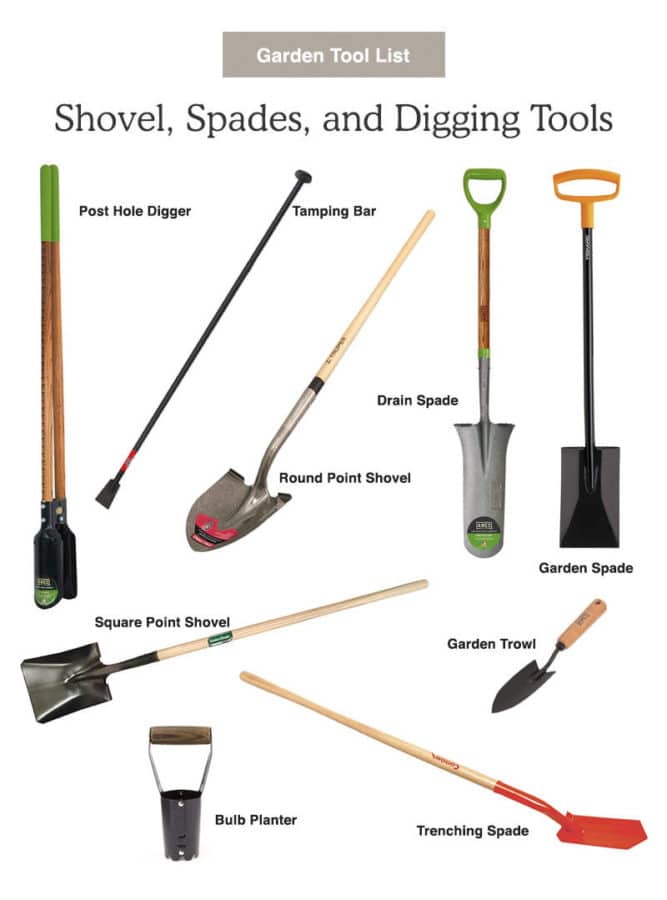
I keep a small kit for tight spots and around tender stems.
- Hori-hori or soil knife for slicing under crowns.
- Fishtail or dandelion weeder for taproots next to ornamentals.
- Hand fork for loosening compacted soil before a gentle pull.
- Loop or stirrup hoe for fast skim cuts on small annuals.
- Collinear hoe for tight rows without hitting crops.
- Weed wrench for woody invaders in shrubby edges.
Field-tested moves I use every week:
- Pinch-and-lift: Pinch the weed at the base. Wiggle, then lift steady and slow.
- Two-hand brace: One hand secures the crop stem. The other eases the weed out.
- Undercut first: Slip a knife under the crown. Cut roots, then lift the plant whole.
- Tease, do not till: Pry to free roots. Avoid flipping soil layers.
- Bucket discipline: Bag seed heads at once. Do not drop them in the bed.
Use these micro-moves when you practice how to remove weeds without damaging plants.

Mulch and barriers that protect plants
Mulch blocks light, holds water, and prevents soil splash.
- Apply 2 to 3 inches of fine shredded bark, leaves, or composted wood chips.
- Keep a mulch donut, not a volcano. Leave a clear ring around stems.
- Top up thin spots each season. Thin mulch leaks light to weed seeds.
- Use cardboard under paths or open ground, then add mulch on top.
- Skip landscape fabric in planting beds. It traps roots and makes future weeding hard. Use it only in paths.
A steady mulch layer is one of the easiest ways for how to remove weeds without damaging plants.

Thermal and smothering methods
Heat and darkness can do the slow work for you.
- Flame pre-emergence: Before crops sprout, pass a flame weeder over the bed to wilt tiny weeds. Shield nearby plants.
- Steam or hot foam: These tools cook the top growth. Use along edges and cracks.
- Solarization: In hot months, wet the soil. Cover with clear plastic for 4 to 6 weeks to kill seeds near the surface.
- Occultation: Lay black tarps for a few weeks to weaken seedlings without heat.
Use heat with care. Never flame near dry mulch or close to prized shrubs. Thoughtful use fits well with how to remove weeds without damaging plants.
Precision herbicides when you must
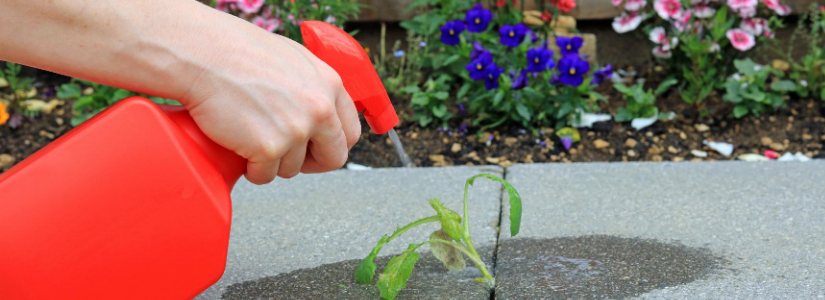
Sometimes a spot treatment saves the day, especially with tough perennials.
- Selective herbicides: Grass-only sprays can remove grassy weeds in broadleaf beds.
- Non-selective options: Apply with a wiper, sponge, or brush-on gel to single leaves of invasive weeds.
- Aim on quiet days. No wind, no drift. Spray low and slow.
- Read the label. Follow rates, wait times, and safety gear.
- Protect crops with cardboard or a plastic shield while you treat.
Reserved, careful use can be part of how to remove weeds without damaging plants, especially for deep rhizomes you cannot dig.

DIY sprays and myths: vinegar, salt, soap
Household mixes can scorch leaves, but they also scorch your plants.
- Vinegar (even 20%) burns top growth. It does not reach deep roots.
- Salt harms soil and nearby plants. It builds up and lingers. Avoid it in beds.
- Boiling water works for cracks in hardscape, not in beds with roots.
If you test a contact spray, shield crops with a board or bucket. Spot-test first. This honest view is key to how to remove weeds without damaging plants.

Prevention and a simple maintenance rhythm
Prevention beats rescue every time.
- Plant dense. Tight canopies shade soil and block germination.
- Water only where needed. Drip lines cut weeds between rows.
- Clean compost. Hot piles kill seeds; cool piles do not.
- Pre-emergent in ornamentals: Products like trifluralin can stop annual seeds. Follow labels with care.
- Corn gluten meal has mixed results in studies. Treat it as a helper, not a cure.
- Walk-and-pluck once a week. Five minutes now saves an hour later.
This rhythm forms the heart of how to remove weeds without damaging plants.

Tactics by garden type
Different beds, different plays.
- Vegetables: Hoe shallow for young weeds. Flame before seedlings emerge. Mulch paths with wood chips and rows with straw.
- Perennials: Hand-weed close to crowns. Use a dandelion fork. Top up mulch each spring.
- Shrubs and trees: Pull invaders early. Keep a wide mulch ring free of weeds and lawn.
- Lawns: Mow tall, overseed thin spots, and water deep but rare. Spot-treat broadleaf weeds with a targeted product.
- Containers and raised beds: Start with clean potting mix. Mulch with fine bark. Check weekly.
Tailoring methods by bed type sharpens how to remove weeds without damaging plants.
Mistakes to avoid and pro tips from the field
From years on my knees in tight borders, here is what matters.
- Do not yank when soil is dry. You will snap roots and spread fragments.
- Do not till to “clean up.” You will wake a seed bank that sleeps for years.
- Do not leave seed heads on the soil. Bag them right away.
- Do not mulch over live perennials like bindweed. They will snake out.
Pro tips I use:
- Weed the day after rain. Roots slide free. Plants stay safe.
- Slide a knife under crowns. Lift, do not twist.
- Use a knee pad and a headlamp for cool evening sessions. You see every sprout.
- Keep a small paintbrush for gel herbicide on a single leaf of a bully weed.
These save time and keep focus on how to remove weeds without damaging plants.
A simple step-by-step plan for a new or messy bed
- Water the area well or wait for a good rain.
- Walk the bed and flag prized plants and seedlings.
- Start with the largest weeds. Undercut and lift whole roots.
- Skim-hoe seedlings at the white-thread stage.
- Rake lightly. Remove all debris and any seed heads.
- Lay 2 to 3 inches of mulch, keeping clear rings around stems.
- Return in one week for a quick pass. Repeat weekly.
This plan builds a clean base and keeps you on track with how to remove weeds without damaging plants.
A seasonal weed calendar
- Spring: Pre-empt with a flame pass or a shallow hoeing. Mulch early.
- Early summer: Patrol weekly. Pull after rain. Fill gaps with groundcovers.
- Late summer: Deadhead weeds before they set seed. Water only crops.
- Fall: Remove perennials with deep roots. Top up mulch. Consider solarization in hot regions.
- Winter: Clean tools. Plan plant density and drip lines for next year.
A clear calendar makes how to remove weeds without damaging plants feel easy and calm.
Frequently Asked Questions of how to remove weeds without damaging plants
What time of day is best for weeding?
Morning after a rain or deep watering is ideal. Soil is soft, roots slide out, and plants perk back up fast.
How close can I weed near delicate roots?
Work within an inch using a narrow knife and slow motions. Brace the crop stem with one hand while you ease the weed with the other.
Will mulch alone stop all weeds?
Mulch reduces most weeds by blocking light. Some perennials still push through, so combine mulch with hand-pulling.
Are vinegar sprays safe around vegetables?
They can burn leaves on contact and do not spare your crops. Shield plants and spot-test if you try them.
How do I tackle bindweed without hurting shrubs?
Train a few bindweed vines onto a stake and treat those leaves only with a gel herbicide. Repeat as new growth appears to starve the roots.
Conclusion
Clean beds are not about force. They are about timing, gentle tools, and small weekly wins. With moist soil, careful pulls, steady mulch, and smart shields, you now know how to remove weeds without damaging plants in any bed or season. Try one bed this week, log what works, and build your own rhythm. Share your results, subscribe for fresh garden tips, or ask a question so we can solve your tricky patches together.