Water deep, mow high, and protect soil to help lawns survive drought.
If you want to know how to care for lawn during dry season, you’re in the right place. I’ve helped homeowners get strong turf through long, hot spells. In this guide, I’ll show you how to care for lawn during dry season with simple steps, expert tips, and clear routines you can follow today. Let’s protect your yard and save water at the same time.
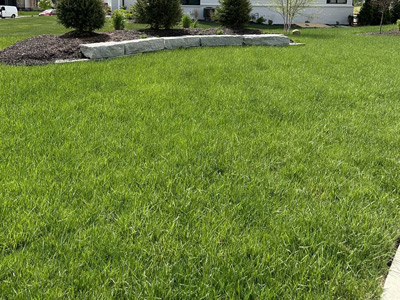
Core Dry-Season Lawn Strategy
Dry season is a stress test. Your lawn needs a plan, not guesswork. Here is the blueprint that works in real yards, in real heat.
- Conserve water with smart timing and even coverage.
- Keep grass taller to shade soil and cool roots.
- Feed soil life so it holds water longer.
- Reduce foot traffic and mower stress.
I use this four-part plan when I teach new homeowners how to care for lawn during dry season. It focuses on prevention first, quick fixes second. If you remember one thing about how to care for lawn during dry season, remember this: protect the roots, and the top will follow.

Watering Smart: Deep, Infrequent, Timed
Aim for deep roots. Water less often but for longer sessions. Most lawns do well with about 1 inch per week, total. Warm-season grasses may need less once established.
- Water early morning, ideally before sunrise. You reduce loss to wind and heat.
- Use the cycle-and-soak method. Run each zone for short cycles, then pause. Let water soak in before the next pass.
- Measure output. Place cups or tuna cans to track 1 inch. Adjust run times to match.
- Check infiltration. If water runs off, pause. Try shorter cycles. Fix thatch or compaction if needed.
- Try a screwdriver test. Push a screwdriver into soil. If it stops at 1 inch, water has not reached roots.
Research shows this pattern builds deeper roots and saves water. It is the backbone of how to care for lawn during dry season.

Mowing and Traffic Management
Raise the mower deck. Taller grass shades soil and slows water loss. Follow the one-third rule. Never cut more than one-third of the blade at once.
- Mow high. Cool-season lawns: 3 to 4 inches. Warm-season lawns: 2 to 3 inches, based on type.
- Keep blades sharp. Dull blades shred tips and waste water.
- Leave clippings. They act like free mulch and feed the soil.
- Limit foot traffic. Dry turf bruises fast. Use paths or pavers for regular routes.
This is the easiest way to start how to care for lawn during dry season without spending more money.

Soil Health and Aeration
Healthy soil is your water bank. It stores moisture and releases it slow. That is why I focus on soil first.
- Core aeration opens the ground. Do it when your grass is in its active season.
- Topdress with compost. A thin layer helps soil hold water and boosts microbes.
- Fix hydrophobic soil. If water beads on top, use a lawn wetting agent. Choose one labeled for turf. Avoid dish soap that can hurt plants.
- Manage thatch. Too much thatch sheds water. Dethatch if the layer is over half an inch.
When you learn how to care for lawn during dry season, you learn to care for soil. Strong roots can ride out heat longer and need fewer fixes.
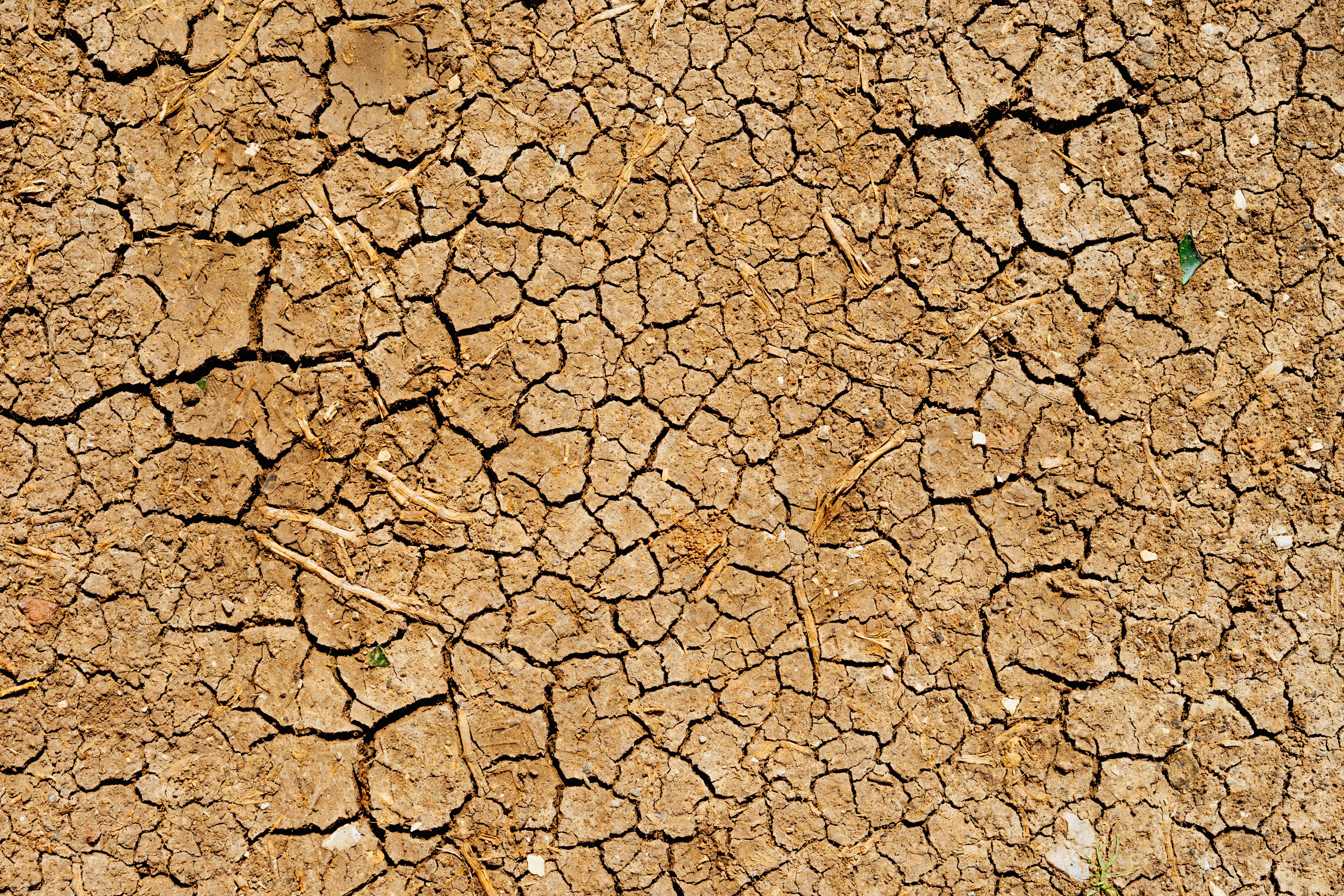
Feeding and Amendments During Drought
Fertilize with care. Heavy nitrogen in peak heat can backfire. It pushes growth when the plant is thirsty.
- Use slow-release nitrogen in light doses. Spoon-feed if needed.
- Add potassium if a soil test shows low K. It helps with stress and water balance.
- Consider iron for color. It greens the lawn without extra growth.
- Skip herbicides and hard sprays during stress. Wait until recovery for best results.
This balanced approach is key in how to care for lawn during dry season. Feed wisely so the plant can cope, not collapse.
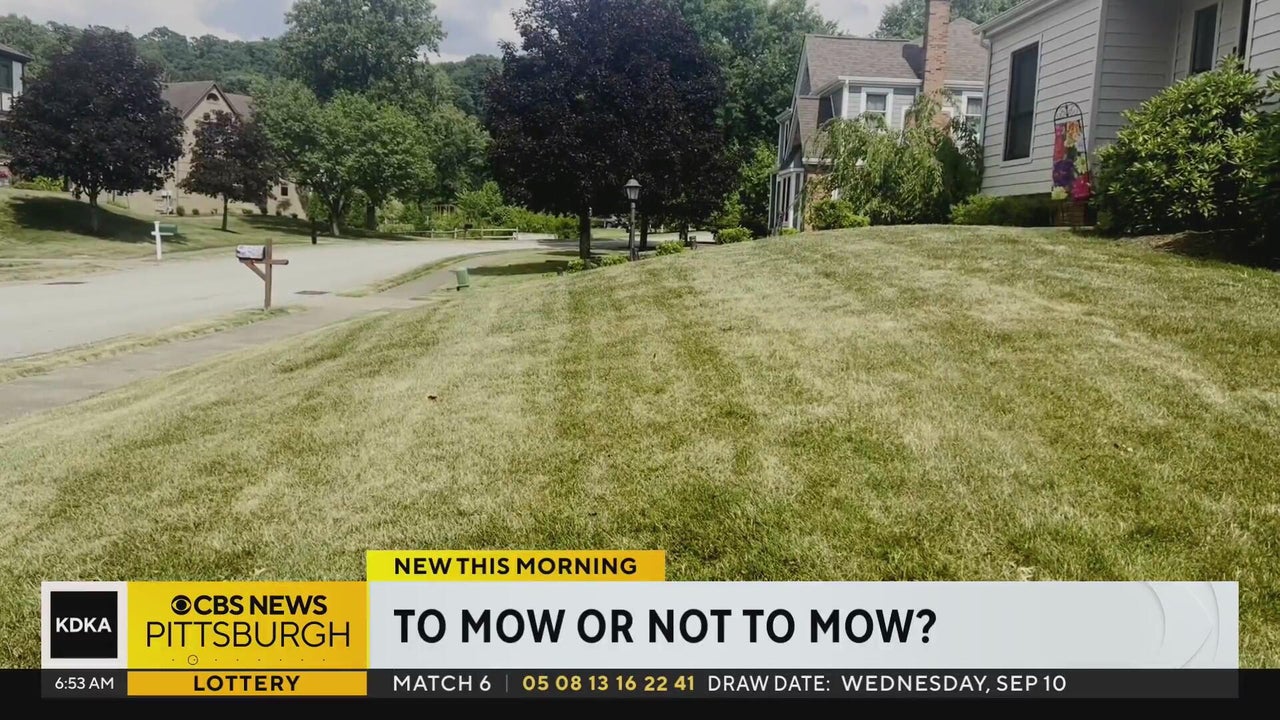
Weed, Pest, and Disease Management Under Stress
Drought gives weeds and pests an edge. You can still stay ahead with light-touch steps.
- Scout weekly. Look for hot spots, weeds, and brown patches.
- Hand-pull or spot treat weeds. Do not broadcast spray unless the lawn is stable.
- Watch for grubs and chinch bugs. Lift the turf and check. Treat only if you meet thresholds.
- Improve airflow. Mow right and water early to cut disease risk.
This is practical, real-world how to care for lawn during dry season. Keep damage small so recovery is fast.

Renovation and Recovery After Drought
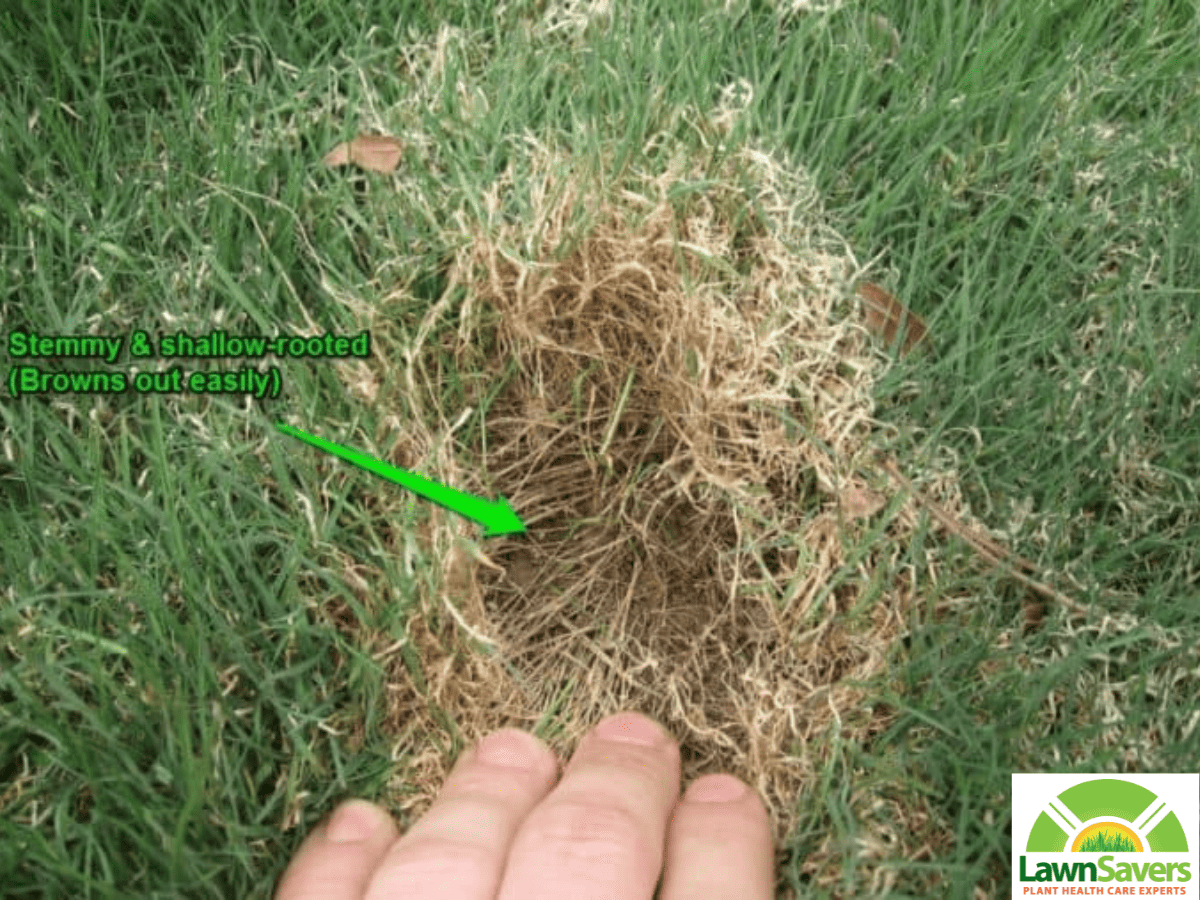
Dormant grass is tan but still alive. Dead grass pulls out easy. Use a tug test. If it holds, it may bounce back with water and time.
- For cool-season lawns, overseed in early fall. Soil is warm, air is cool, and rains help.
- For warm-season lawns, repair in late spring to early summer. Use seed, plugs, or sod for faster fill.
- Prep the surface. Mow low, rake clean, and topdress light. Keep seed moist until sprout and root.
- Time pre-emergent herbicides with care. They can block new seed.
When I coach neighbors on how to care for lawn during dry season, I stress patience. Give the lawn a steady plan and it rebounds.
Regional Considerations and Grass Types
Your grass type sets the rules. Match care to your region and species.
- Cool-season grasses like Kentucky bluegrass, fescue, and rye prefer fall work. They may go dormant in summer heat.
- Warm-season grasses like Bermuda, Zoysia, St. Augustine, and Bahia love heat. They handle dry spells better once mature.
- Adjust height by type. Follow local extension guidance for the best range.
- Track water limits. Many cities set drought rules. Tune your schedule to stay compliant.
Knowing your species is part of how to care for lawn during dry season. It lets you make smart, local choices.

Tools, Scheduling, and Monitoring
Simple tools make big gains. You do not need a pro rig to get pro results.
- Use a soil moisture meter or the screwdriver test to check depth.
- Add a rain sensor or smart controller to skip wasteful runs.
- Map zones and note sunny, windy, and shaded spots. Water by need, not habit.
- Keep a lawn log. Track mow height, water times, and weather.
A steady routine is the secret to how to care for lawn during dry season. Measure, adjust, and repeat.
Frequently Asked Questions of how to care for lawn during dry season
How often should I water during drought?
Water deeply once or twice per week, not daily. Aim for about 1 inch total unless local rules or soil type call for less.
Is it okay to let my lawn go dormant?
Yes. Many grasses survive dormancy for several weeks if roots stay alive. Keep minimal water to protect crowns.
What mowing height is best in hot, dry weather?
Raise the deck. Most cool-season lawns do best at 3 to 4 inches. Warm-season types vary, but taller blades shade soil and save water.
Should I fertilize in peak heat?
Go light or pause. Use slow-release and avoid heavy nitrogen. Feed again when temps drop and rain returns.
How do I know if a brown lawn is dead or dormant?
Do a tug test and look at crowns. If the plant pulls out easy and crowns are dry and gray, that area is likely dead and needs repair.
Conclusion
Dry season lawn care is about steady habits, not luck. Water deep, mow high, care for soil, and limit stress. Then recover with smart timing when heat breaks. Small steps done well will save water and keep your turf alive.
Start with one change this week. Raise the mower, measure water, or test your soil. If this guide helped, subscribe for more lawn tips, ask a question, or share your results with the community.