

Shred dry leaves with a mulching mower, make several passes, and leave a thin layer.
If you’re wondering how do i mulch leaves without wrecking your lawn or beds, you’re in the right place. I’ve mulched leaves for years across small yards and big lots, in wet falls and dry ones. I’ll show you how do i mulch leaves step by step, when to do it, the tools that help, and the little tricks that make it easy and safe. Stick with me, and you’ll turn fall cleanup into free, healthy mulch your soil will love.
Why mulching leaves is worth it
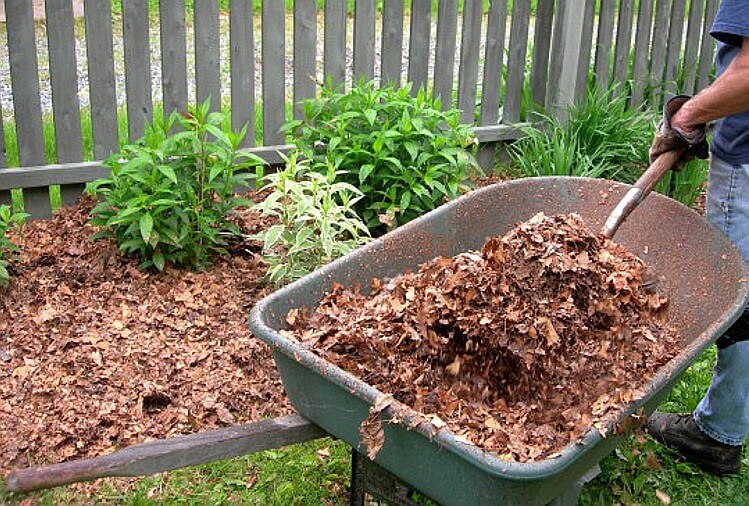
Mulching turns leaf piles into food for your soil. Shredded leaves boost organic matter, hold water, and feed soil life. That means better roots and fewer weeds over time.
Research shows mulched leaves do not harm lawns when done right. In some tests, lawns with mulched leaves had fewer dandelions. You also keep bags out of landfills and save time and money.
As the leaves break down, they release small amounts of nutrients. The effect builds each season. Do this every fall, and your lawn and beds get softer soil and steadier growth.

What you need to mulch leaves
You do not need fancy gear. A basic mower can work. A mulching blade just does it better.
- Mulching mower or mower with a mulching plug helps chop leaves into fine bits.
- Standard mower works if you make extra passes at a slower pace.
- Rake or leaf blower helps gather thick spots into a thin layer.
- Safety gear like eye protection and closed shoes keeps you safe.
- Compost bin or bags hold extra mulch for beds or paths.
I sharpen my blade each fall. A sharp blade turns leaves into confetti. A dull blade tears and clumps.
Step-by-step: how do i mulch leaves on a lawn
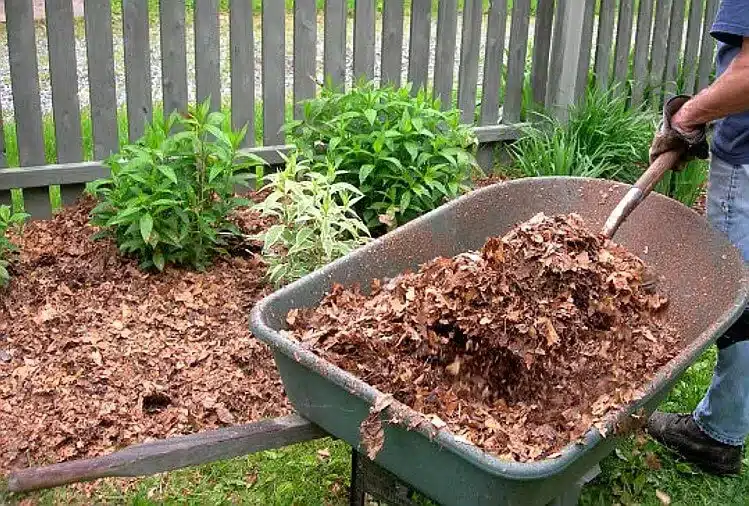
Here is how do i mulch leaves in a simple, clean way. Pick a dry day. Wet leaves clump and stick under the deck.
- Set mower height to about 3 inches. Taller grass helps catch and pin down leaf bits.
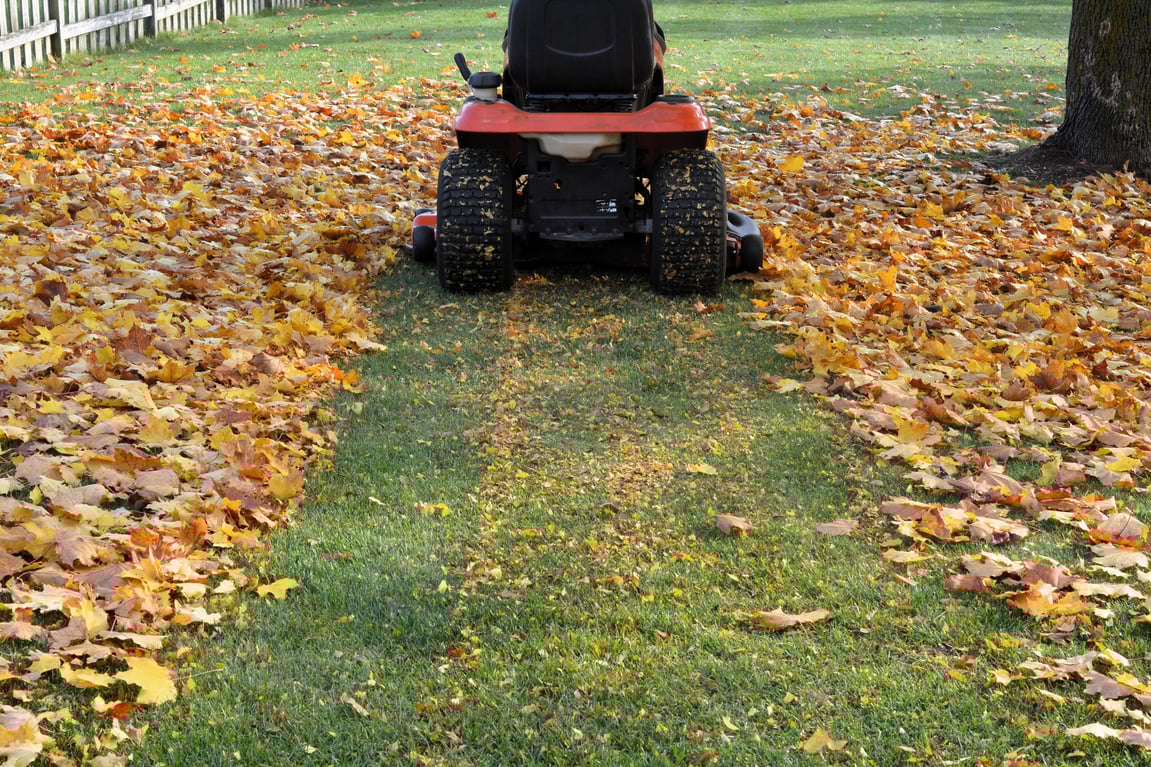
- Start on the highest leaf density. Go slow. Overlap each pass by one third.
- Make a second pass in a crosshatch pattern. The goal is leaf bits the size of a dime or less.
- Look down. You should still see grass tips peeking through. If not, make one more pass.
- If you still have a heavy layer, bag a portion on the last pass. Use that bagged mulch in beds.
After you finish, water lightly for a few minutes. This settles mulch into the canopy. It also speeds breakdown.
How do i mulch leaves for garden beds and trees
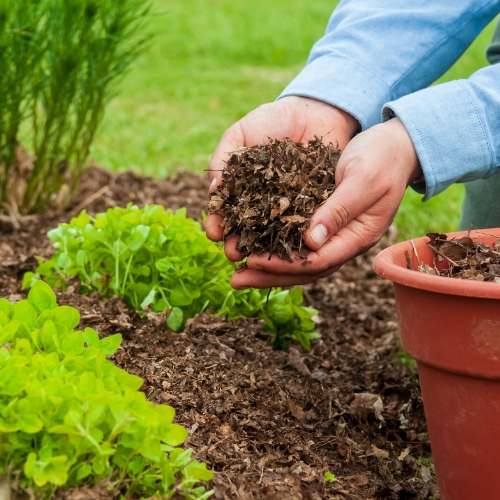
For beds, how do i mulch leaves so plants thrive and stems stay safe? Shred first, then layer.
- Apply 2 to 3 inches of shredded leaves around plants.
- Keep mulch a few inches away from stems and trunks.
- Mix in a bit of grass clippings or compost to add nitrogen.
- For paths, use a 3 to 4 inch layer and top it up mid-winter.
I mulched my veggie beds this way after frost. The soil froze less and drained better. Spring weeds were lighter, and the soil felt like cake.
When to avoid mulching in place (and what to do instead)
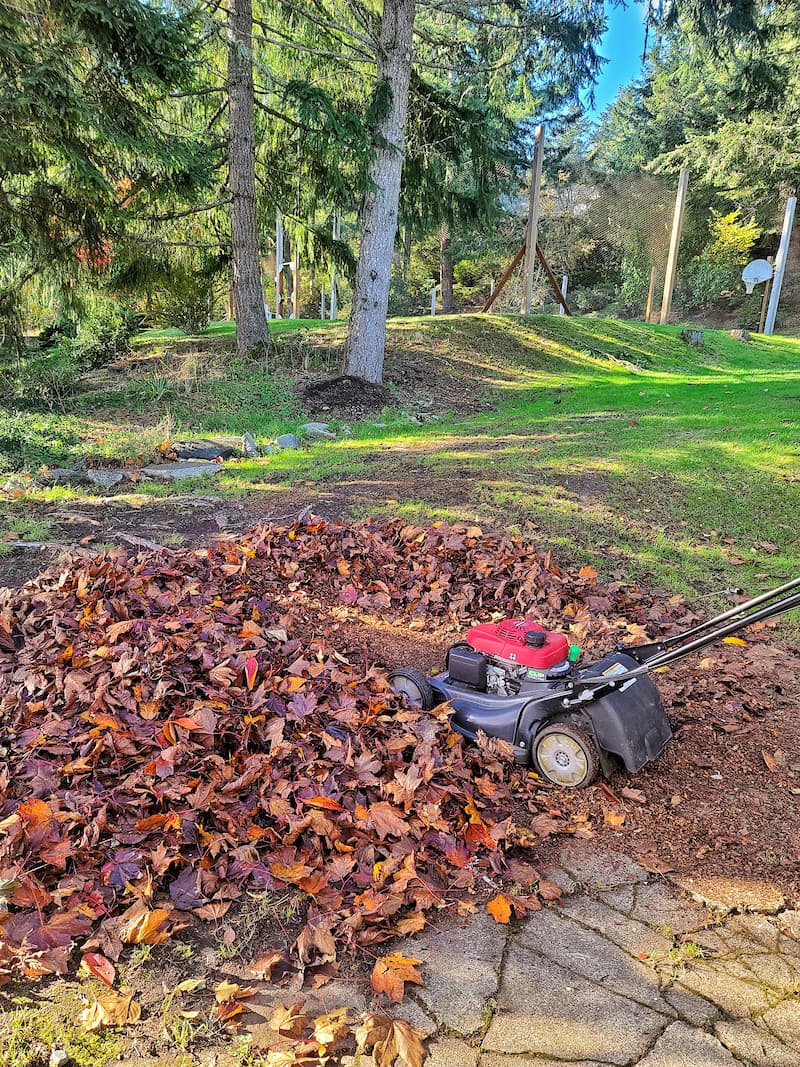
Sometimes how do i mulch leaves means knowing when not to. Avoid mulching thick, wet mats. They can smother grass and invite mold.
If leaves are soaked, let them dry a day or two. If you have disease-prone leaves, like leaf spot on a crabapple, mulch them but send the leftovers to green waste pickup. For black walnut areas, keep mulch thin and away from veggies.
On slopes or near drain inlets, do not leave loose mulch. Bag some and use it in beds. Keep storm paths clear so water can flow.
Timing and seasonal game plan
Wondering when and how do i mulch leaves to keep up with fall drop? Do light passes every week as leaves fall. It is easier than one big push.
Late fall, do a final pass after most leaves drop. In spring, mulch any leftovers during the first mow. That clears the canopy without stress.
I aim for short sessions. Thirty minutes weekly beats a three-hour grind in the cold. Your mower will thank you too.
How much is too much? Simple rules to follow
A common worry is how do i mulch leaves without smothering grass. Use these rules.
- You should still see grass tips after mowing.
- Process no more than about an inch of leaf depth per pass.
- If the mower strains or clumps form, stop and bag some.
- Spread extra mulch into beds or start a leaf mold pile.
Most lawns can handle many fall rounds if you keep layers thin. Many small passes beat a single heavy one.

Extra uses for mulched leaves: compost, leaf mold, and paths
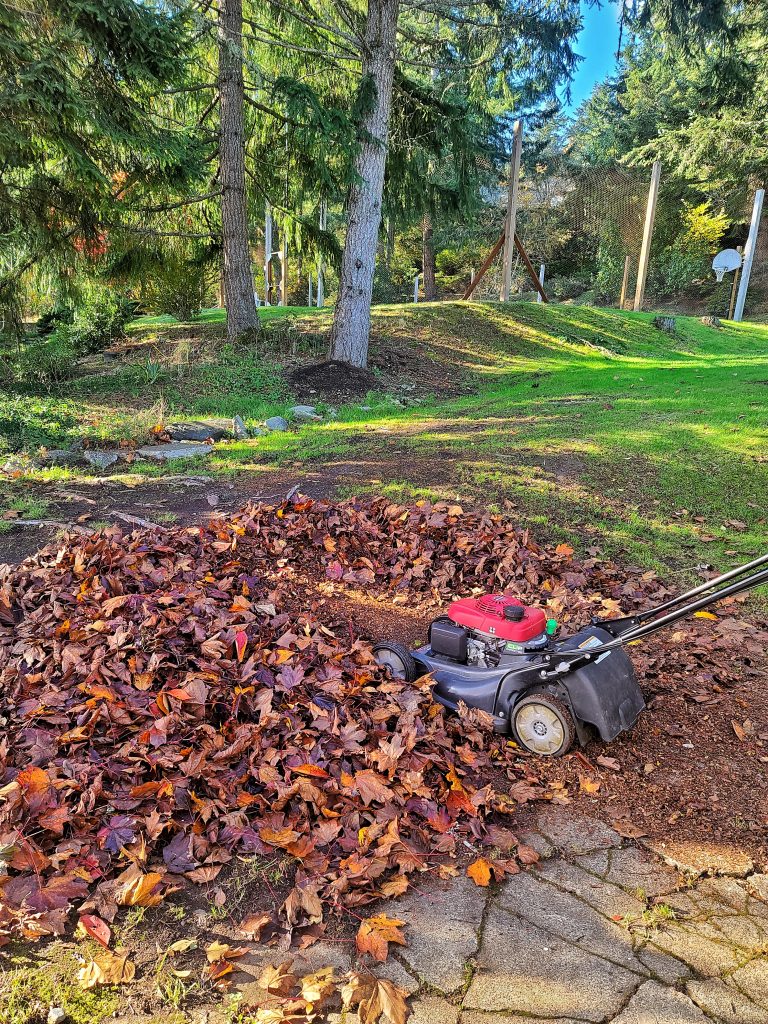
If you have more mulch than your lawn can take, how do i mulch leaves and store the rest? Make simple piles.
- Compost: Mix two parts leaves with one part green waste. Keep it moist like a wrung-out sponge. Turn it now and then.
- Leaf mold: Pile shredded leaves, moisten, and ignore. In 6 to 12 months, you get dark, crumbly mulch.
- Paths: Use a thicker layer to cushion foot traffic. Top up after big storms.
I stash extra leaf mulch in old bins behind the shed. By spring, it is a dream top-dress for beds.

Safety, care, and mower tips
Good habits make how do i mulch leaves safe and smooth.
- Wear eye protection and sturdy shoes.
- Clear sticks, stones, and hidden toys before you mow.
- Keep kids and pets inside while you work.
- Check and clean the deck after you finish.
- Sharpen blades at least once per season.
If your mower has a mulching plug, install it before fall. It boosts airflow and chopping power.
Troubleshooting and mistakes to avoid
Things go wrong. Here is how do i mulch leaves when it is not perfect.
- Clumps in trails: Slow down, raise the deck one notch, and crosshatch.
- Wet leaf sludge under the deck: Stop, scrape, and wait for a dry window.
- Brown smothered spots: Rake off excess, water, and let grass recover.
- Mower bogs down: Empty bag sooner or take narrower passes.
I once rushed after a rain and mulched wet oak leaves. It looked like soup. I waited a day, mowed again, and it cleared up fast.
Frequently Asked Questions of how do i mulch leaves
How do I mulch leaves if I only have a basic mower?
Close the discharge, mow slow, and make two or three passes. If clumps form, bag part of the pile and spread it in beds.
Will mulching leaves hurt my lawn?
No, not if you keep layers thin and mow when dry. Studies show lawns can benefit from mulched leaves over time.
Can I mulch pine needles and oak leaves?
Yes, but shred them well and keep layers thin. Add a bit of nitrogen from grass clippings or compost to help them break down.
How often should I mulch leaves in fall?
Once a week during peak drop works well. Light, frequent passes are easier and kinder to the lawn.
What if I have too many leaves for the lawn?
Mulch some into the turf and bag the rest for beds, paths, or a leaf mold pile. Spreading the load keeps your lawn healthy.
Do I need a mulching blade?
It helps, but it is not required. A sharp standard blade and extra passes can still do the job.
Conclusion
Mulching leaves is simple, fast, and good for your soil. Keep layers thin, mow when dry, and use extra mulch in beds or piles. With this plan, fall cleanup feeds your yard instead of filling bags.
Try these steps this weekend and see the difference by spring. If you found this helpful, share it with a neighbor, subscribe for more yard tips, or drop your questions in the comments.


