

Gardening Education Resources: Best Free Guides 2026
The best gardening education resources blend local science, hands-on practice, and community support.
I have spent years testing classes, extension guides, books, and demo gardens. This guide breaks down the most useful gardening education resources for real yards and real budgets. You will see what works, what to skip, and how to build a simple plan that fits your zone, space, and time.
What counts as gardening education resources?
Gardening education resources are tools that teach you how to grow plants with skill. They include books, videos, courses, field days, and local advisors. The best options are clear, local, and backed by research.
Use them to solve real problems. Think weeds, pests, soil health, and water use. Focus on information that fits your climate and site.
Common types include:
- University extension websites and fact sheets that use peer‑reviewed science
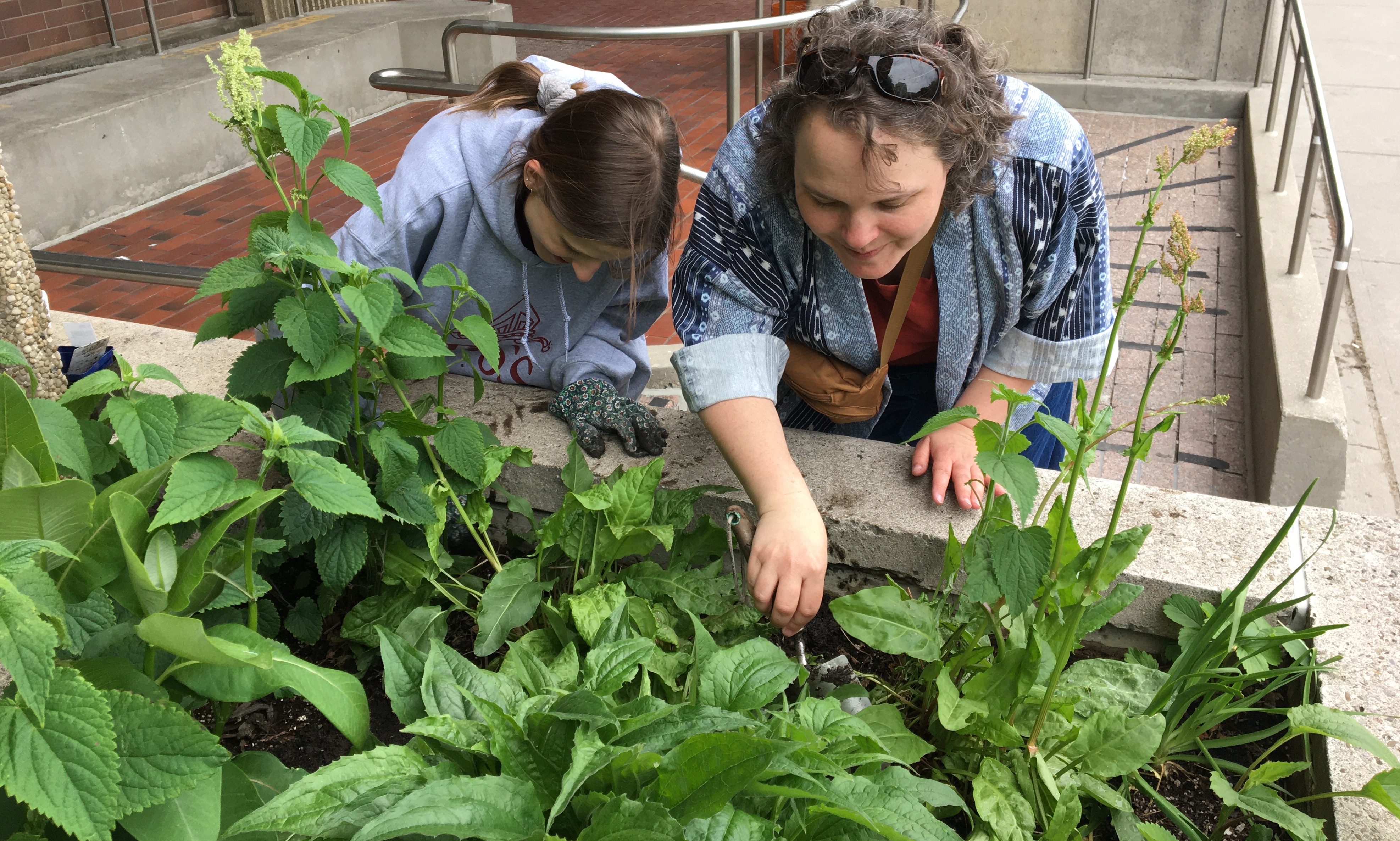
- Master Gardener programs with classes, clinics, and helplines
- Local libraries with books, seed libraries, and workshops
- Online gardening courses and MOOCs with structured lessons
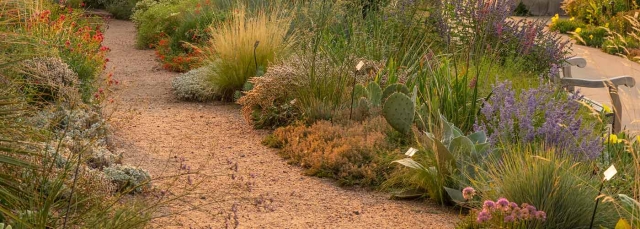
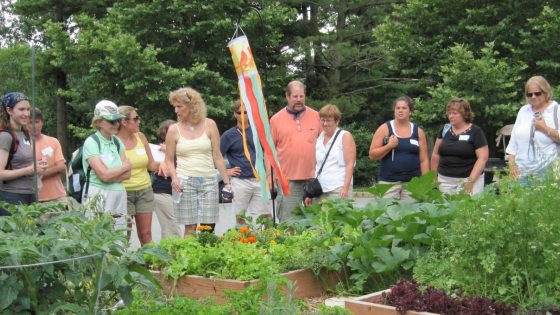
- Demo gardens, arboreta, and community gardens for hands-on learning
- Podcasts, YouTube, and newsletters for quick tips
- Nurseries with trained staff and seasonal talks
Gardening education resources help you learn fast and avoid costly mistakes. They also connect you with mentors and neighbors.
Core types of gardening education resources
University extension and Master Gardener programs
These offer research-based guides, plant clinics, and soil test kits. You can attend short classes, join workdays, and get hotline advice. Many materials are free.
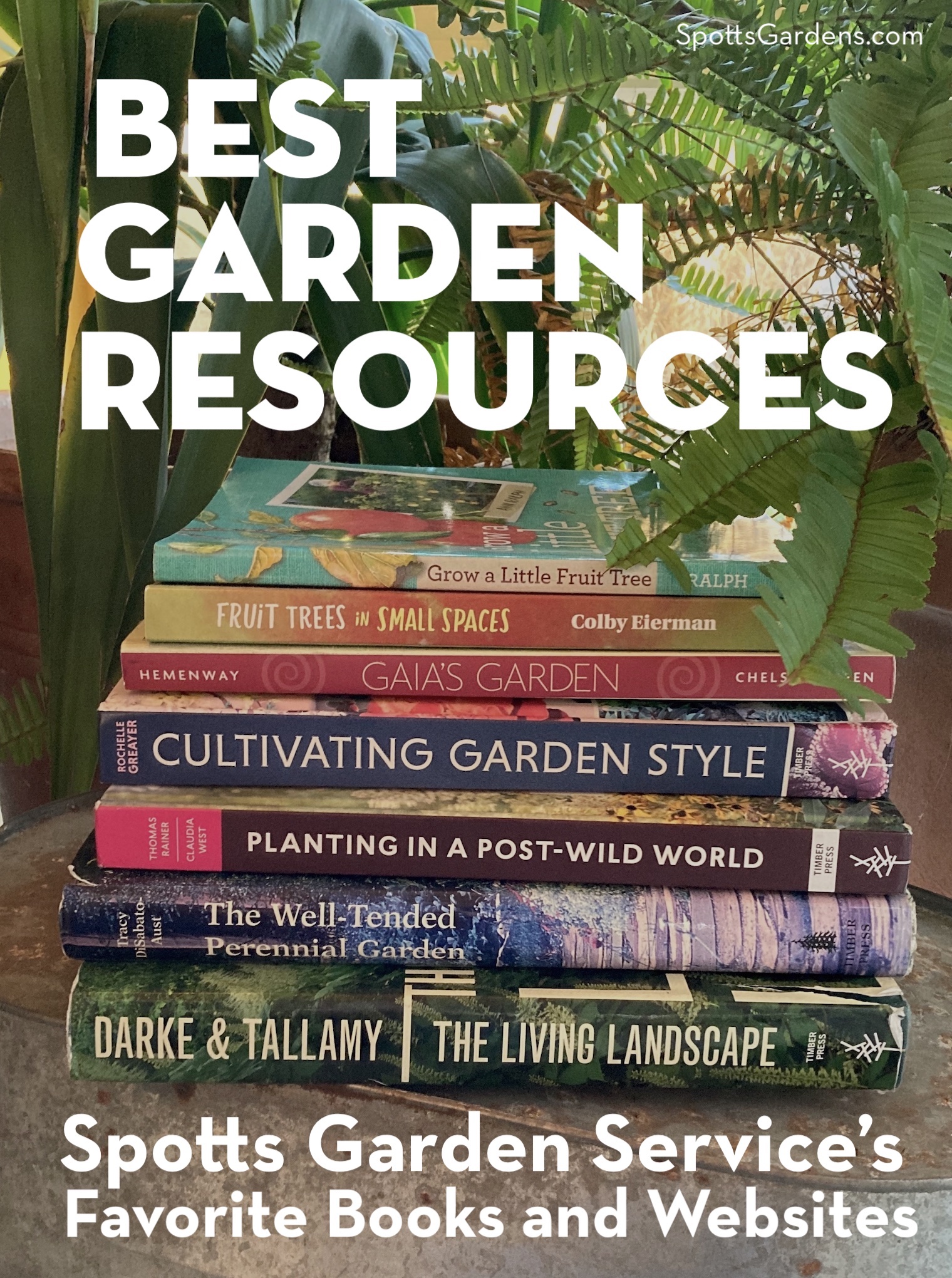
Books and field guides
Choose books that match your zone and your crops. Look for simple steps, clear photos, and citations. Use field guides to ID weeds, insects, and diseases.
Online courses and MOOCs
Courses add structure and feedback. Good courses include quizzes, office hours, and projects. Many offer seasonal cohorts so you learn in sync with the garden year.
Local clubs, gardens, and libraries
Clubs host seed swaps and speaker nights. Demo gardens show real plant choices and spacing. Libraries now lend tools and offer free workshops.
Media: podcasts, videos, and newsletters
These help you learn on the go. Follow hosts who test methods and disclose sponsors. Watch full growing cycles, not only harvest shots.
These gardening education resources work best when you pair them. Read, watch, and then test one small change in your bed.
How to choose the right resource for your climate, space, and goals
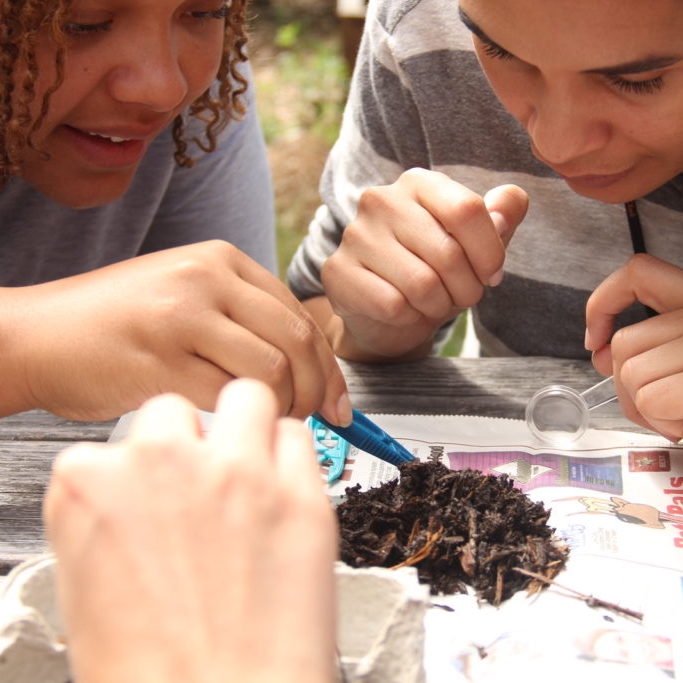
Start with your site. Measure sun hours and note wind and shade. Check your soil with a basic lab test.
Then match goals to depth of learning:
- Need quick wins for a small patio? Use short videos, plant tags, and nursery advice.
- Starting a food garden? Add a course on soil, watering, and pests.
- Converting a lawn to natives? Visit a demo garden and read a regional plant guide.
Look for these signs of quality:
- Local examples and clear zone guidance
- References to extension bulletins or peer‑reviewed studies
- Photos of both success and failure
- Simple, repeatable steps and expected timelines
Avoid red flags:
- One-size-fits-all claims
- Miracle inputs with no data
- Advice that ignores your hardiness zone
How to find your planting zone
Use your national hardiness zone map. Enter your ZIP code to get a zone number. Then pick plants and dates that match that zone.
Are online courses worth it for gardeners?
Yes, when they include feedback, seasonal pacing, and projects. They save years of trial and error for a modest cost.
Can I trust advice from social media groups?
Use them for ideas, not rules. Always confirm with extension fact sheets before you act.
These steps help you pick gardening education resources that fit your yard and your goals.
A guided learning path: 30–60–90 day plan
Day 1–30: Build your base
- Take a soil test and read the lab notes.
- Learn your frost dates and zone. Set simple goals.
- Read two extension guides on watering and mulch.
- Plant one easy crop or a native starter bed.
Day 31–60: Add skills
- Learn composting and basic pruning.
- Set up a mulch layer and a drip line or soaker hose.
- Track pests with notes and photos. Try one IPM tactic.
Day 61–90: Improve and scale
- Review yield and plant health. Adjust spacing and water.
- Add a second bed or container set.
- Join one local event or a plant clinic. Ask three focused questions.
This path keeps learning tight and active. It also forces you to test what the gardening education resources teach.
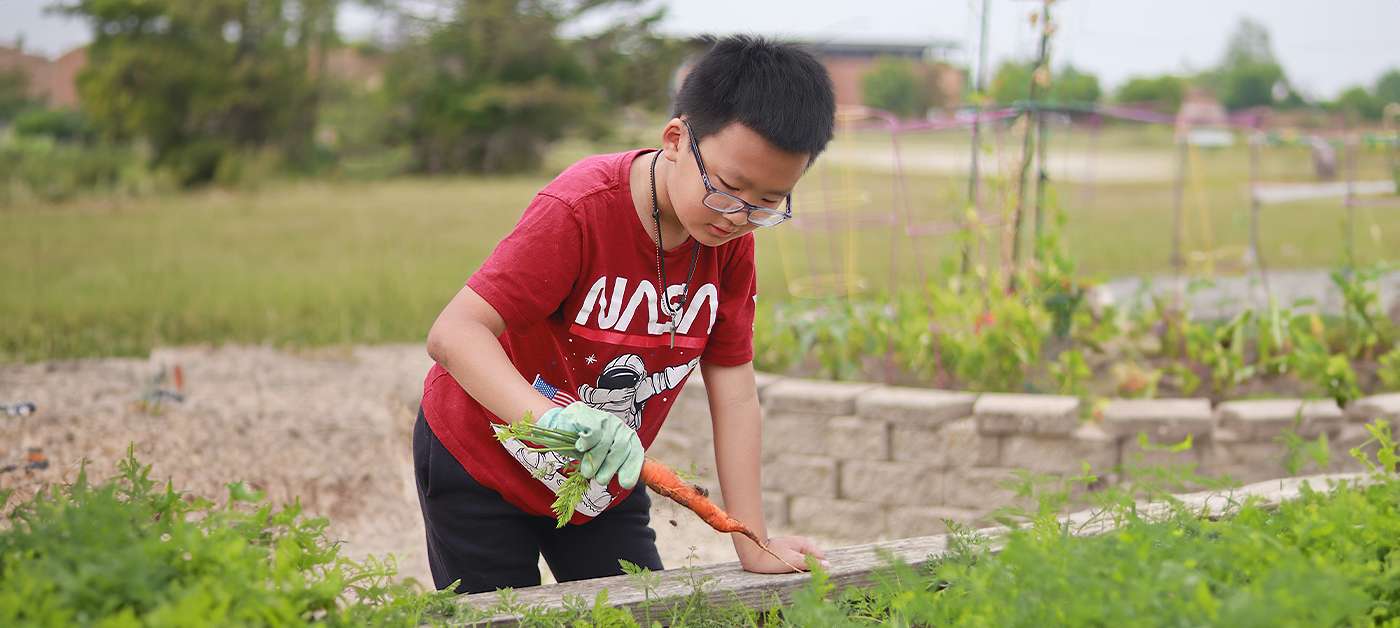
Seasonal study plan and practice checklist
Spring
- Study seed starting, frost protection, and cool-season crops.
- Practice hardening off and direct sowing.
Summer
- Study irrigation, shade cloth, and heat stress.
- Practice scouting for pests and natural enemy ID.
Fall
- Study cover crops and bed reset.
- Practice pruning of spent plants and soil care.
Winter
- Study garden design and crop rotation.
- Practice tool care and plan next season.
Use a garden journal. Log dates, weather, inputs, and results. Your notes turn generic gardening education resources into a custom guide.
Evidence-based gardening: separating myths from facts
Mulch saves water and reduces weeds. Trials show strong cuts in evaporation and weed growth with a 2–4 inch layer. Choose wood chips for perennials and straw for veggies.
Deep, infrequent watering is not always best. Sandy soils need smaller, more frequent doses. Clay soils drink slow and need longer runs at low flow.
More compost is not always better. Many beds thrive at 1 inch per year. Extra compost can raise salts and tie up nutrients.
Epsom salt is not a cure-all. Magnesium helps only if the soil test shows a lack. Use targeted fixes, not blanket hacks.
Use trusted gardening education resources that cite data and explain limits. Look for tables, rates, and expected outcomes.
Budget-friendly and accessible gardening education resources
Free options
- Extension articles, webinars, and fact sheets
- Library books, tool libraries, and seed libraries
- Community garden tours and open days
- Podcasts and non-sponsored videos
Low-cost options
- Short courses, workshops, and field days
- Used books and last-season seed catalogs
- Entry fees for arboreta with docent tours
Higher investment
- Certificate programs in horticulture or permaculture
- Design consults or coaching sessions
- Irrigation audits and soil lab packages
Start free. Spend when feedback or structure will save time or reduce errors. That is the best return on gardening education resources.
Mistakes to avoid when using gardening education resources
- Ignoring your zone and microclimate. Local data beats generic advice.
- Changing ten things at once. Test one change per bed.
- Skipping notes. No notes means slow learning.
- Chasing trends. Basics like soil, water, and light win every time.
- Overbuying tools. Buy after you borrow and test.
These slips waste time and money. A simple plan and careful notes fix most of them.
My field notes: what worked, what failed, and why
I learned the most from a soil test and two short extension guides. One season, I cut water use by a third with mulch and a timer. The tomatoes held strong in a heat wave.
I once followed a flashy video that pushed heavy compost and daily sprays. Growth stalled, and pests rose. I reset with data, eased inputs, and saw better yields.
Today, I blend three gardening education resources. I read local fact sheets, tour a demo garden each quarter, and take one focused course per year. That mix gives clear steps, live examples, and new ideas at a sane pace.
Frequently Asked Questions of gardening education resources
What are the best free gardening education resources?
Start with your local extension service and Master Gardener program. Add your library’s workshops, seed library, and tool library for hands-on learning.
How do I know if a resource fits my climate?
Check that it lists your hardiness zone and frost dates. Look for local plant lists and photos from your region.
Are paid courses better than books?
They can be if they offer feedback and projects. Books are great for depth, while courses speed practice and problem solving.
How can beginners avoid bad advice online?
Cross-check tips with extension fact sheets before acting. Favor sources that share data, rates, and expected results.
What is one skill I should learn first?
Learn to water well and mulch right. These two skills fix many plant issues and save time.
Conclusion
Strong gardens grow from strong learning. Choose local, tested gardening education resources, then act in small steps. Track your results, ask focused questions, and repeat what works.
Start today. Pick one resource from this guide, set one goal, and test one change this week. Want more help? Subscribe for seasonal checklists, or share your biggest challenge in the comments so we can solve it together.


