How To Start A Chainsaw Safely: Step-By-Step Guide 2026
Starting a chainsaw ranks among the most dangerous routine tasks in any yard or worksite. The moment the engine fires, the chain has the potential to move, and a lapse in focus can lead to serious injury. But with the right preparation and a consistent starting routine, you can eliminate most of the risk. This guide walks through every step of starting a chainsaw safely—from the gear you need before you touch the saw to the exact starting sequences for cold, warm, and flooded engines. Whether you're running a gas model or a modern battery-powered saw, the principles remain the same: check, brace, and start with intention.
Safety Gear: What To Wear Before Pulling The Cord
The first pull of the starter rope is statistically the most dangerous moment of chainsaw operation. You're off-balance, the engine is cold, and the saw is in your hands rather than on the wood. Wearing the right protective equipment is not optional—it is the single most important decision you will make. You can also read our guide on how to use a leaf blower for yard cleanup.
Essential Personal Protective Equipment (PPE)
- Helmet with face shield or goggles: Protects your eyes from flying debris and your head from falling branches. A face shield alone doesn't provide adequate impact protection—use both if possible.
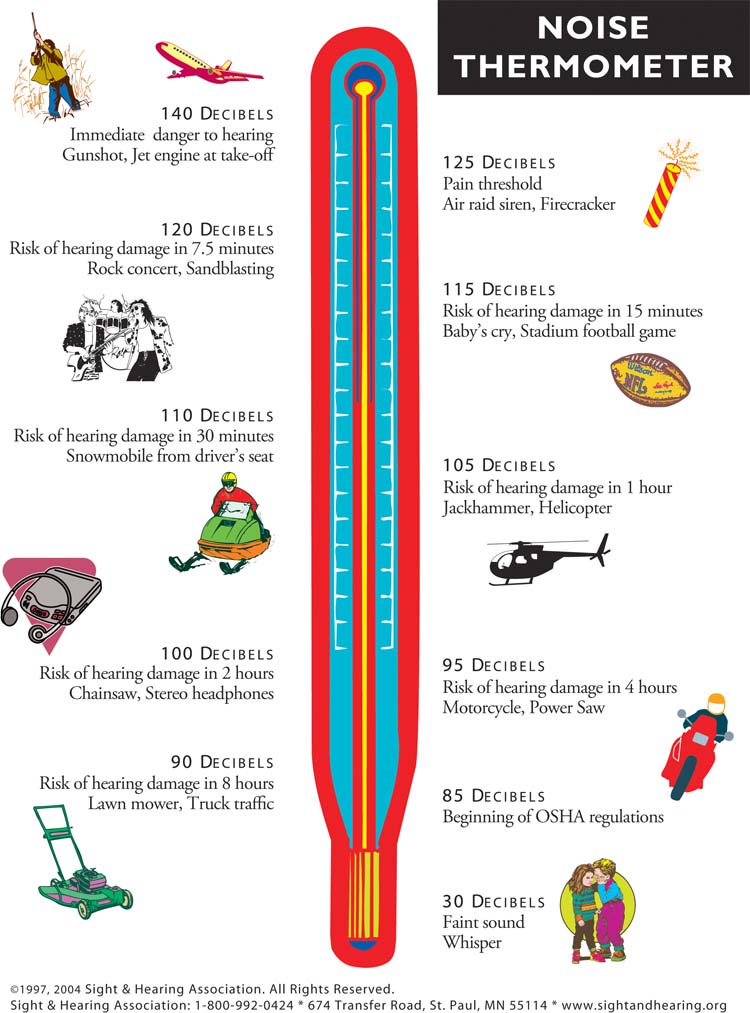
- Hearing protection: Chainsaws operate at 100-120 decibels, well above the 85-decibel threshold where hearing damage begins. Use earmuffs rated for the task, not foam earplugs alone.
- Cut-resistant gloves: Improve your grip on the handle and provide a barrier against accidental contact with the chain. Look for gloves with a cut-resistance rating.
- Chainsaw chaps or cut-resistant pants: These are specifically designed to stop a running chain by jamming the drive sprocket if they make contact with your leg. They are the difference between a minor incident and a trip to the emergency room.
- Steel-toe boots with aggressive tread: Your feet anchor your starting stance. Non-slip soles and reinforced toes keep you stable and protected if the saw drops.
Preparing The Work Area
Your starting zone matters as much as your gear. Take 30 seconds to set it up correctly:
- Clear the ground of loose sticks, stones, and wet leaves that could shift your footing mid-pull.
- Establish a 10-foot clear radius around the saw. Make sure pets and bystanders—especially children—are outside this zone.
- Position the saw so the bar is clear of dirt, gravel, or vegetation. The chain will dull instantly if it scrapes the ground during startup.
This preparation is the foundation of a safe start. It puts you in control before the engine even turns over.
Pre-Start Inspection: A 3-Minute Checklist That Prevents Disasters
A brief inspection before each use catches small problems before they become dangerous failures. This is where experienced operators separate themselves from beginners—they don't skip the pre-flight checks.
Saw Condition Checklist
- Chain brake engaged: The top guard should click firmly forward. This is your primary safety mechanism during startup.
- Chain tension: The chain should snap back against the bar when you pull it away from the guide bar, with no sagging on the underside. A loose chain can derail and cause a serious injury.
- Bar oil reservoir: Fill with bar and chain oil every time you refuel. A dry bar runs hot, warps, and destroys the chain within minutes.
- Chain direction: Teeth on the top of the bar must face forward (away from you). A reversed chain will cut poorly and bind.
- Controls: The throttle trigger, throttle lockout, choke, and primer bulb should all move freely without sticking.
- Decompression valve: If your saw has one, press it before pulling. It releases cylinder pressure, making the rope easier to pull—particularly on larger engines.
Fuel And Power Source
- Gas saws: Use fresh fuel mix. Most modern saws require 50:1 (gas to oil), but check your manual—some models use 40:1. Fuel older than 30 days loses potency and causes hard starting.
- Battery saws: Ensure the pack is fully charged and clicks firmly into place. A loose battery can cut power mid-operation.
- Corded saws: Use a heavy-duty outdoor extension cord rated for the saw's amperage, plugged into a GFCI-protected outlet.
For more on keeping your equipment running reliably, understanding correct fuel mixtures for small engines is a good starting point. You can also read our guide on how to clean leaf blower air filter.
Step-By-Step Cold Start: The Ground Method (Gas Saws)
A cold engine—one that hasn't run in several hours—requires a specific sequence to draw fuel into the carburetor. Follow these steps in order on flat, solid ground.
Step 1: Set The Chain Brake
Pull the chain brake handle toward the front handlebar until it clicks. The chain is now locked and cannot rotate.
Step 2: Position The Saw
Place the saw on flat, dry ground. Clear away any debris under the bar. Ensure the chain is not touching anything.
Step 3: Secure The Saw With Your Foot
Place your right foot through the rear handle and press down. This pins the saw to the ground. Your left hand should hold the front handle firmly. This three-point stance (foot, hand, and flat ground) prevents the saw from moving during the pull.
Step 4: Set The Choke And Primer
Pull the choke lever to the full choke position (usually indicated by a closed symbol). If your saw has a primer bulb, press it 5 to 8 times until fuel is visible in the line.
Step 5: Pull Until It "Pops"
Grip the starter handle with your right hand and pull in short, controlled strokes. The saw should "pop" or "cough" within 3-5 pulls—this means the engine has fired briefly. Do not pull the cord to its full extension or snap it back; let it return gently.
Step 6: Move Choke To Half
Push the choke to the half or run position (open symbol). Pull again. The engine should fire and begin idling within 1-3 pulls. Do not use full choke again once it has popped.
Step 7: Warm Up
Tap the throttle trigger to disengage the fast-idle mechanism. Let the saw idle for 30-60 seconds before cutting. A cold engine needs time to distribute oil and reach operating temperature.
Step 8: Test Bar Oiling
Point the bar tip at a clean surface (a log or piece of cardboard) and blip the throttle. A thin line of oil should appear. If not, stop immediately and clear the oil port.
Step 9: Release The Brake Only When Ready To Cut
Leave the chain brake engaged until you are standing in your cutting position, with the saw firmly in both hands. Only then disengage the brake.
Warm Start: A Quicker Sequence
A warm saw that has run within the last 15-30 minutes requires a simpler procedure.
- Engage the chain brake and secure the saw on the ground with your foot.
- Set the choke to the run position (not full). A warm engine doesn't need the rich fuel mixture.
- Pull until it fires—usually 1-3 pulls.
- If it stalls, move the choke to half and pull once more, then return to run.
Flooded Engine Recovery: What To Do When It Won't Start
Flooding happens when the engine receives too much fuel and not enough air. The spark plug becomes wet and won't fire. This is common with cold starts, especially when the choke is left on too long.
How To Clear A Flooded Engine
- Engage the chain brake and secure the saw on the ground.
- Set the choke to run (off).
- Hold the throttle trigger fully open (you may need to engage the throttle lockout).
- Pull the starter 8-10 times to pump air through the cylinder and clear excess fuel.
- Release the throttle and pull again. The saw should sputter to life. If needed, move to half choke for a single pull.
If the saw still won't start after this process, remove and dry the spark plug, then try again.
Battery And Corded Chainsaws: A Different Starting Procedure
Battery-powered saws are increasingly popular for their low maintenance and instant starting. They have a different—but equally important—safety sequence.
- Engage the chain brake.
- Insert and seat the battery pack. You should hear a distinct click when locked in place.
- Place the saw on a flat surface or hold it with the leg-lock method (described below). Never attempt a drop start.
- Press the power or safety lockout button, then squeeze the trigger to enter the "idle-ready" state.
- Release the chain brake only when you are in your cutting stance, with the bar pointed away from your body.
Corded saws follow the same principle: route the cord behind you (never in front of the cutting path), plug into a GFCI outlet, and start with the brake engaged.
Safe Starting Positions And Body Mechanics
Your stance is the difference between a controlled start and a spec-tacular failure. Two methods are widely recommended by manufacturers and professional arborists.
The Ground Method
This is the most stable and is required by most chainsaw safety courses.
- Chain brake engaged, saw on flat ground.
- Right foot through the rear handle, left hand on the front handle.
- Keep your back straight, bend at the knees, and brace your weight over the saw.
- Pull the cord with your right hand in a straight line, using your arm and body weight—not just your wrist.
The Leg-Lock Method
This is useful when you can't kneel or when the ground is uneven.
- Engage the chain brake.
- Place the rear handle behind your right knee, clamping the saw against your leg.
- Grip the front handle with your left hand. Keep the bar angled away from your body, tip clear of the ground.
- Pull with your right hand, keeping the saw pressed firmly into your leg.
Never Drop Start
The drop start—swinging the saw arm-down while pulling the cord—is fast but unsafe. It offers zero control over the saw's path if it kicks, and the bar can strike the ground, dulling the chain instantly. Every reputable manufacturer and safety organization forbids it.
Troubleshooting Common Starting Problems
Even a well-maintained saw will occasionally refuse to start. Here are the most common causes and their fixes.
The Saw Won't Start At All
- Old fuel: The leading cause of hard starting. Drain and replace with fresh mix.
- Fouled spark plug: Remove, clean with a wire brush, or replace it if damaged.
- Clogged air filter: A dirty filter starves the engine of air. Clean or replace it.
- On/off switch: Confirm it's in the run position. It sounds silly, but it's one of the most common mistakes.
The Saw Starts Then Stalls
- Idle speed set too low: Adjust the idle screw per your manual. The chain should not rotate at idle.
- Fuel line or air leak: Inspect fuel lines for cracks. A vacuum leak in the carburetor boot prevents proper fuel delivery.
- Clogged carburetor: If fuel has sat for months, the carburetor jets may be blocked. Remove and clean them.
The Chain Moves At Idle
This indicates the clutch is engaging when it shouldn't.
- Immediately shut off the saw and engage the chain brake.
- Check the idle speed. Reduce it until the chain stops moving.
- Inspect the clutch springs. If they are worn or stretched, replace them.
Regular maintenance prevents many of these issues. Knowing how long a chainsaw chain lasts helps you plan for replacements before they become safety risks.
Common Mistakes That Cause Accidents
Having started hundreds of saws, I've seen the same errors repeated by novices and professionals alike. Avoid these habits from day one.
- Skipping the chain brake: The single biggest mistake. It's there to prevent chain rotation when you have no control.
- Drop starting: Looks fast, but it's the leading cause of thigh and calf lacerations.
- Starting on uneven ground: A slip mid-pull is all it takes to lose the saw.
- Using full choke too long: This floods the engine and wastes 10 minutes of your day.
- Ignoring bar oil: A dry bar will overheat, smoke, and permanently damage the bar and chain.
- Pulling with a bent wrist: Use your whole arm and upper body. A bent wrist tires quickly and loses control.
- Standing directly over the saw: Keep your body weight balanced but not directly above the bar. If the saw kicks, you want room to react.
Frequently Asked Questions
Do I need to set the chain brake on a battery chainsaw?
Yes. Even though a battery saw won't "kick" to life like a gas engine, the motor engages instantly when the trigger is pulled. The chain brake prevents any accidental rotation while you're positioning your hands.
Can I start a chainsaw in my hand or between my legs?
The leg-lock method is acceptable, but it requires practice and a securely engaged chain brake. The ground method is always preferable for stability. Never start a saw while holding it in the air with both hands—this offers no control if it kicks.
How do I know if my fuel mix is correct?
Check the manual. Most modern saws use 50:1 (2.6 oz of oil per gallon of gas). Using the wrong ratio—especially too much oil—causes hard starting, carbon buildup, and eventual engine damage. Using ethanol-free gasoline when available prevents fuel system corrosion.
What is the decompression valve for?
It releases cylinder compression, making the starter rope much easier to pull. Press it on cold starts and hold it in until the engine fires. If your saw has one and you rarely use it, you're making the starting process harder than it needs to be.
Why does my saw only start with full choke?
This usually indicates a fuel delivery problem. The full choke temporarily richens the mixture, masking a lean condition caused by a clogged fuel filter or air leak. Investigate rather than relying on full choke for every start.
Conclusion
Starting a chainsaw safely is a sequence of deliberate actions, not a race. Suit up in full PPE, check the saw thoroughly, engage the chain brake, choose a stable stance, and follow the correct starting sequence for your engine type. These steps take less than five minutes and become habits with practice.
Before you head out to the woodpile, take a moment to refresh your understanding of battery versus gas chainsaw trade-offs to ensure you're using the right tool for the job. And if you maintain your saw properly—sharpening the chain, cleaning the filter, and using fresh fuel—it will reward you with years of reliable, safe service.
Now, practice the ground-start method before your next cut, even if you feel confident. It could be the single best habit you build this year.