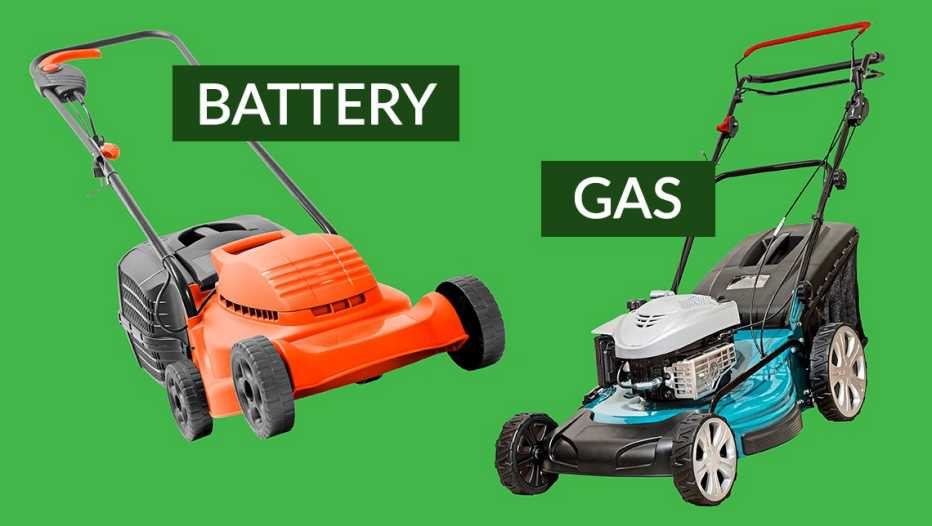
For most suburban yards, electric mowers win; gas excels for large, rough lawns.
If you are asking which lawn mower is better electric or gas, you are in the right place. I test and coach homeowners on mower choices and yard care. In this guide, I break down which lawn mower is better electric or gas by cost, cut quality, runtime, noise, emissions, and real-world use. I will share data, field notes, and easy picks so you can decide with confidence.

How to decide in 30 seconds
- Choose electric if your yard is under 0.5 acre, you want low noise, and easy starts. It shines for weekly trims on flat or mild slopes. It stores clean and takes little upkeep.
- Choose gas if you cut tall, damp, or fast-growing grass, or mow over 0.5 acre in one go. Gas offers longer runtime with a quick refuel and strong torque in tough spots.
- Still unsure which lawn mower is better electric or gas? Keep reading. I map yard size, habits, and budget to a clear answer.
Electric vs gas: pros, cons, and use cases
Electric mowers
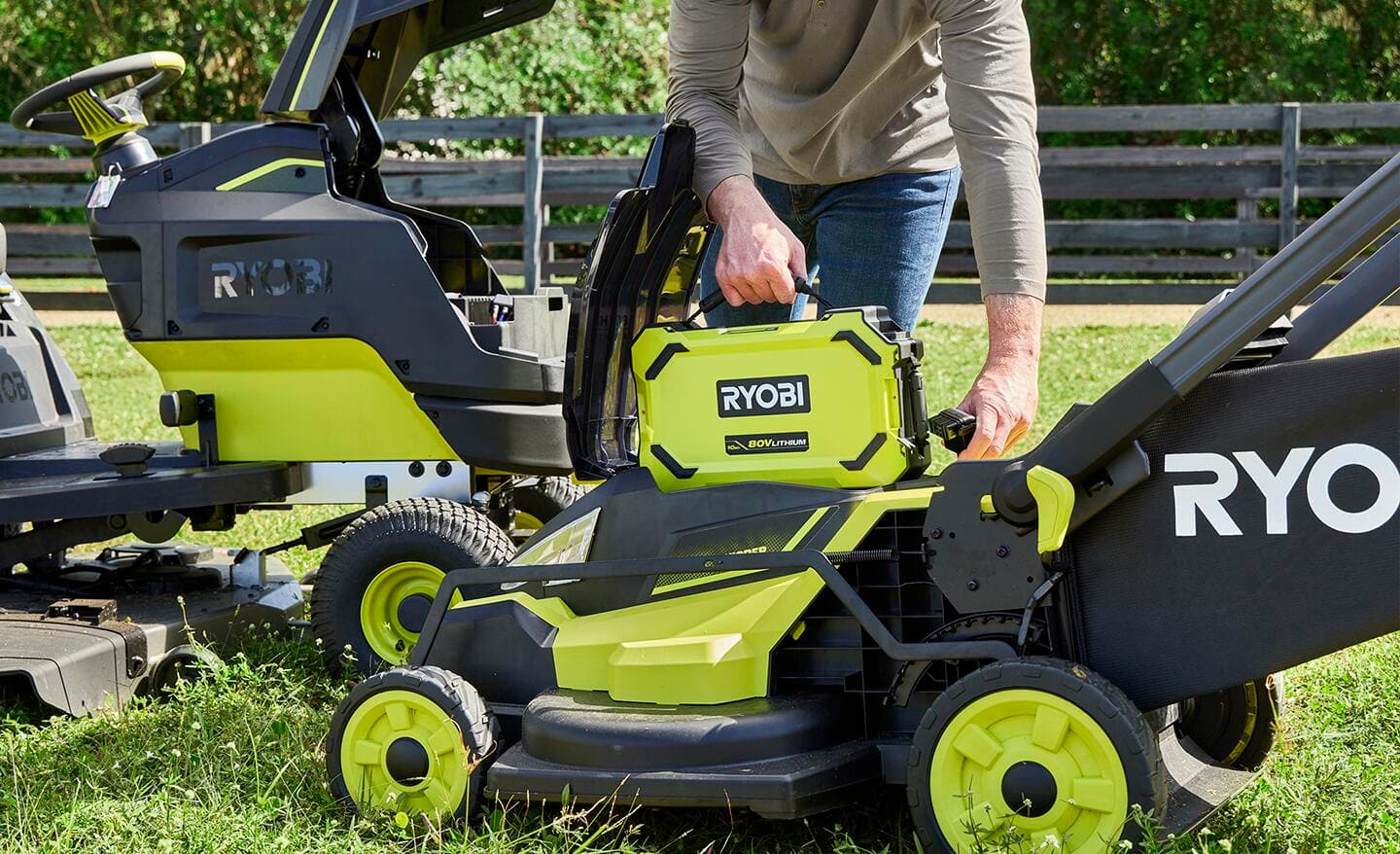
- Pros: Quiet, instant start, low upkeep, no fumes, easy storage. Batteries work with other tools.
- Cons: Limited runtime per battery, less surge power in very tall grass, battery replacement after a few years.
- Best for: Small to mid yards with weekly cuts. Early mornings or HOA areas with noise rules.
Gas mowers
- Pros: Strong power in thick or wet grass, long runtime with a quick refuel, wide dealer support.
- Cons: Louder, needs oil and filter changes, fumes, off-season storage care.
- Best for: Larger or rougher lawns, overgrown areas, or long mowing sessions.
I get asked which lawn mower is better electric or gas every spring. The truth is both are great when matched to the job and the user.

Performance and cut quality
- Torque and surge matter in tall or wet grass. Gas engines deliver steady power. High-voltage brushless electric models close the gap but may slow your pace in heavy growth.
- Blade tip speed, a sharp blade, and deck design drive cut quality. Modern electric decks mulch very well on weekly cuts. Gas holds an edge in one-pass bagging on thick spring growth.
- My take: If you ask which lawn mower is better electric or gas for cut quality alone, the gap is small on normal lawns. Gas still leads for rescue cuts after vacations or rain.
I mow a mix of cool-season and warm-season grass. My 56V electric gives a clean, even cut on a quarter acre if I keep blades sharp and mow weekly. On a friend’s bumpy half acre with tall fescue, my 190cc gas walks through clumps with no bog.

Cost of ownership and runtime
- Purchase: Electric self-propelled models often cost similar to mid-range gas. Entry push models can be cheaper in electric.
- Fuel and power: A typical mow uses under 1 kWh of electricity, which costs only cents in most areas. Gas often burns 0.25 to 0.5 gallons per hour, which adds up fast.
- Maintenance: Electric needs blade care and battery care. Gas needs oil, spark plugs, air filters, and winter prep.
- Batteries: Expect 3 to 5 years before range drops. Replacement packs cost more up front but no fuel is needed every week.
If you wonder which lawn mower is better electric or gas for your wallet, add fuel over 5 years. Many homeowners see electric break even or win by year 3, especially if they already own compatible batteries.

Noise, emissions, and neighborhood impact
- Noise: Electric mowers run much quieter than gas. You can chat while mowing with many models. Gas mowers often need hearing protection.
- Emissions: Gas engines release exhaust and odors. Public data from environmental agencies shows small engines add notable smog-forming pollution. Electric has no local tailpipe emissions and low grid impact per mow.
- Community fit: For early mornings or tight lots, electric keeps peace. If your only question is which lawn mower is better electric or gas for quiet, electric is the easy pick.
Maintenance and reliability
- Electric care: Keep the deck clean. Charge and store batteries at room temperature. Replace blades each season or sharpen. Little else to do.
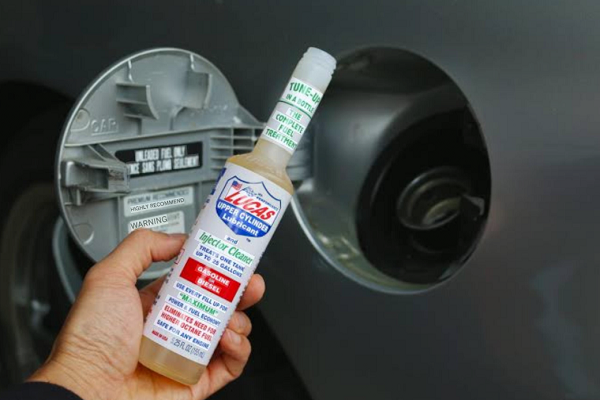
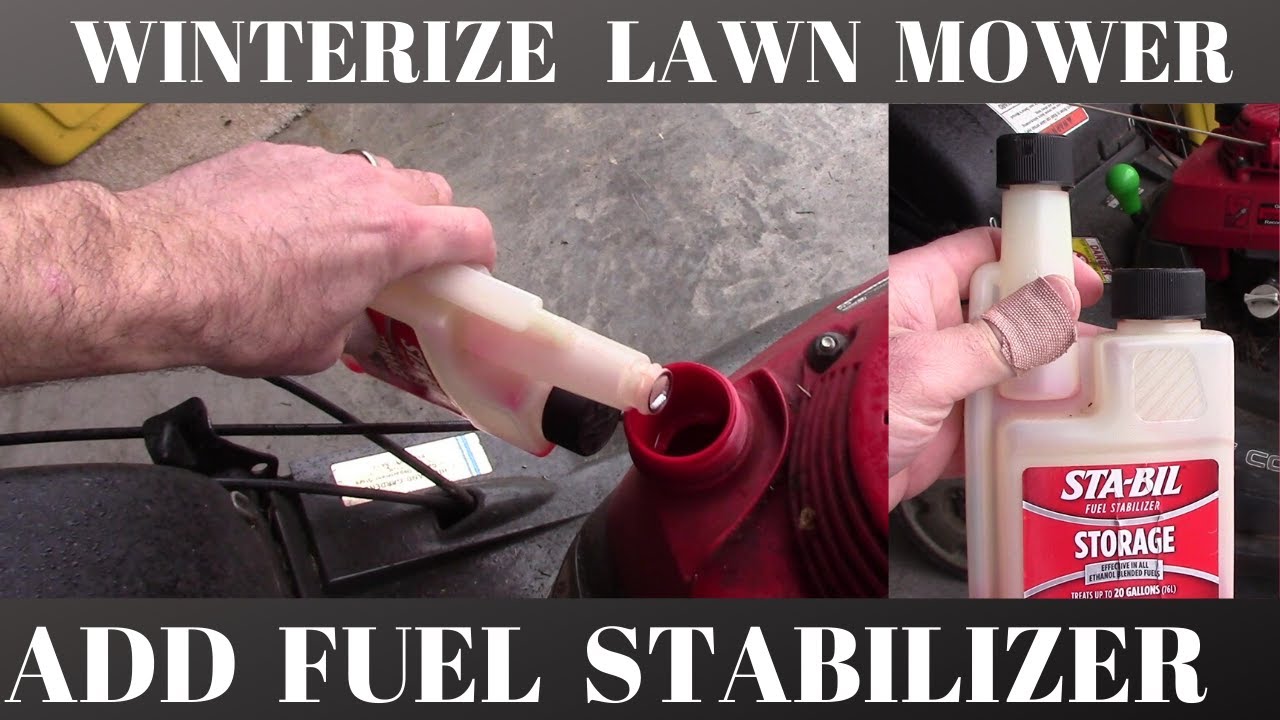
- Gas care: Change oil on schedule. Swap air filters. Replace spark plugs. Use fresh fuel and stabilizer for storage. Clean carburetors if needed.
- Reliability notes: Brushless electric motors have few wear parts. Gas engines can run for many years with care. If you value “pull and go” with no tune-ups, electric wins.
I once skipped stabilizer on a gas mower. Spring came, and it would not start. A $15 carb clean fixed it, but time lost taught me a lesson. With my electric, I just click a battery and mow.

Safety and ease of use
- Starting: Electric is push-button. Gas requires a pull start unless it has an electric starter.
- Heat and fumes: Gas engines get hot and emit fumes. Electric stays cooler and cleaner.
- Storage: Many electric models fold and store upright. Gas can leak if tilted.
- Safety tip: Whatever you choose, pull the battery or unplug the spark plug when changing blades.
When readers ask which lawn mower is better electric or gas for seniors or first-time owners, I say electric for its simple start, light weight, and low fuss.
Yard size and terrain guide
- Up to 0.25 acre, flat: Electric is ideal. One battery often covers the job.
- 0.25 to 0.5 acre, mild slopes: Electric with two batteries or a high-capacity pack works well. Gas is fine too.
- Over 0.5 acre or frequent tall, wet grass: Lean gas, or buy a pro-grade electric with spare packs and fast chargers.
- Rough terrain: Gas handles ruts and weedy patches better due to torque and steel decks built for abuse.
If your top search is which lawn mower is better electric or gas for a half acre with trees, I suggest electric only if you commit to weekly cuts and have two batteries.

Features that matter beyond the motor
- Self-propel drive: Variable speed helps on slopes. Check if the drive still feels smooth at slow walking pace.
- Deck size: 20 to 22 inches is common for walk-behind models. Bigger decks cut faster but are heavier.
- Bag, mulch, side discharge: Most mowers offer all three. Mulching works best with sharp blades and dry grass.
- Height adjustment: One-lever systems save time. Choose 3 to 4 inches for summer to protect roots.
- Weather rating: Some electric models offer splash resistance. Still avoid mowing in rain for safety and cut quality.
Ask yourself which lawn mower is better electric or gas for the features you will use weekly, not the ones that look cool in ads.
Real-world picks by scenario
- Small, tidy suburb lot: Electric, 40V to 56V, 5Ah+ battery, self-propel optional. Keep a spare blade sharp.
- Big lawn with spring surge: Gas, 160cc to 200cc, self-propel, strong bagging airflow. Keep fresh fuel on hand.
- Mixed yards with HOA rules: Electric for the front, maybe a gas or high-torque electric for the back if overgrown.
- Tool ecosystem: If you own a battery platform for trimmers and blowers, stick with it. One charger, many tools.
In emails, people ask which lawn mower is better electric or gas when they cut once every two weeks. I say gas or a high-torque electric with extra batteries, or switch to weekly cuts to unlock electric’s strengths.
My hands-on lessons
- Aim for weekly cuts. Electric shines when grass is not overgrown. It is quiet and fast.
- Keep blades sharp. Dull blades make any mower look weak. Swap or sharpen each month in peak season.
- Plan runtime. For electric, match amp-hours to your lawn size. For gas, keep a small fresh fuel supply.
- Respect storage. Store batteries indoors. For gas, use stabilizer and run the tank dry before winter.
Friends often message me asking which lawn mower is better electric or gas after they moved houses. My rule: downsize noise and upkeep in town with electric; scale power and runtime in the country with gas.
Frequently Asked Questions of which lawn mower is better electric or gas
Is electric cheaper to run than gas?
Yes. Electricity per mow usually costs cents, while gas can cost several dollars. Over seasons, that gap adds up.
How long do electric mower batteries last?
Most last 3 to 5 years before range drops. Good charging habits and cool storage help them last longer.
Can electric mowers handle tall or wet grass?
They can, but you may need to slow down or take two passes. Gas mowers keep speed better in heavy, damp growth.
Are gas mowers going away soon?
Not in the near term. Rules are tighter in some areas, but gas remains common, especially for large lawns.
Which lawn mower is better electric or gas for small yards?
Electric is a smart pick for small, flat yards with weekly cuts. It is quiet, light, and easy to store.
Which lawn mower is better electric or gas for over an acre?
Gas is more practical for that size with a walk-behind. For electric, you would need multiple packs or a riding model.
Do electric mowers cut as well as gas?
On normal weekly cuts, yes. In thick spring bursts, gas still has the edge in one-pass bagging.
Conclusion
You now have a clear view of which lawn mower is better electric or gas for your yard, budget, and habits. Electric wins for small to mid lawns, quiet mornings, and low upkeep. Gas wins for big lots, tall grass, and long sessions without breaks.
Pick your side, then match deck size, battery or engine power, and features to your yard. Sharpen your blade, mow weekly, and enjoy a cleaner cut. Ready to decide which lawn mower is better electric or gas for your home? Share your yard size and goals in the comments, and subscribe for more hands-on lawn tips.