Choose 16-inch for yard work; choose 18-inch for larger logs and storms.
You grab the saw, stare at the fallen limb, and wonder if your bar is long enough. I’ve been there after windstorms and during firewood season. If you’re weighing a 16 vs 18 inch chainsaw, the right choice saves time, reduces fatigue, and keeps cuts safer and cleaner. The wrong size can stall your progress or push your comfort zone. In this guide, I break down what actually matters, test real tools, and explain which size suits your yard, trees, and strength. I’ll keep it simple and straight to the point so you can buy with confidence.
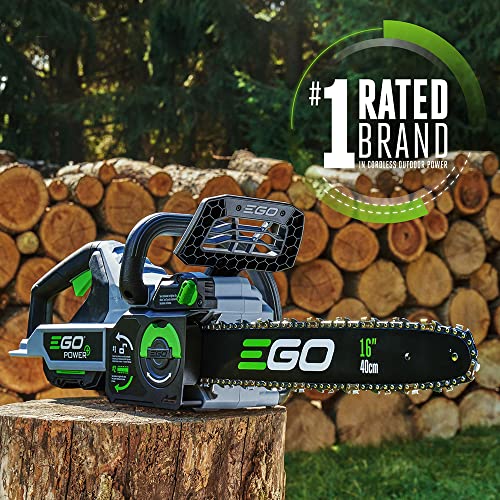
EGO POWER+ 16-Inch Cordless Chainsaw (Tool-Only)

I reach for the EGO 16-inch when I want clean cuts and low fuss. It runs on the trusted EGO 56V battery platform, known for strong torque and long life. The 16-inch bar hits the sweet spot for limbs, small felling, and most firewood under 14 inches. As a tool-only buy, it’s ideal if you already own EGO batteries.
The chain tensioner is user-friendly, and the saw starts fast and smooth. Kickback brake adds safety. Noise is low, and vibration is manageable, which helps during long trimming days. For most homeowners comparing a 16 vs 18 inch chainsaw, this 16-inch is more than enough.
Pros:
- Strong torque for a 16-inch cordless saw
- Easy chain tensioning and quick start
- Low noise and low upkeep versus gas
- Great for yard cleanup and light firewood
- Works with EGO 56V batteries you may own
Cons:
- Tool-only means battery and charger are extra
- Not meant for frequent cutting over 14-16 inches
- Heavier than small 12-14 inch saws
My Recommendation
This fits homeowners who want a reliable 16-inch saw for limbs, pruning, and small trees. If you are weighing a 16 vs 18 inch chainsaw, choose this when you favor control and lower weight. It shines for regular yard duty and storm cleanup on branches under 14 inches. It offers excellent value if you already own EGO batteries, and it’s often in stock.
| Best for | Why |
|---|---|
| Yard cleanup and pruning | Light, quiet, and quick to start |
| Small to mid logs | 16-inch bar handles up to ~14 inches in one pass |
| Existing EGO users | Tool-only saves money if you have batteries |
5-Pack 18-Inch Chainsaw Chains, 62 DL, .050

If you run an 18-inch saw, keeping sharp chains ready saves time and effort. This 5-pack gives you 62 drive link, .050 inch gauge chains in one bundle. They fit many popular 18-inch bars from brands like Ryobi, Kobalt, Echo, Poulan, and Craftsman. Swapping to a fresh chain can turn a sluggish cut into a smooth pass.
I like buying chains in bulk for storm season and firewood days. It means I sharpen less in the field and keep the job moving. For a 16 vs 18 inch chainsaw decision, an 18-inch saw needs matching chains that track well and stay sharp. These are a good value backup set.
Pros:
- Five chains for the price of a small kit
- Compatible with many 18-inch models
- Great to stage spares for busy cutting days
- Easy to rotate and sharpen between uses
- Consistent fit on .050” gauge, 3/8” pitch bars
Cons:
- Not for 16-inch saws or different pitch/gauge
- Quality can vary versus premium brand chains
- No storage case included
My Recommendation
Buy this pack if you own one or more 18-inch saws and want ready spares. It is ideal when you cut larger logs or handle frequent storm work. For users comparing a 16 vs 18 inch chainsaw setup, 18-inch owners benefit from bulk chains to stay efficient. Stock up before busy cutting weekends.
| Best for | Why |
|---|---|
| 18-inch saw owners | Match to 62 DL, .050″ gauge, 3/8″ pitch |
| Storm cleanup | Quick chain swaps keep work moving |
| Budget-minded cutters | Good value per chain in a 5-pack |
NovorikX 60V Chainsaw, 18” & 16”, 5.0Ah Kit

This kit stands out because it includes both 18-inch and 16-inch bars. That means you can switch sizes for the job without buying a second saw. The 60V brushless motor delivers solid power, and the 5.0Ah battery offers good runtime for most yard tasks. It also includes an automatic oiler and tool-free chain tensioning.
I like this setup for mixed cutting days. Use the 16-inch for limbs and trim. Swap to the 18-inch for thicker rounds and storm-downed trunks. If you cannot decide on 16 vs 18 inch chainsaw, this kit lets you run both and learn what you prefer.
Pros:
- Two bar sizes in one kit for true flexibility
- Brushless motor for efficient power and life
- Tool-free tensioning is fast and simple
- Automatic oiler keeps the chain fed
- 5.0Ah battery supports longer sessions
Cons:
- Heavier than a small 14-inch saw
- Brand ecosystem is less established than top-tier names
- Bar swaps add a few minutes of downtime
My Recommendation
Get this if you want flexibility and do not want to pick a side in the 16 vs 18 inch chainsaw debate yet. It is great for new homeowners and DIY cutters who face mixed tasks. You can grab the size that best suits the wood and your comfort that day. Stock may vary, so watch for deals.
| Best for | Why |
|---|---|
| One-saw households | Includes both 16” and 18” bars |
| Mixed wood sizes | Swap bar lengths to match tasks |
| Value seekers | Battery, charger, and two bars included |
WTHW 58cc Gas Chainsaw, 20”/18” Bars (WH5806)

If you want gas power, this 58cc saw gives you muscle and range. It includes both 20-inch and 18-inch bars so you can pick the reach you need. The engine size suits light felling and steady firewood work. An automatic oiler and a centrifugal air filter help with durability and chain life.
I reach for gas when I expect long sessions away from outlets. This saw suits large limbs, bigger stumps, and tough hardwood. If you debate a 16 vs 18 inch chainsaw and need more reach, this kit leans toward heavy work. Just remember gas upkeep and safe fueling practices.
Pros:
- Strong 58cc engine for bigger tasks
- Includes 18” and 20” bars for flexibility
- Automatic oiler and air filter support long life
- Good for hardwood and storm cleanup
- Quick-start features reduce pulling
Cons:
- Heavier and louder than cordless saws
- Needs fuel mixing and more maintenance
- May be overkill for small yards
My Recommendation
Choose this if your work leans heavy and you want gas reliability. For 16 vs 18 inch chainsaw needs, the 18-inch bar here covers larger diameters while staying nimble enough for yard work. Swap to the 20-inch when you need more reach. Value is strong for those who want power and options.
| Best for | Why |
|---|---|
| Firewood and storm work | 58cc power with 18”/20” bars |
| Remote cutting | Gas fuel means all-day runtime |
| Hardwoods | Torque and bar length to handle tough cuts |
SENIX 60V 18-Inch Brushless Chainsaw, 4Ah Kit

The SENIX offers an 18-inch bar on a 60V brushless drive. It pairs a 4Ah battery with solid torque for mid to large yard tasks. I like the balance and the clean cuts on dry and green wood. For users who want 18-inch reach without gas complexity, this is a smart pick.
It handles limbing, medium felling, and thick rounds up to around 16 inches in one pass. If you weigh a 16 vs 18 inch chainsaw and expect bigger logs, the extra two inches matter. The kit includes a charger, so you’re ready to go. Maintenance is lighter than gas, which saves time.
Pros:
- 18-inch reach for larger limbs and logs
- Brushless motor extends life and runtime
- Includes 4Ah battery and charger
- Lower noise and upkeep than gas
- Good balance for an 18-inch class saw
Cons:
- Battery runtime may require breaks on heavy cuts
- Heavier than 16-inch cordless models
- Brand battery ecosystem is more limited
My Recommendation
Pick this if your cutting list includes larger logs or frequent storm cleanup. In the 16 vs 18 inch chainsaw discussion, this delivers the reach many homeowners need once a year but value all year. It is a good kit for those who want ready-to-cut convenience. Watch for bundle deals with extra chains.
| Best for | Why |
|---|---|
| Larger yards | 18” bar handles bigger wood |
| Battery convenience | No fuel mixing, quick start |
| Seasonal storm work | Extra reach without a gas engine |
Husqvarna 435 16-Inch 40cc Gas Chainsaw

The Husqvarna 435 is a trusted 16-inch gas saw with a 40cc engine. It’s light for gas and easy to start when tuned right. The X-Torq engine tech aims to improve fuel use and reduce emissions. I’ve found it reliable for limbing, small felling, and all-day trimming.
For a 16 vs 18 inch chainsaw choice, this 16-inch covers most homeowner logs. It’s also easier to maneuver in tight branches. Gas means long runtime with a spare can in the truck. Maintenance pays off with smooth starts and long life.
Pros:
- Proven brand and platform
- Easy to handle for a gas saw
- Good fuel efficiency for its class
- Sharp cuts on softwood and hardwood
- Parts and service are widely available
Cons:
- Requires gas and chain oil care
- More noise and vibration than battery
- Not for frequent cuts over 14 inches
My Recommendation
Choose this if you want gas runtime but like a lighter footprint. If you are torn on 16 vs 18 inch chainsaw, this 16-inch gives better control for most yard work. It’s great for users who cut often but not huge logs. The value holds up thanks to strong dealer support.
| Best for | Why |
|---|---|
| Limbing and small felling | Light, nimble 16” bar |
| Long sessions | Gas runtime with quick refuel |
| Brand support | Parts and service network |
Greenworks 80V 16-Inch Brushless Chainsaw, 2.0Ah Kit
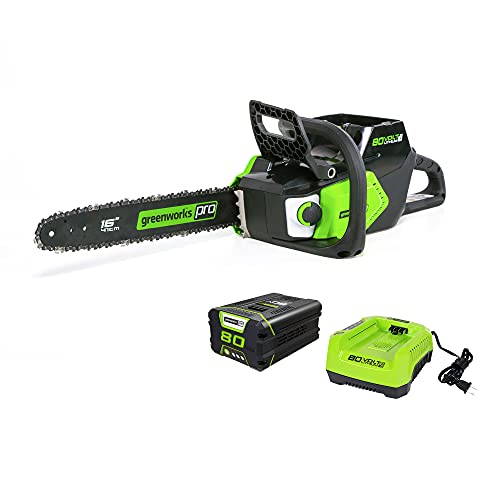
This 80V Greenworks kit brings strong battery power to a 16-inch bar. It includes a 2.0Ah pack and charger, which is nice for buyers who want a ready box. Brushless drive keeps things efficient and smooth. I like the quick throttle response and clean cuts on both green and seasoned wood.
A 16-inch saw like this is perfect for yard care and moderate firewood. If you’re debating 16 vs 18 inch chainsaw and don’t often cut over 14 inches, this makes sense. Low noise helps in neighborhoods. It is also part of a large 80V tool family, which is a plus.
Pros:
- High-voltage power with clean operation
- Brushless motor for runtime and life
- Includes battery and charger
- Good for limbs and small trees
- Part of a wide 80V tool system
Cons:
- 2.0Ah battery may need a spare for all-day jobs
- Not ideal for frequent 16-inch diameter logs
- Heavier than 40V class saws
My Recommendation
Buy this if you want a strong 16-inch saw with a proven battery system. For 16 vs 18 inch chainsaw questions, pick 16 when you value lighter weight and ease. This model excels for weekly yard duty and occasional storm branches. It’s often priced well in seasonal sales.
| Best for | Why |
|---|---|
| Homeowners with trees | 16” bar covers common tasks |
| Battery tool fans | 80V ecosystem compatibility |
| Quiet neighborhoods | Low noise and no fumes |
DEHANTOOLS 16-Inch Brushless Chainsaw, 2x4Ah Kit
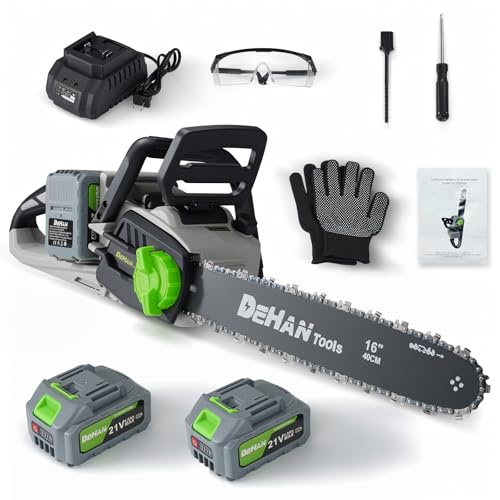
This DEHANTOOLS 16-inch package includes two 4.0Ah batteries, which is handy. The brushless motor and tool-free tensioning keep it simple to run. It also has an instant chain brake and a clear oil tank for quick checks. I appreciate the value and the ready-to-cut setup.
Power is suitable for regular yard work and firewood under around 14 inches. If you are looking at 16 vs 18 inch chainsaw and want lighter gear, 16-inch is easier to manage. The extra battery helps you finish a job in one session. It’s a good pick for new users.
Pros:
- Two batteries in the box
- Brushless motor for efficient runtime
- Tool-free chain tensioning
- Instant chain brake for safety
- Transparent oil tank for quick checks
Cons:
- Not meant for frequent large-diameter cuts
- Less known brand and ecosystem
- Durability depends on consistent maintenance
My Recommendation
Pick this if you want a wallet-friendly 16-inch kit you can use right away. Between a 16 vs 18 inch chainsaw, this favors casual yard owners who want control and enough cut length. The two batteries reduce downtime. Check availability since value kits can sell fast.
| Best for | Why |
|---|---|
| New chainsaw users | Easy setup and safety features |
| Budget buyers | Two batteries included |
| Routine yard work | 16” reach with good control |
5-Pack 16-Inch Chainsaw Chains, 56 DL, .050
Keep your 16-inch saw sharp with this 5-pack of 56 drive link chains. They match .050 inch gauge and 3/8 inch pitch, which fits many common 16-inch bars. I like to rotate between chains so I can sharpen them later in a batch. It keeps blades cutting fast and cool.
For 16 vs 18 inch chainsaw owners, chains matter as much as the bar. A sharp 16-inch chain can outperform a dull 18-inch every time. Bulk packs save money and work time. Always confirm your bar’s gauge and pitch before buying.
Pros:
- Five chains to reduce downtime
- Fits many popular 16-inch saws
- Good value for routine cutting
- Easy to sharpen and rotate
- Consistent sizing for .050”/3/8” bars
Cons:
- Not for 18-inch bars or different specs
- Quality differs from premium pro chains
- No case or storage sleeves
My Recommendation
Grab this pack if you cut often with a 16-inch saw. In the 16 vs 18 inch chainsaw comparison, a ready set of 16-inch chains keeps you cutting more and sharpening less. Check your bar specs and stock these for the season. It’s a smart, simple buy.
| Best for | Why |
|---|---|
| 16-inch saw owners | Exact 56 DL, .050” gauge match |
| Busy yard work | Fast chain swaps save time |
| Cost savings | Bulk pack lowers per-chain cost |
Greenworks 80V 18-Inch Brushless Chainsaw, 4.0Ah Kit

When I need a bit more reach, I like this 18-inch 80V kit. The 4.0Ah battery adds runtime, and the brushless motor keeps power steady. It can manage felling small to medium trees and bucking thicker firewood. The cuts are smooth, and the build feels solid in hand.
If you are juggling the 16 vs 18 inch chainsaw choice, this 18-inch gives the extra margin for storm logs. It is still lighter and cleaner than gas in most cases. A 4.0Ah pack is helpful for longer sessions. Pair it with spare chains for peak results.
Pros:
- 18-inch reach with strong battery torque
- Brushless efficiency and smooth cutting
- Includes 4.0Ah battery and charger
- Good for felling and bucking medium logs
- Part of the large Greenworks 80V lineup
Cons:
- Heavier than 16-inch versions
- Battery swaps may be needed for all-day jobs
- Price is higher than smaller kits
My Recommendation
Pick this if you often face larger limbs or thicker trunks. For a 16 vs 18 inch chainsaw, the 18-inch size wins when you need single-pass cuts on bigger wood. It is a strong tool for serious yard owners. Availability is good, and the system has many compatible tools.
| Best for | Why |
|---|---|
| Medium-tree felling | 18” bar for deeper cuts |
| Firewood bucking | Brushless torque and runtime |
| Greenworks users | Fits 80V ecosystem of tools |
FAQs Of 16 vs 18 inch chainsaw
Which is better for beginners, a 16-inch or 18-inch chainsaw?
A 16-inch is better for most beginners. It is lighter, easier to guide, and safer to learn on.
How big a log can I cut with a 16-inch chainsaw?
About 14 inches in one pass. You can cut larger with advanced techniques, but that needs skill.
Are 18-inch chainsaws harder to control?
They can be. The longer bar adds weight and leverage. Good stance and grip help a lot.
Should I choose gas or battery for an 18-inch saw?
Gas is best for long days and remote work. Battery is great for lower noise and easy upkeep.
Can I put an 18-inch bar on a 16-inch saw?
Only if the manufacturer allows it. The powerhead, oiling, and drive specs must match.
Final Verdict: Which Should You Buy?
Pick 16-inch if you do routine trimming, light felling, and firewood under 14 inches. It’s lighter, easier to use, and perfect for most yards.
Pick 18-inch if you tackle larger logs, storm cleanup, or want extra reach. In the 16 vs 18 inch chainsaw debate, match the bar to your most common cuts and comfort level.