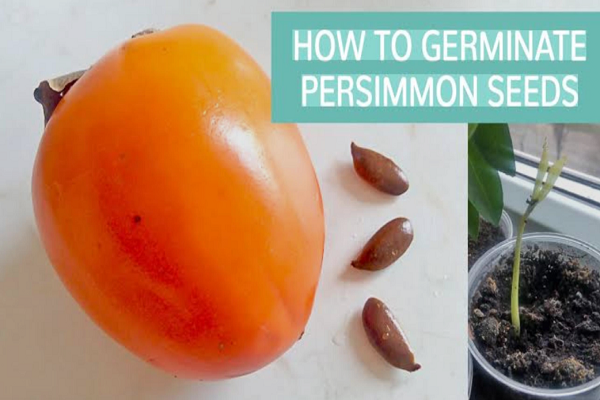
Clean ripe seeds, cold stratify 8 to 12 weeks, sow shallow, keep warm and moist.
You want a clear, tested plan on how to plant persimmon seed. I have raised both American and Asian persimmons from seed for years. In this guide on how to plant persimmon seed, I share simple steps, proven timelines, and honest tips from the field. Follow along, and you will avoid the usual setbacks and grow strong trees that last.
What to know before you start
There are two main types. American persimmon is hardy and can need a pollinator. Asian persimmon is popular and often self fruitful. Both form a deep taproot fast.
Most seeds need cold to wake up. This is called cold stratification. Expect 60 to 90 days in the fridge. Germination starts after you bring seeds back to warmth.
Seedlings do not match the parent fruit. If you want a named fruit, plan to graft later. From seed, fruit may take 5 to 8 years. Good care can shorten the wait.
Choose a site with sun and drain. Soil pH near 6.0 to 7.5 works well. Avoid soggy spots. Deer love young trees, so plan to protect them.

Tools and supplies
- Ripe persimmons with mature seeds
- Labels, permanent marker, and zip bags
- Paper towels and a fine mesh strainer
- Hydrogen peroxide or a mild fungicide
- Peat or coco coir, plus perlite for air
- Deep tree pots or root pruning pots
- Sterile seed trays with domes if you prefer
- A fridge for cold stratification
- A heat mat and a bright light setup
- Wire cages and trunk guards for outdoor use
Step by step: how to plant persimmon seed
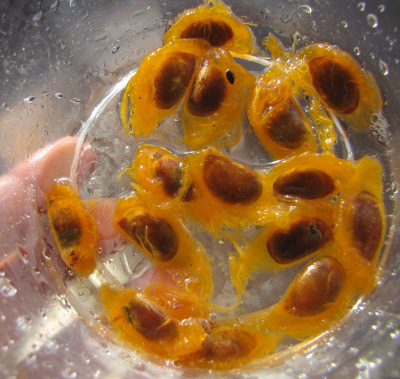
- Collect and clean. Pick fully ripe fruit. Remove seeds, then rinse clean. Soak in water for 24 hours. Discard any seeds that float.
- Sanitize. Dip seeds in a 3 percent peroxide rinse for 3 minutes. Rinse again. This lowers mold risk.
- Stratify. Place seeds in a bag with damp peat. Label the date. Chill at 34 to 41 degrees Fahrenheit for 8 to 12 weeks.
- Check monthly. Open the bag and air it out. If you see mold, rinse and refresh the medium. Keep it moist, not wet.
- Prepare pots. Use a deep pot at least 10 inches tall. Fill with a 60 percent peat or coco, 40 percent perlite mix. Water to settle.
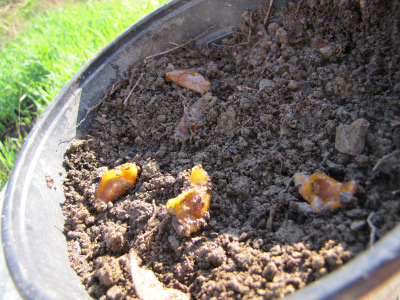
- Sow. Plant each seed 0.5 to 1 inch deep. Lay the seed flat. Cover gently, then label.
- Warm and light. Keep the soil at 70 to 80 degrees. Give bright light, 14 hours a day. A window can work, but grow lights are steadier.
- Water right. Keep the mix moist, never soggy. Bottom water when possible. Drain well.
- Thin and turn. When a sprout emerges, rotate pots weekly. This keeps stems straight and strong.
- Harden off. When frost risk is past, move plants outside for a week. Increase time in sun each day.
- Transplant. Set the seedling in ground before the taproot coils. Plant at the same depth. Water well and mulch.
This is the core of how to plant persimmon seed. Keep it simple, steady, and clean, and you will see strong starts.

Cold stratification made simple
Cold breaks seed dormancy. Most persimmon seeds need it. Extension guides show far better sprout rates after 8 to 12 chilled weeks.
Use a clear bag with damp peat. Do not let water pool. Store in the fridge, not the freezer. Check seeds each month. Some may sprout in the cold. If they do, sow them at once.
You can also sow outside in fall. Plant 1.5 inches deep. Cover with leaf mulch and a wire cage. In spring, remove the mulch as soil warms. This method is easy and works well in zones with real winters.

Potting mix, depth, and timing
Use a mix that drains yet holds air. I like 60 percent coco or peat with 40 percent perlite. Avoid garden soil in pots.
Plant seeds 0.5 inch deep in pots. Outdoors, go 1 inch to keep moisture. Sow right after stratification. Seedlings grow best in late spring warmth.
Use deep pots. The taproot dives fast. Tree pots or root pruning pots prevent root coil. That one choice can save you a year.

Germination and early care
Sprouts often appear 3 to 8 weeks after warm up. Some are slower. Be patient. Do not dig to check.
Keep soil warm and evenly moist. Aim for 70 to 80 degrees. Give strong light. If stems stretch, move lights closer.
Feed lightly only after the first true leaves. Use a gentle, balanced liquid feed at quarter strength. Too much nitrogen can burn tender roots.
:strip_icc()/bhg-persimmon-2152101_HOMEG095M_VG-c3d13623372a49e08dd0d7c33c9c9564.jpg)
Transplanting and site selection
Pick full sun. Six to eight hours is the floor. More sun gives better fruit later.
Space Asian types 15 to 20 feet apart. Space American types 30 to 40 feet. Dig a wide hole, not deep. Set the plant at the same soil line. Backfill and water well.
Mulch 2 to 3 inches thick. Keep mulch off the trunk. Add a stake in windy spots. Install a trunk guard and a wire cage if deer or rodents are near.

Ongoing care for year one to three
Water one inch per week in year one. Use your finger test. If the top inch is dry, water.
Do not push heavy fertilizer in the first season. In year two, a small spring dose is fine. Keep weeds down. Mulch helps a lot.
Prune only to shape and remove dead wood. Do not top trees. Keep a single leader on Asian types for a tidy frame.

Common mistakes to avoid
- Skipping cold stratification. This is a top cause of no sprouts.
- Using shallow pots. The taproot will coil and stall.
- Overwatering. Wet feet cause rot and damping off.
- Late transplanting. Move the seedling before roots circle the pot.
- Expecting clone fruit. Seedlings vary. Plan to graft if you want a named fruit.
Troubleshooting and quick fixes
- Mold in the bag. Rinse seeds, refresh medium, and add a paper towel layer.
- No germination after 12 weeks warm. Return to the fridge for four more weeks, then retry.
- Leggy seedlings. Increase light and lower heat a bit. Brush tops by hand daily to strengthen stems.
- Leaf yellowing. Check drainage. Reduce water and feed a mild, balanced liquid once.
- Leaf chew. Use a collar and check for cutworms and slugs at dusk.
Grafting and cultivar choice
Seedlings are great rootstock. If you want fruit like Fuyu or Hachiya, graft a known scion in year one or two. A simple whip and tongue graft works well.
Asian persimmon often sets fruit alone. American persimmon often needs a male tree. Check your local types. Ask a nursery or a local orchard group.
Grafted trees fruit sooner. Many bear in three to four years. Seedlings can take longer. This is a key point when you plan how to plant persimmon seed for a backyard harvest.
Frequently Asked Questions of how to plant persimmon seed
How long does it take for a persimmon seed to sprout?
Most sprout 3 to 8 weeks after warm up. They need 8 to 12 weeks of cold first for best results.
Do I need to cold stratify persimmon seeds?
Yes for most seeds. Cold breaks dormancy and can double or triple germination rates.
How deep should I plant the seed?
In pots, plant 0.5 inch deep. Outdoors, plant about 1 inch deep to hold moisture.
Can I plant seeds from store bought fruit?
Yes, if the fruit was fully ripe and the seeds are mature. Clean well and follow cold stratification.
Will the tree be the same as the parent fruit?
No. Seedlings vary in fruit and size. If you want the same fruit, graft a known scion onto your seedling.
When will a seed grown tree bear fruit?
Often in 5 to 8 years. Grafted trees can bear in 3 to 4 years.
Can I skip fertilizer the first year?
Yes, and it is often best. Focus on water, light, and root health.
Conclusion
You now know how to plant persimmon seed from start to finish. Clean, chill, sow, and protect. Keep roots happy and light strong. Move seedlings early, and give them sun and space.
Start with a handful of seeds this season. Track your steps and note what works in your yard. If you want a named fruit, plan to graft. Ready to grow more? Subscribe for new orchard guides, and share your results or questions in the comments.