Diameter Of A Garden Hose: Sizes, Flow & Tips 2026
Most garden hoses measure 1/2, 5/8, or 3/4 inch in inside diameter.
Choosing the right diameter of a garden hose can save time, water, and frustration. I have sized and tested hoses for yards, nurseries, and light construction. In this guide, I explain the diameter of a garden hose with clear examples, data-backed tips, and simple steps so you can pick the best hose for every task.

What Hose Diameter Means And Why It Matters
The diameter of a garden hose is the inside width of the tube. Brands list it as 1/2 inch, 5/8 inch, or 3/4 inch. A larger inside diameter moves more water with less pressure loss.
Here is why the diameter matters in daily use:
- More flow. A wider path lets more gallons per minute reach your nozzle or sprinkler.
- Less drop over distance. Long hoses steal pressure. A larger diameter of a garden hose reduces that loss.
- Right match for tools. Pressure washers and high-flow sprinklers often demand a bigger hose.
In short, the diameter of a garden hose controls how fast and how far water can go without choking your system. Choosing well means better results and less waiting.

Standard Garden Hose Sizes And Typical Uses
Most homeowners choose between three common sizes. Think of them as small, medium, and large.
- 1/2 inch ID. Light watering, balcony gardens, short runs under 50 feet. Easy to handle and light to carry.
- 5/8 inch ID. The go-to size for most yards. Balanced flow, weight, and control. Good for 25–100 feet.
- 3/4 inch ID. High flow for long runs, filling pools, or feeding multiple sprinklers. Heavier but strong.
Typical flow at normal household pressure:
- 1/2 inch hose. About 3–5 GPM at 40–60 PSI over 50 feet.
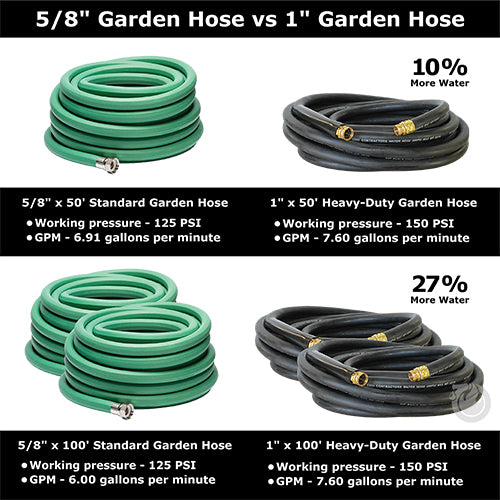
- 5/8 inch hose. About 6–9 GPM at 40–60 PSI over 50 feet.
- 3/4 inch hose. About 8–12 GPM at 40–60 PSI over 50 feet.
These ranges vary with length, fittings, kinks, and your spigot pressure. Still, they show how the diameter of a garden hose sets the baseline for flow.
Flow, Pressure, And Length: The Simple Physics
Water slows as it rubs against the hose wall. Longer and narrower hoses lose more pressure. Larger hoses resist less. Engineers use formulas like Hazen–Williams to model this, but you do not need math to make smart choices.
- Short runs under 50 feet. A 5/8 inch hose works for most jobs.
- Long runs over 100 feet. Step up the diameter of a garden hose to 3/4 inch to keep strong flow.
- Low-pressure homes. Choose a larger hose to protect what little pressure you have.
A helpful rule from the field: if your sprinkler sputters at the far end, increase the diameter of a garden hose or shorten the run. It works almost every time.
How To Choose The Right Diameter For Your Tasks
Use this simple plan. It has saved me money and time on dozens of jobs.
- Define the job. Drip lines, car washing, deep watering, or running multiple sprinklers.
- Check your pressure. Many homes sit between 40–60 PSI. Lower pressure benefits from a larger hose.
- Pick by length. The longer the hose, the more you should favor a larger diameter of a garden hose.
- Match the tool. Many oscillating sprinklers, wands, and pressure washers list minimum flow needs.
- Test before you buy big. Borrow a larger hose and compare. Watch how fast a 5-gallon bucket fills.
Real-world examples:
- Vegetable beds with short runs. A 1/2 inch hose feels light and works fine.
- Lawn with a traveling sprinkler at 100 feet. A 3/4 inch hose keeps the sprinkler moving.
- Car wash and patio cleaning. A 5/8 inch hose gives steady flow without feeling bulky.

Fittings, Threads, And Compatibility
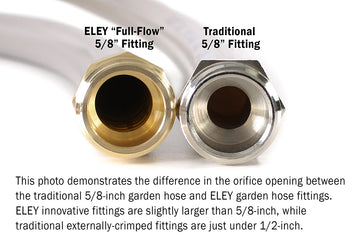
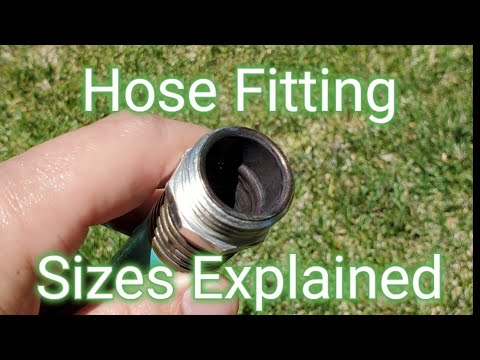
A common confusion: the couplings on garden hoses use a standard thread called GHT. In the US and Canada, it is 3/4-11.5 NH. That thread size is not the diameter of a garden hose. It is only the thread type on the ends.
Key points to avoid leaks and headaches:
- Female end goes on the spigot, male end faces the nozzle.
- Use rubber washers in couplers. Replace them when they flatten or crack.
- Adapters exist for GHT to NPT or BSP. Check your device’s spec before buying.
- Quick-connect sets save time. Pick brass for durability and fewer drips.
If a device says it needs a 3/4 inch inlet, it is asking for the thread size, not the inside diameter of the hose. Always confirm the actual hose ID that the device recommends.
Materials, Kink Resistance, And Weight By Diameter
The diameter of a garden hose affects weight and handling. Material matters too.
- Vinyl. Light and cheap. Kinks easier. Best for short, casual use.
- Rubber. Durable, flexible in cold, and resists kinks. Heavier than vinyl.
- Hybrid polymer. Good blend of light weight and kink resistance. My top pick for daily use.
What to expect by size:
- 1/2 inch hoses are lighter and easier to coil. Good for kids and tight spaces.
- 5/8 inch hoses hit the sweet spot for most yards.
- 3/4 inch hoses are heavier. Plan for a good reel if you choose this diameter of a garden hose.

How To Measure And Verify Hose Diameter
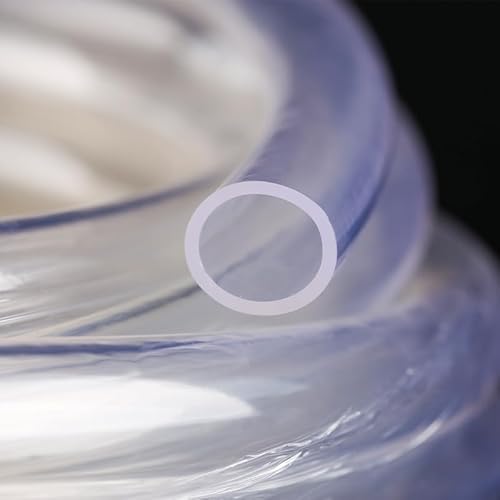
Do not rely on the outer thickness. Measure the inside.
- Check the label. It should list inside diameter, length, and material.
- Measure the ID. Use a ruler or caliper across the open end. Read the inside width.
- Compare with a coin. The inside of a 5/8 inch hose is a bit wider than a dime.
- Inspect fittings. Look for 3/4 GHT threads and good washers.
If a seller lists OD only, ask for the inside diameter of a garden hose before you buy. Inside diameter is what drives performance.
Common Mistakes And Troubleshooting
Many flow issues come down to the wrong size or length.
- Buying by thread size. GHT is not the inside diameter. Confirm the actual hose ID.
- Long runs with 1/2 inch hose. Expect weak sprinklers. Step up to 5/8 or 3/4 inch.
- Starving a pressure washer. Feed it with a short 3/4 inch hose when possible.
- Mixing sizes in series. The smallest link sets the limit. Keep the diameter of a garden hose consistent.
- Ignoring kinks and tiny leaks. They crush flow. Fix bends, replace washers, and use kink-free reels.
If your far-end nozzle wheezes, the fix is simple. Shorten the hose or increase the diameter of a garden hose. It solves most low-flow complaints.
Safety, Conservation, And Best Practices
Water is precious. The diameter of a garden hose affects how fast you use it. A 5/8 inch hose at 7 GPM uses 420 gallons in an hour. Plan your watering to match plant needs and soil intake.
Practical tips:
- Use a shutoff valve or trigger nozzle. Do not leave the hose running.
- Choose lead-free, safe-for-drinking hoses if pets or kids may sip from it.
- Add a backflow preventer at your spigot when connecting to fertilizer injectors.
- Water early or late to cut evaporation. Avoid runoff by using lower flow heads on tight soils.
If you conserve flow at the nozzle, you can still use a larger diameter of a garden hose. You keep pressure strong but control output where it counts.
Frequently Asked Questions of diameter of a garden hose
What is the most common diameter of a garden hose?
Most homes use 5/8 inch. It balances strong flow with easy handling for 25–100 foot runs.
Does a larger diameter of a garden hose increase pressure?
It does not raise source pressure. It reduces pressure loss along the hose, so more usable pressure reaches your sprinkler or nozzle.
How long can I run a 1/2 inch hose?
Keep it under 50 feet if you want decent flow. For longer runs, switch to 5/8 inch or 3/4 inch.
Is 3/4 inch worth it for a small yard?
Often no. The weight and cost are higher. Use 3/4 inch if you run long distances, fill large tanks, or power multiple sprinklers.
Are hose threads the same as pipe threads?
No. Garden Hose Thread (GHT) differs from National Pipe Thread (NPT). Use the right adapter to avoid leaks.
How do I measure the diameter of a garden hose at home?
Look at the label or measure the inside width at the open end. Focus on inside diameter, not the outside thickness.
Will a bigger hose help my pressure washer?
Yes, as a supply hose. A short 3/4 inch hose reduces starvation and keeps the washer from pulsing.
Conclusion
The right diameter of a garden hose turns weak, slow watering into fast, even coverage. Match diameter to task and length, keep fittings tight, and choose materials that suit your climate and grip. A smart choice today will save water, time, and effort for years.
Put this guide to work on your next hose purchase. Measure your needs, pick the proper size, and test your flow with a quick bucket check. Want more practical yard tips? Subscribe for updates or share your questions in the comments.